



Header: Norbert Tukaj
A kindergarten in Vilnius, Lithuania, has been turning some heads for its architecture and how it provides educators and children with the environment needed for healthy growth. Designed by Ng Architects, with Filippo Erasti and Ignas Vengalis as lead designers, and with interior design by Justyna Molis, the kindergarten is one of the latest winners of the coveted BLT Built Design Awards.
A bold exterior look
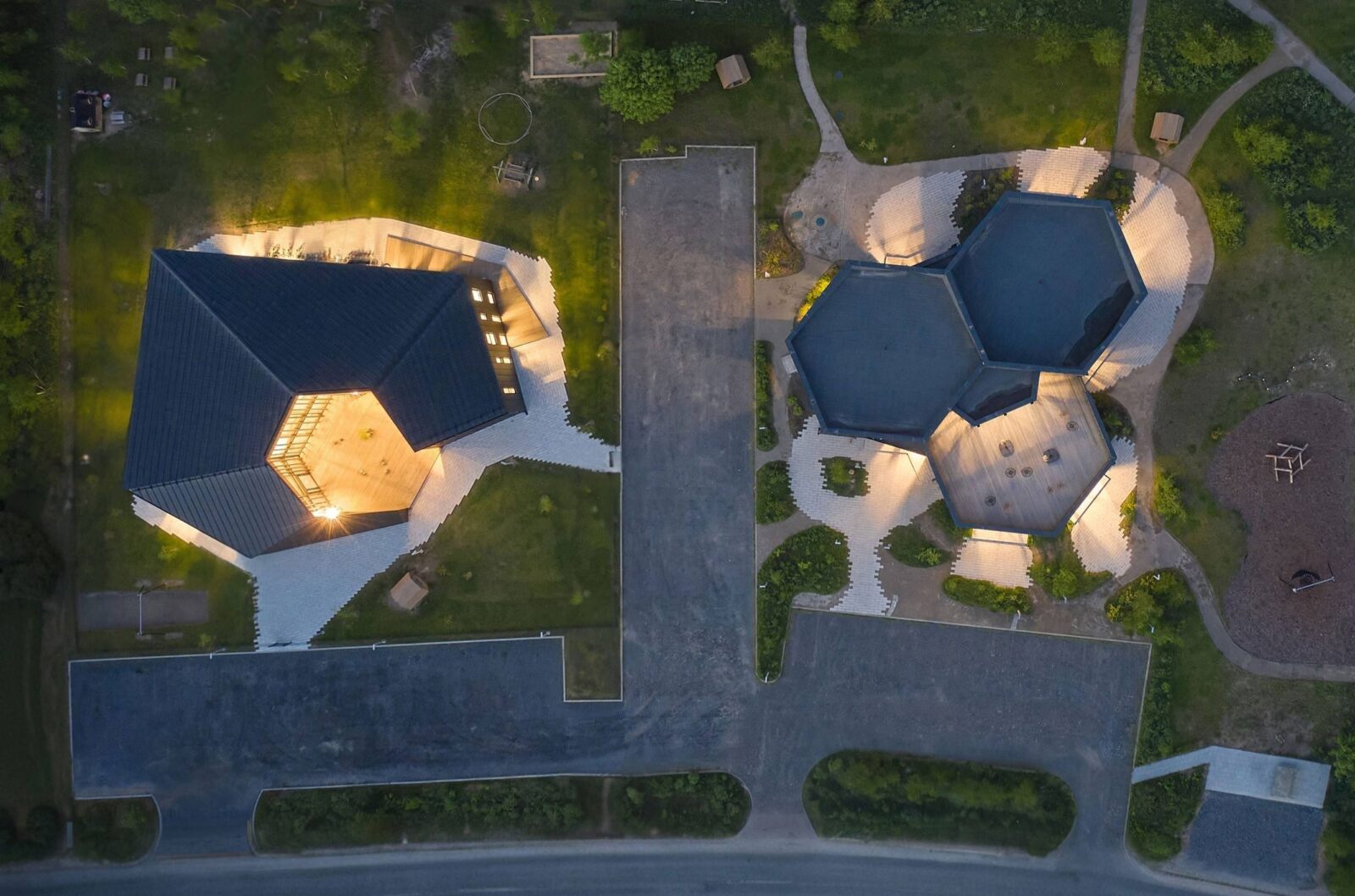
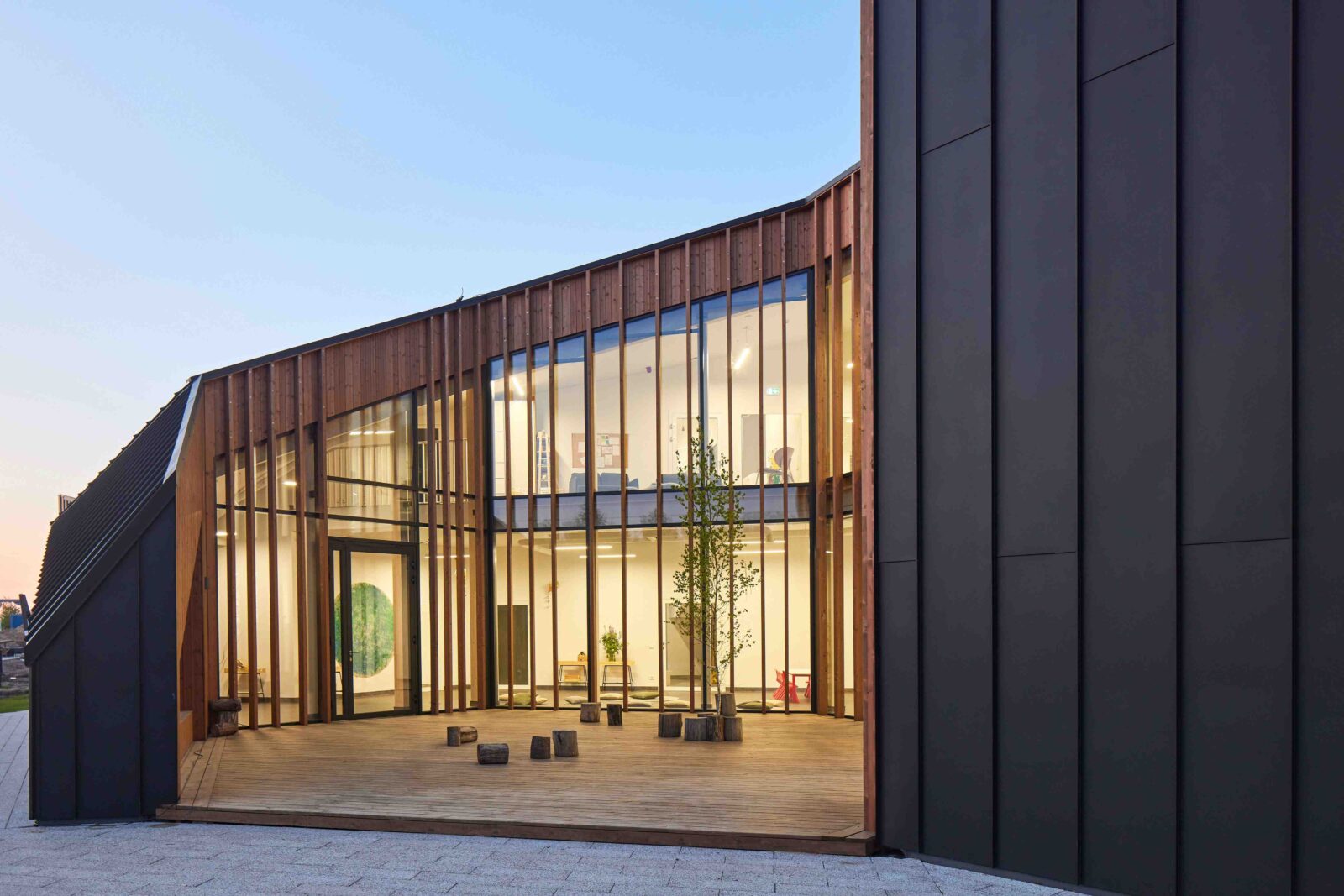
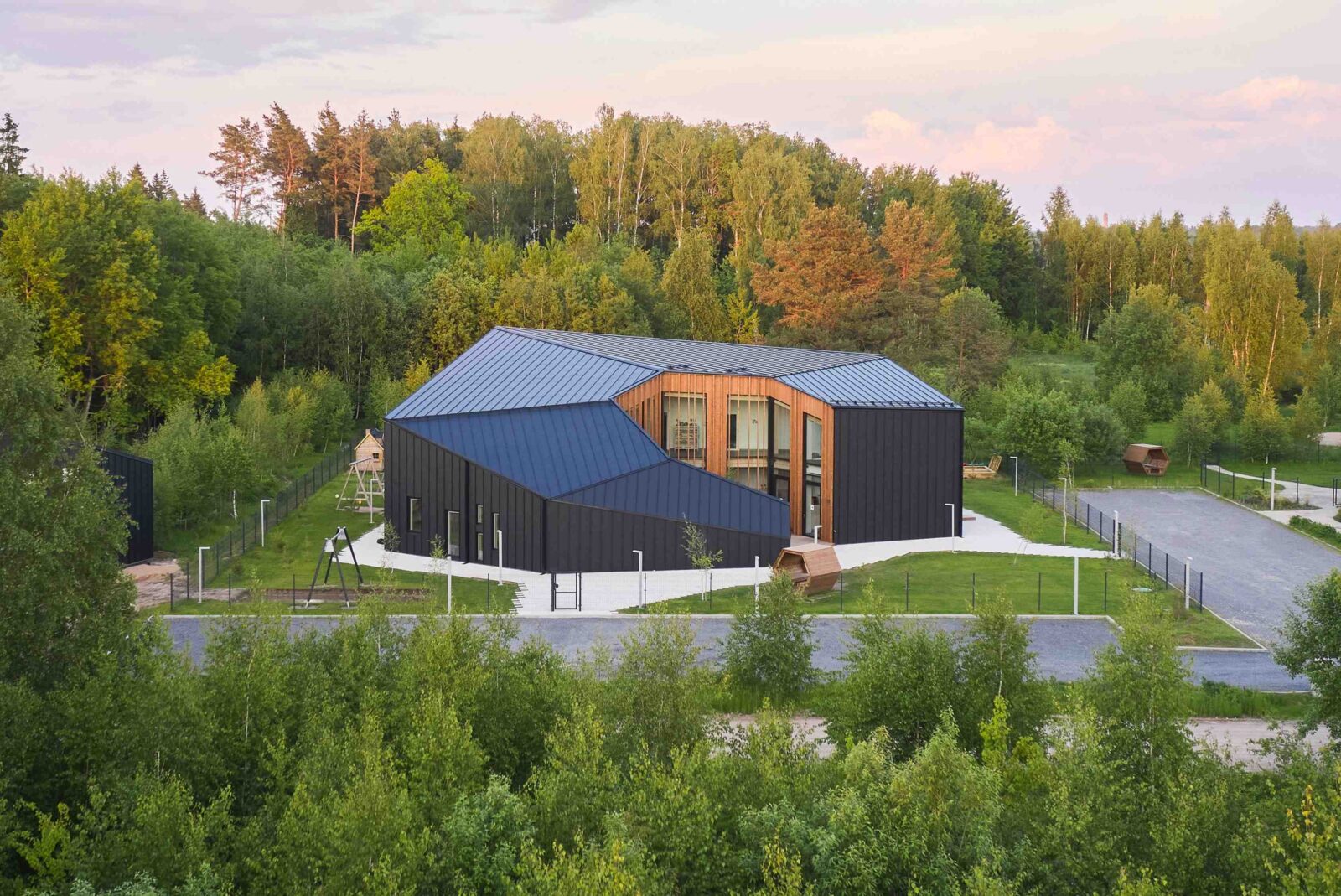
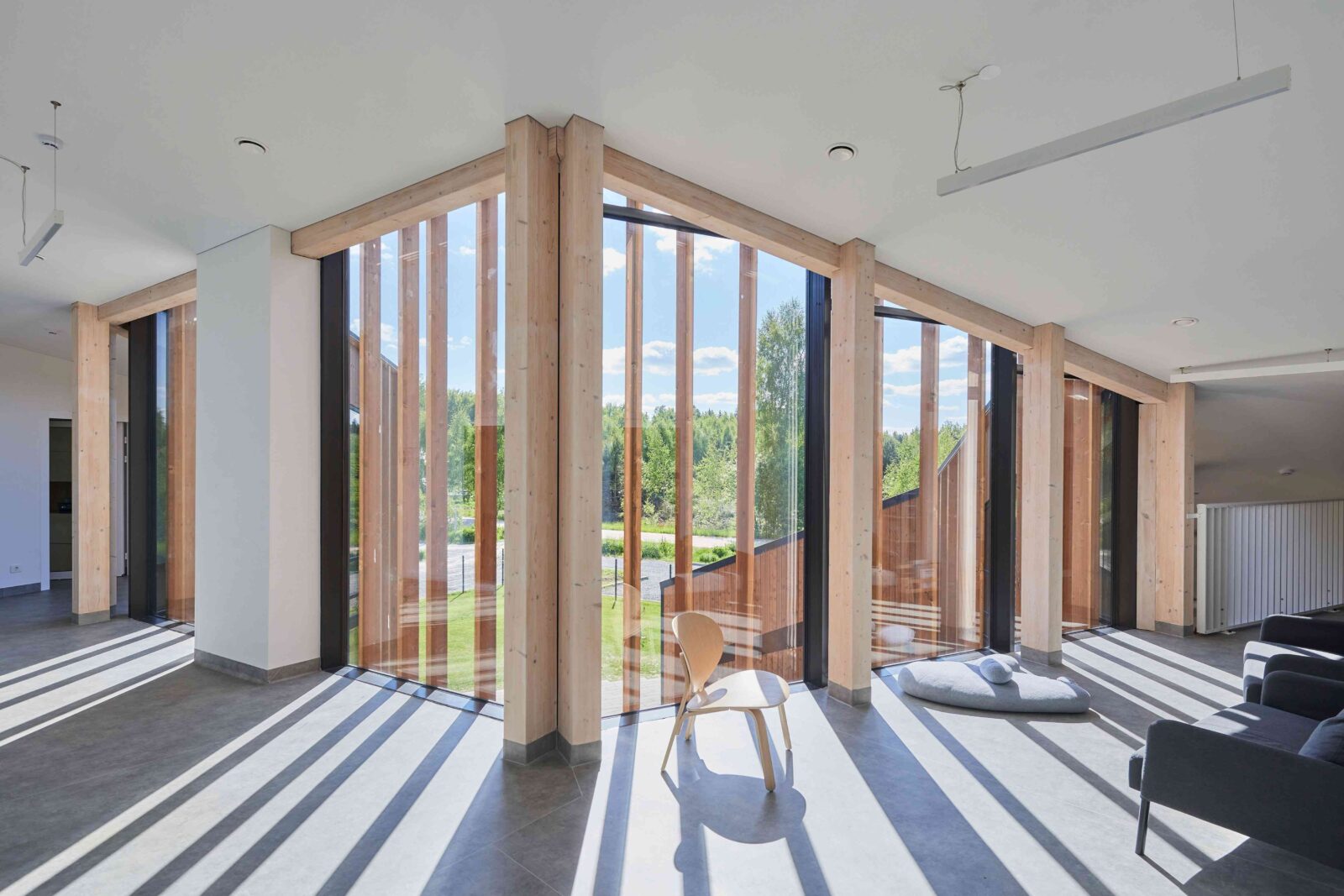
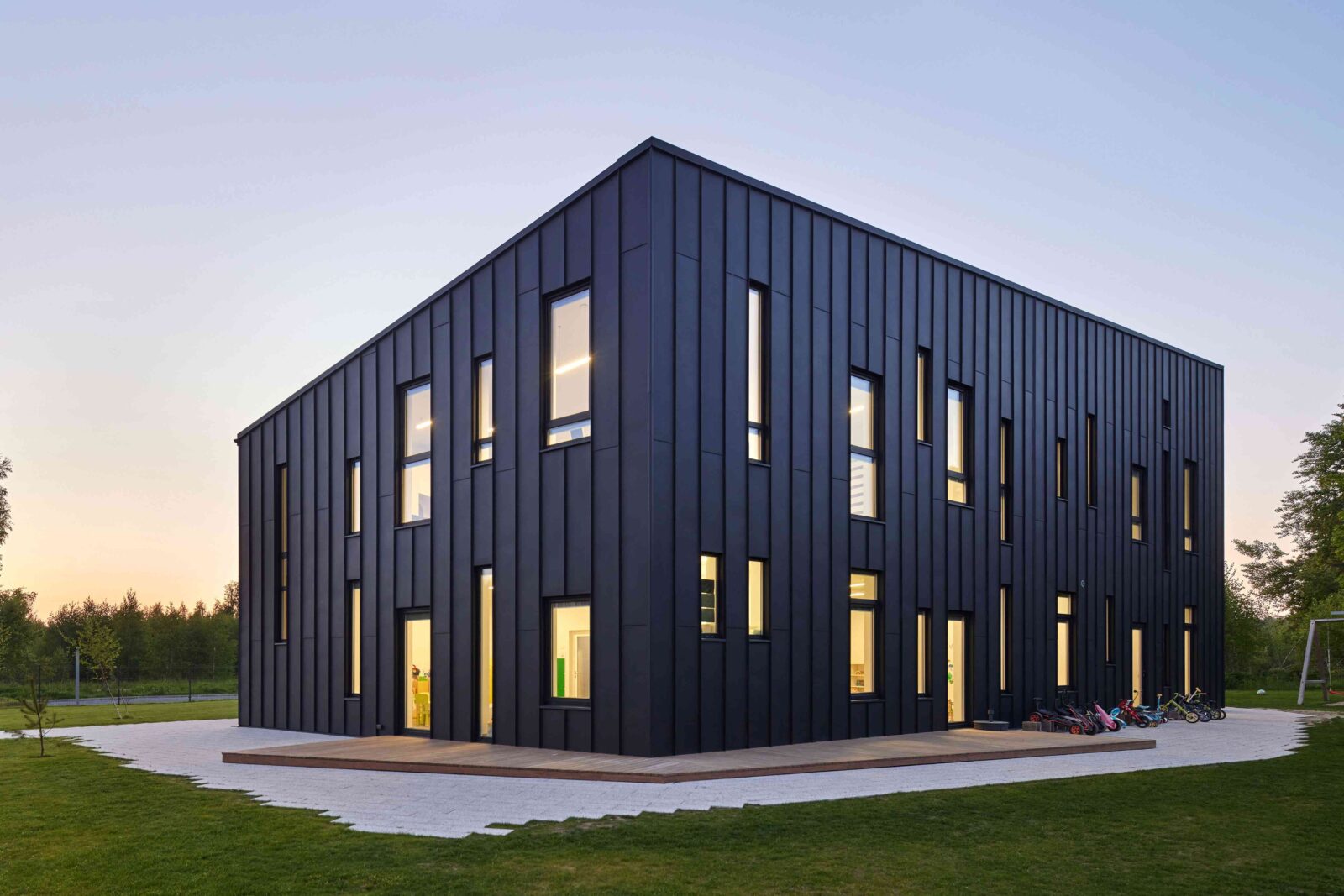
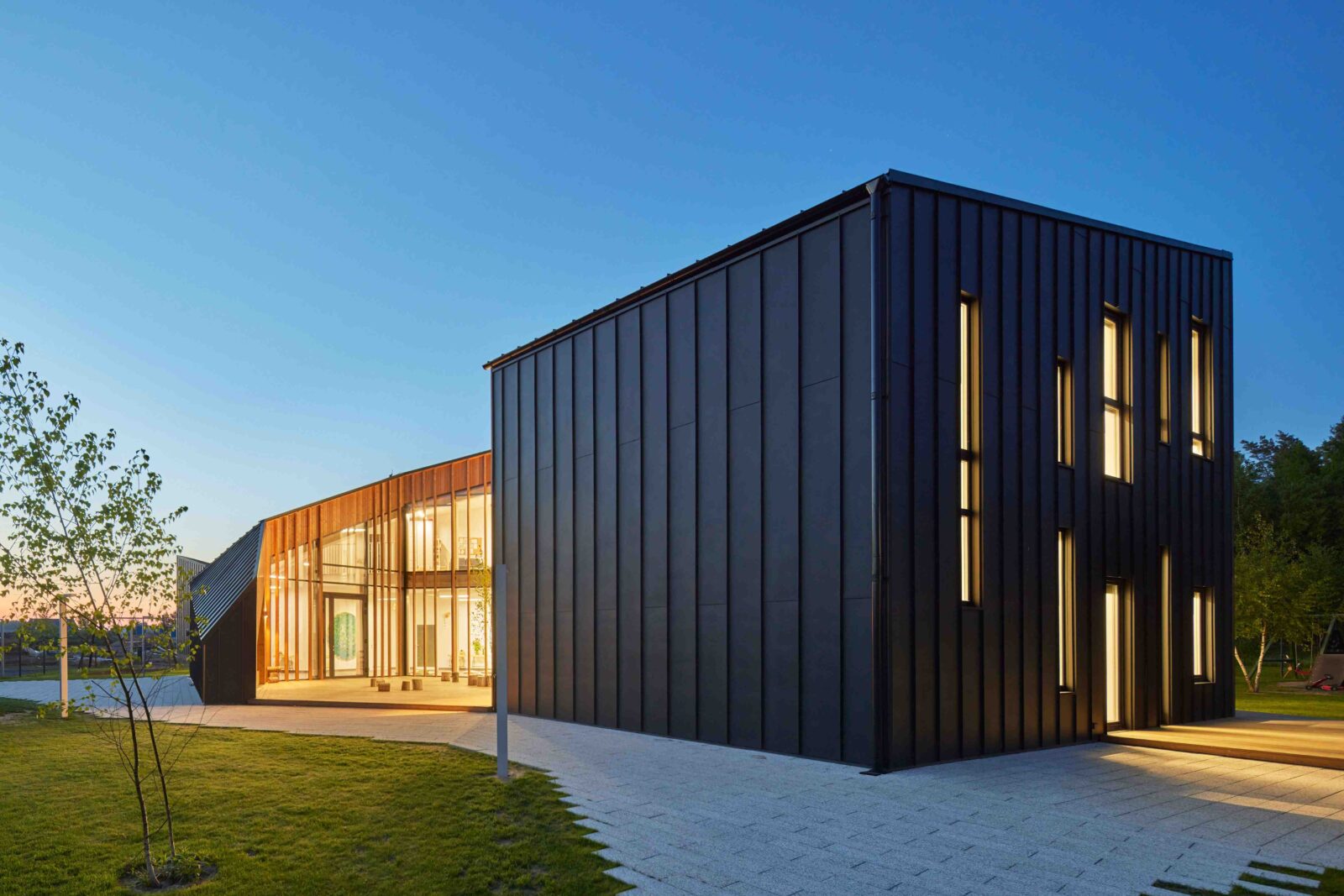
The private kindergarten is part of the 44-hectare Uogu slenis development and is surrounded by a Baltic forest of birches and pines. Located right at the centre of the development, the building is defined by a dynamic, curved form and dark exterior cladding that almost reminds one of a cuddle. Large floor-to-ceiling windows open the classrooms to views of the forest and outdoor areas, promoting curiosity and a love for nature in the children.
A space for learning and growth
The building covers 557 square metres and contains seven classrooms, including two designed specifically for the youngest children. Two separate entrances allow parts of the building to be used independently, allowing the staff to separate quieter from busier areas when needed.
Fostering playfulness and curiosity
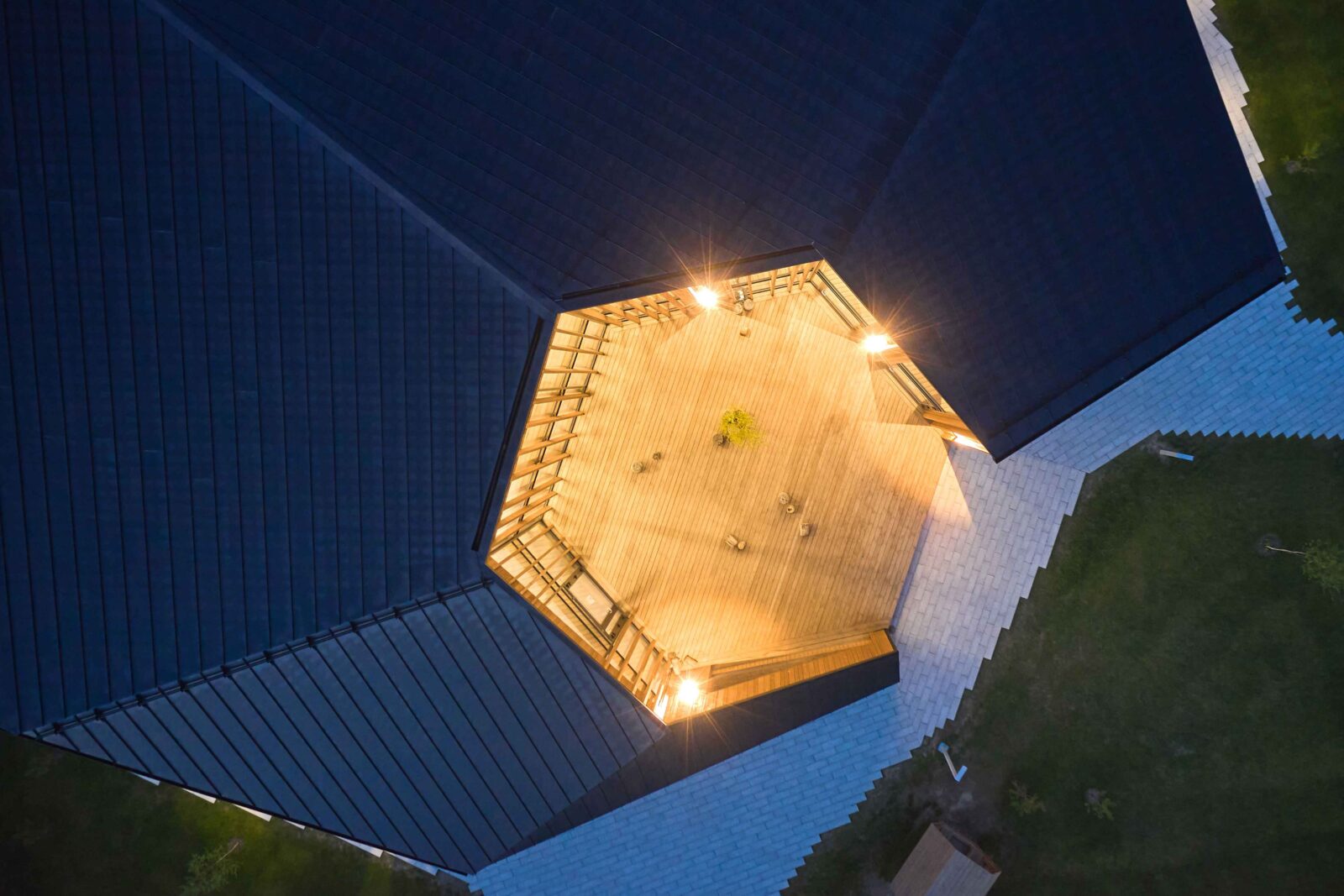
An inner courtyard provides the kids with a safe place to play and learn. It is finished with locally sourced wooden flooring and fitted with sunshades for protection against the elements, plus its lighter look clearly separates it from the surrounding structure.
The courtyard was designed in a hexagonal shape, with the designer pointing to this form in an interesting manner: while adults perceive the space as is, “children experience it as a magical, secure world.”
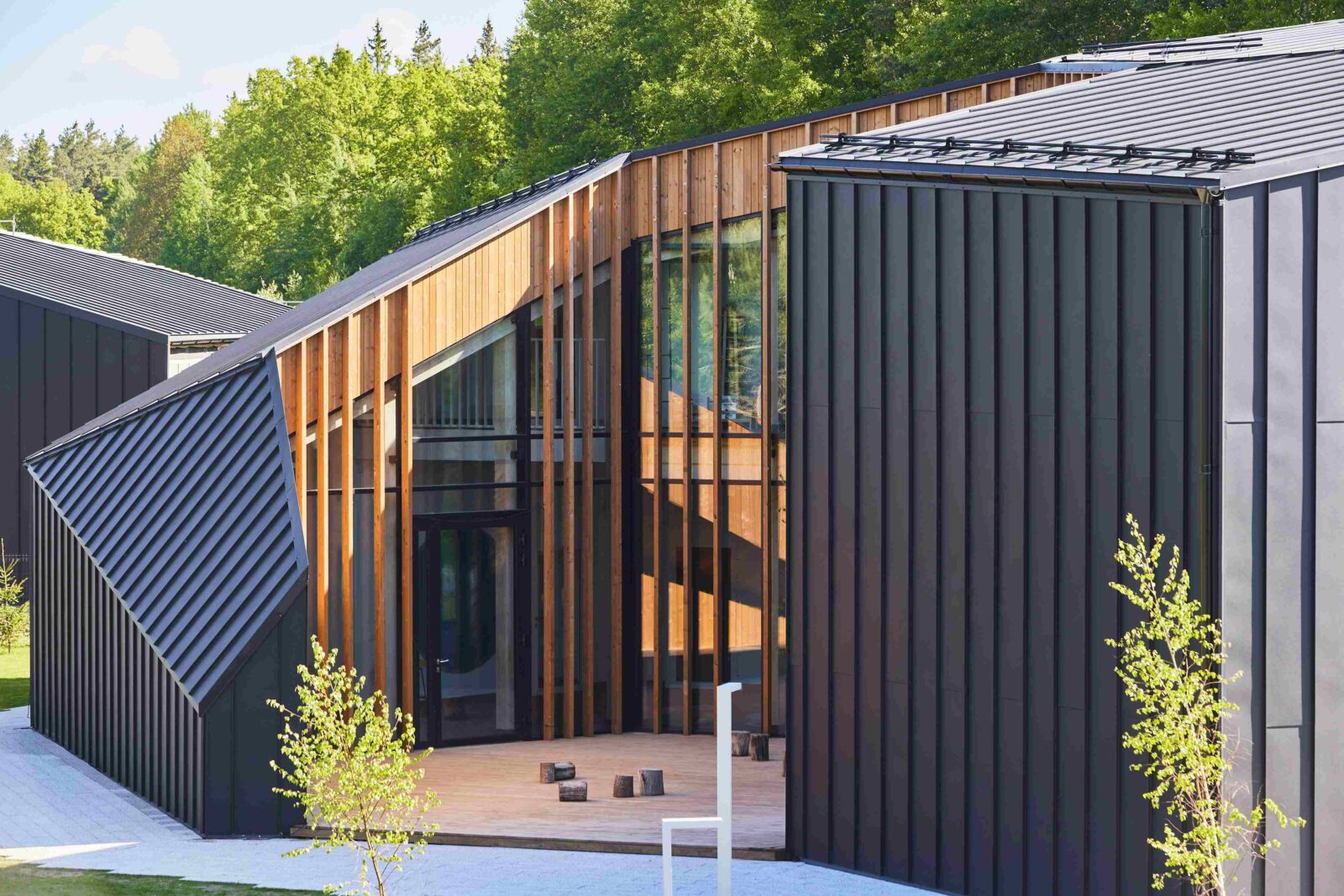
The architectural approach is presented as supporting “playful learning and emotional growth“, showing that children’s needs were at the forefront of every stage of the design.

