Header: Courtesy of AIDA Awards
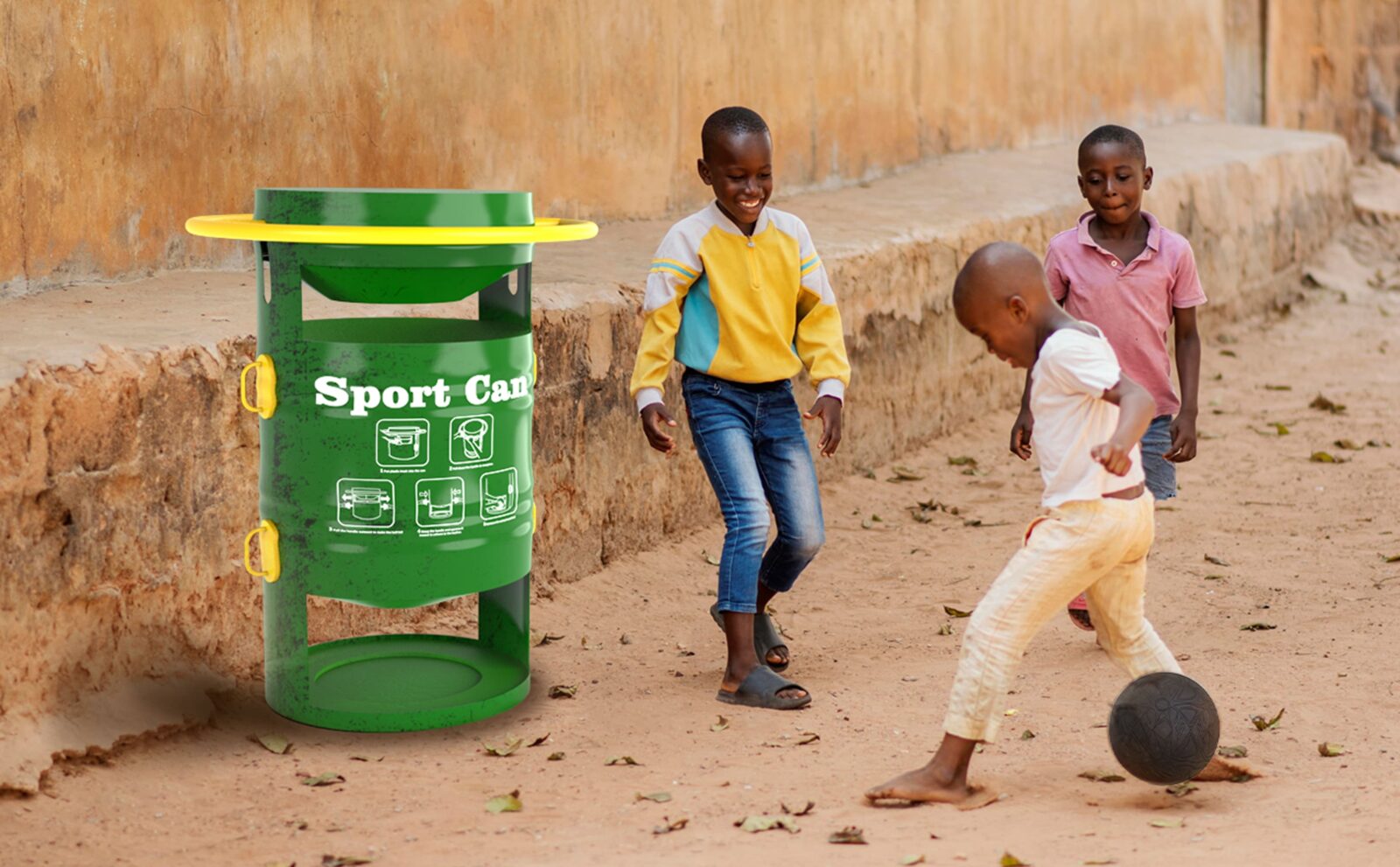
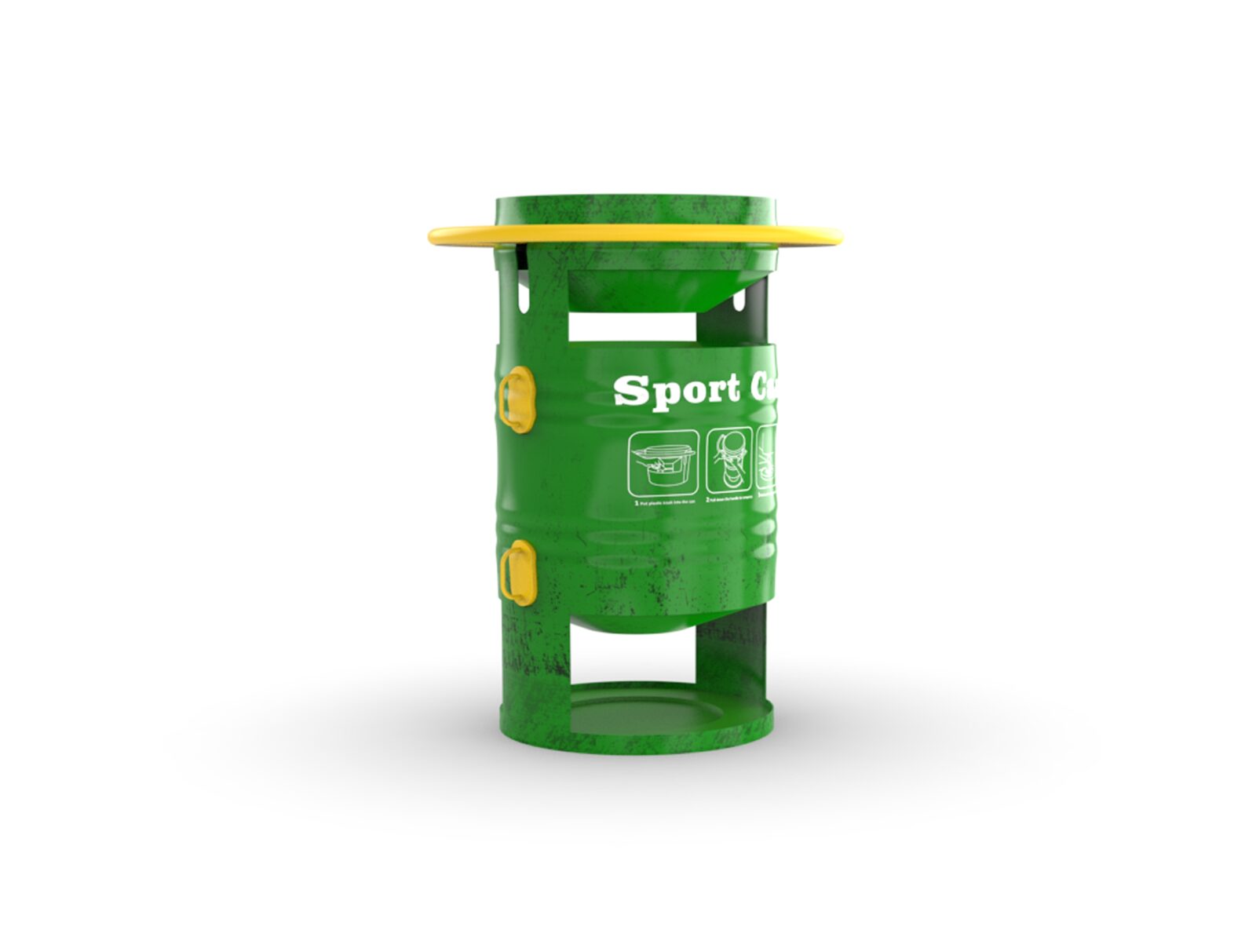
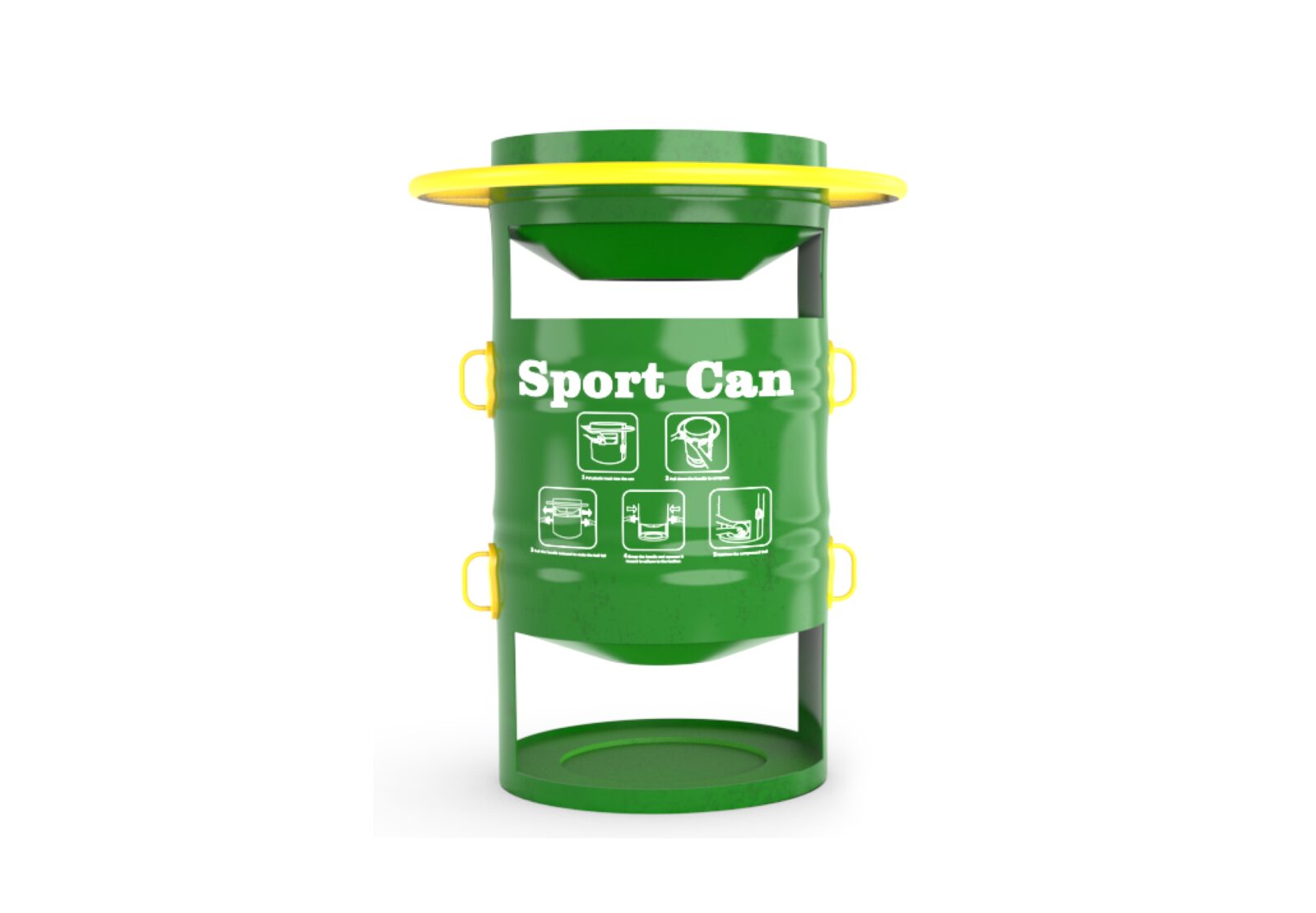
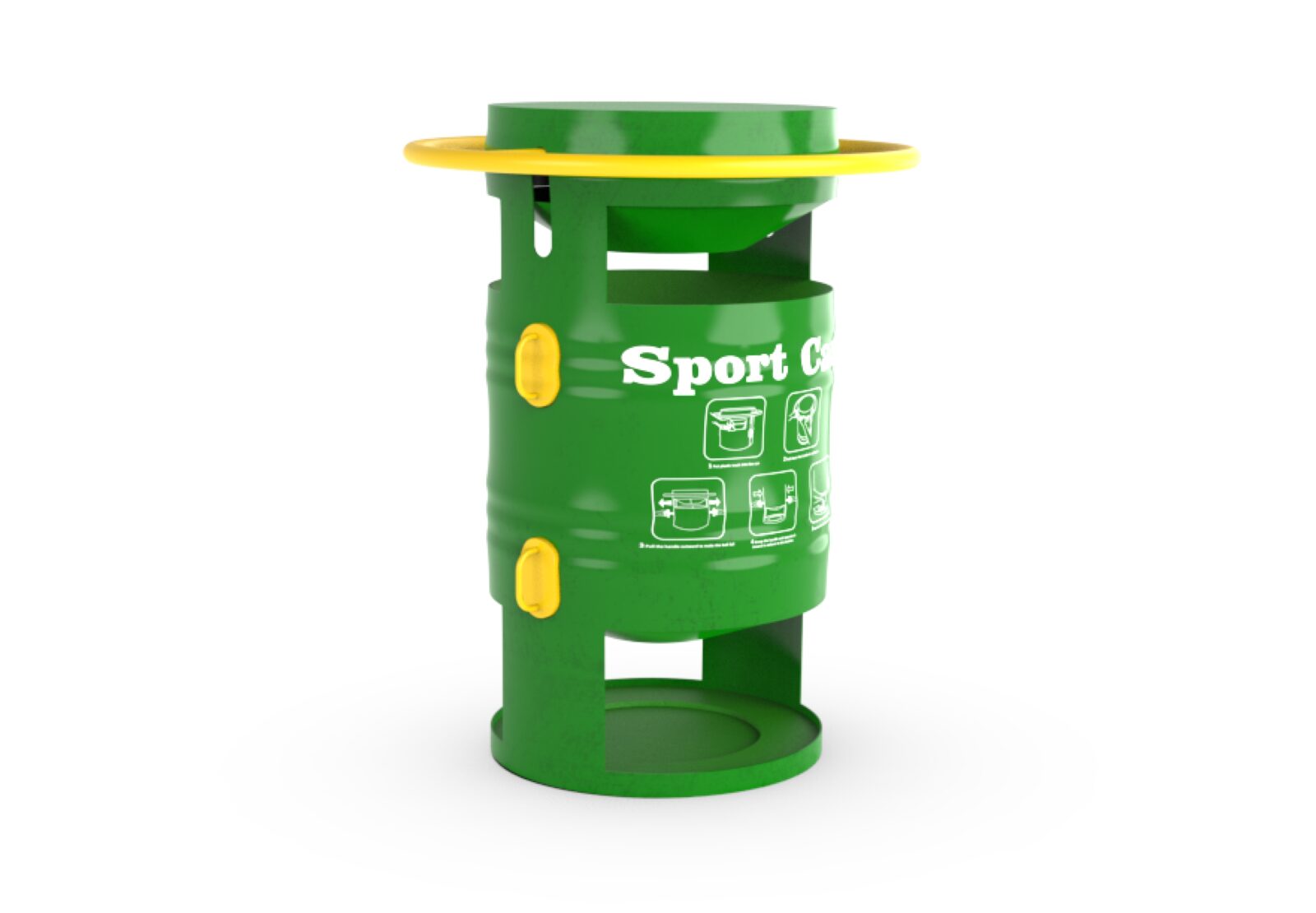
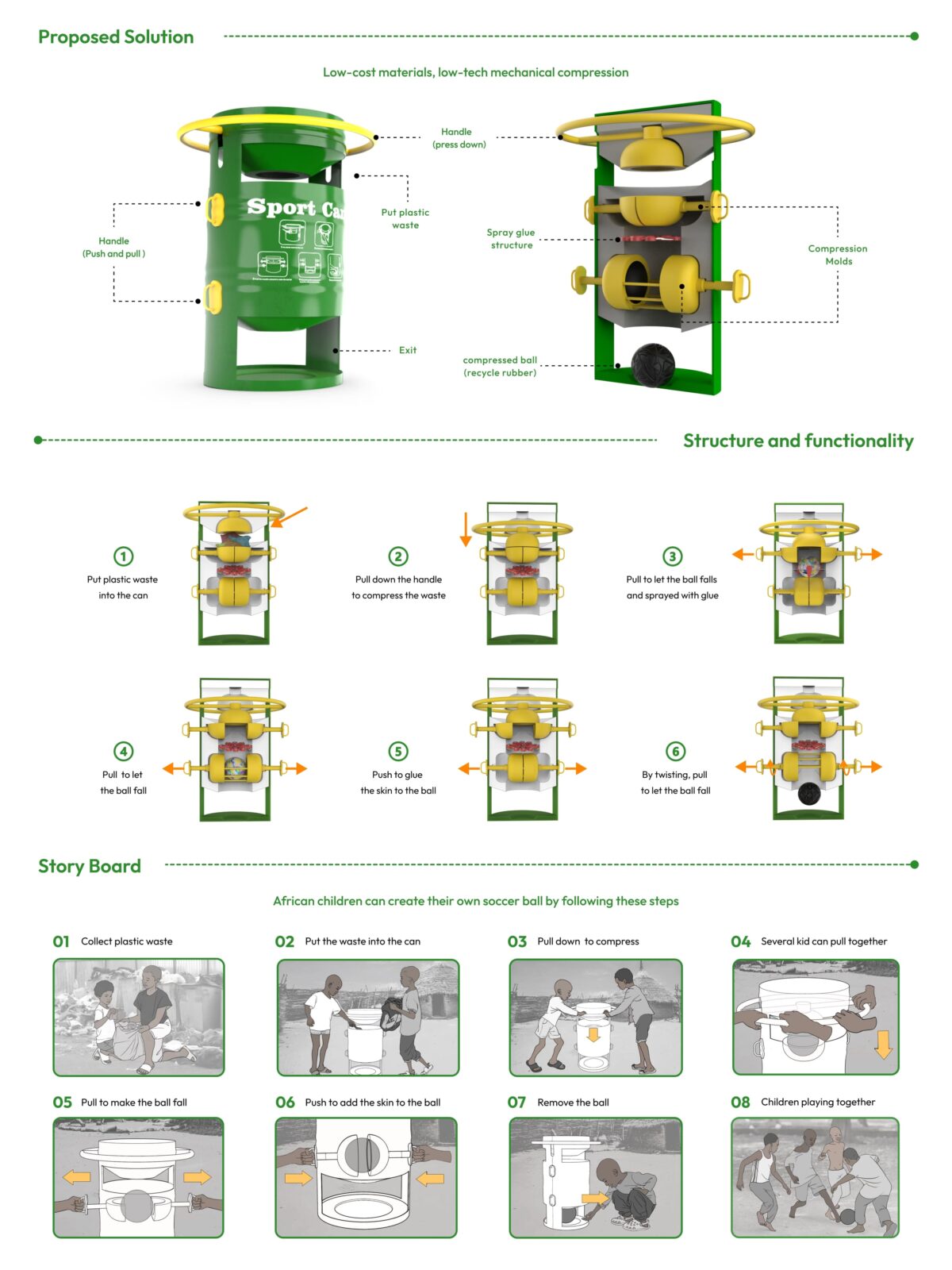
In many cities across Africa, two distinct realities exist side by side: massive piles of uncollected plastic waste and streets full of children playing football with whatever makeshift equipment they can find. For designer Didier Stéphane Kingnide Gnonlonfoun, these two challenges offered a single, practical opportunity. His project, Sport Can, works as an innovative rubbish bin that collects discarded plastic and processes it into tough, affordable footballs through a straightforward three-step system. Created while studying at the Beijing Institute of Technology under the guidance of Professor Sun Bowen, the prototype shows how low-cost local design can tackle public health hazards while helping young people stay active.
This clever approach to community-led recycling recently earned national and international acclaim, winning Didier the title of Emerging Product Designer of the Year in the Eco Design category at the 2026 AIDA Awards. By converting everyday rubbish into sports gear without requiring expensive factories or complex training, Gnonlonfoun has built a scalable model that directly supports local neighbourhoods. In this interview, Didier talks about his childhood in Benin, his journey from graphic design to product creation, and why platforms like the Africa International Design Awards are vital for the future of creative talent across the continent.
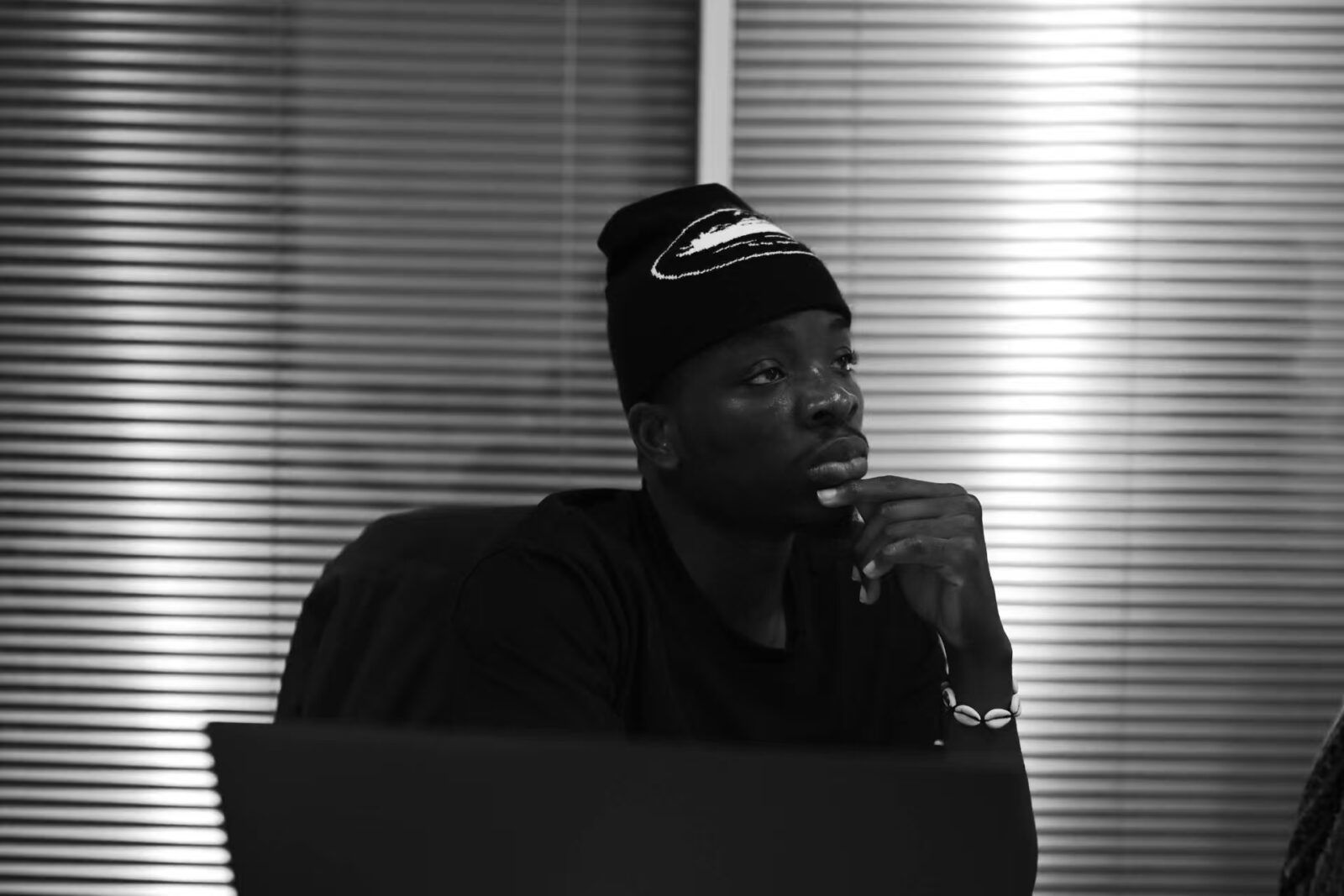
Can you tell us about what drew you towards product design and solving problems through objects?
My interest in design began in childhood. From an early age, I was passionate about drawing and deeply curious about everything around me, from shapes and everyday objects to architecture. Like many children, I was often asked what I wanted to become when I grew up. My answer was always the same: I wanted to be an architect. As the years passed, that dream gradually faded, and by the time I finished middle school, I was no longer sure which path to pursue.
It was then that my older sister encouraged me to enroll in a graphic design program, an opportunity that became a turning point in my journey. Through this experience, I discovered that the world of design was far broader than I had imagined. In particular, I was introduced to product design and realized that it could serve as a powerful tool for addressing everyday challenges and broader societal issues. This realization led me to make a clear decision: to use product design as a means of creating meaningful solutions and making a positive impact on my community.
What inspired you to create such a unique concept: connecting plastic waste with access to football?
Like many children in Benin, football was an important part of my daily life. More than a sport, it brought people together and fostered a sense of community and belonging. Despite limited equipment and poor sports facilities, football became a key part of our culture and identity. At the same time, many communities faced growing plastic waste due to inadequate waste management systems, creating serious environmental and public health concerns.
Seeing these two challenges, I asked myself: why not address both with a single solution? This idea led to the creation of Sport Can, a design project that transforms plastic waste into a valuable resource. By converting recycled plastic into footballs, Sport Can helps improve waste management while providing access to sports equipment.
Can you walk us through the process of designing Sport Can?
My design process is straightforward and centered on understanding the problem before developing a solution. To do this, I begin by asking myself a series of key questions:
What is the problem?
Who is affected by it?
Why does it exist, and what are its root causes?
Where does it occur?
When does it happen?
How can it be addressed effectively?
These questions help me gain a deeper understanding of the challenge at hand. They allow me to identify the people I am designing for, understand the context in which the problem exists, and develop solutions that are both relevant and impactful.
What choices did you take to ensure making the Sport Can is simple and affordable?
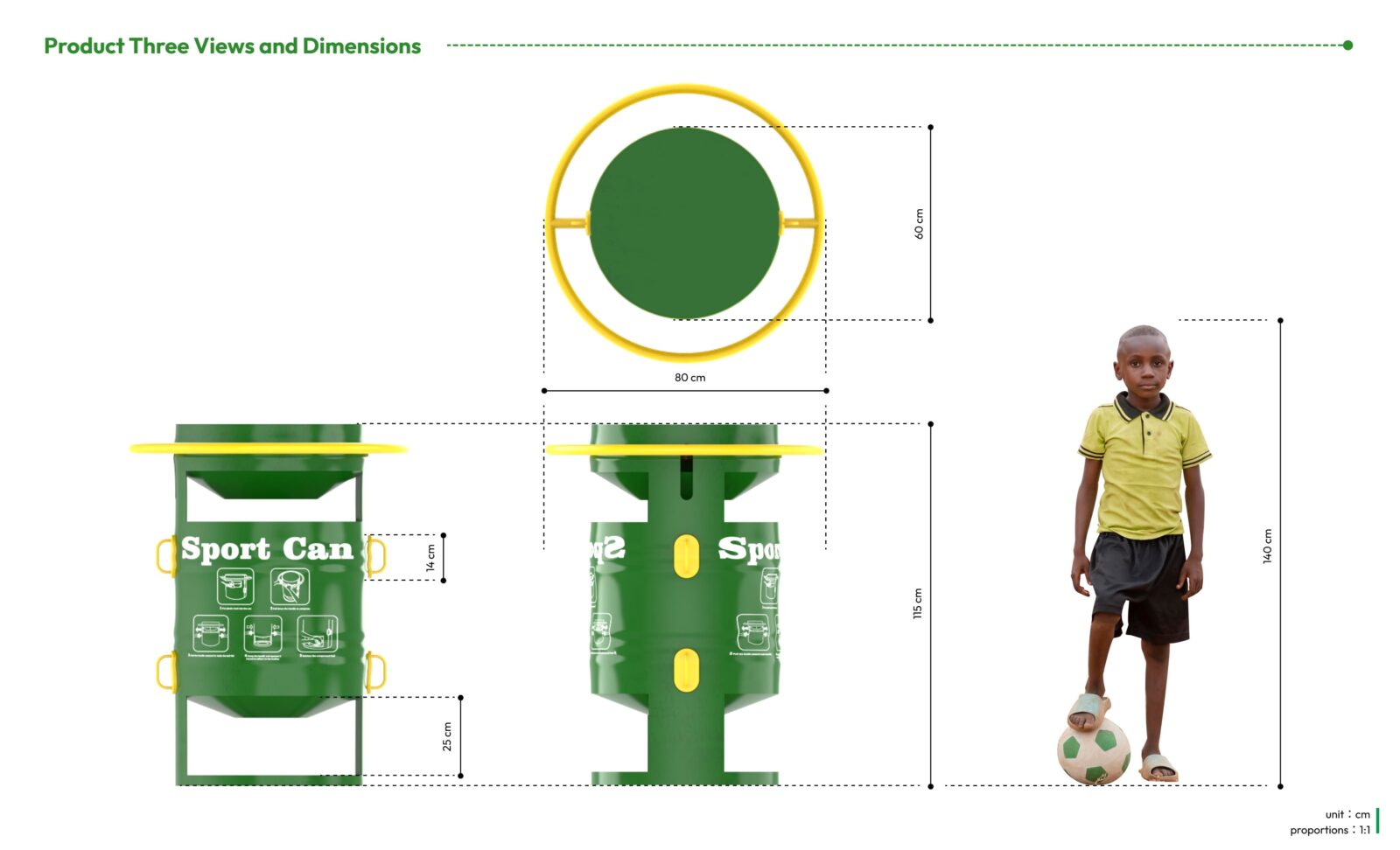
Sport Can is designed to be simple and affordable. It uses a straightforward three-step process that eliminates the need for complex machinery or specialized skills, making it easy to build, operate, and maintain. The system relies on low-cost, widely available materials and can be reproduced locally without advanced industrial infrastructure. By combining waste collection and football production into a single solution, Sport Can reduces costs, simplifies implementation, and makes the concept accessible to a wide range of communities.
What does it mean to receive AIDA Awards recognition at this early stage in your design journey?
Receiving recognition from the Africa International Design Awards means a great deal to me. It is a testament to the hard work, dedication, and perseverance I have invested in my journey. This recognition reassures me that I am on the right path toward achieving my goals and motivates me to continue creating meaningful design solutions.
Why do you think a platform like AIDA Awards is important now for young designers and for the future of design in Africa?
First and foremost, I would like to express my sincere gratitude to the African International Design Awards. I believe it is an outstanding platform for young African designers. As an African designer living in China, I have experienced firsthand the limited number of opportunities available for young African designers to showcase their work and express their creativity. This initiative provides a valuable space for emerging talents to gain visibility and share their ideas with a wider audience. More importantly, it demonstrates that young African designers have the creativity, skills, and determination to produce meaningful designs and develop solutions that address the challenges facing our communities.
Looking ahead, what kinds of products or challenges do you hope to explore as your work develops?
Looking ahead, I hope to continue designing meaningful products and refining my skills every day. I am also eager to explore challenges within the agricultural sector and develop innovative product solutions that address real-world needs and improve people’s lives.