
Header: AKO
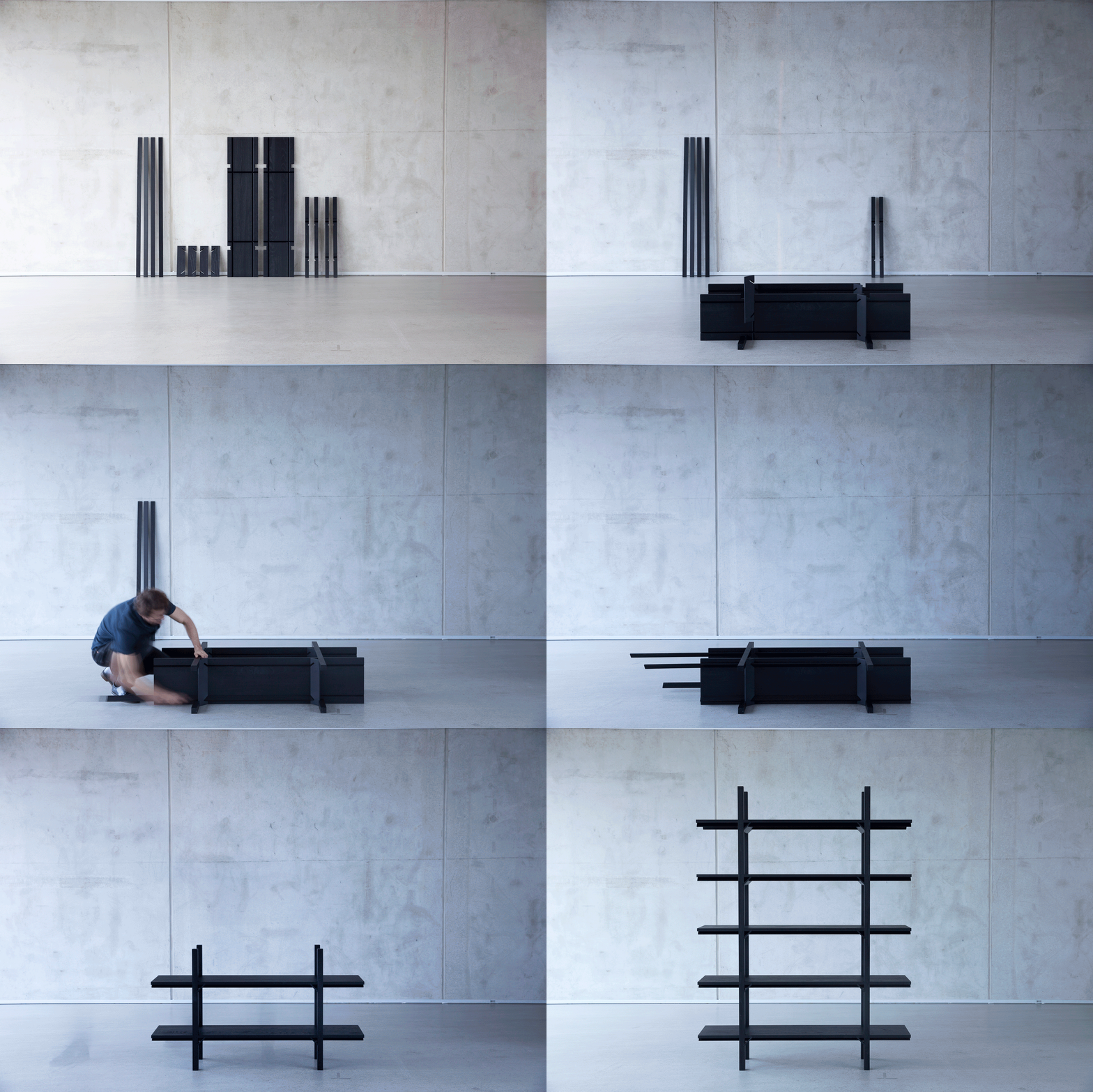
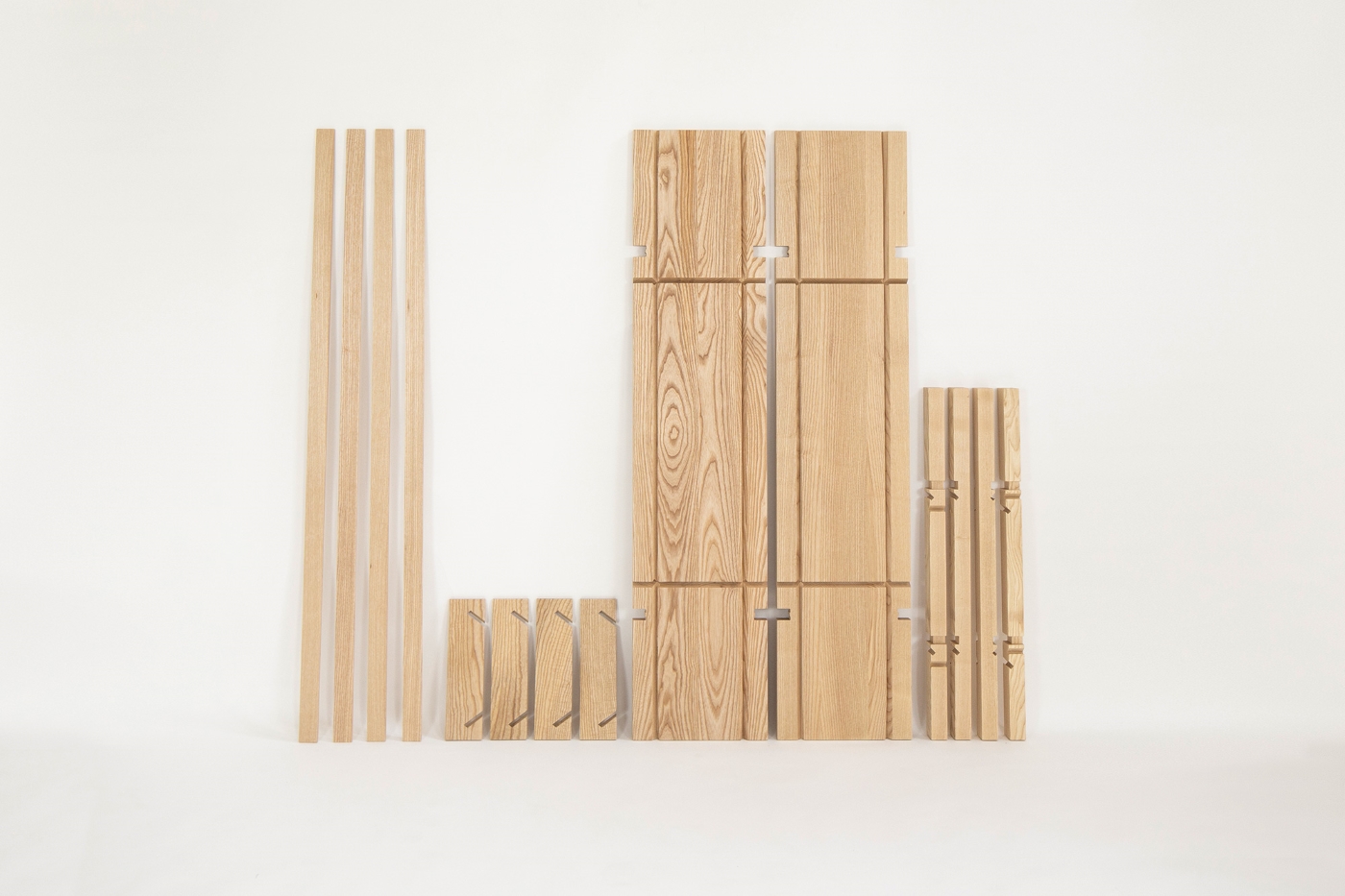
AKO’s collection of solid-wood furniture, assembled entirely through interlocking joinery, draws from the company’s commitment to sustainability and environmental awareness. Frustrated with plastic and mixed-material furniture, impossible to repair or recycle, Justin Allen, the co-founder of ALLEN KAUFMANN OBJECTS (AKO), created long-lasting furniture that can be assembled without screws, hardware, or any other tools.
Architecture at your hands
The design by AKO relies heavily on the architectural background of the designers. The collection democratises architecture by allowing people to own objects they can assemble and take apart by hand. The collection relies on material intelligence and solid wood structure. AKO uses digital tools and CNC technology for precision, repeatable geometry and predictable tolerances, but the logic behind the furniture is traditional – based on joinery and composition.
“Most people will never hire an architect or live in a building designed specifically for them. But a shelf, chair, table, or small object can bring architectural thinking into everyday life. AKO is about making architecture tangible, useful, and available at the scale of the hand.”
Justin Allen, co-founder of ALLEN KAUFMANN OBJECTS
DADO and Dovetail joinery systems
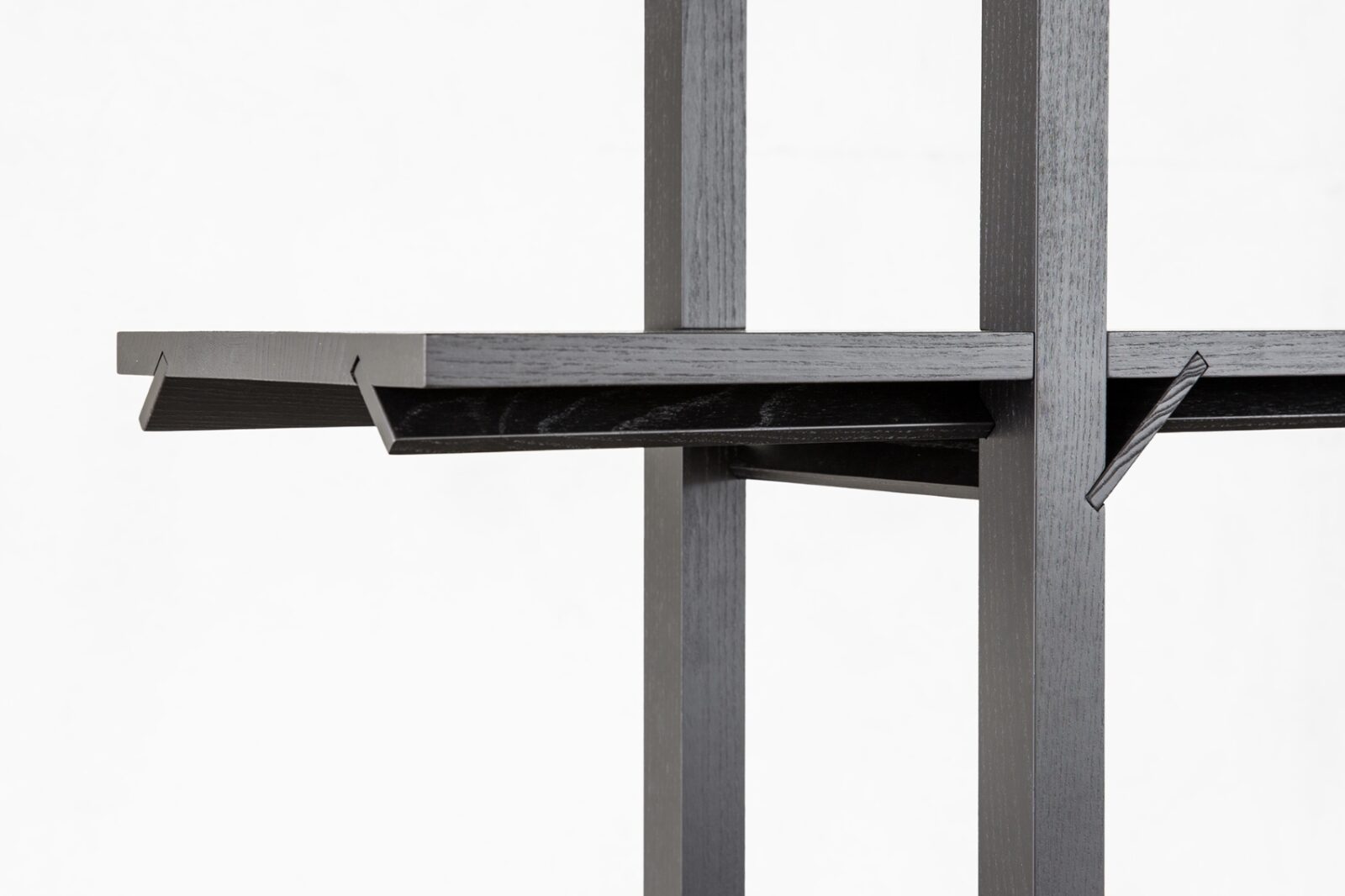
The wooden components are assembled through Dovetail and DADO joinery systems developed in Germany. Sliding Dovetails and the patented DADO locking feature create a strong bond between solid wood elements without hardware. Unlike screws, bolts, clips, staples, brackets and other quick fixes that disrupt the design, the joints represent both a construction method and a seamless element of the design.
The selection of wood as a renewable, low-toxicity material had its challenges, as every piece comes with grain, tensions and quirks. Joinery systems work together with wood and not against it. As a result, AKO furniture is easy to understand, structurally honest, and made from a natural material palette.
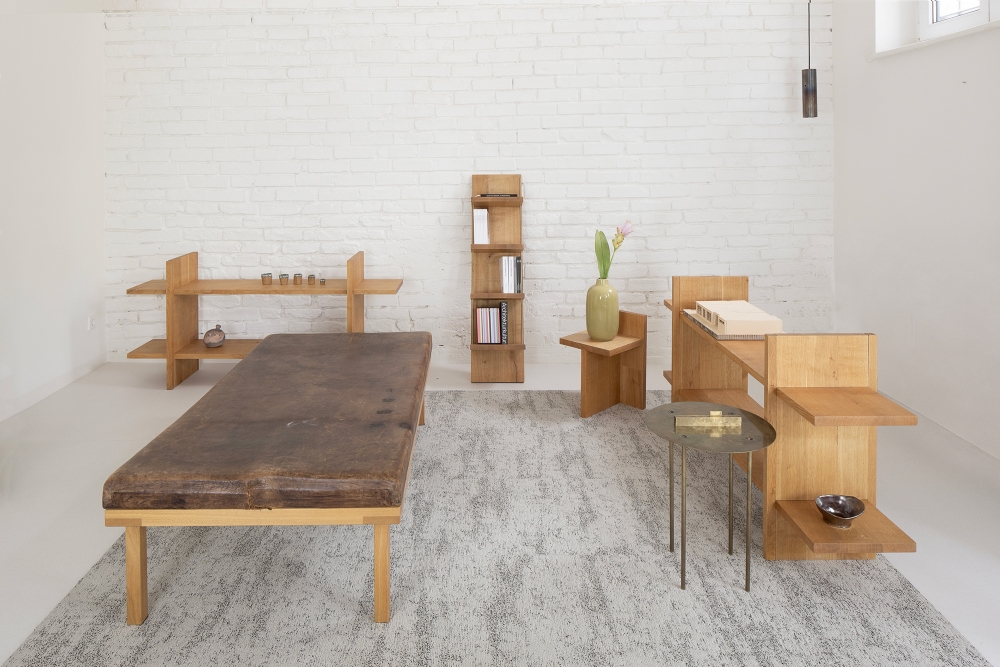
DADO and Dovetail shelves, tables, benches, stools and other objects
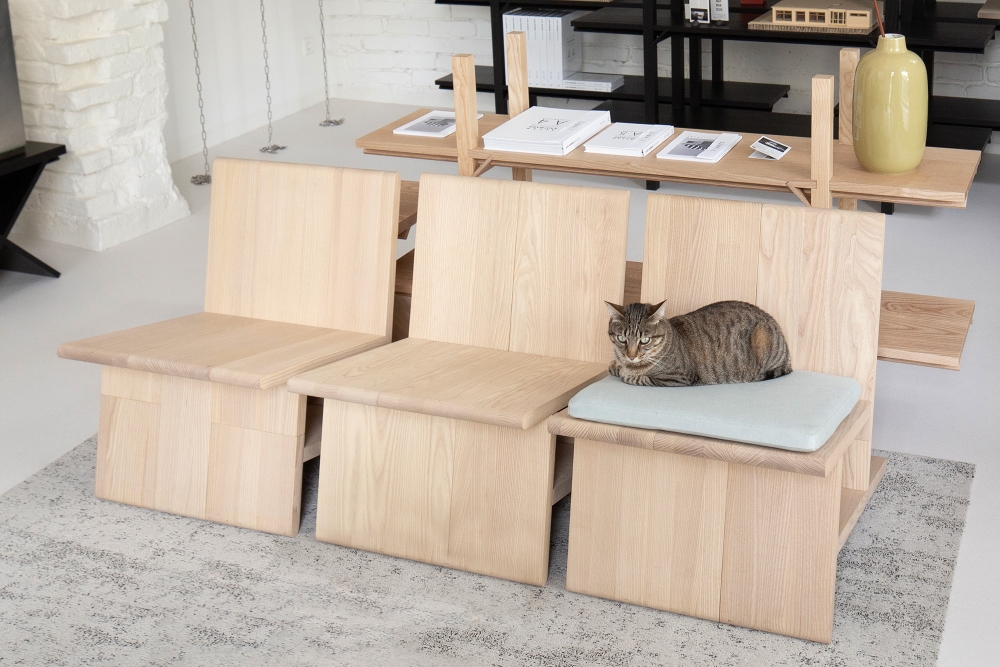
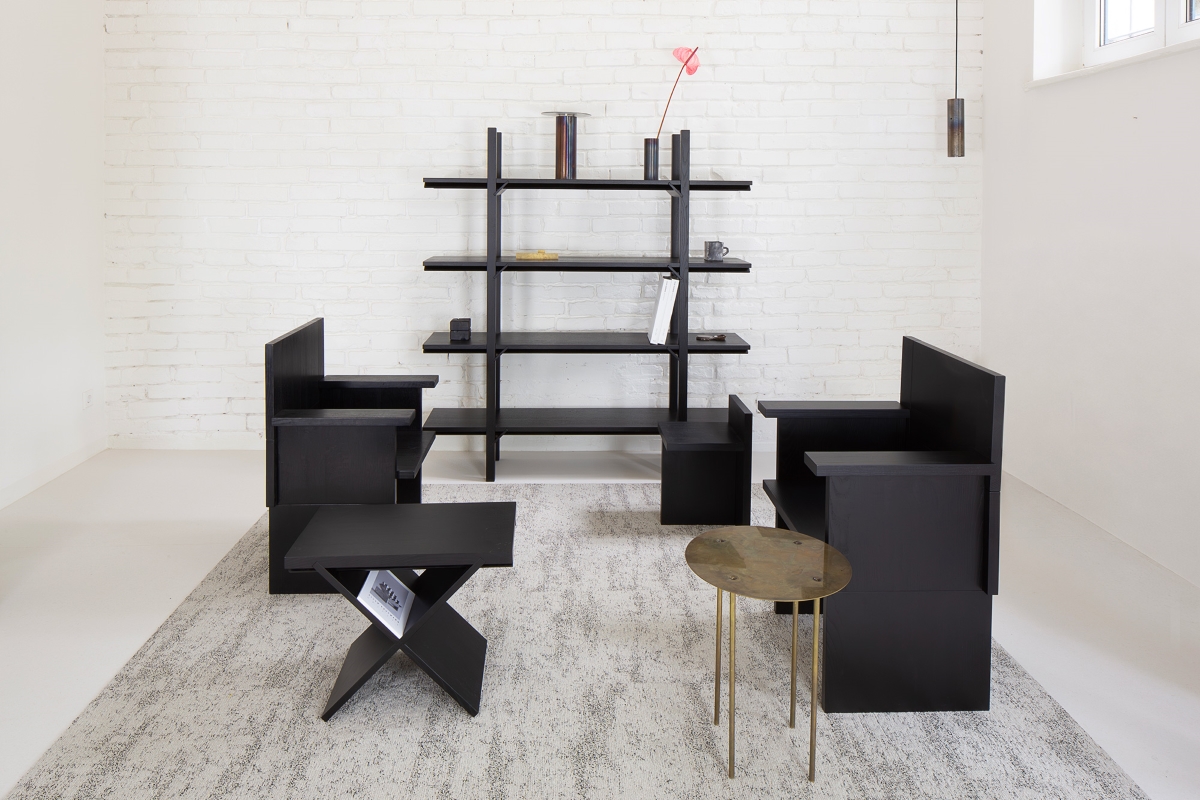
AKO’s new collection includes DADO X Table and shelving systems, Dovetail shelves, side tables, a lounge chair, benches, stools, and small objects such as books and puzzles. The DADO series is based on a German-developed wood system of joinery, while the Dovetail series uses geometry to create solid wood furniture. The collection was originally presented during the Berlin Design Week 2026.
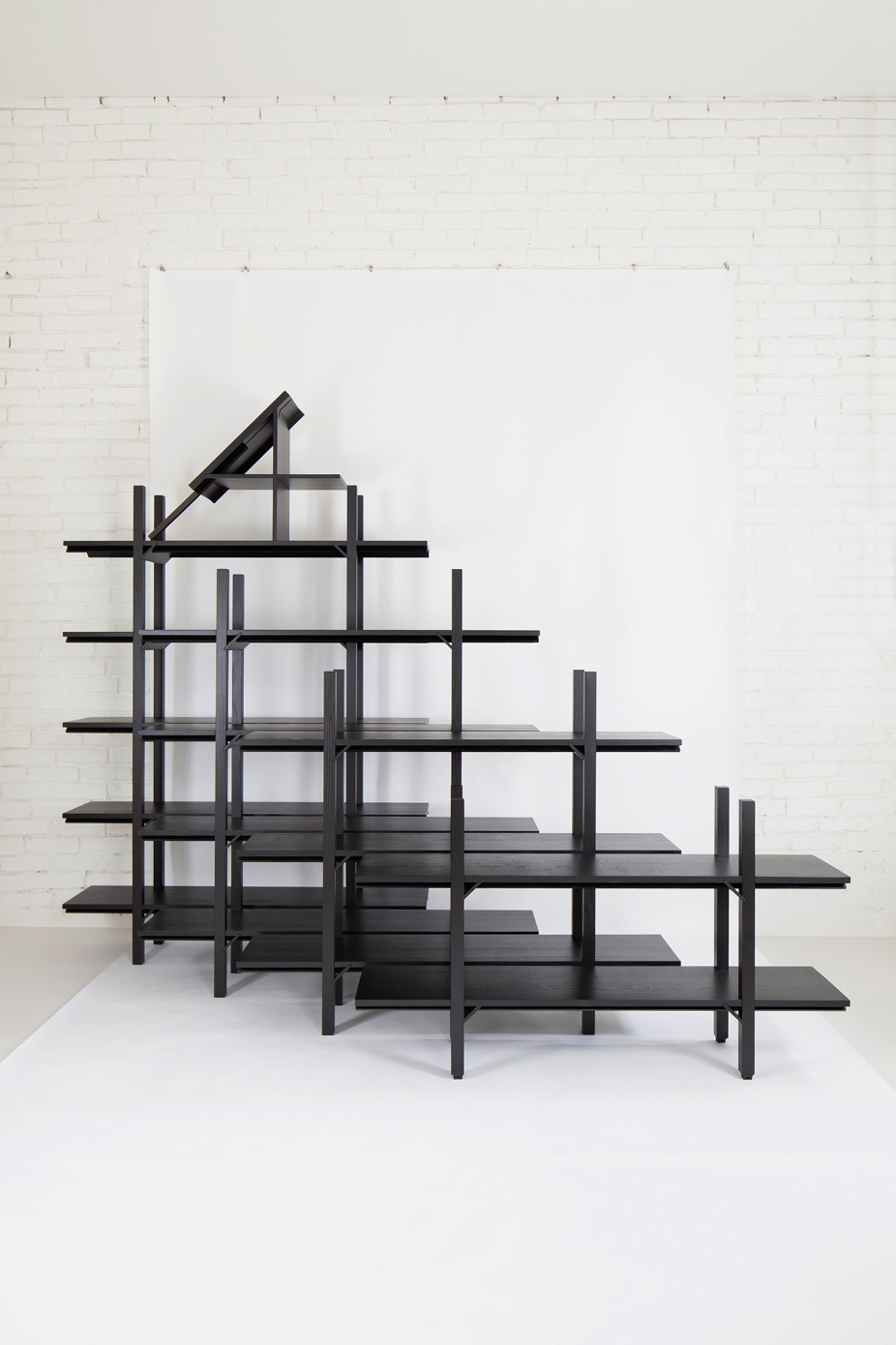
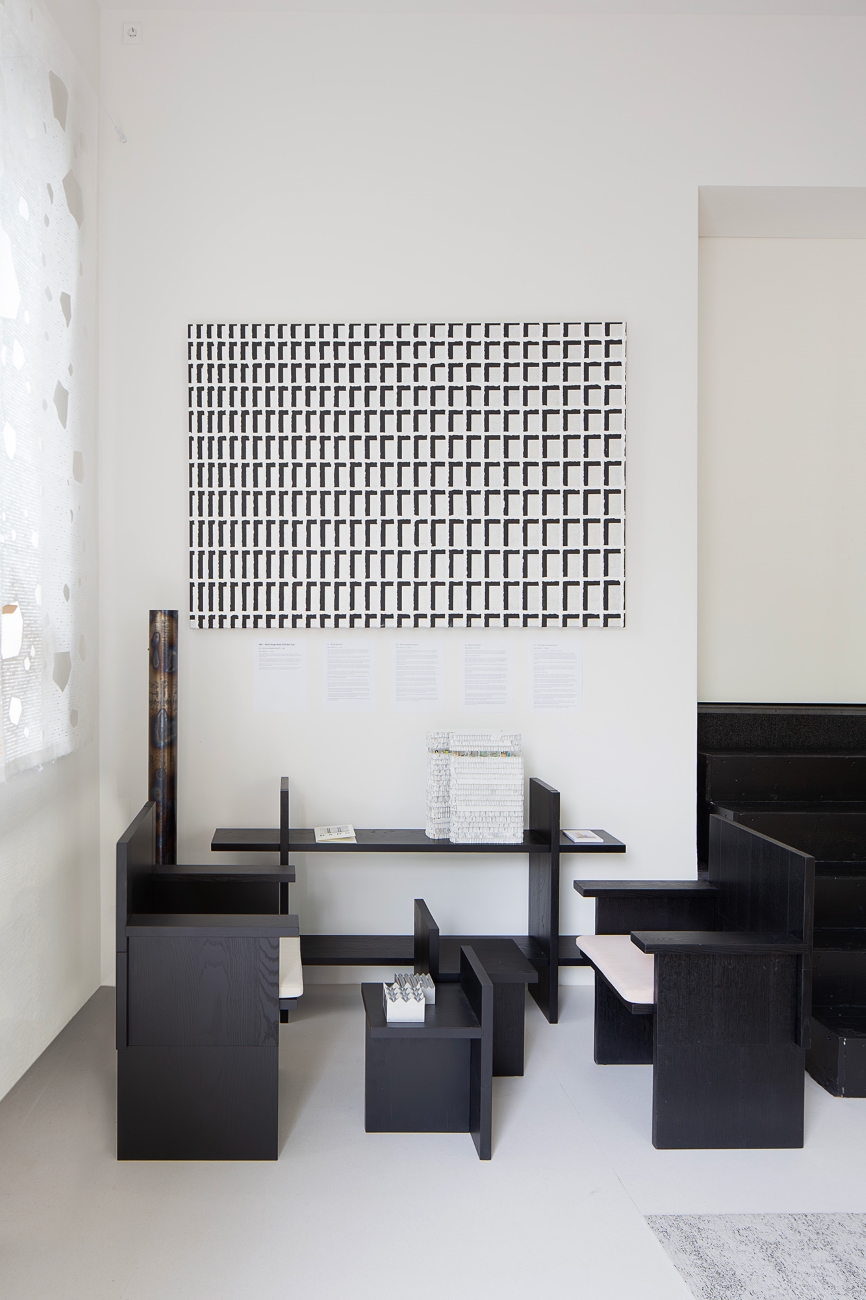
The presentation showcased works developed within ALLEN KAUFMANN ARCHITEKTEN since 2014 and marked the first public exhibition of its subbrand AKO as a dedicated object practice. The construction logic highlighted through the display consists of flat parts and interlocking joints alongside finished objects. During the presentation, visitors were encouraged to handle wooden parts and joinery samples and explore how joinery and hand assembly create structural rigidity.
Brass, steel and metal experiments
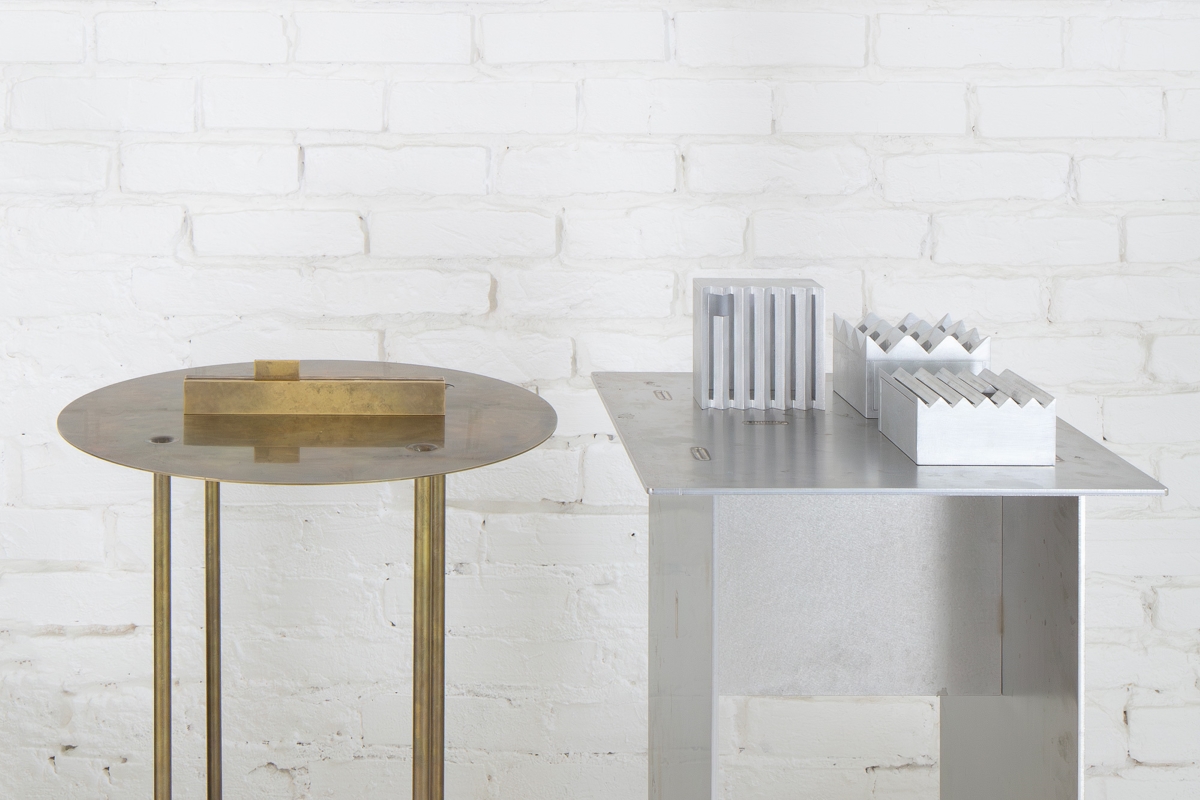
Apart from the furniture collection, the studio also showcases several material studies in brass, aluminium and heat-treated steel. Much like the furniture collection, these objects experiment with manufacturing processes and material behaviour, expanding the company’s approach to a wider material palette.
By reducing waste and making furniture that lasts, the practice aims to change the world already polluted by unsustainable manufacturing practices.