Header: Courtesy of Nicole Moyo
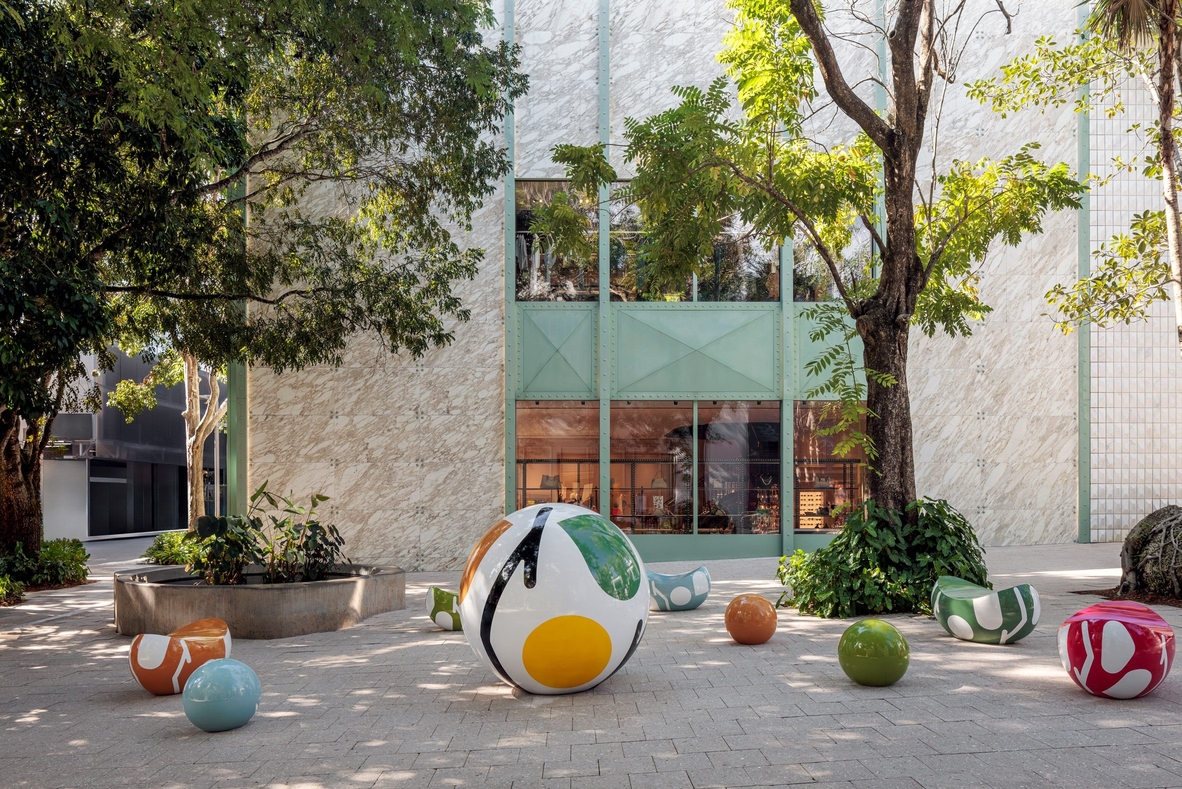
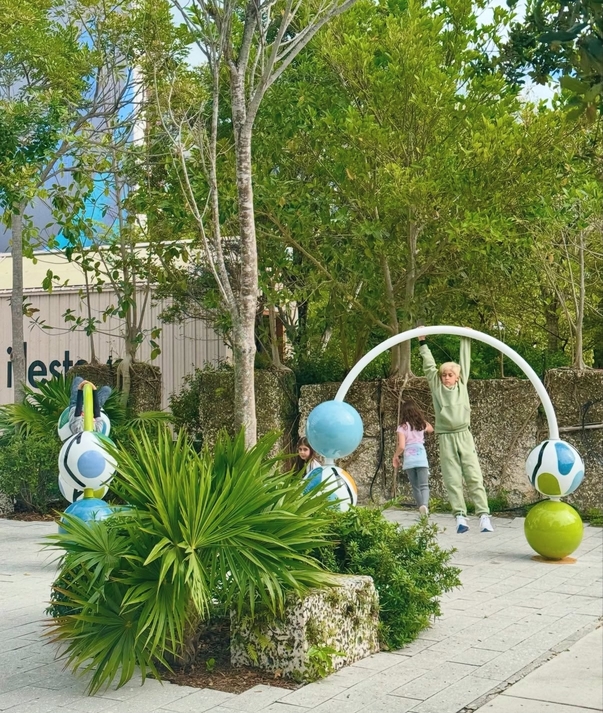
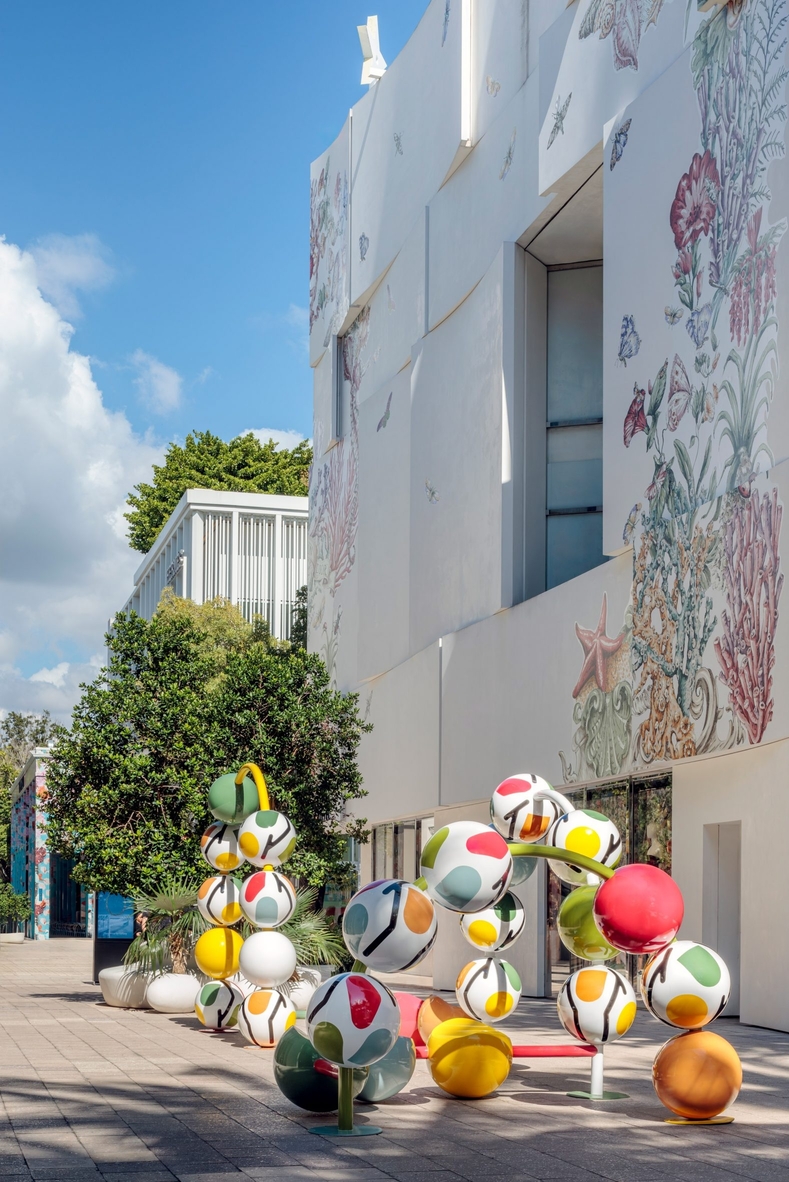
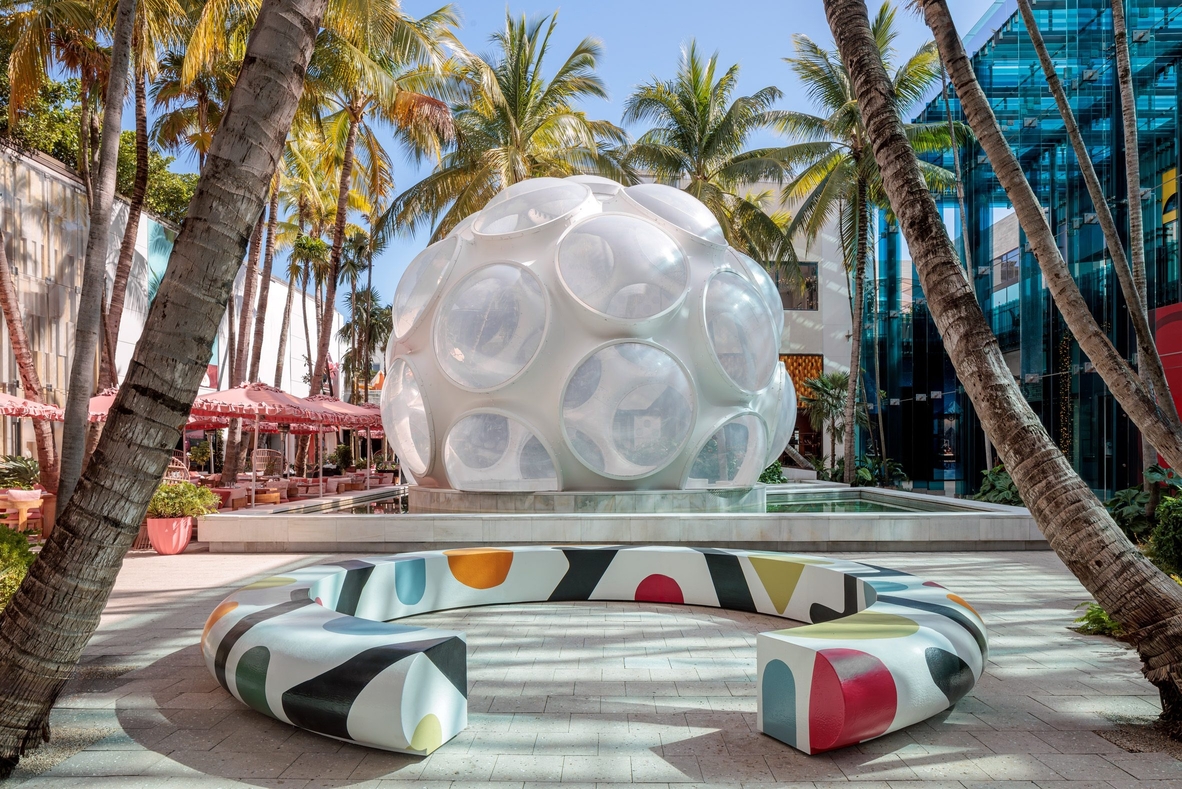
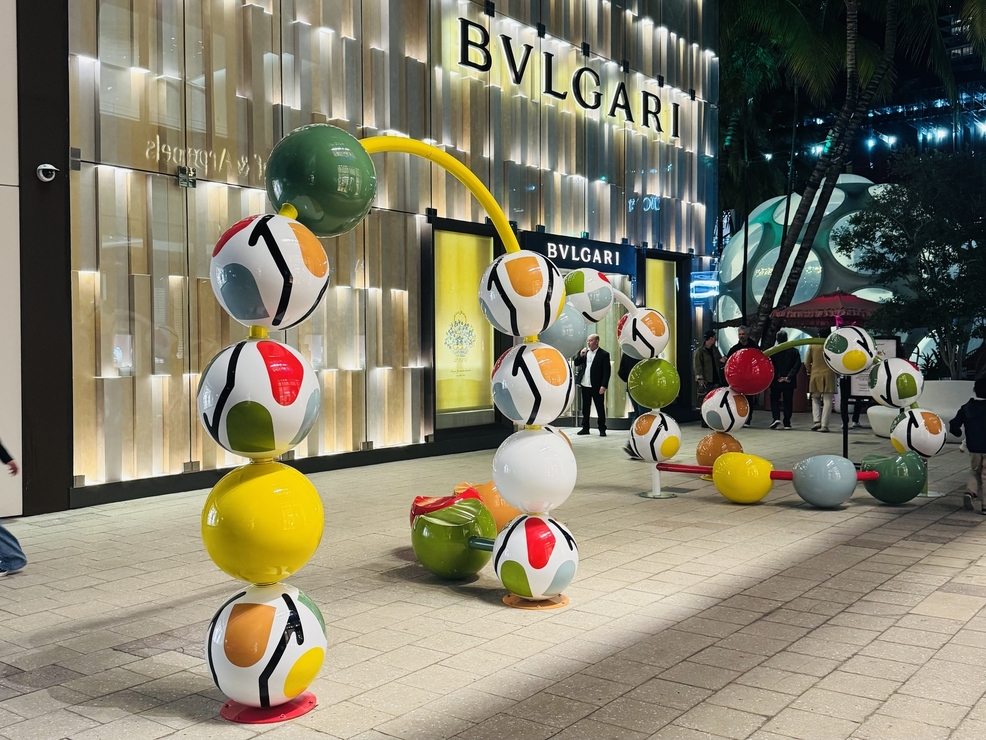
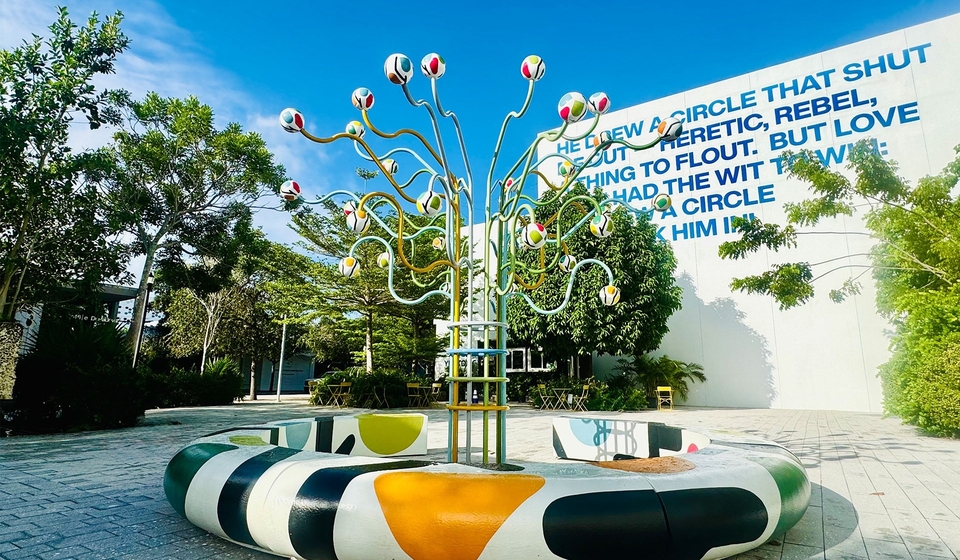
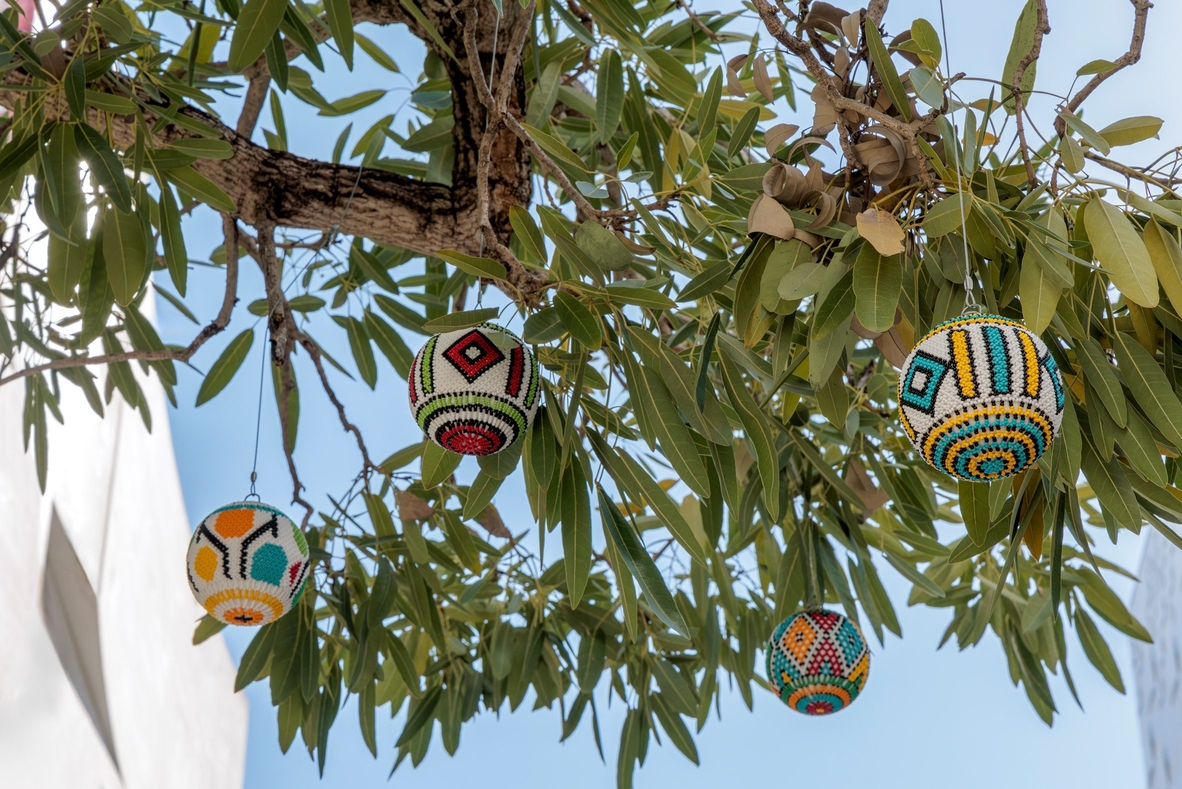
Public art has a unique power to change how we experience our everyday surroundings, turning pavements and squares into spaces for shared stories. Architect and designer Nicole Moyo is doing exactly that by taking the delicate, intimate art of Ndebele beadwork and scaling it up into a massive structural experience. Her latest project, Pearl Jam, transforms a corner of the Miami Design District into an open-air gallery where traditional earrings are reimagined as modular, floating forms. It is a work that challenges the boundaries between clothing, craft, and urban landscapes, inviting passersby to connect with heritage in a completely new way.
This ambitious project has already caught the attention of the industry, earning Moyo the title of Architectural Designer of the Year 2026 at the Africa International Design Awards (AIDA). In this exclusive interview, the polymath designer opens up about her deep roots in Ndebele culture, where women have historically acted as the primary architects of their communities. Moyo discusses how her global upbringing shaped her approach to space, the profound feeling of gaining top recognition from her home continent, and why the international design conversation needs to make more room for African voices.
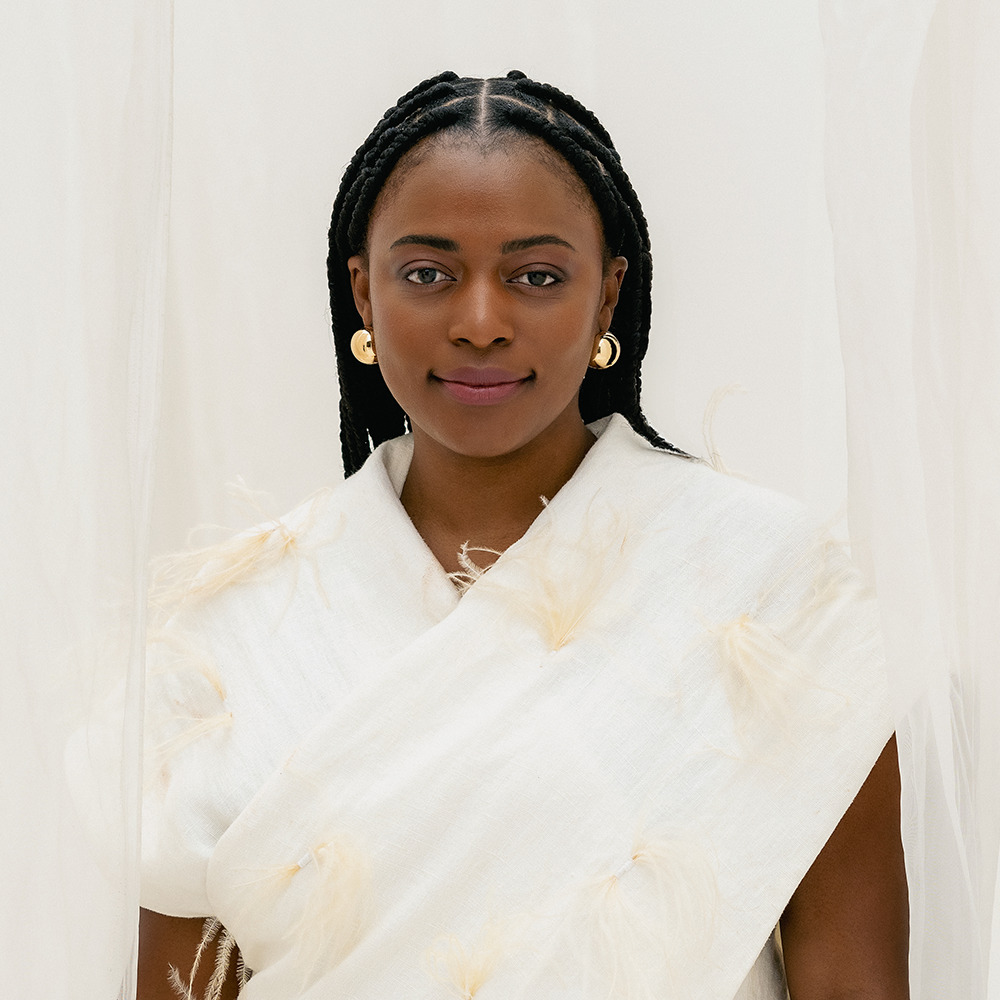
Your work moves between architecture, urban design, public art and cultural storytelling, so how would you describe the path that brought you to this style?
I would describe myself as a polymath. My work moves between architecture, urban design, public art, teaching, and cultural storytelling, but at the core of all these disciplines is a deep passion for placemaking. Whether I am reimagining a city or neighbourhood at an urban scale, designing a building, or creating a public art installation, I am ultimately interested in how people experience space and how design can create meaningful connections between people, culture, and place. To me, architecture is a form of public art. Buildings shape our daily lives, influence how we interact with one another, and contribute to the stories we tell about ourselves and our communities.
My path has been shaped by a lifelong curiosity and a desire to work across scales and disciplines. Growing up with a global upbringing rooted in African culture gave me an appreciation for the richness of identity, heritage, and storytelling. Over time, I realized that design could be a powerful vehicle for expressing those ideas. Whether through architecture, urban design, or projects like Pearl Jam, I see my work as an opportunity to create spaces and experiences that celebrate culture, inspire joy, and foster a sense of belonging.
What is unique and profound to me is that all of these disciplines are connected. They are simply different ways of exploring the same question: how can we create places that enrich people’s lives and leave a positive impact on the world around us?
Can you tell us about how you got introduced to Ndebele beading and jewellery, and how it ended up being a crucial part of Pearl Jam?
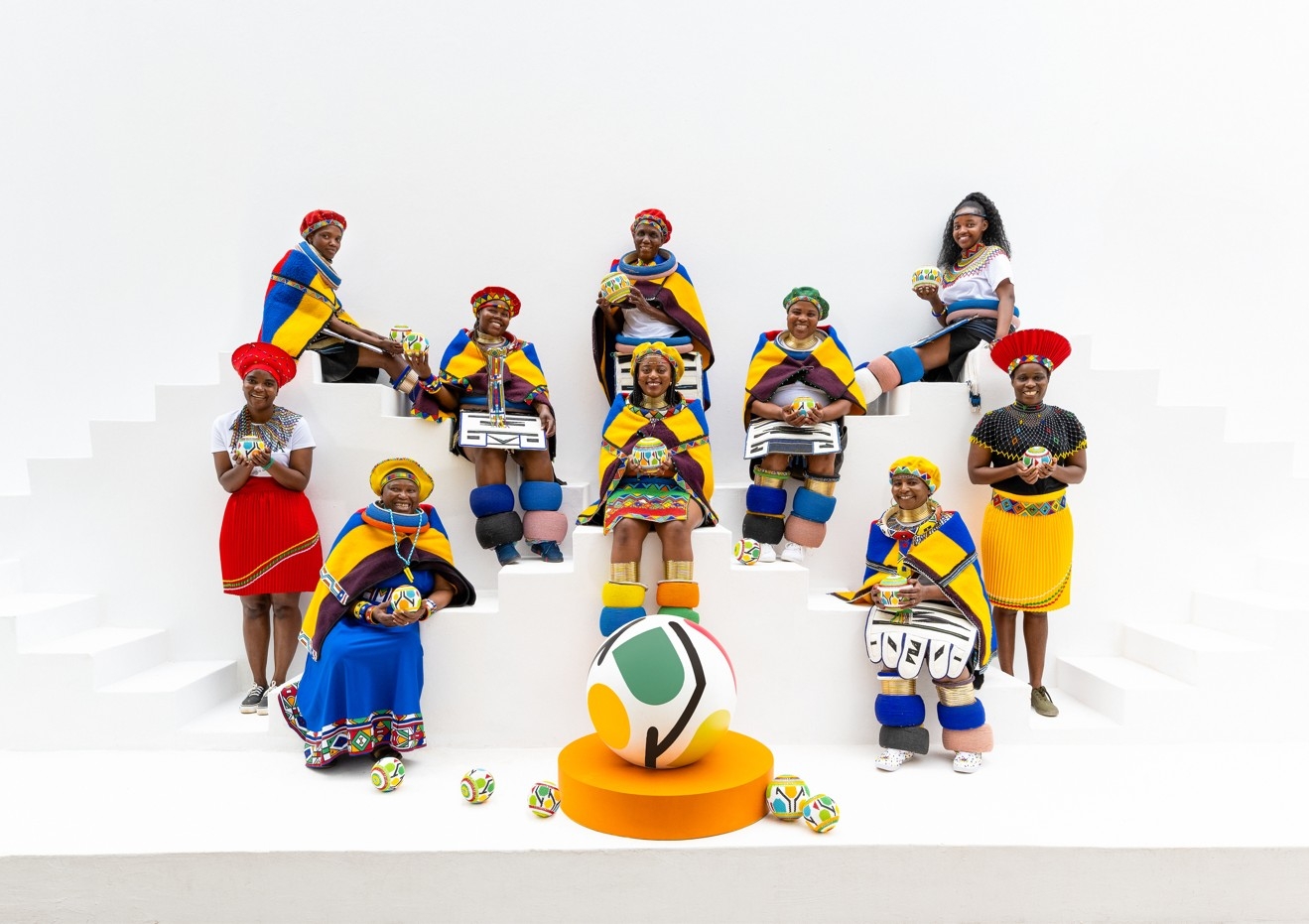
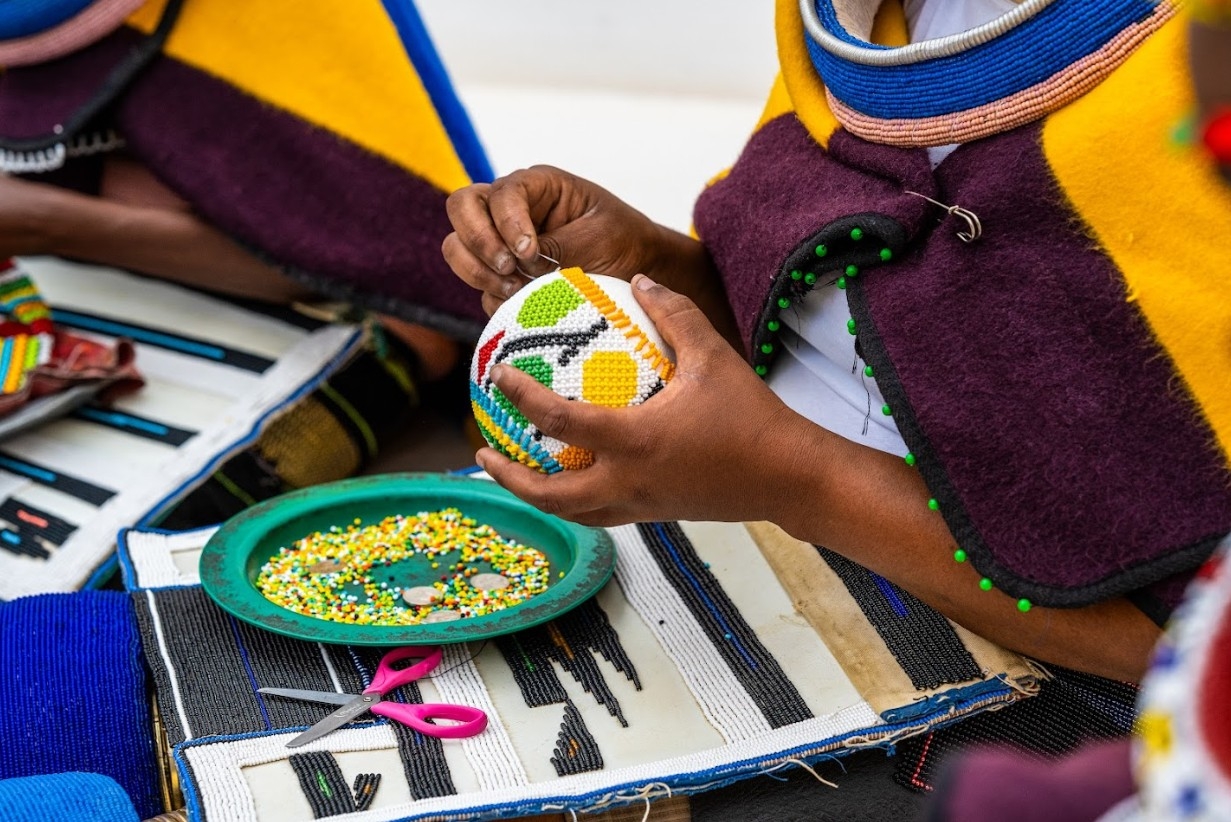
Ndebele culture is my paternal cultural heritage, so in many ways, my connection to it has always been personal. Historically, Ndebele women were the architects of our communities. They built our homes, maintained them, and adorned them with the beautiful geometric paintings that have become synonymous with Ndebele identity. Architecture, art, and cultural expression were deeply intertwined. Today, we see less of this architectural tradition being practiced in everyday life, but the culture continues to be expressed through ceremony, clothing, adornment, and beadwork. Ndebele jewellery carries stories, identity, and craftsmanship that have been passed down through generations of women.
As an architect and designer, I was fascinated by the relationship between these different forms of expression. I began to see parallels between the way Ndebele women used architecture to communicate identity and the way they use jewellery and beadwork today. Pearl Jam emerged from that realization. I wanted to create a project that honored this lineage of female makers while exploring how cultural expression can evolve across scales—from a beaded pearl worn on the body to a large-scale public artwork experienced by an entire community.
The beading became a crucial part of Pearl Jam because it represents both heritage and continuity. The project brings together traditional craftsmanship and contemporary design, creating a dialogue between past and future, between ornament and architecture, and between individual expression and collective cultural memory.
What was the intention behind bringing Pearl Jam to life, and what kind of response did you hope it would create in people who encountered it?
The intention behind Pearl Jam was to create a joyful and accessible celebration of culture. I believe that many cultural elements are far more universal than they are divisive or polarized, and I wanted people from all backgrounds to feel a connection to the African continent through the work.
My hope was that people would engage with the piece with a sense of curiosity, wonder, and playfulness, while also recognizing the beauty of the stories, craftsmanship, and traditions that inspired it.
What does it mean for you to receive AIDA Awards recognition for a project so drenched in African craft, memory and identity?
It’s such a blessing! There is something especially meaningful about being recognized at home, by your own continent and peers, for work that is rooted in African culture, memory, and identity.
This recognition gives me the confidence to continue creating, exploring, and sharing the richness of our cultures with international audiences. It reinforces my belief that our stories, traditions, and ways of making have global relevance and deserve to be celebrated on the world stage. For me, the award is not just a recognition of Pearl Jam, but an encouragement to keep building bridges between culture, design, and contemporary public life.
Why do you think a platform like AIDA Awards is important now for design in Africa and for African designers?
I think a platform like AIDA Awards is incredibly important because it is intentional about celebrating and elevating African design on its own terms. I have attended many international awards and exhibitions where I rarely see work that reflects our cultures, our perspectives, or the incredible talent that exists across the continent. AIDA creates a space where African designers can be seen, recognized, and valued, while also connecting us to one another. It allows us to discover what our peers are creating, learn from each other, and be inspired by the diversity of ideas emerging from different regions of Africa. As the continent continues to grow as a creative force, platforms like AIDA help build visibility, confidence, and opportunities for designers, while ensuring that African voices are contributing to and shaping the global design conversation.
As you continue to explore cultures, cities and human-centred design, what kind of future are you hoping to build through your work?
As I continue to explore cultures, cities, and human-centred design, I’m focused on building futures that feel more connected, inclusive, and grounded in lived experience.
At the core of my work is a belief that design is a way of preserving who we are while also reimagining who we can become. While I may not know exactly what the future holds, I am excited by the process of continuing to discover myself through this work and through the cities and cultures I engage with.
I also hope to see art and design expressed across all socioeconomic communities so that this sense of creativity, identity, and magic has a more universal footprint that is not limited by place or privilege but felt everywhere. Ultimately I want to contribute to spaces that are more humane, expressive, and alive where people can see themselves reflected in the environments they inhabit.