




Header: Courtesy of FIT Awards
The latest FIT Sport Design Awards have just named their 2026 winners, and the results show a major shift in how sports gear is made. For its fourth year, this global competition brought together designers, major brands and students to prove that high-performance gear does not have to come at the expense of the planet. Instead, the top prizes went to creators who put environmental responsibility right at the heart of their design process.
A frisbee grown from bacteria
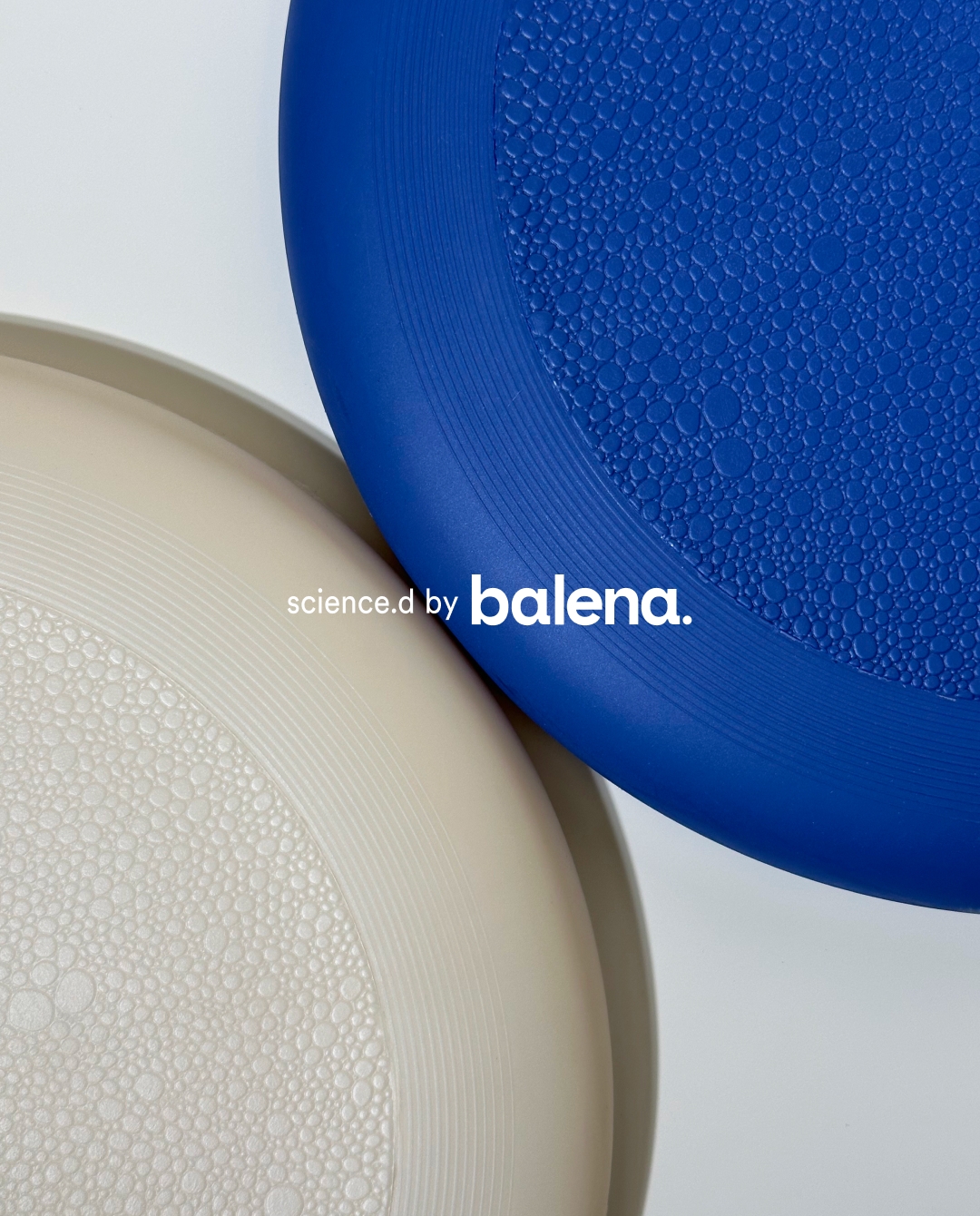
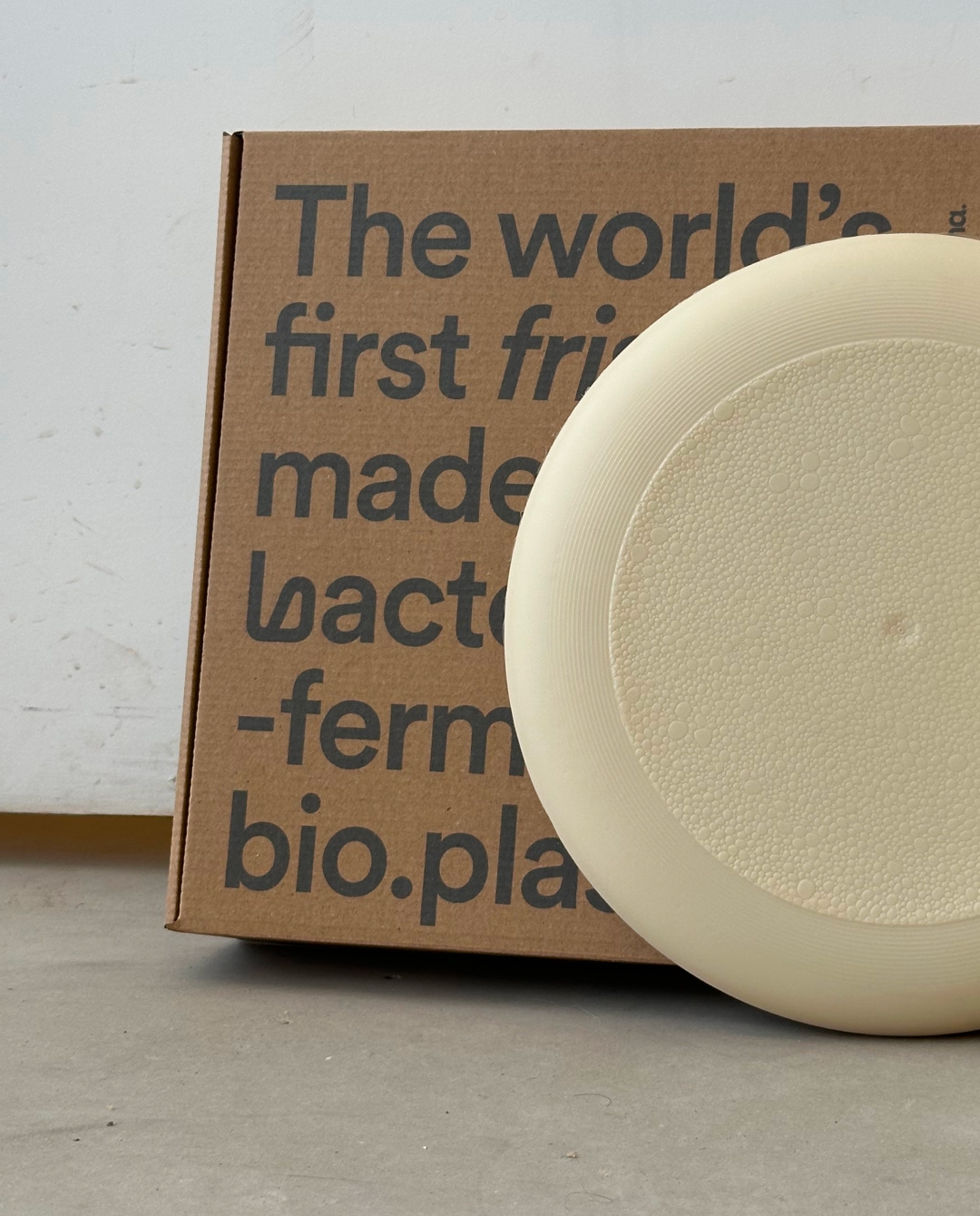
The Sport Gear Design of the Year went to an unusual partnership between Decathlon Pulse Lab and the material science company Balena. Together, they created a flying disc made from bacteria-fermented bioplastics.
The secret to the disc is a material called BioCir® X. This is a new type of plastic made by feeding renewable materials to microbes. It gives the frisbee the exact aerodynamic stability, tough structure and reliable grip that players need for a proper game.
The real breakthrough, however, is what happens when the disc is thrown away. It degrades completely in compost, soil and ocean water. On top of that, the material works perfectly with standard factory injection-moulding machines, meaning brands can switch away from oil-based plastics immediately without rebuilding their production lines.

The sneaker built without glue
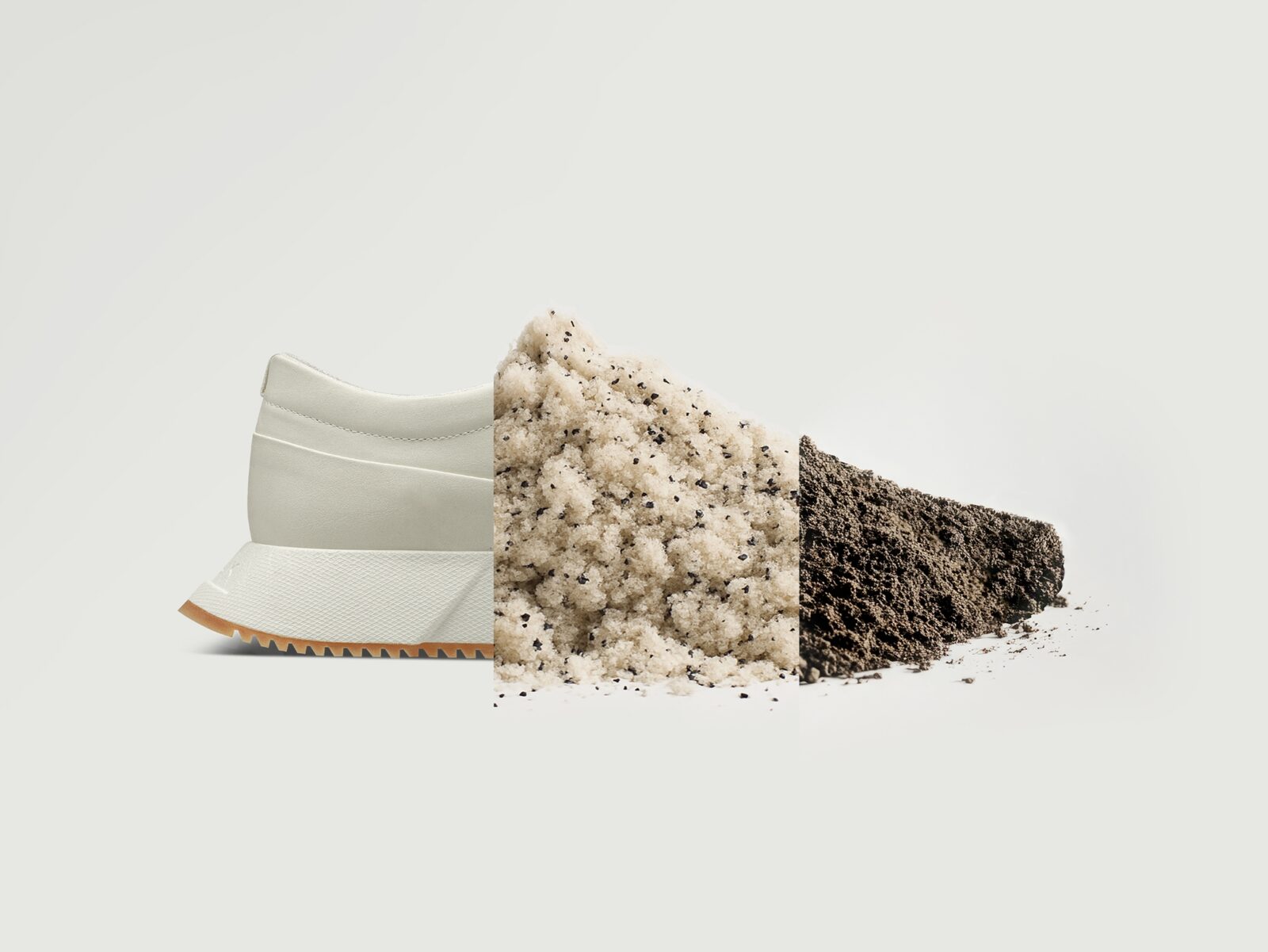
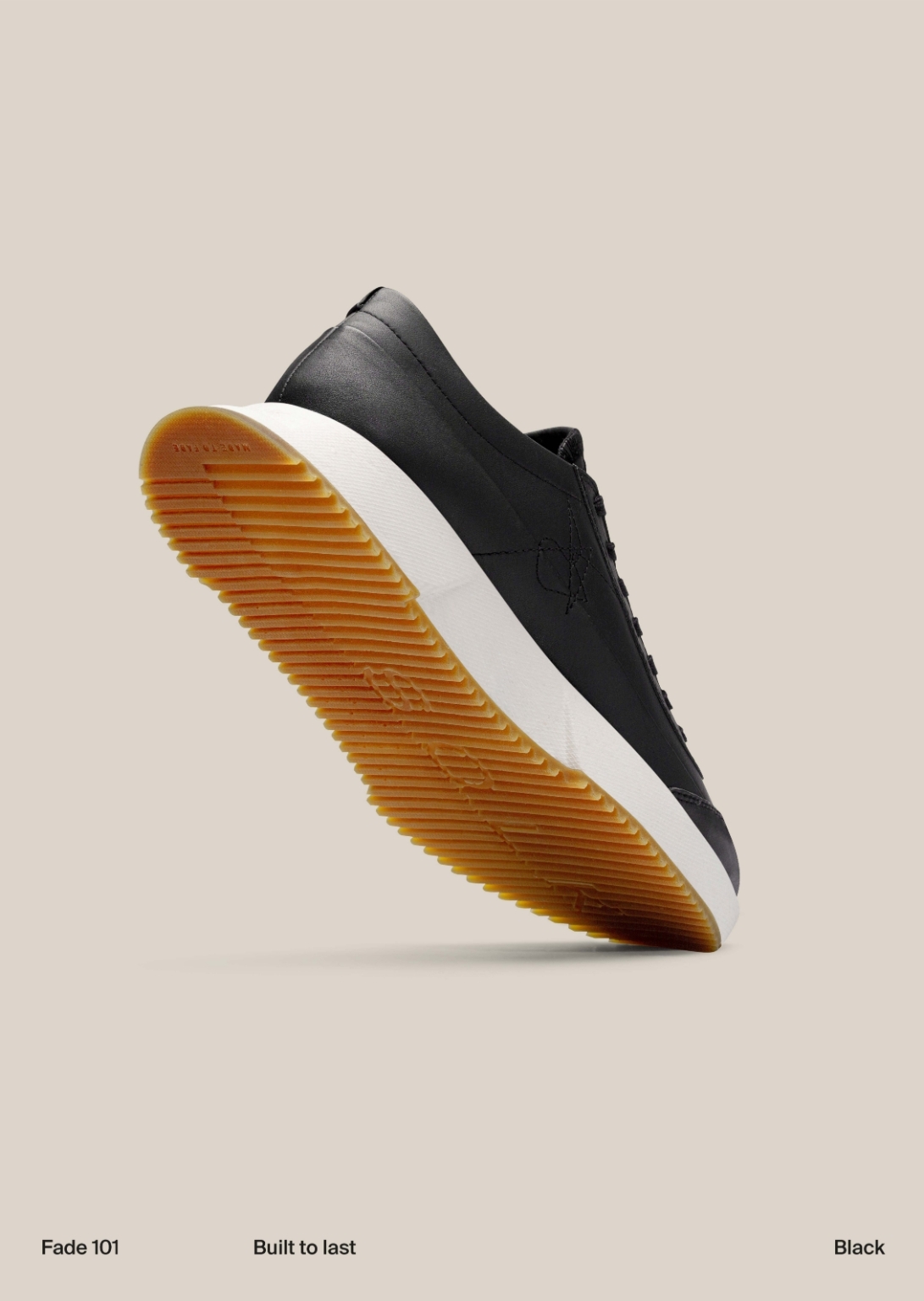
Taking home the Sport Apparel Design of the Year was Fade 101, a shoe created by David Solk for Solk AG. The design has already gained massive traction, also picking up Footwear Brand of the Year at the Global Footwear Awards.
Solk focused entirely on the end of the shoe’s life. Most trainers are nearly impossible to recycle because they are glued together, but the Fade 101 uses a mechanical construction that is completely free of adhesives.
The shoe uses chrome-free leather, laces made from TENCEL™, a bio-based knit lining, compostable foam and natural rubber. Because there is no glue holding the pieces together, the upper can be separated easily. Customers can send the worn-out sneakers back through a dedicated return scheme to a specialised composting facility in Europe.

A wooden balance bike designed to dissolve
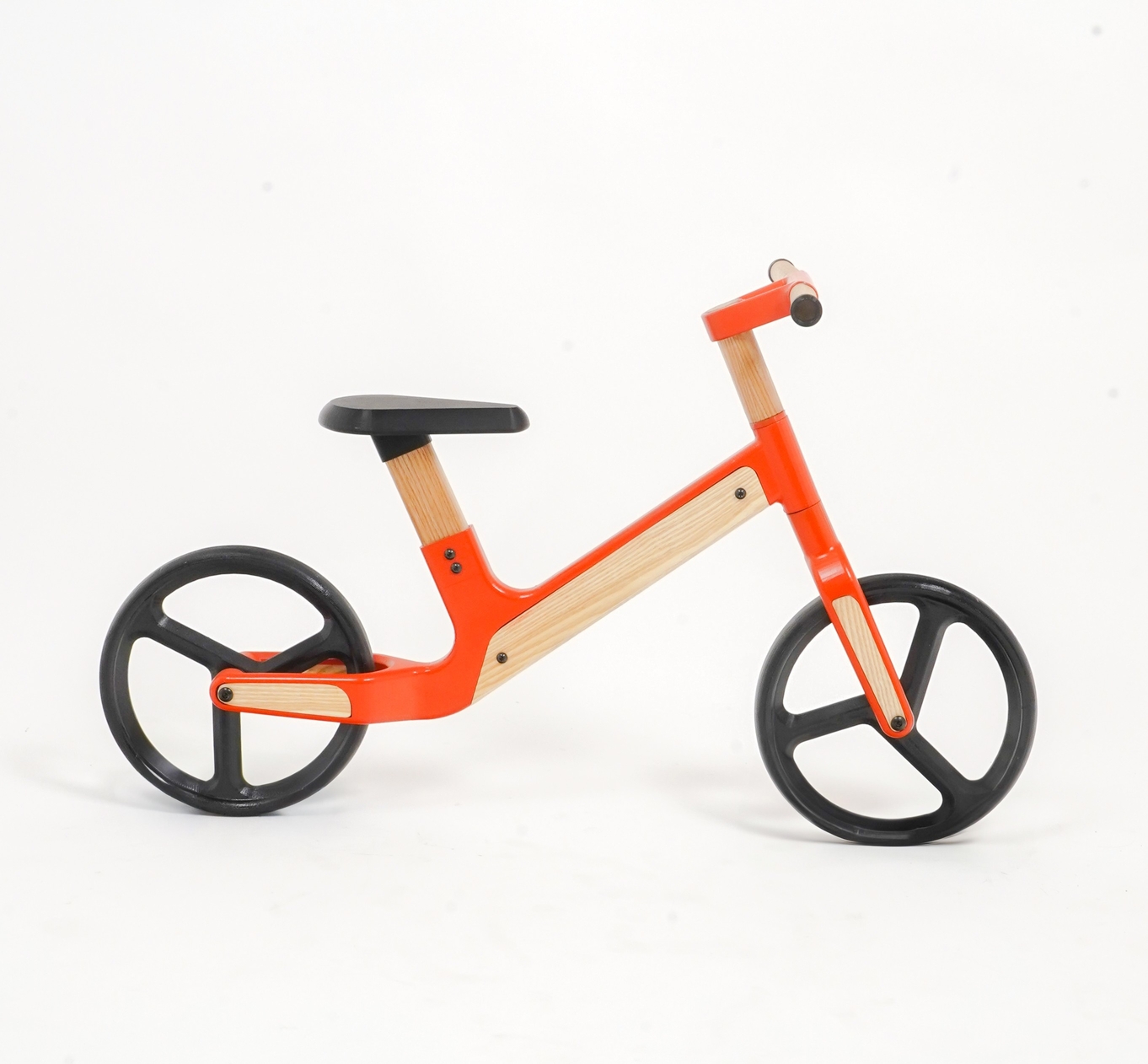
In the student categories, Alon Shamir from the Shenkar College of Engineering, Design and Art won Emerging Sport Gear Designer of the Year for a children’s balance bike called Lilt. Built for toddlers aged two to five, the bike uses a clever mix of materials to stay strong and lightweight.
A solid oak frame handles the main weight and stress of the rider, while high-density polyethylene (HDPE) components are used for the moving parts that need to be exact. Shamir joined everything together using standard metal fasteners instead of glue or layered composites. This means parents can unscrew the entire bike when the child grows out of it, sorting the wood, metal and plastic into separate recycling bins.
High-tech concussion checks on the sidelines
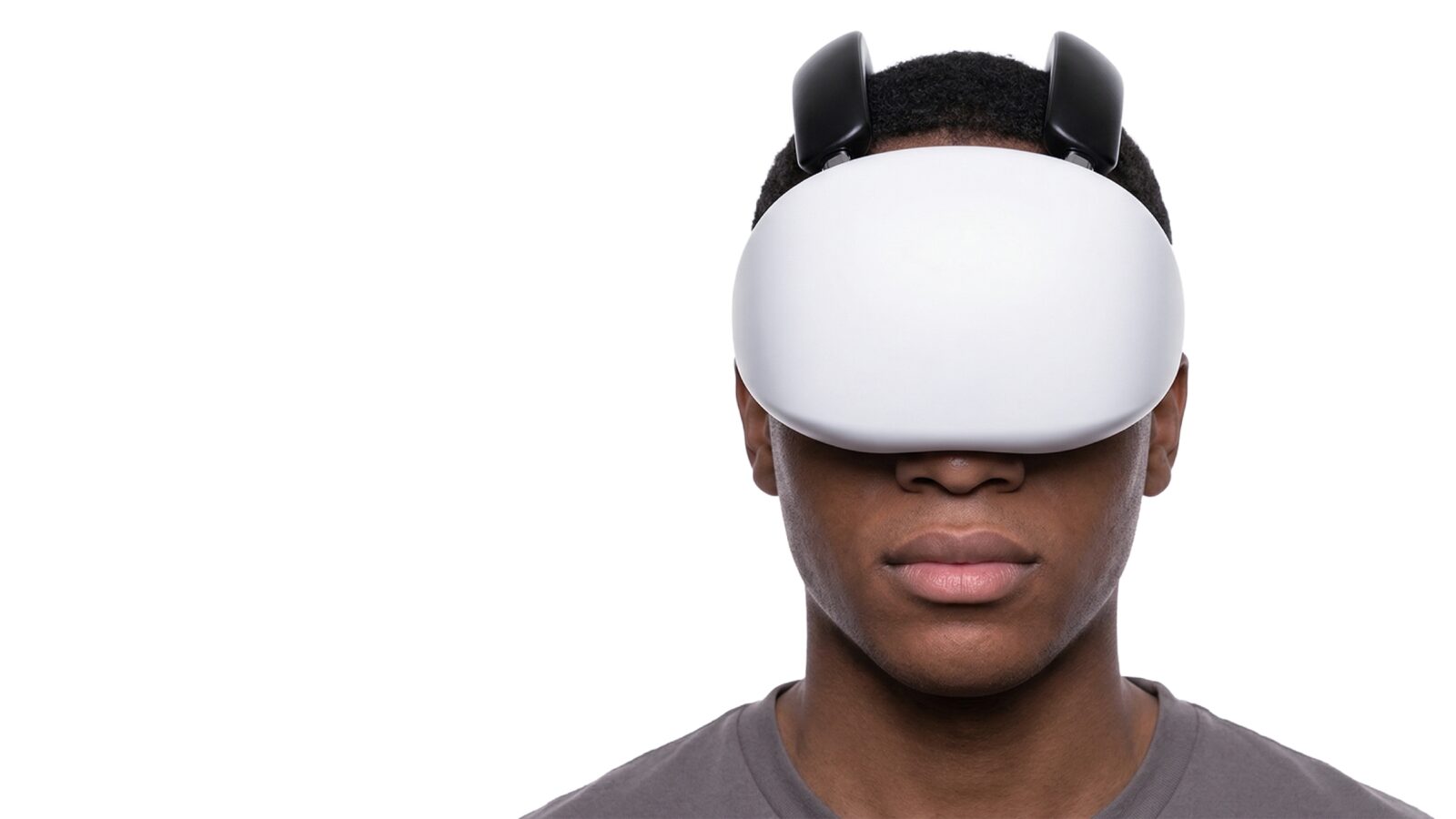
Mohammadmehdi Mortazavi from the University of Houston was named Emerging Sportswear Designer of the Year for a medical headset called SynTec. The device tackles a massive issue in youth sports, where tens of thousands of high school American football players suffer concussions every year, with half of those injuries going unnoticed.
SynTec is a wearable headset that coaches can use right on the sidelines. It features five dry-contact sensors that track brain activity, alongside built-in screens and cameras that watch the player’s eye movements. The entire test takes just fifteen minutes and does not require a hospital clinic. It sends the results straight to a phone app, giving coaches and parents immediate data to decide if a player needs to sit out. The design was also recognised as a finalist at the 2026 IDSA Merit Awards.
A new direction for sports engineering
The shift towards greener materials and smarter tech was echoed by the leadership behind the event. Astrid Hébert, Co-Founder and Director of the 3C Awards, said:
“This fourth edition has made one thing clear: the future of sport design is responsible design. The winners this year aren’t just pushing the boundaries of performance — they’re rethinking what materials, systems, and end-of-life responsibility mean for our industry. That ambition, combined with the extraordinary student talent we’re seeing, is exactly what FIT Awards aim to celebrate.”
To choose the winners, entries were evaluated by a panel of leading practitioners from across the sport and performance design world. The jury included Hussain Almossawi, Founder and Creative Director of Mossawi Studios; Joanna Czutkowna, CEO of 5THREAD (England); Jordan Peng, Creative Director and Design Consultant at Unknown Spaces (Spain); Susan Sokolowski, Professor and Founding Director of Sports Product Design at the University of Oregon; and Noreen Naroo Pucci, Chief Product Officer at Merrell.
The wider judging panel also brought together prominent voices from major global brands, including POC, Arc’teryx, Gymshark, On-Running and Scott Sports, providing a breadth of expertise that reflects the scope and ambition of the awards programme itself.
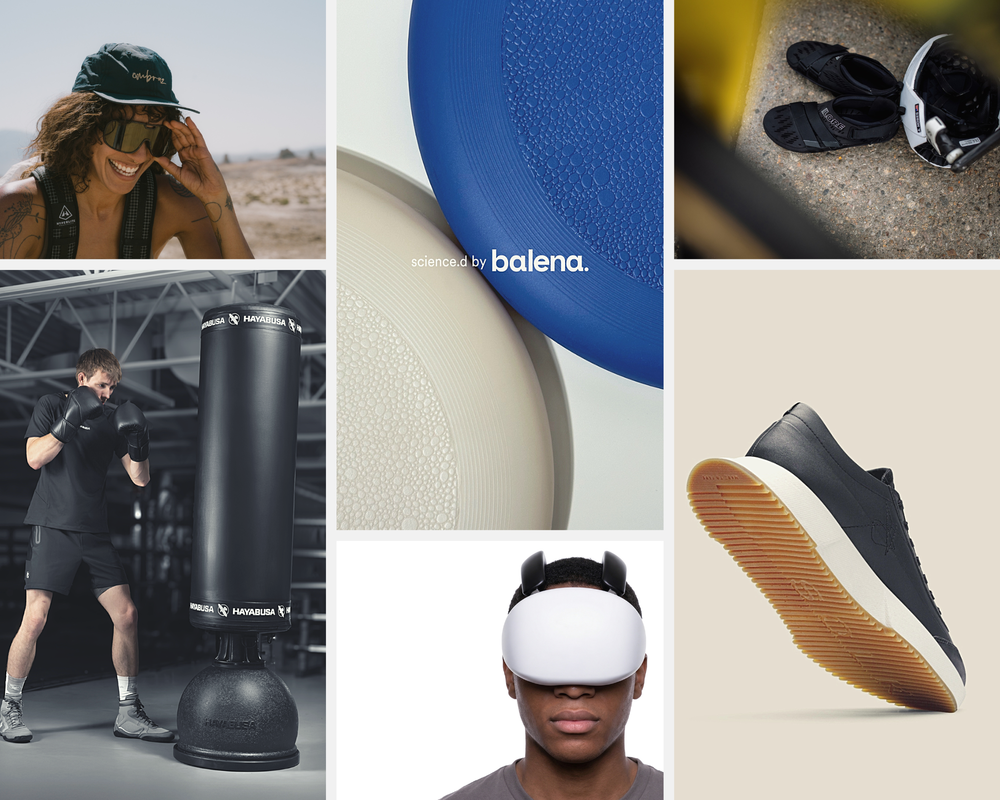
The 2026 FIT Sport Design Awards have just proved that the sports industry is moving past the era of disposable plastic gear. By using bacteria-grown materials, glue-free assembly, modular wooden frames and portable diagnostic tech, this year’s winners show that products can be smart, safe and truly circular. The full gallery of winning designs can now be viewed on the official FIT Sport Design Awards website.


