Header: “Textile Art in Guatemala: Design and Identity” at MDF26
Madrid Design Festival, the major international design gathering in Madrid, celebrates each year the role of design as a cultural, social and economic tool, connecting creativity, industry and citizens. This year, the team at La Fábrica has unveiled its three central exhibitions, which will be on view from 6 February to 3 May at the Fernán Gómez Centro Cultural de la Villa: “André Ricard. Design in Use”, “Mediterranean Manifesto” and “Textile Art in Guatemala: Design and Identity”.
A broad perspective on the role of design
Together, the three exhibitions present design as a cultural, social and ethical tool capable of connecting past, present and future. From the relevance of industrial design and its impact on everyday life, through reflections on territory, materiality and sustainability, to the affirmation of design as an expression of cultural identity and living heritage, the exhibition programme of Madrid Design Festival 2026 shows the festival’s commitment to responsible, diverse design rooted in people and the contexts that generate it.
The Director of Madrid Design Festival, Álvaro Matías, explained the importance of the three exhibitions as a way of highlighting the value of design as a tool for transcendence, impact, economy and responsibility. For Matías, the exhibition dedicated to André Ricard “highlights the significance of one of the pioneers of industrial design in [Spain]”, the space dedicated to Guatemala, the guest country of this edition, offers “a great opportunity to discover its craftsmanship and cultural identity“, and Mediterranean Manifesto invites guests to “navigate the boundaries between product design and art through a collective exhibition that brings together some of the country’s most outstanding creators“.
André Ricard. Design in Use
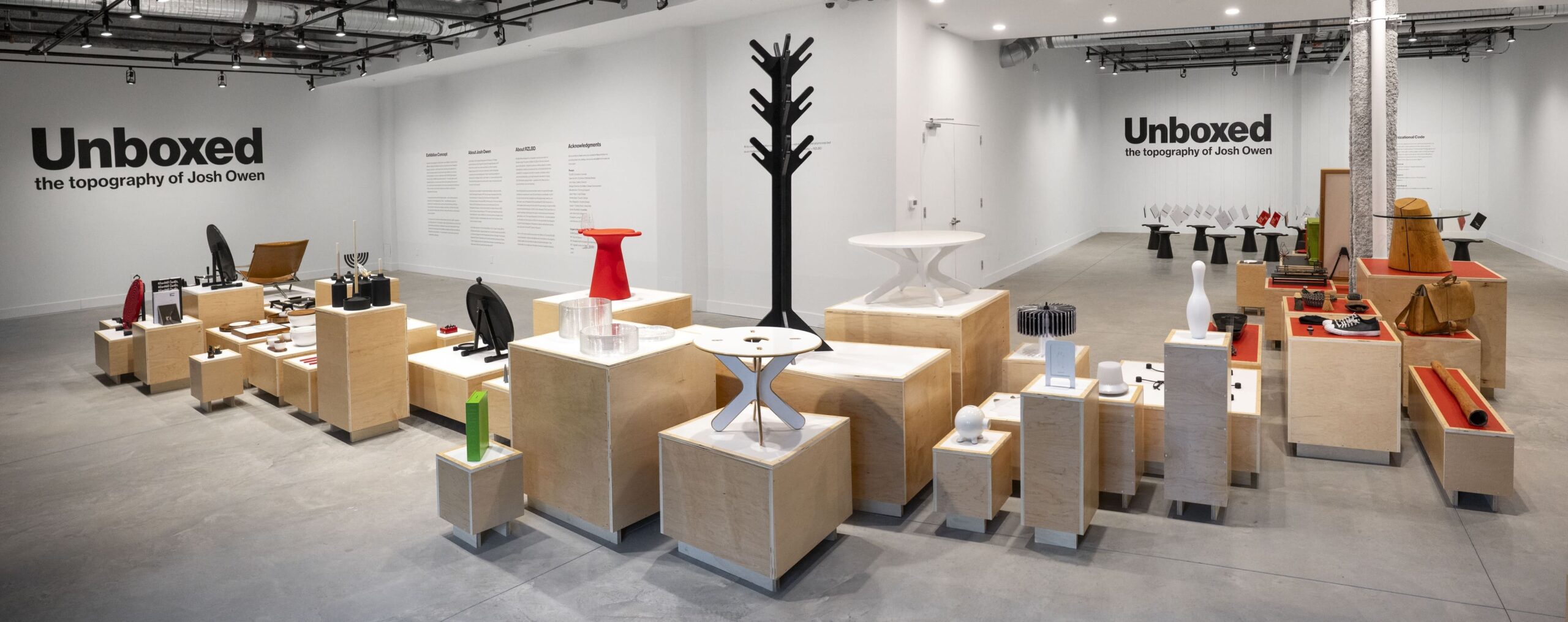
“André Ricard. Design in Use” is a major retrospective dedicated to one of the key pioneers of industrial design in Spain. Curated by Marina Povedano and Arnau Pascual and produced by La Fábrica and Disseny Hub Barcelona, the exhibition spans more than six decades of work by André Ricard, recipient of the Madrid Design Festival Award 2025.
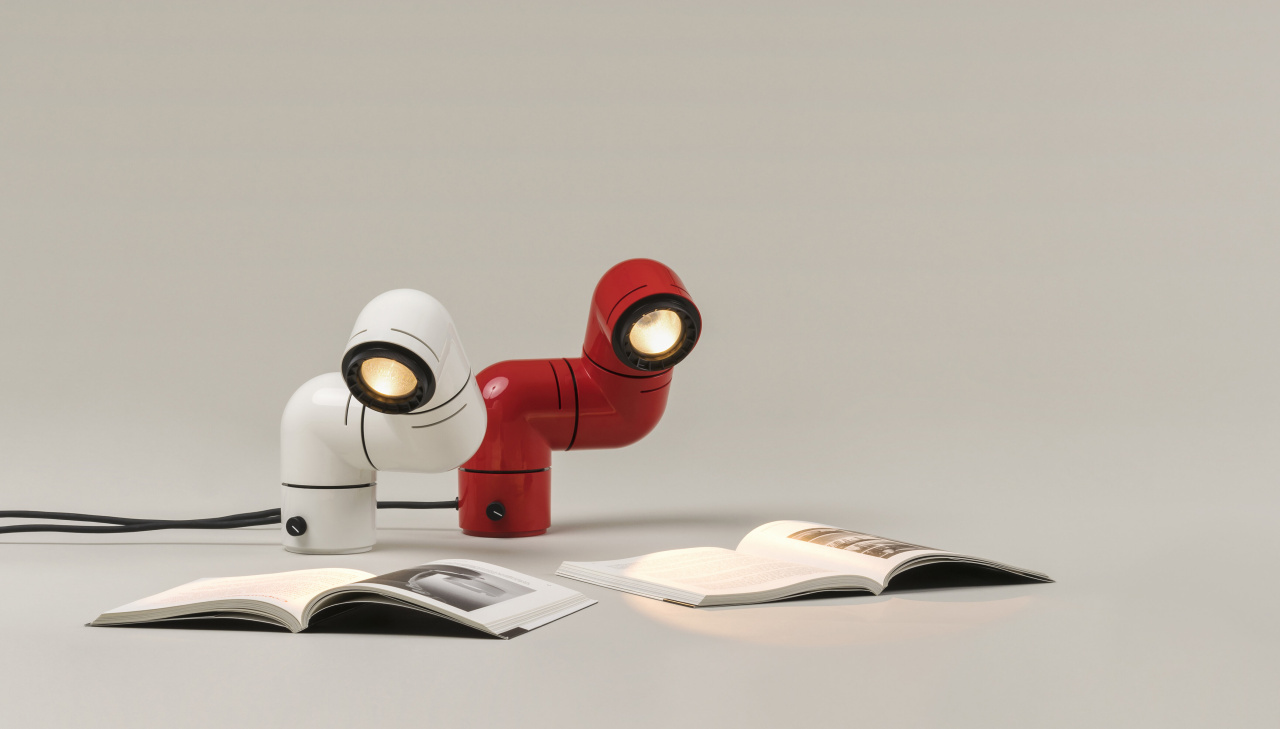
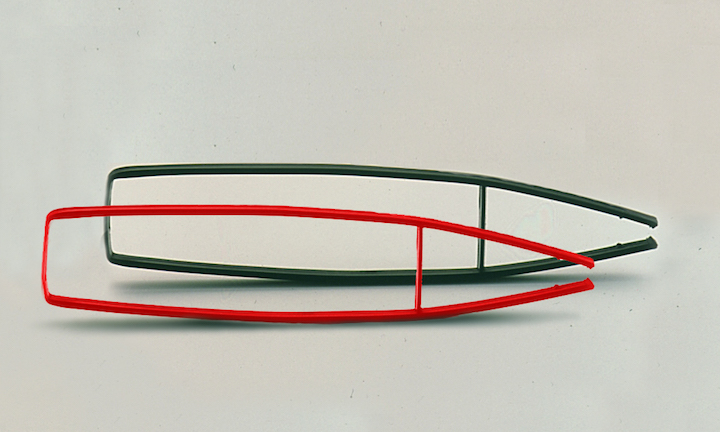
Creator of iconic objects such as the Tatu lamp, the Tong tongs, and the Barcelona ’92 Olympic torch, Ricard was a pioneer in linking professional practice with an ethical and social reflection on design.
“That is precisely why we can say that André Ricard’s design is invisible design; you don’t expect someone to have thought it through or designed it, you simply use it. And you appreciate that it is both comfortable and beautiful. That is the virtue of his pieces. For this reason, the exhibition shows his designs “in use”, in the spaces where we usually come across them — using them without really knowing who designed them.”
Arnau Pascual
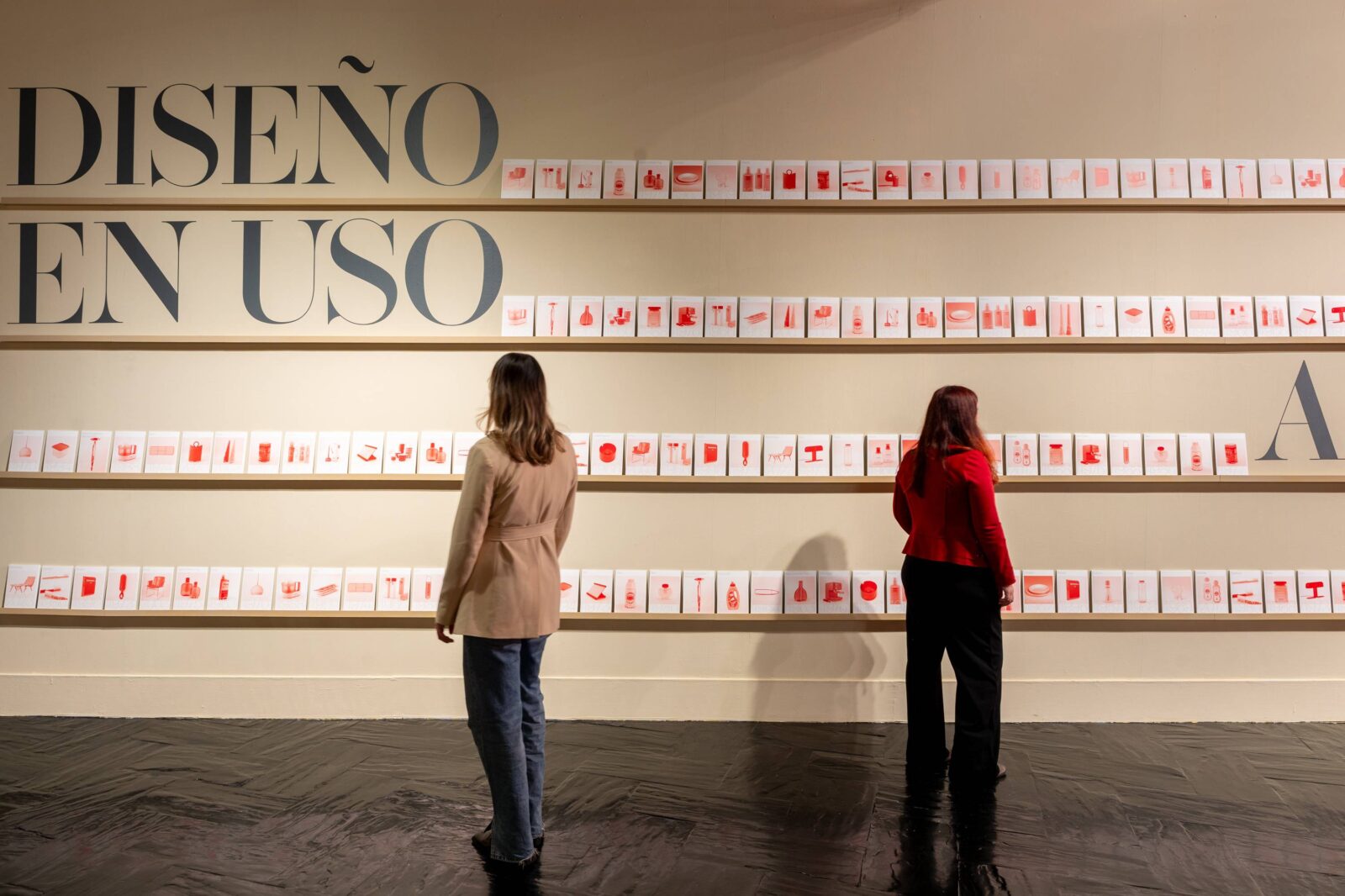
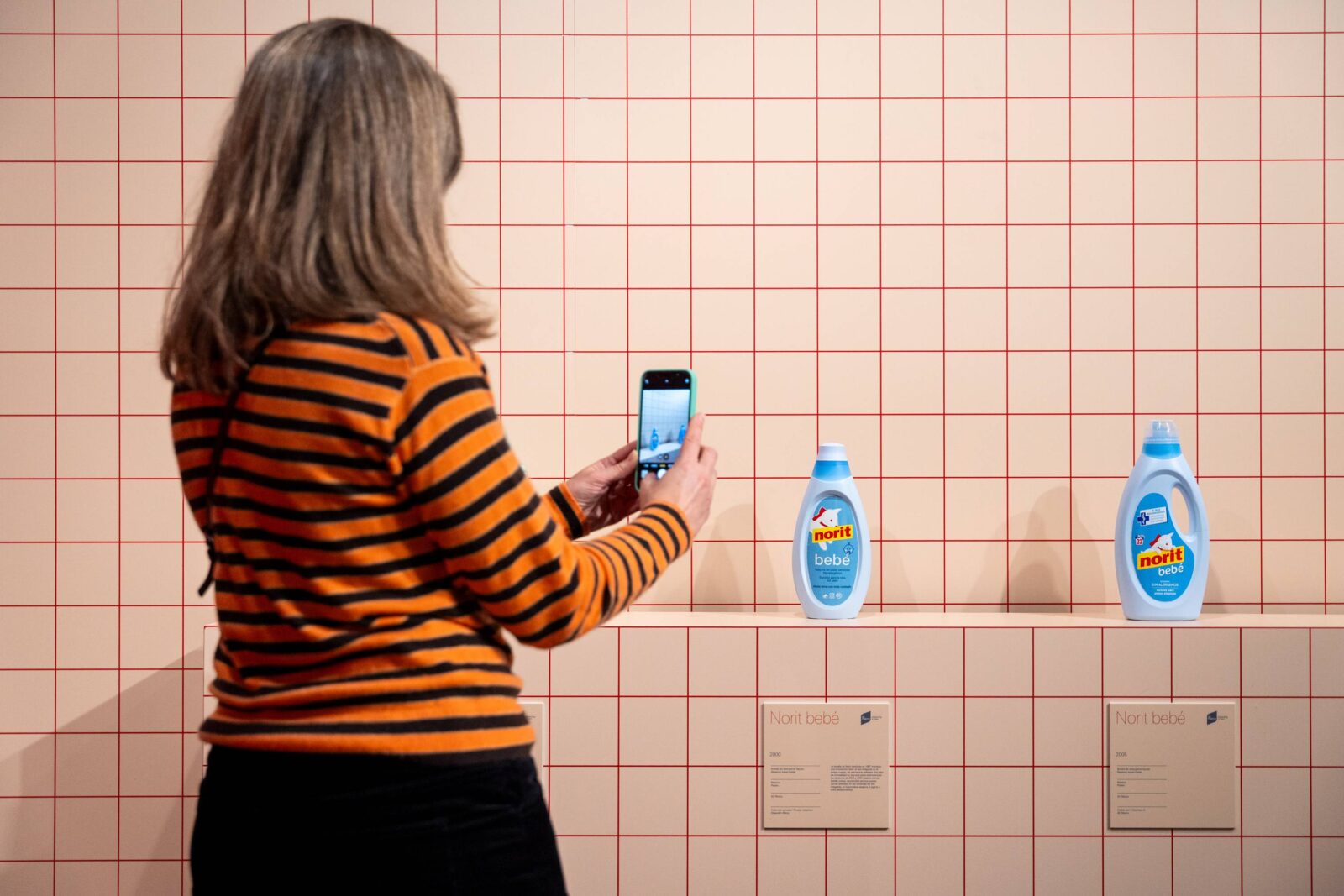
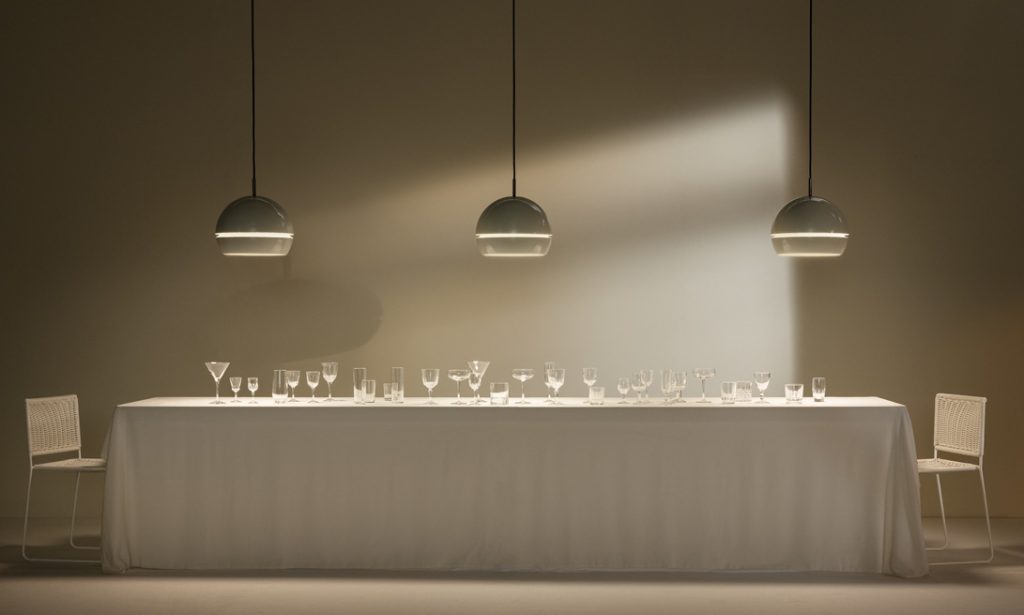
The exhibition places the objects in everyday settings where they acquire meaning (the table, the kitchen, the bathroom and the study) and brings together sketches, prototypes and documents that reveal a legacy based on usefulness, formal clarity and the enduring relevance of design in use.
“We wanted to show the objects designed by André Ricard not as museum pieces, but as everyday objects—objects we can find in our homes and encounter regularly in our daily lives.”
Arnau Pascual
Mediterranean Manifesto
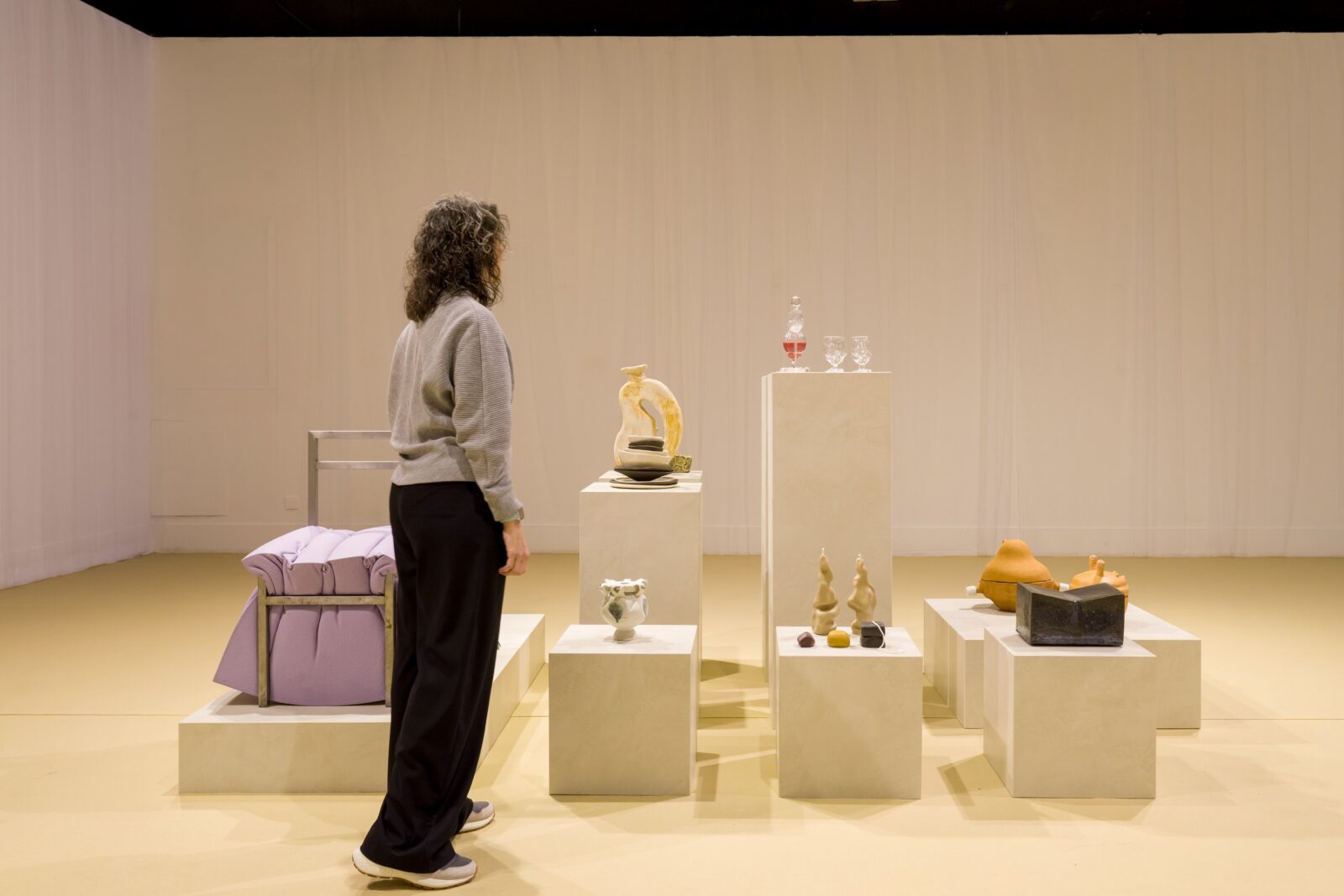
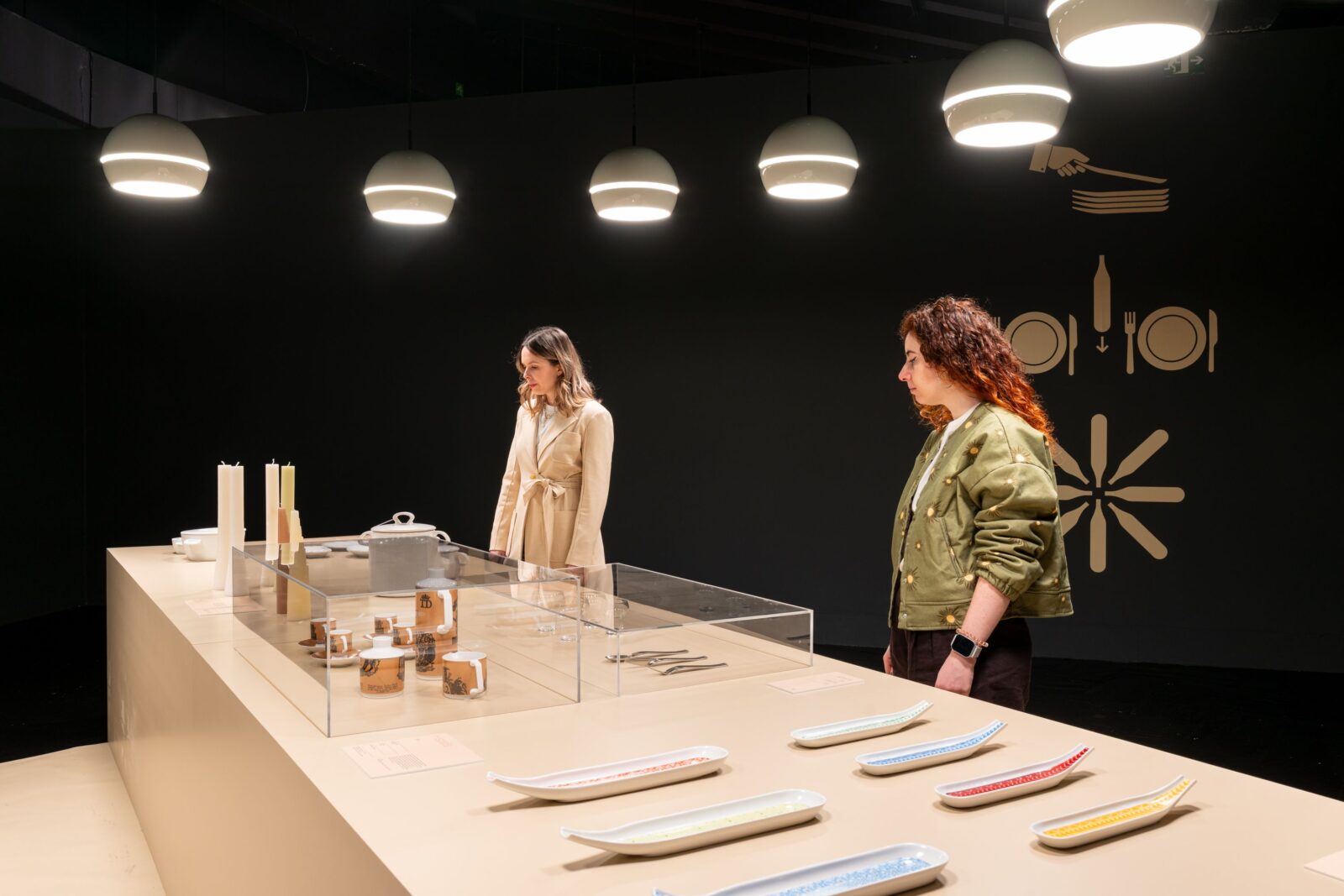
“Mediterranean Manifesto” is a group exhibition that proposes a contemporary reflection on the legacy, fragility and future of the Mediterranean through design, craftsmanship and material experimentation.
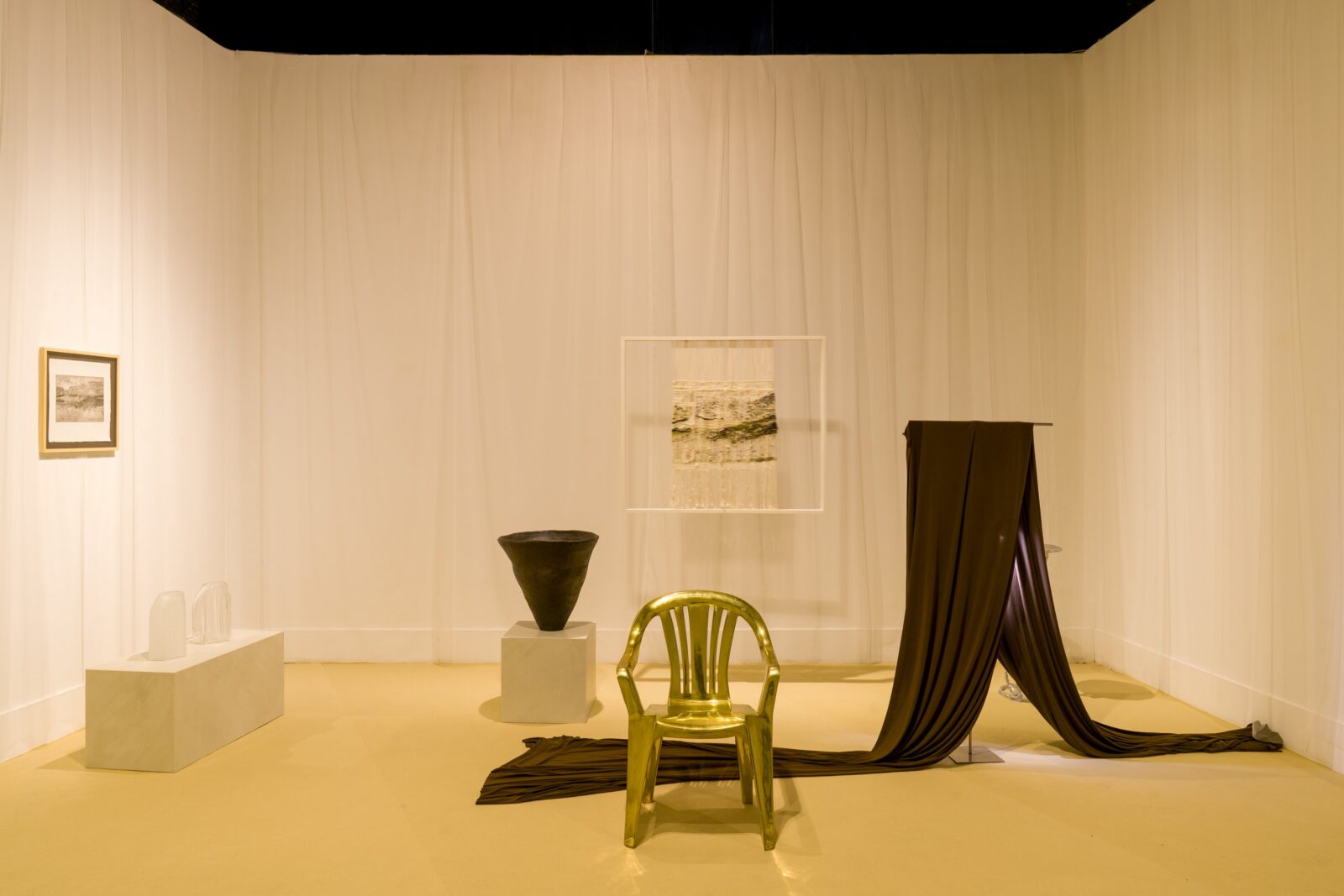
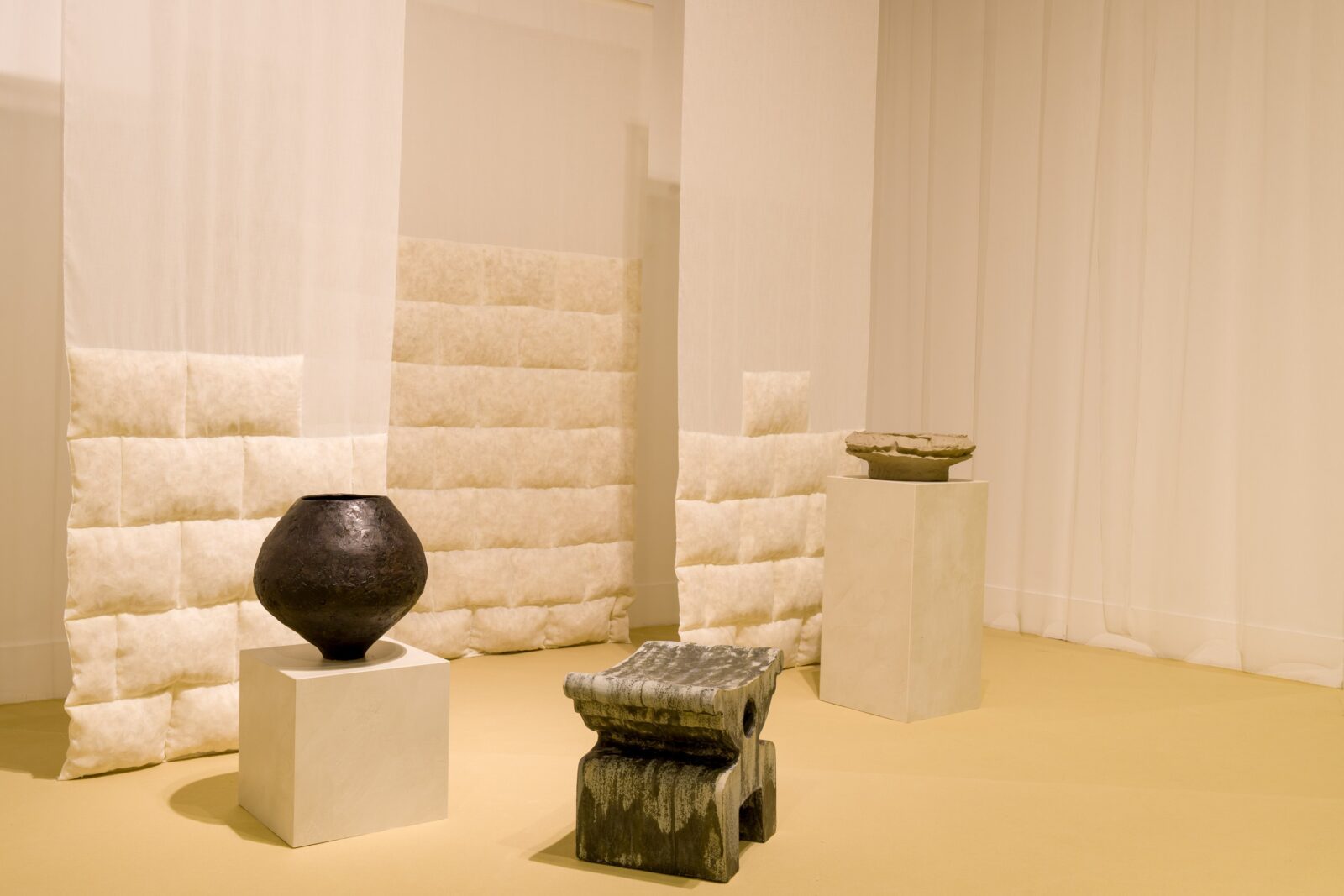
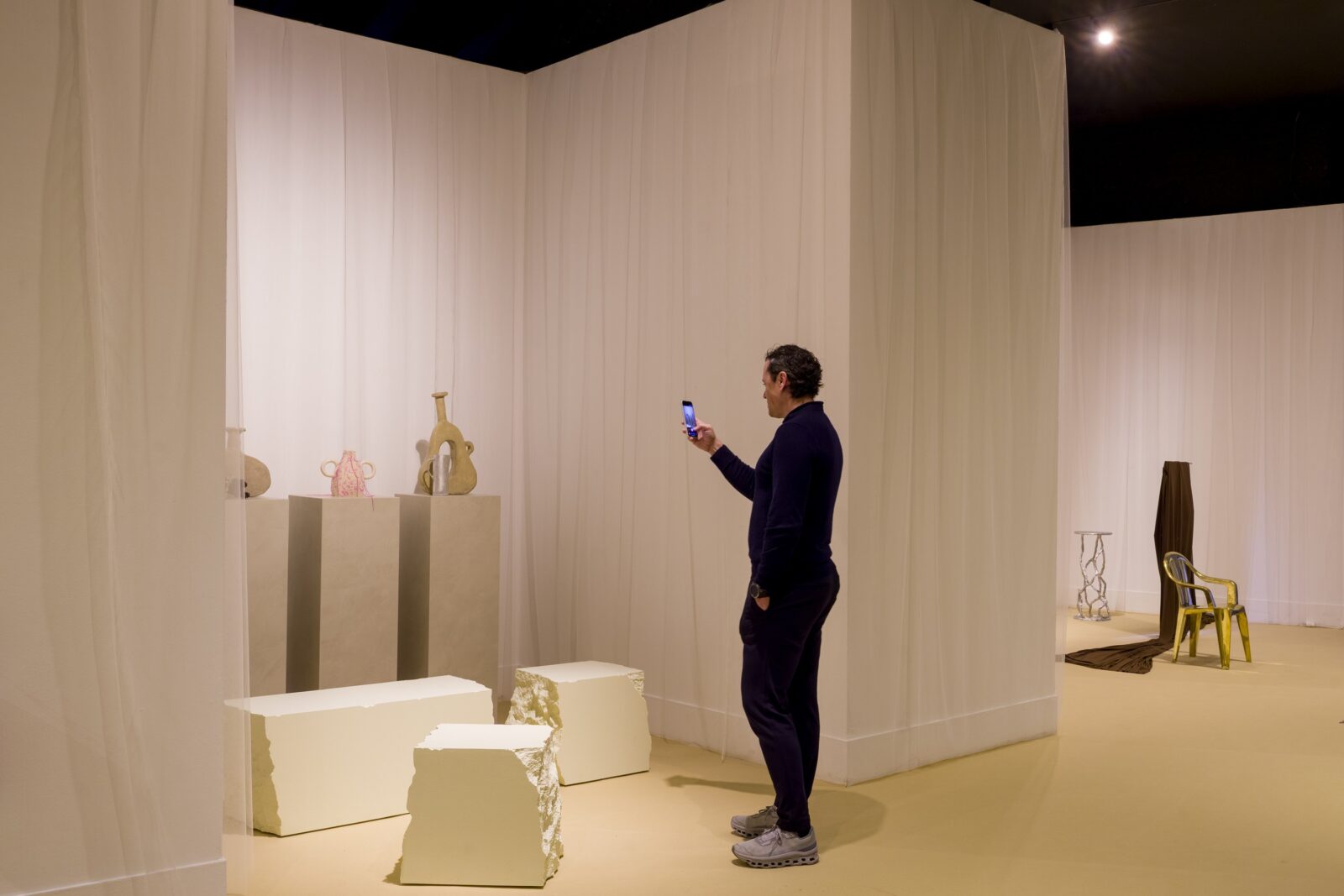
Curated by Mariona Rubio Sabatés, the exhibition brings together more than thirty artists, designers and craftspeople working in collectable design, self-publishing and traditional crafts to build a new Mediterranean imaginary. Ceramics, glass, basketry, woodworking and textiles engage in dialogue with contemporary processes to champion unique pieces, inherited knowledge and a more ethical relationship with materials and territory.
“We are witnessing a paradigm shift in the world of design. A generation of neo-artisans is giving voice to this emerging post-industrial society, making us more aware of objects by recovering techniques, materials, and crafts. What were once simple consumer products become artistic pieces rooted in place and memory.”
Mariona Rubio Sabatés
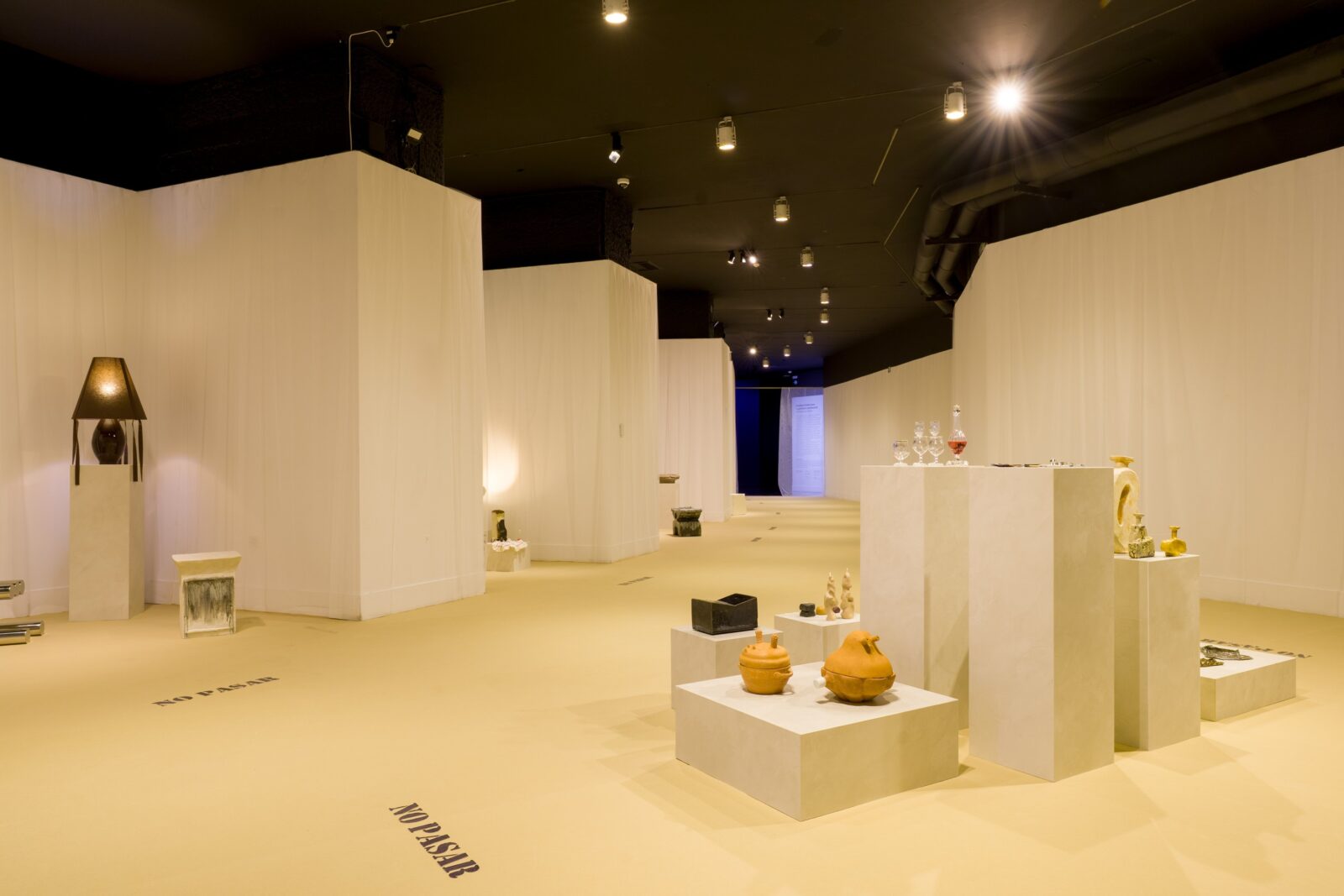
The exhibition space is conceived as a sensory landscape that evokes an eroded and transforming Mediterranean, inviting visitors to pause, observe and rethink our ways of inhabiting the world from a sustainable, human and conscious perspective.
Textile Art in Guatemala: Design and Identity
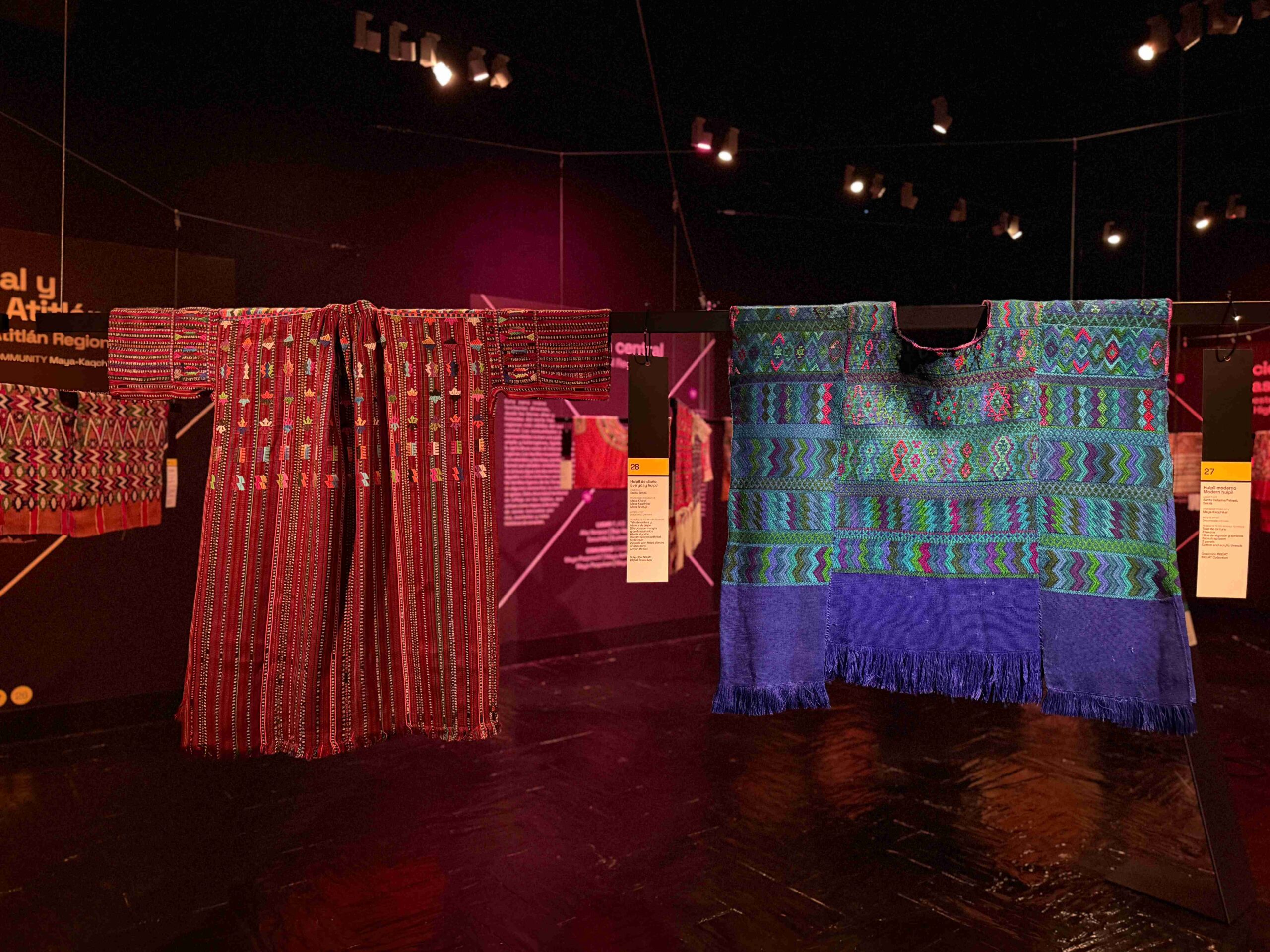
As the guest country of Madrid Design Festival 2026, Guatemala presents “Textile Art in Guatemala: Design and Identity”, an immersive exhibition dedicated to the richness and vitality of Mayan textiles, expressed through a sophisticated language of contemporary design.
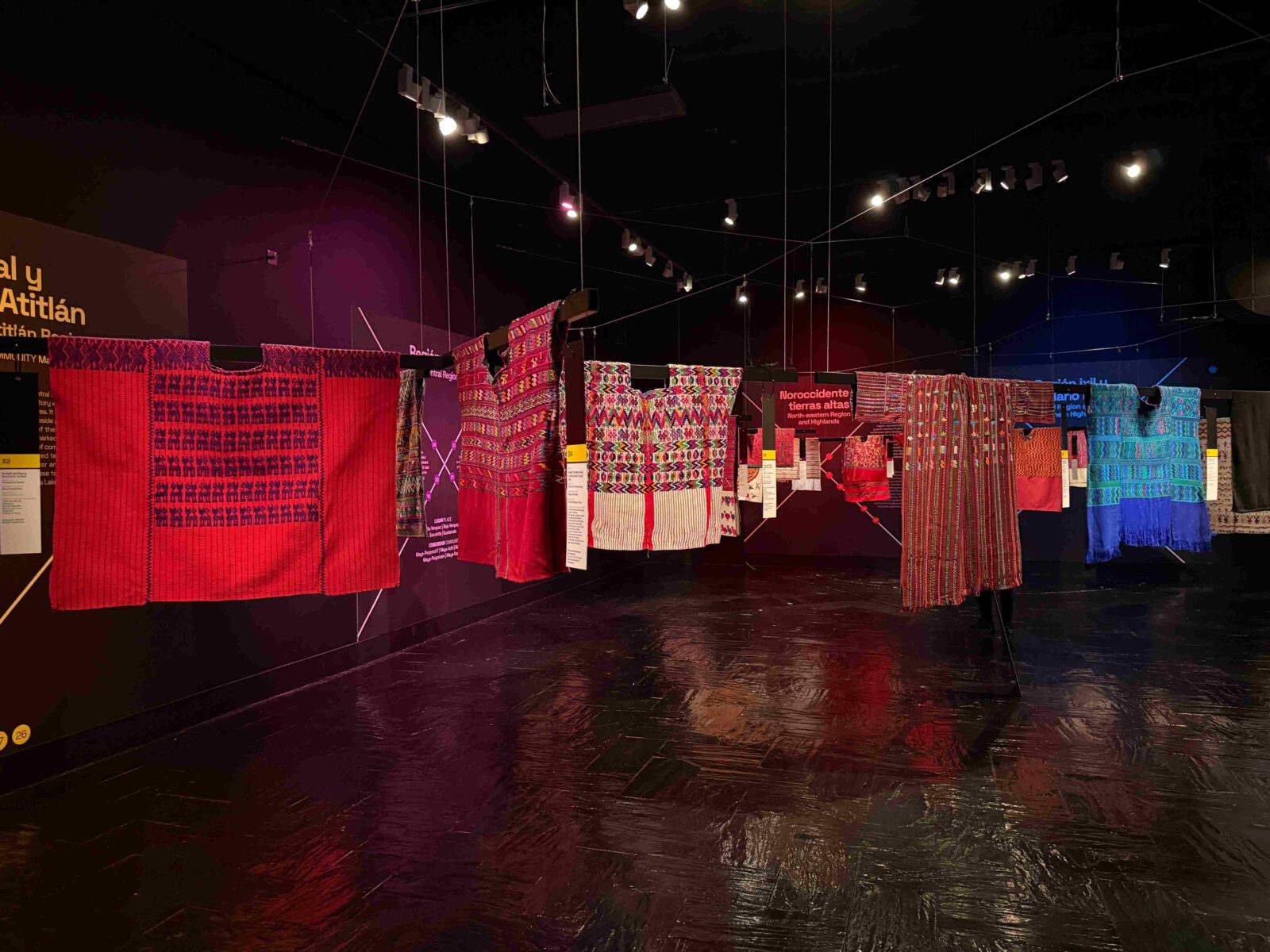
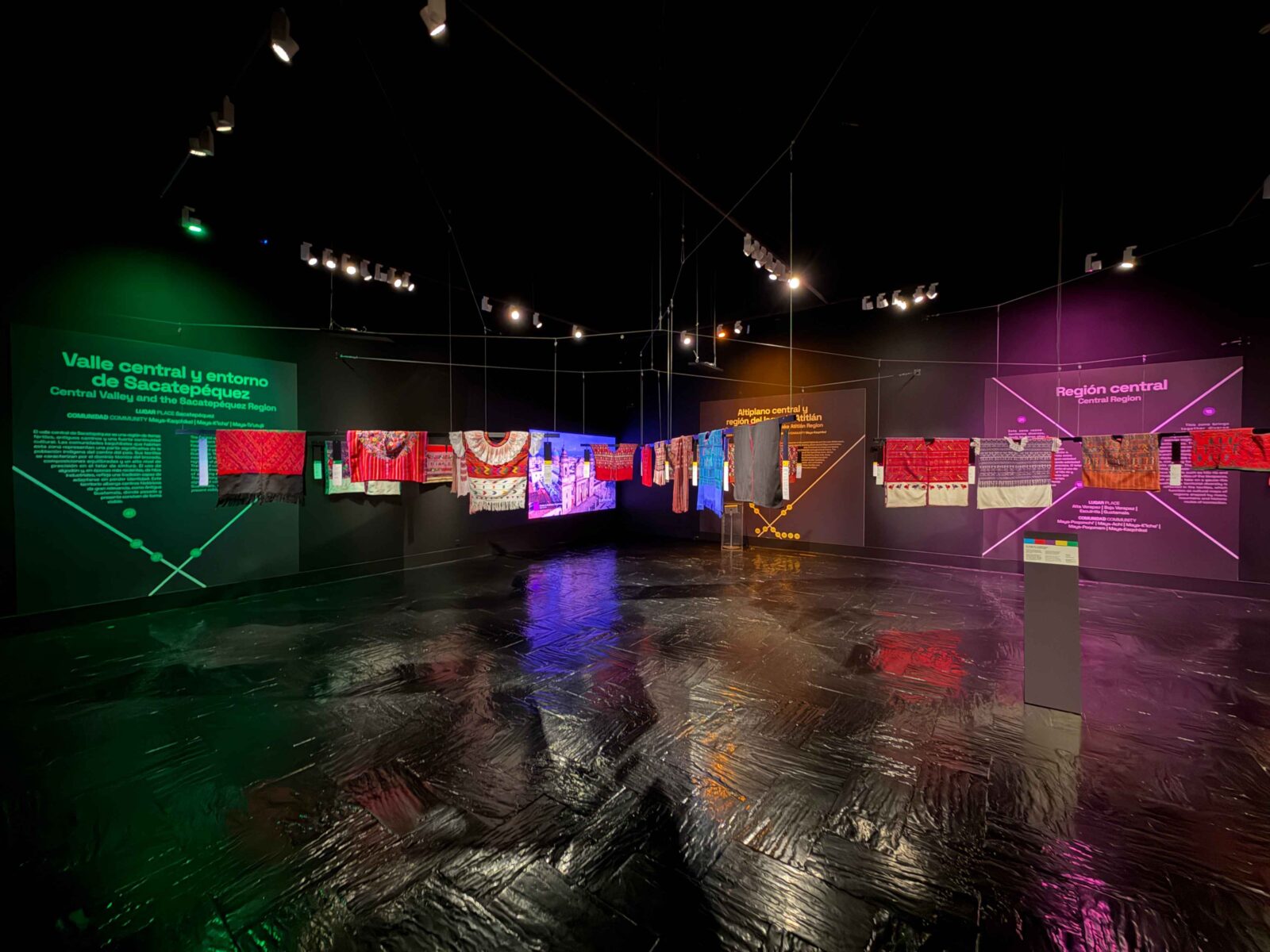
“With Textile Art in Guatemala: Design and Identity we show that Mayan textiles are not the past; they are the present and the future of design. They are a sophisticated visual and symbolic language created by generations of weavers that today dialogues with architecture, contemporary curatorship and global creative industries. (…) our textile heritage is a legitimate source of inspiration for international design.”
Harris Whitbeck, Minister of Tourism of Guatemala and Director of the Guatemalan Tourism Institute (INGUAT)
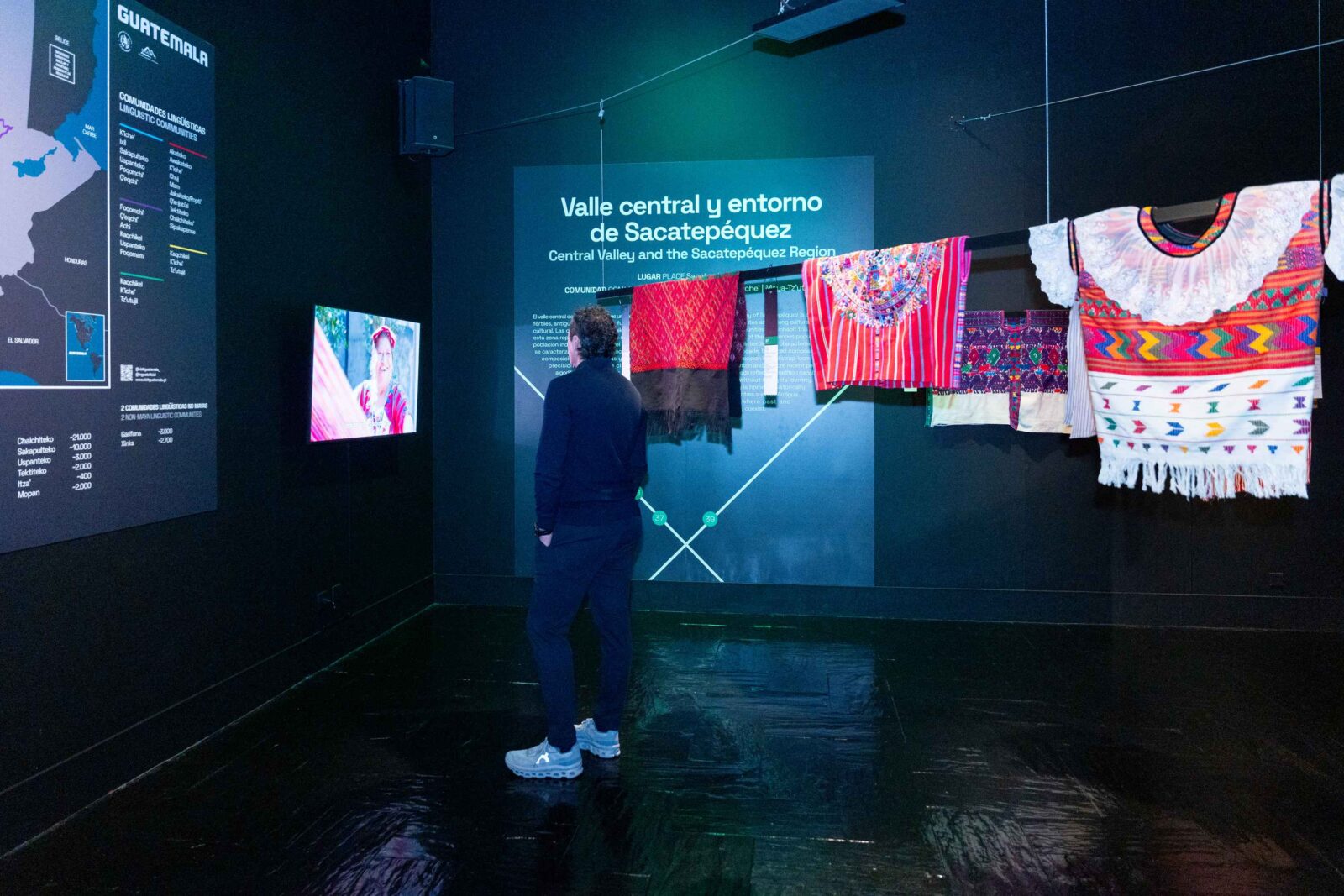
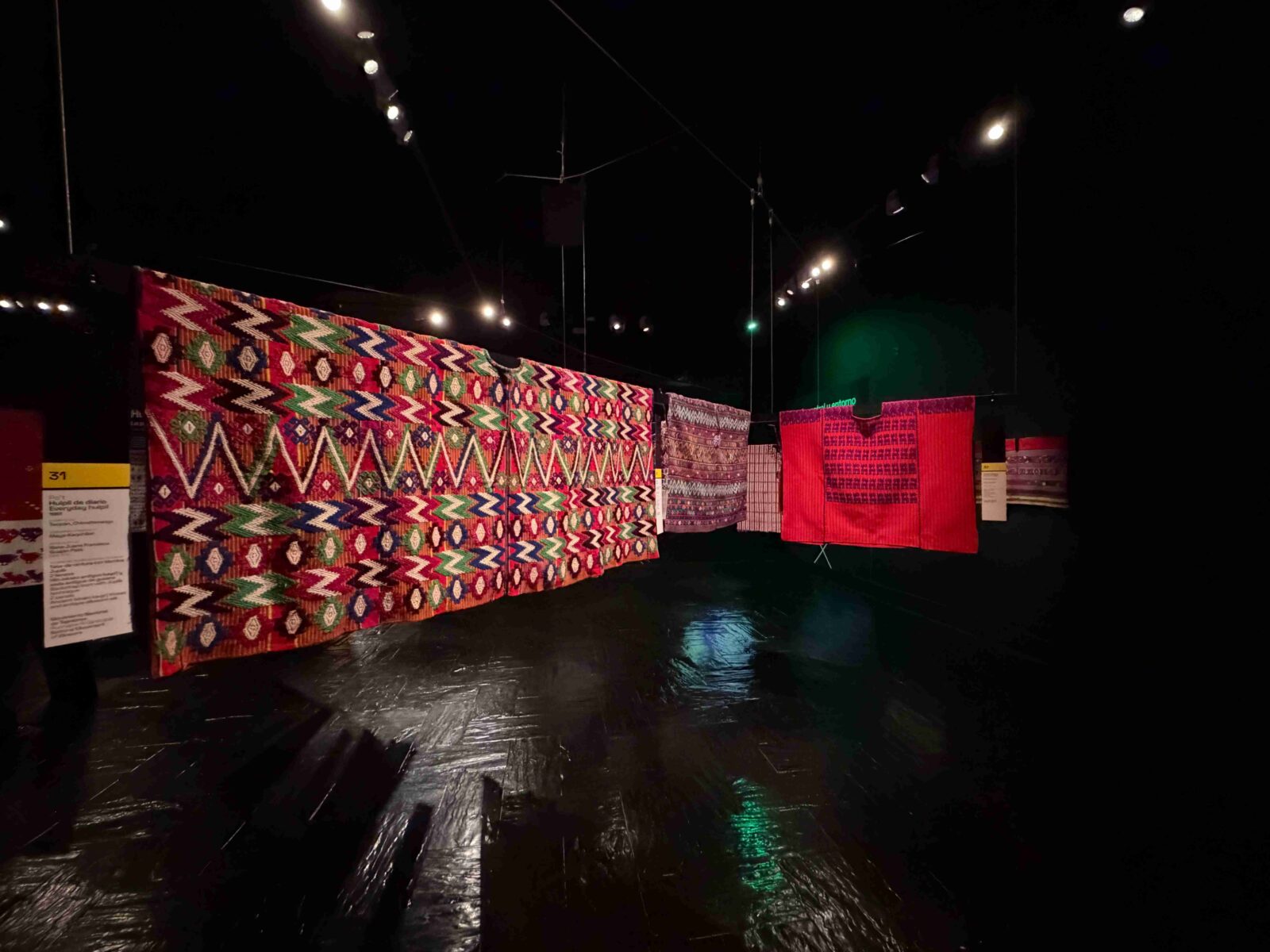
Conceived by the Idonika agency, with architecture by Amarillo Studio and curatorship by Emiliano Valdés for INGUAT, the proposal transforms the Fernán Gómez Theatre into a landscape of suspended textiles that evoke the chromatic and sensory intensity of the Chichicastenango market, one of the country’s most emblematic textile spaces.
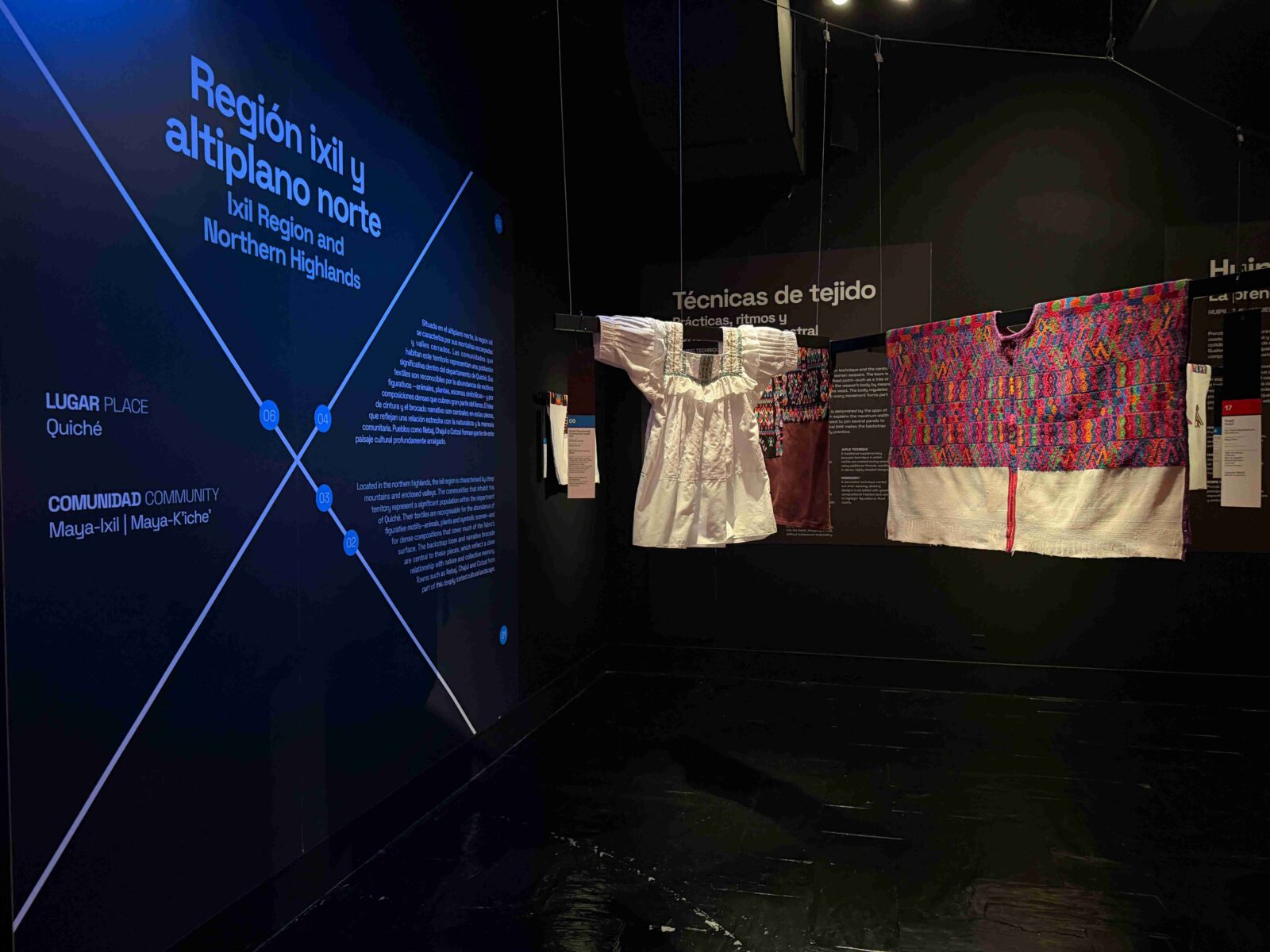
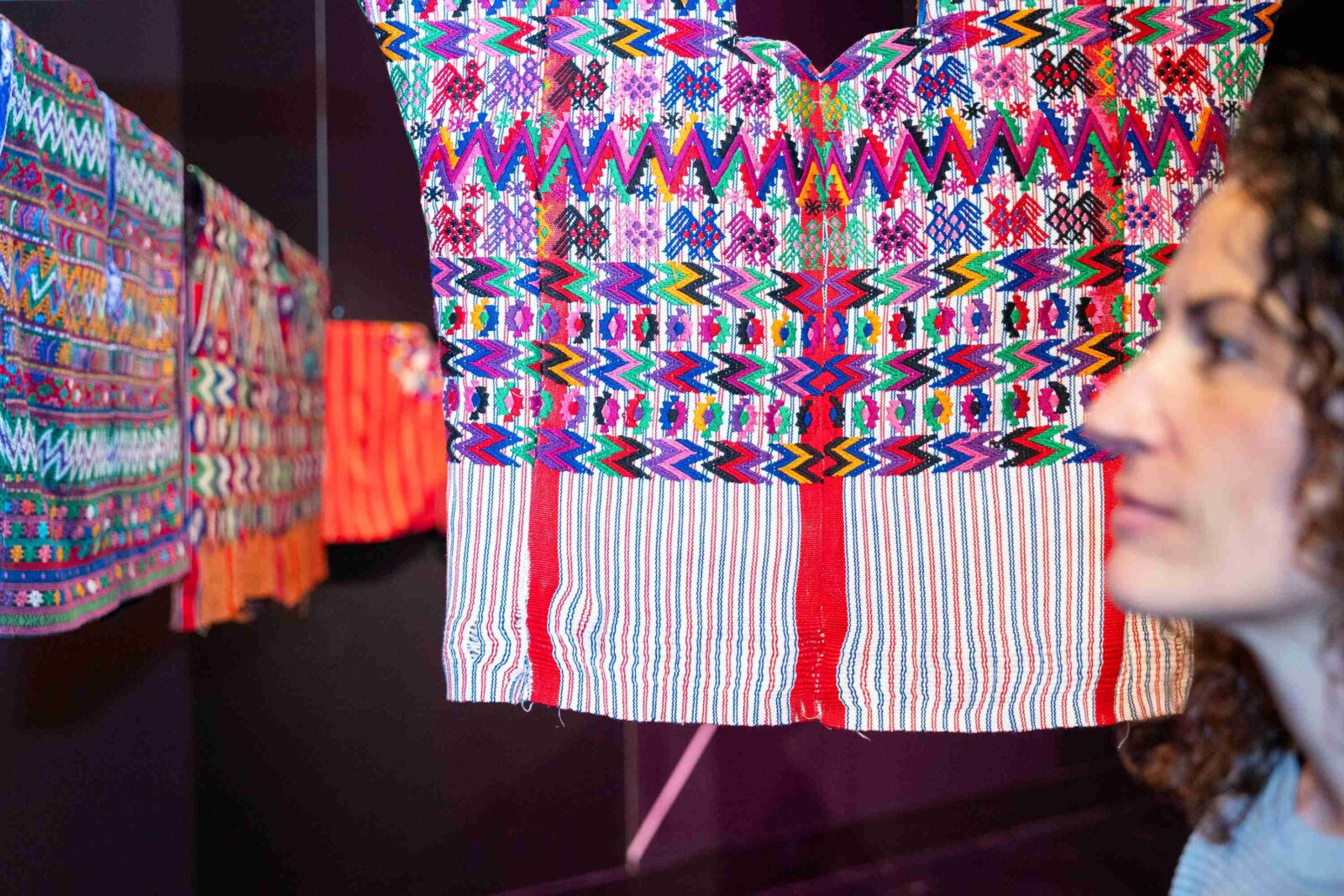
Huipiles from different regions, together with projections, photographs and an immersive sound piece, reveal the technical, symbolic and cultural diversity of a tradition passed down through generations of weavers. The exhibition proposes a journey through Guatemala’s woven memory, asserting textile art as living heritage, cultural identity and a source of design inspiration.
“For Guatemala, participating in Madrid Design Festival 2026 as the guest country is a strategic opportunity to engage in dialogue with the world from our identity.”
Harris Whitbeck
Together, these three exhibitions capture the essence of Madrid Design Festival ’26: design as something lived, shared and deeply rooted in context. From André Ricard’s quietly transformative everyday objects, through a renewed Mediterranean sensibility grounded in craft and sustainability, to the powerful living textile traditions of Guatemala, the festival frames design not as a trend, but as a cultural force with memory, responsibility and future potential. MDF26 ultimately invites visitors to look closer – at objects, materials and identities – and to reconsider how design shapes the way we live in the world.