Header: Solk Ag
The footwear industry loves plastic. It is cheap, easy to work with, and lasts almost forever in a landfill. But a new player has arrived to challenge that standard with a simple, radical idea: a shoe should not outlive the person wearing it.
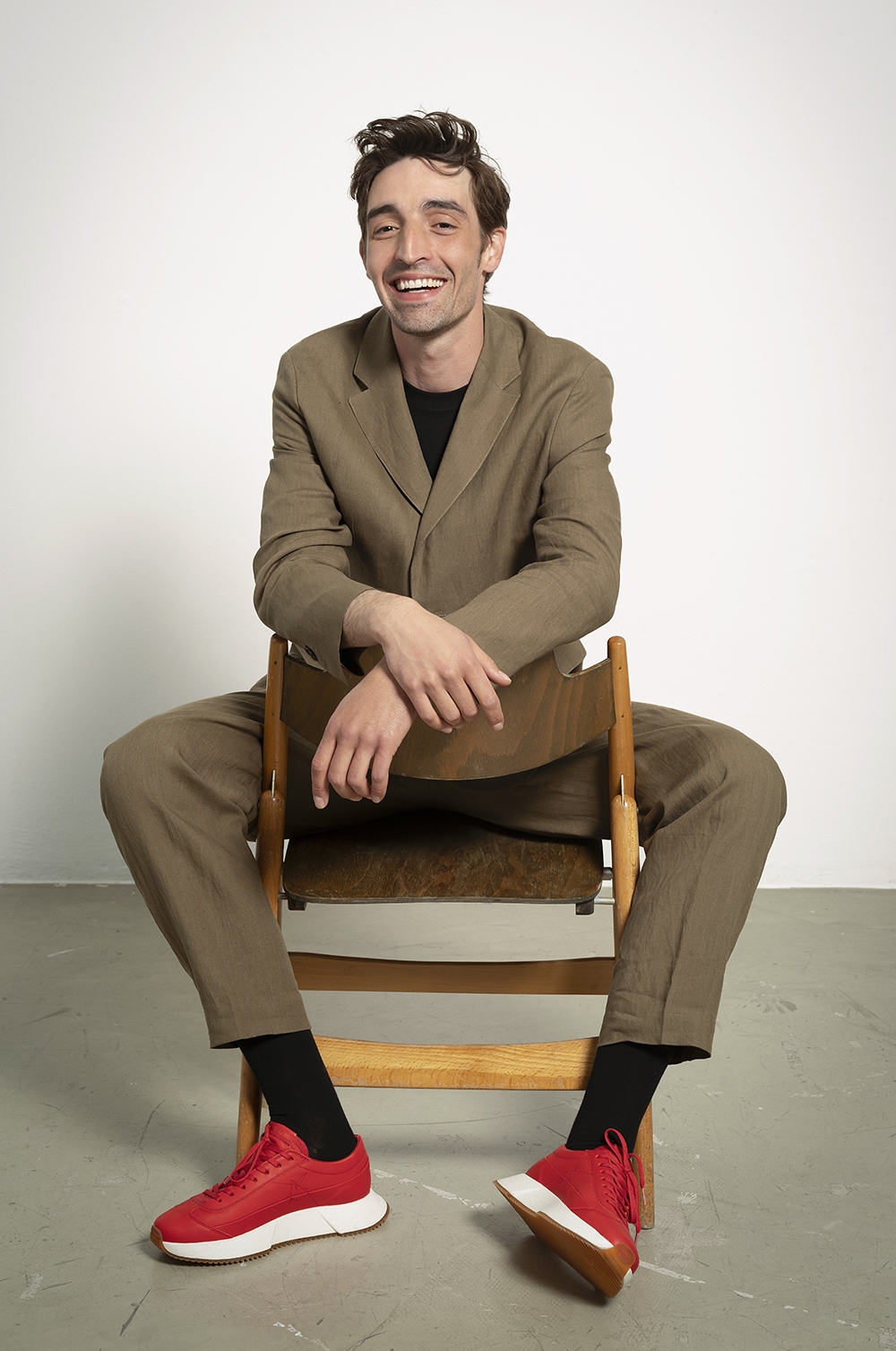
SOLK is the first sneaker brand built entirely around biocircularity. Their debut model, the Fade 101, recently swept the awards circuit, taking home titles like Footwear Brand of the Year at the Global Footwear Awards. The accolades are well-earned, but the real story lies in the specific design choices that enable these shoes to return safely to the earth.
Engineered for the Earth
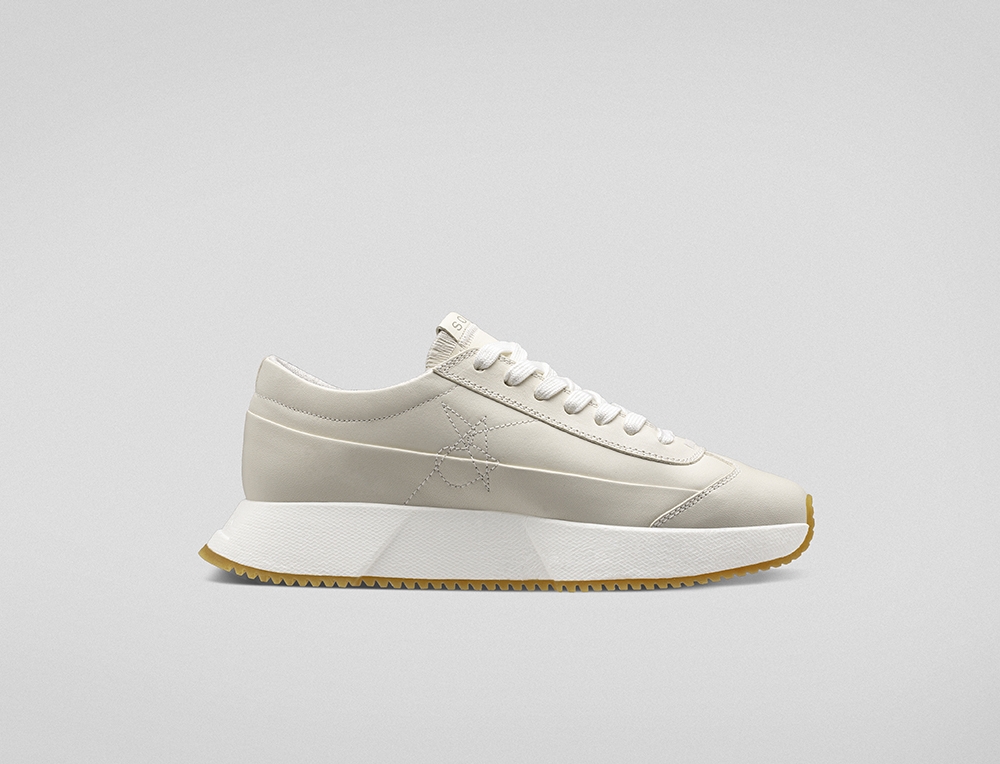
Designing the Fade 101 required a completely different approach to sourcing. Most sneakers rely on glues and foams that never break down, but SOLK needed every single component to be compost-capable. The designers refused to treat materials as an afterthought. Instead, they built the shoe from the ground up, ensuring that every element contributes to a cycle rather than a landfill pile.
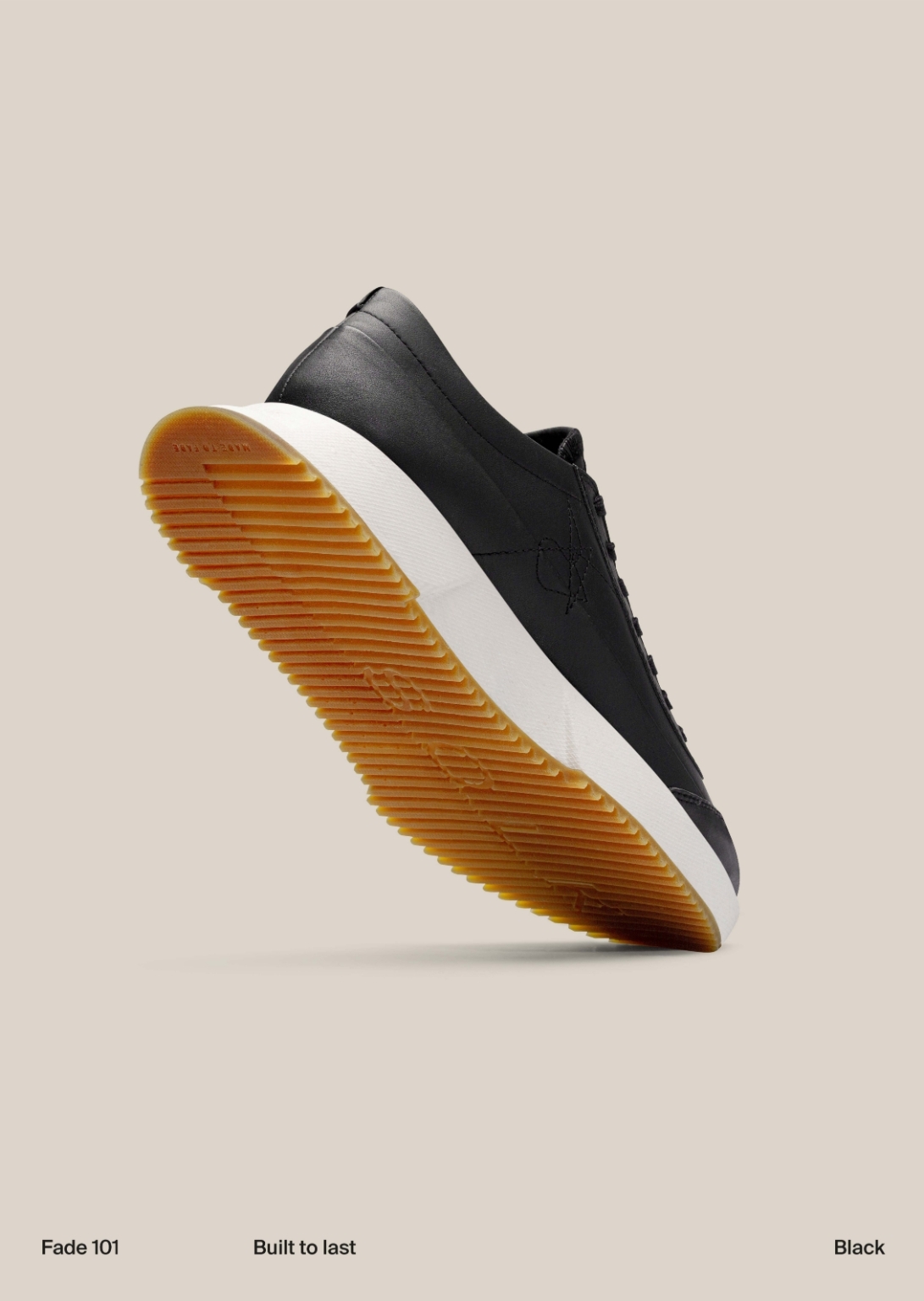
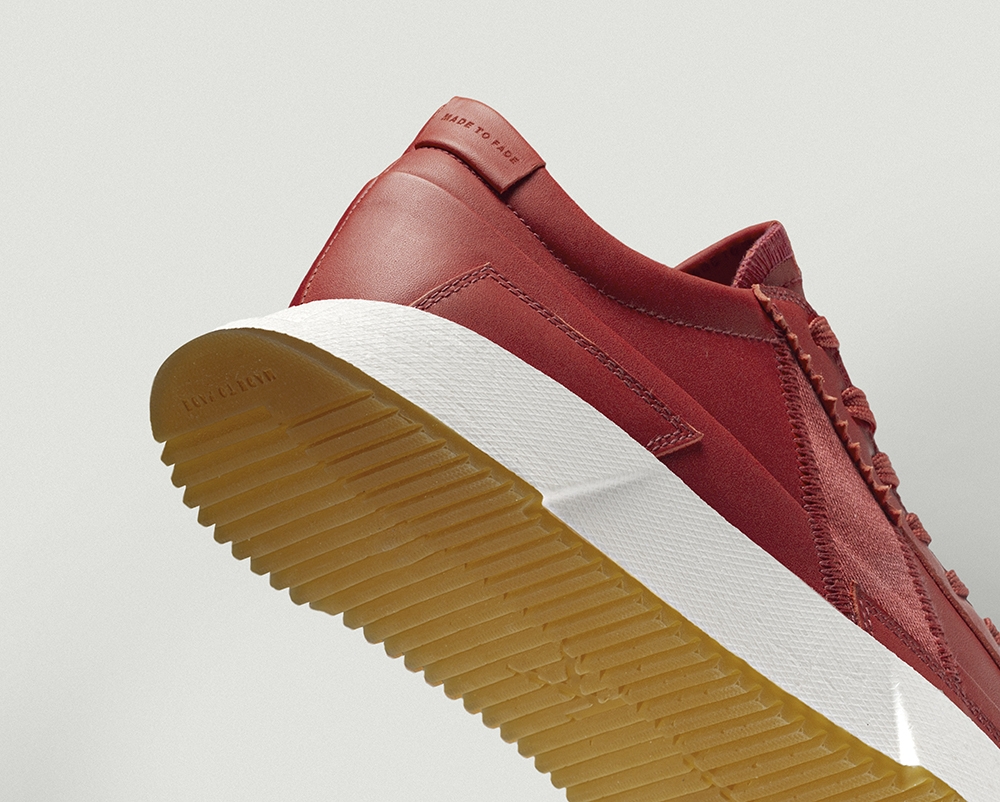
The upper is crafted from chrome-free, heavy metal-free leather tanned responsibly in Germany. This material is strong enough for daily wear but safe enough to become compost later. The team faced hurdles when specific parts didn’t exist in a biodegradable form. Rather than compromising, they worked with partners to invent them. This innovation extends to the smallest details, such as the aglets – the plastic tips usually found at the end of shoelaces. On a pair of SOLKs, even these are compostable. The result is a sneaker featuring natural rubber soles and biodegradable foam that looks great on the street and leaves no trace when its job is done.

Controlled by the makers
Many brands send their designs to third-party factories and hope for the best. SOLK took the opposite route by building their own factory. This decision gives them total control over how the shoes are made, ensuring the construction meets their strict biocircular standards.
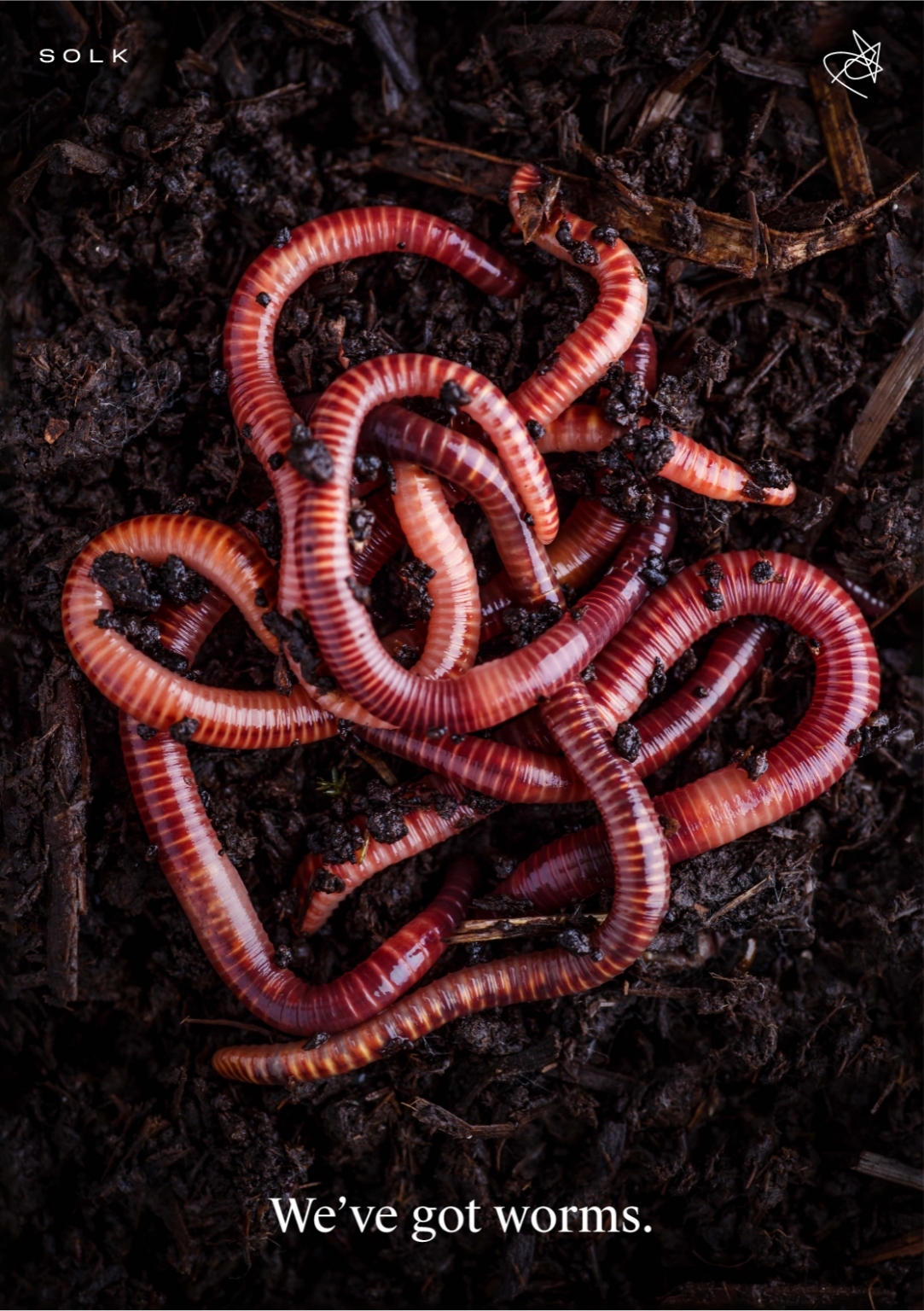
The design process extends beyond the factory floor to the end of the shoe’s life. SOLK operates a dedicated take-back system. When a pair of Fade 101s is worn out, the customer returns them to the company. The shoes then travel to a composting shed in the German countryside. Here, nature takes over. Under the watchful eye of Uncle Norbert, who manages the process, the shoes are broken down by heat, microbes, and time. This is not just recycling but a biological cycle where the old shoe becomes rich plant food.
A question started it all
The vision for SOLK began with a moment of silence. Founders David Solk and Irmi Kreuzer are industry veterans with over thirty years of experience making shoes for major global names. Despite their expertise, they found themselves stumped by a question from their daughter in a schoolyard in Vietnam. She asked why sneakers were made of plastic and where they went after people threw them away.
David and Irmi realised they could not answer her. They saw that the industry they knew was built on permanence in the wrong places. That realisation sparked a move away from standard manufacturing. They decided to build a brand that creates products designed on purpose, meant to be beautiful in their first life and generous in their second.
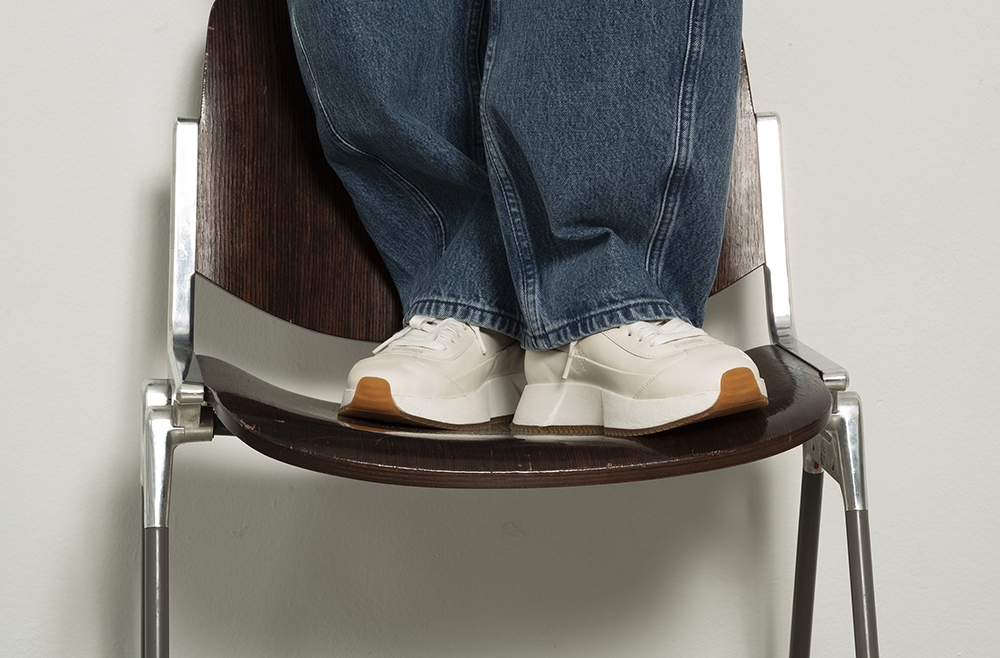
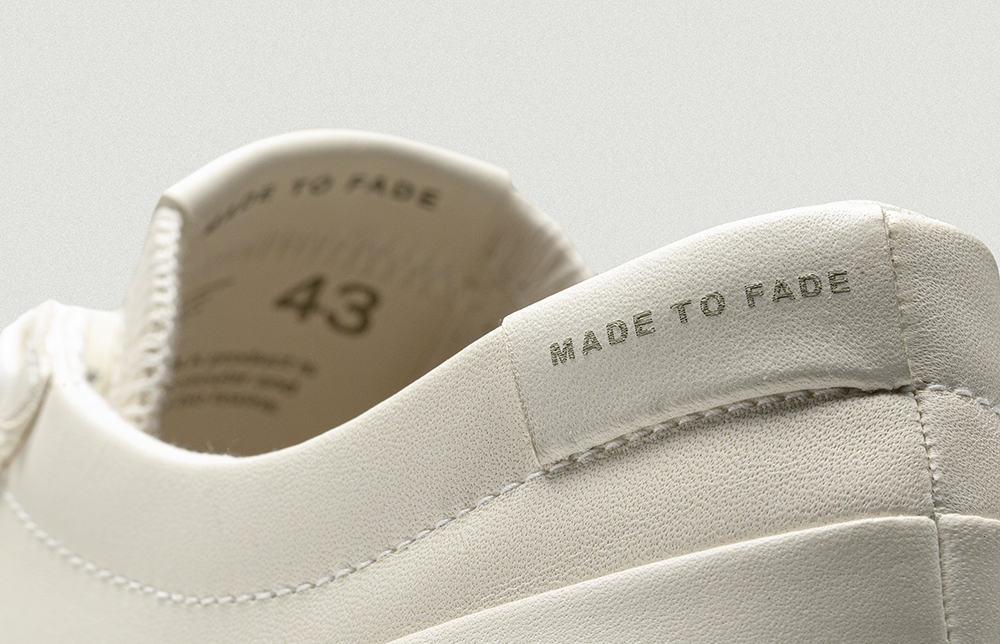
SOLK proves that responsible design does not have to look alternative or feel fragile. The Fade 101 handles the wear of real life just like any other high-end sneaker. The difference is that its eventual decay is a feature, not a failure. By controlling every step from the chrome-free leather to the composting shed in Germany, SOLK has created a system where harm is removed from the equation entirely. These sneakers are built to last, but they are also made to fade.