



Header: Góbi Design
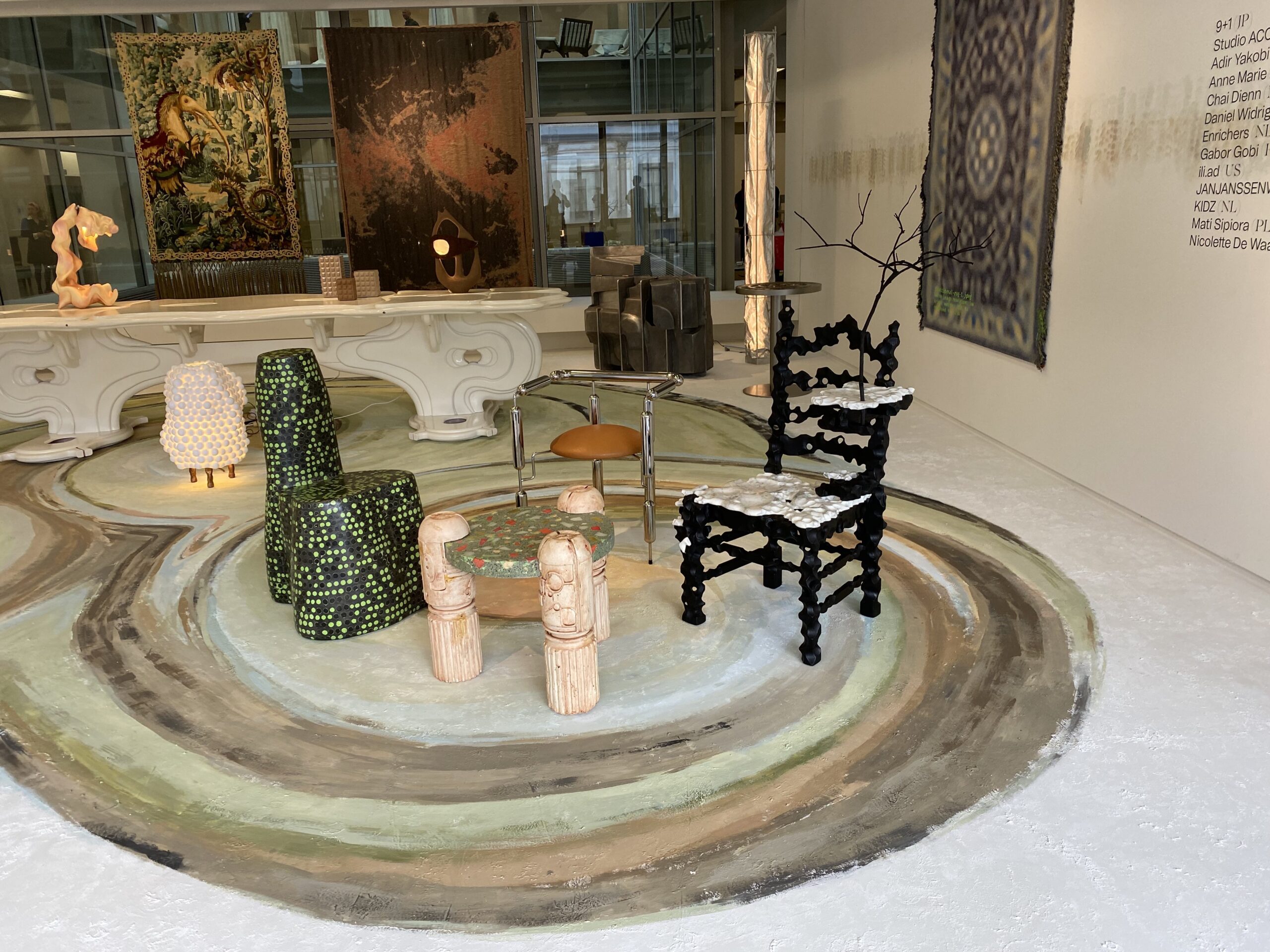
Budapest-based designer Gábor Góbi is changing how we look at trash and nature with his latest work, The Melting Collection. This series acts as a physical response to climate change, presenting objects that look like they are dissolving or freezing in time. Góbi, a self-taught designer who started in graphic design, builds his practice on a strict rule: he never uses artificial materials. You will not find plastics or synthetics in his workshop. Instead, he focuses entirely on earth-derived substances, turning discarded items into new, permanent works.
Turning trash into treasure
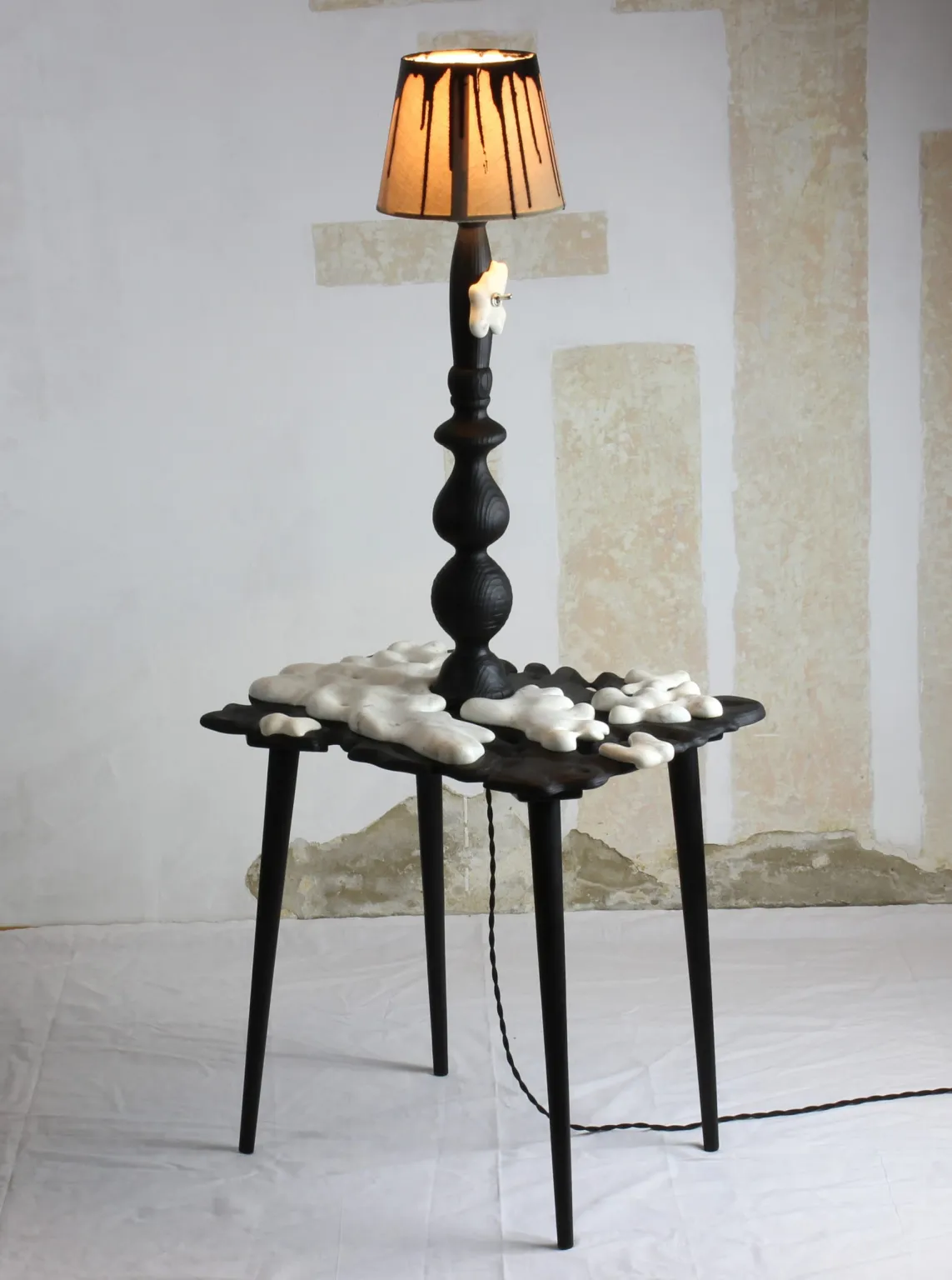
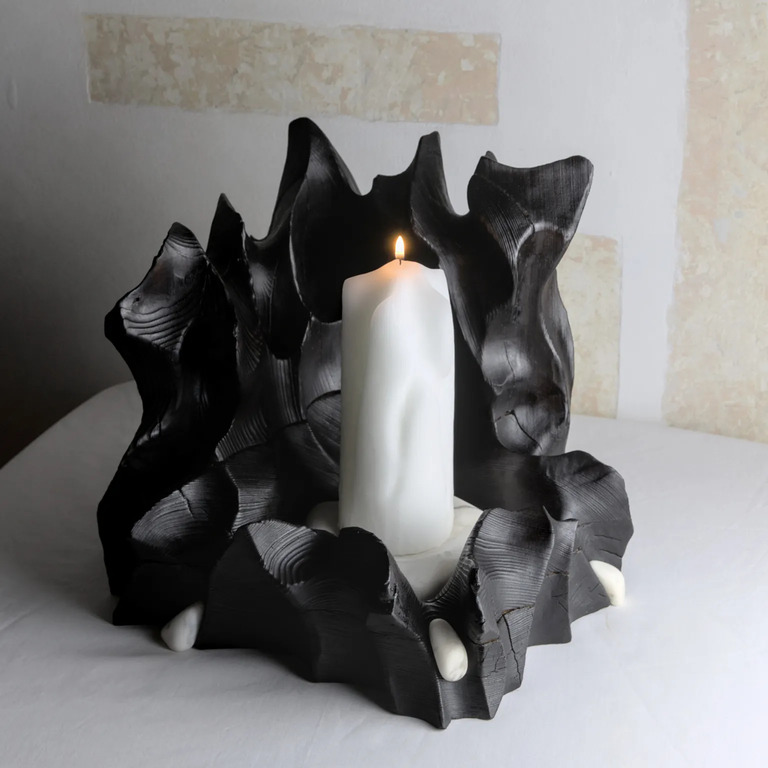
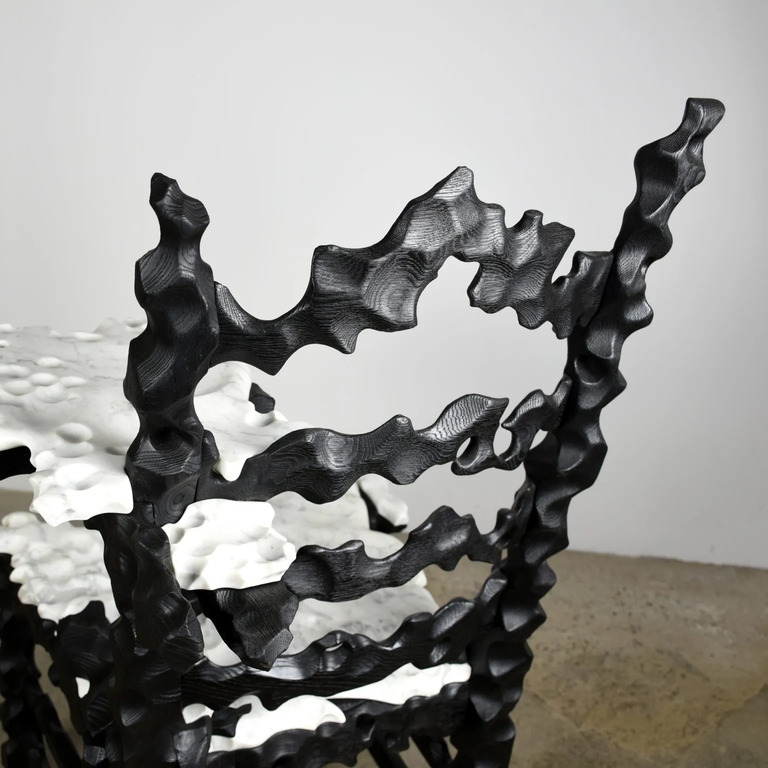
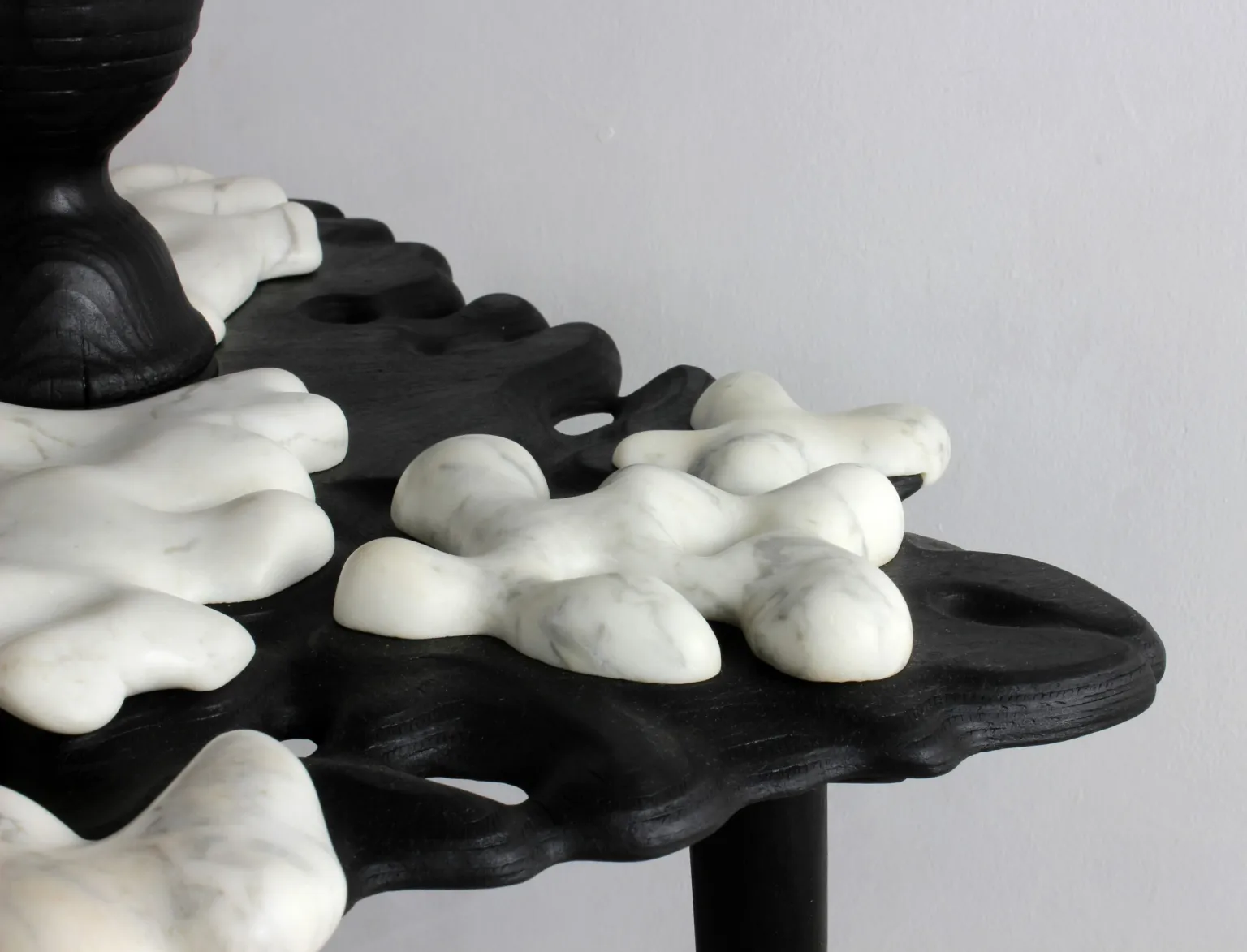
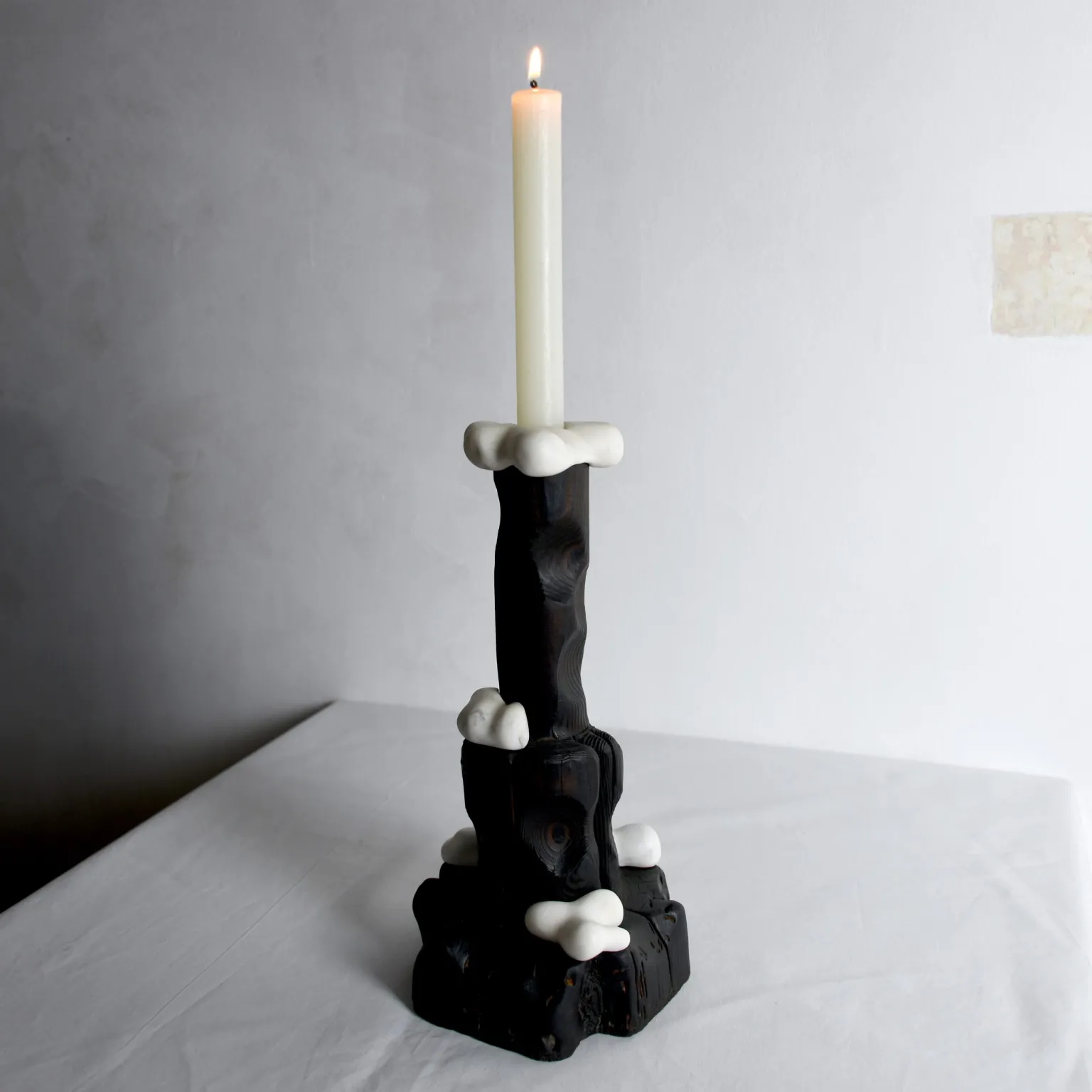
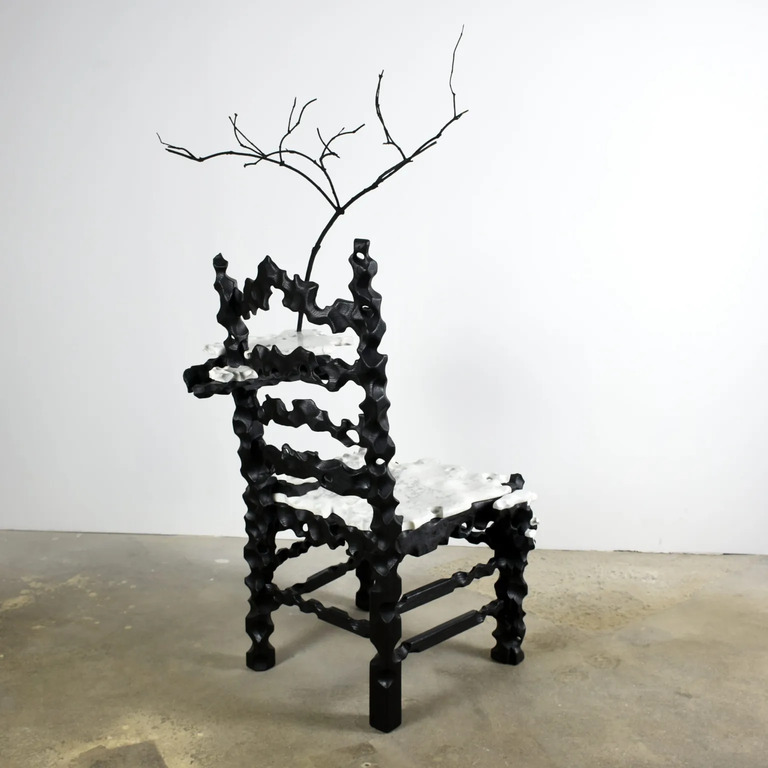
The Melting Collection uses salvaged wood, stone, and metals that have been saved from becoming waste. Góbi hunts for these materials himself, sometimes finding them during local events like Budapest Cleanup Day. He sees these forgotten items as hidden treasures that just need a second chance. His process is like solving a puzzle where he fits different pieces together. The result is furniture and decor where contrasting materials, such as marble and wood, appear to melt into one another. This visual trick challenges what we expect from solid objects, creating a look that is raw rather than industrially polished.
Seven pieces of a melting world
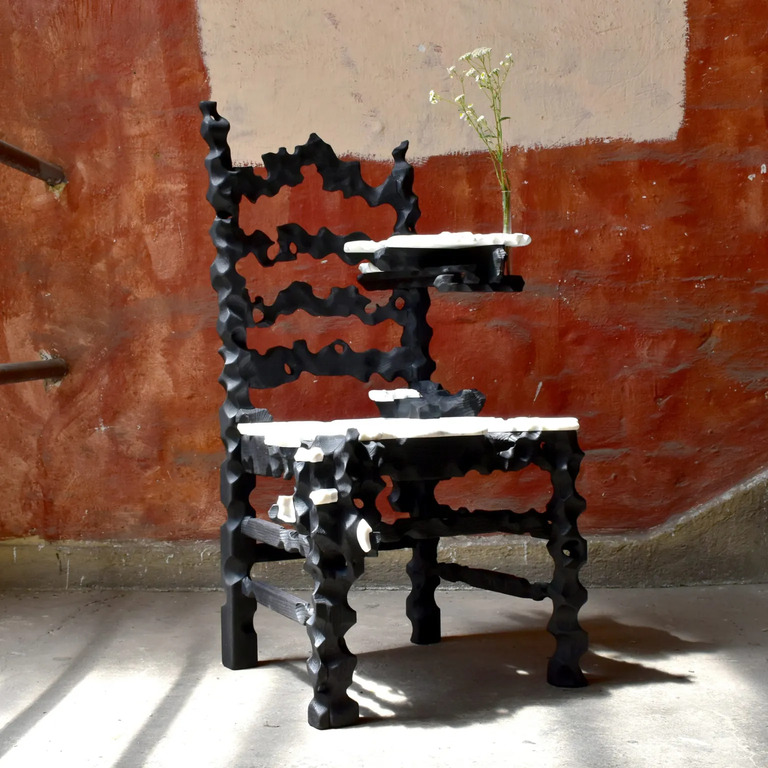
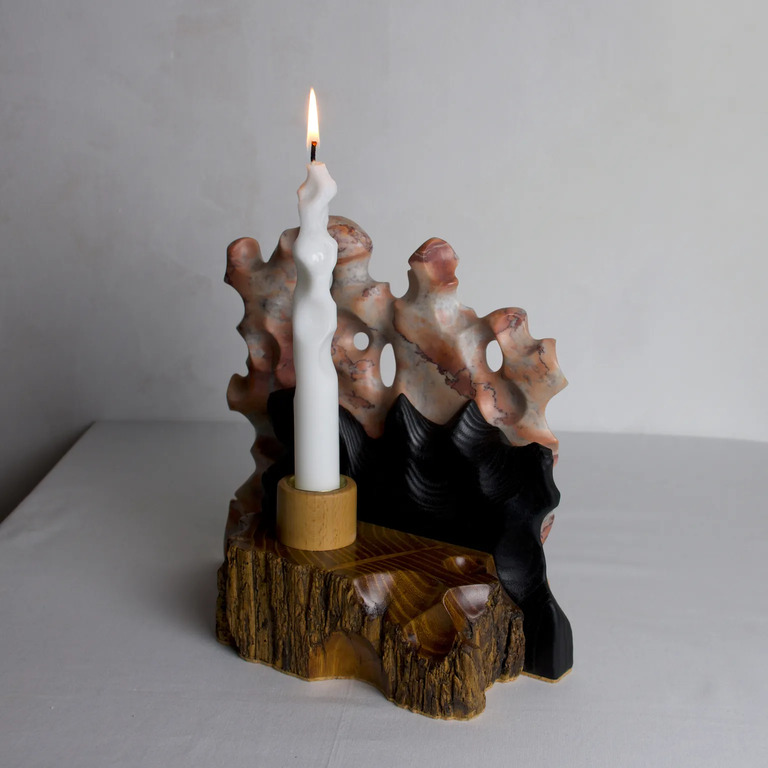
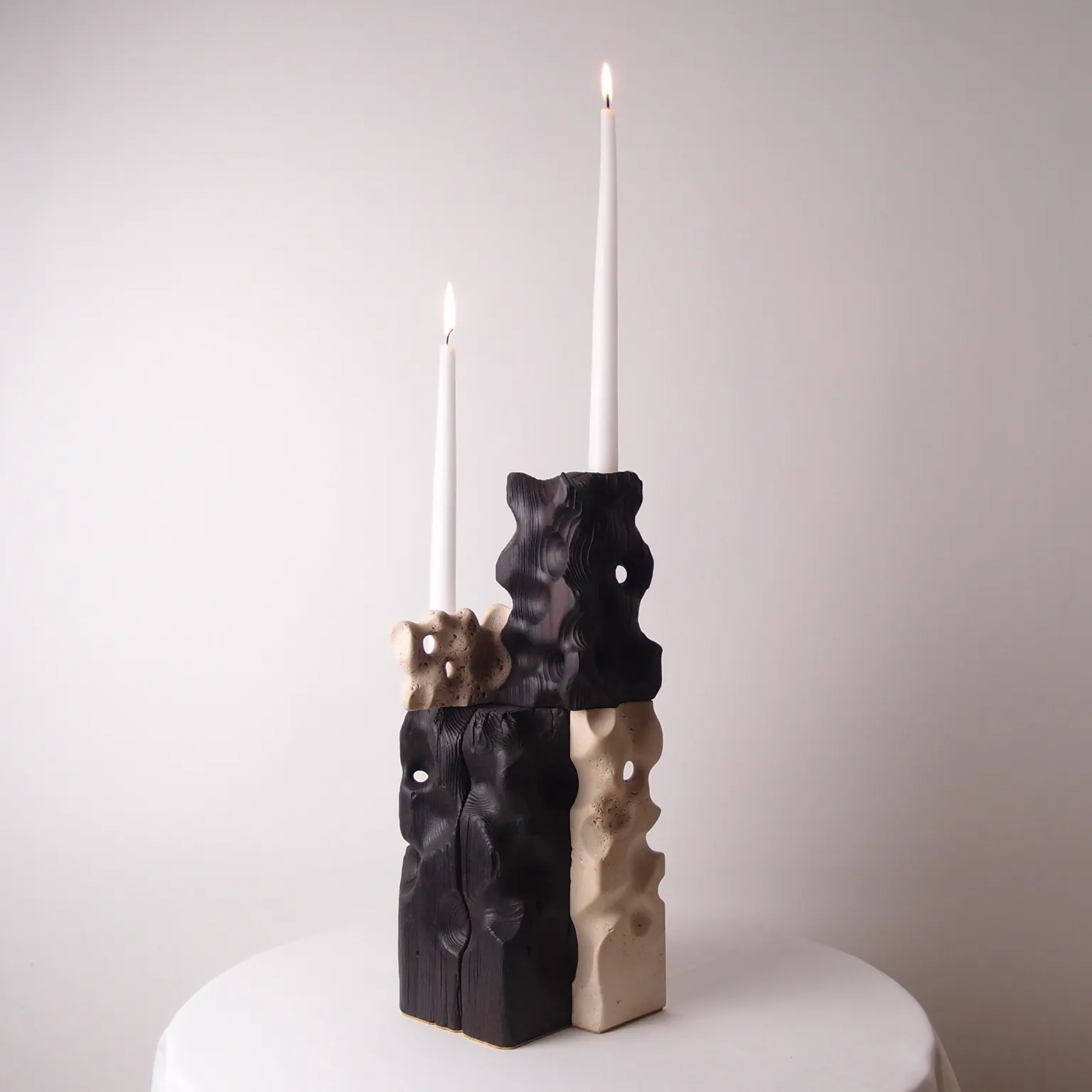
The collection features seven unique works that sit somewhere between useful objects and art. The lineup includes lighting and decor items that carry specific, evocative names. For lighting, Góbi created the Tundra Table Lamp and the Volcano Lamp. The series also features several candle holders: the Wildrose, Pink Dream, Cumulus, and Holey Tower. The final piece is the Throne Object, which anchors the group. All of these items are designed to fit together with a natural logic, celebrating the cracks and history found in the original materials.
Designing for a planet in flux
Góbi uses this collection to send a warning about the instability of our environment. The rippled surfaces and converging textures mimic liquefaction and decay, serving as a metaphor for a planet under strain. It is an allegory for the responsibility humans have toward the earth. By refusing to hide imperfections, the work asks us to think about change, consequences, and how we handle the things we throw away. The forms capture a balance between creation and collapse, showing that even decay can be turned into something resilient.
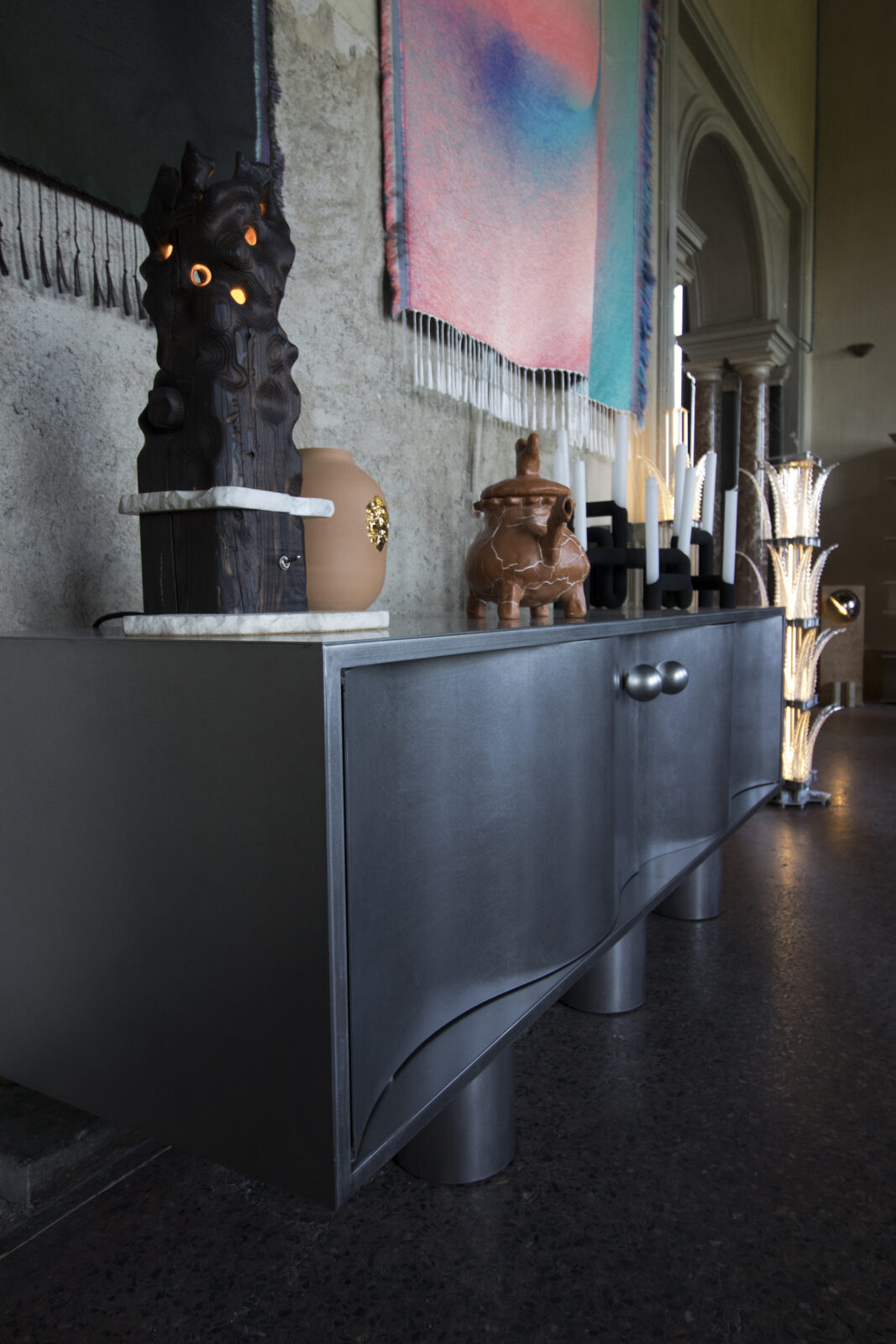
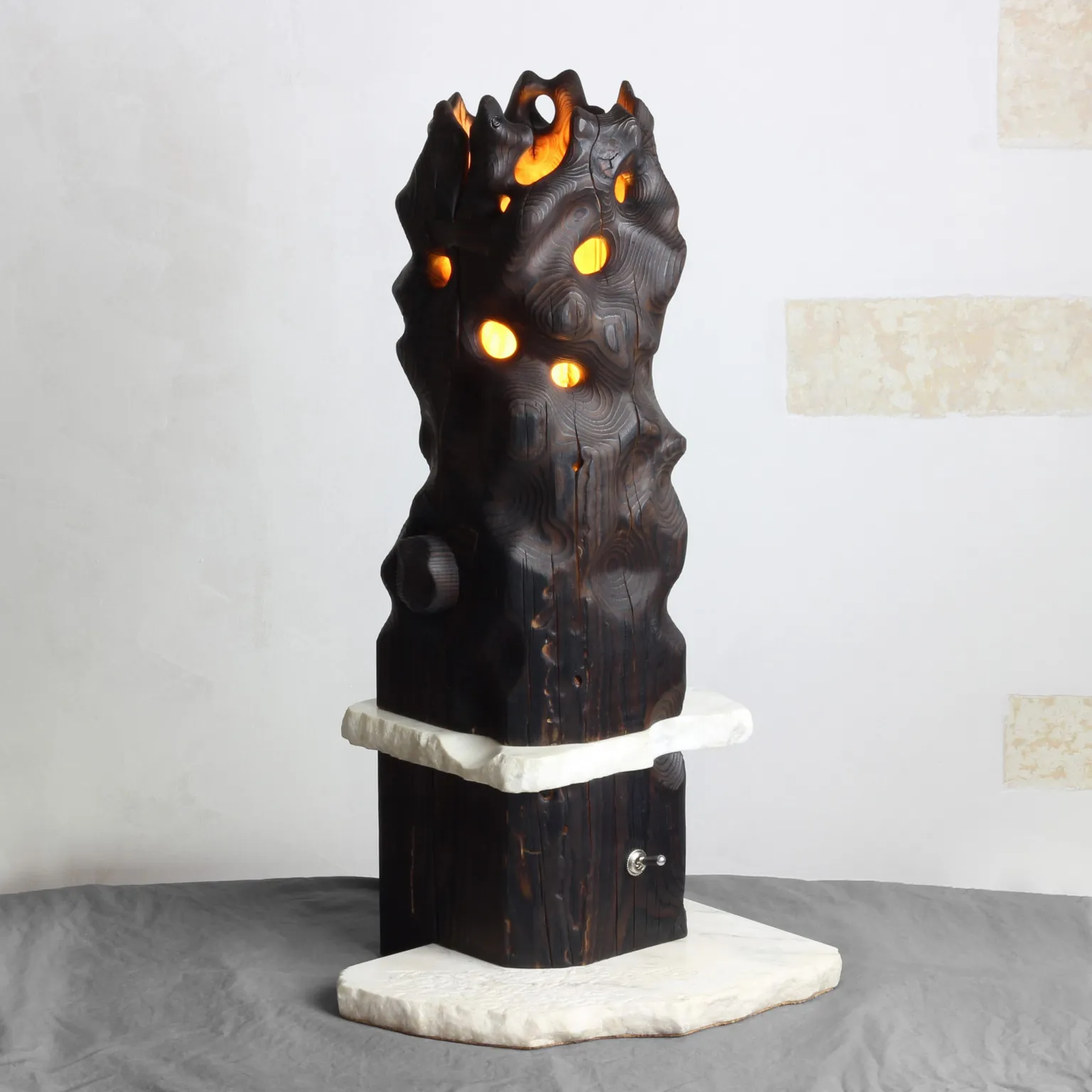
The Melting Collection provides a way to see the potential in broken and abandoned things. Gábor Góbi showed us that recycled materials can have deep emotional value without relying on synthetic additives. By turning environmental urgency into physical shapes, he invites us to witness the fragile beauty of our world.


