



Header: Courtesy of Renault Group
Contrary to popular belief, motorists across Europe are still looking for compact, affordable vehicles designed for urban living or for use as a second car. The problem lies in the size of the offering. Most manufacturers have simply pulled out of this segment, given the difficulty of reconciling competitive edge, compliance with standards and modern customer expectations.
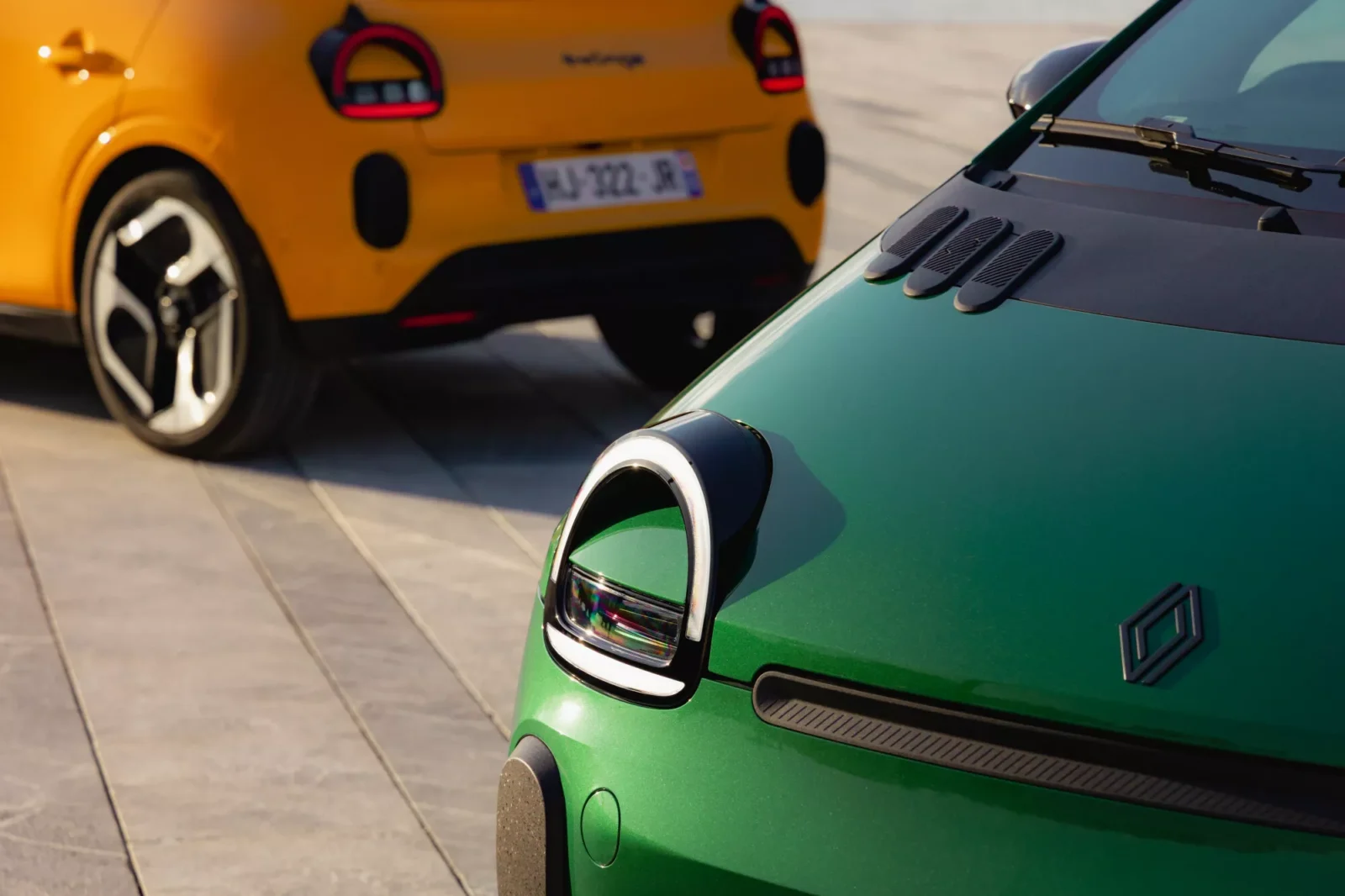
Building on its history and expertise in small cars, Renault decided to take on this challenge and, as a result, released the Twingo E-Tech electric. It represents a sweeping transformation of the market and not just of the A segment: a modern electric city car delivering high customer value at an affordable price.
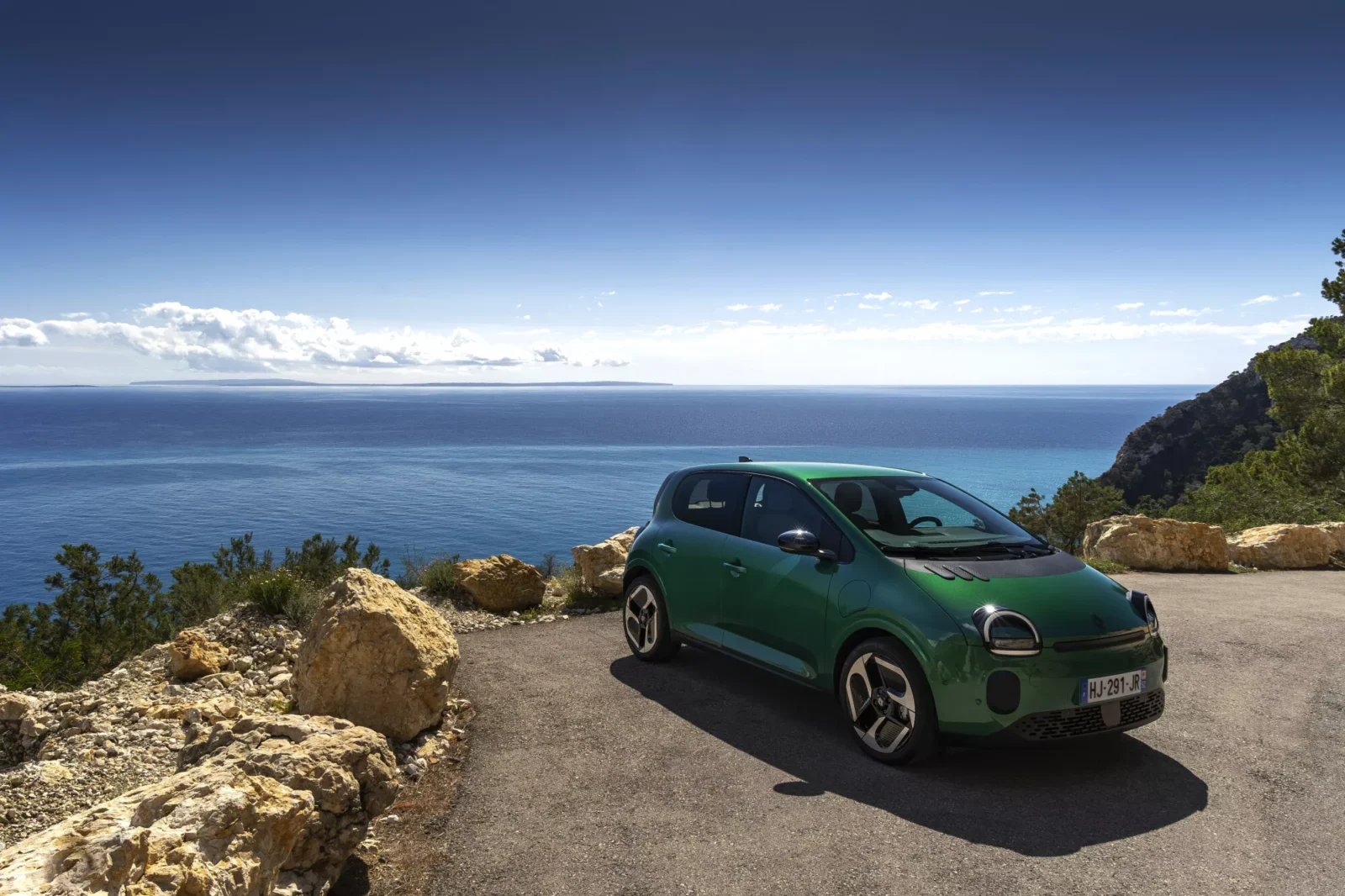
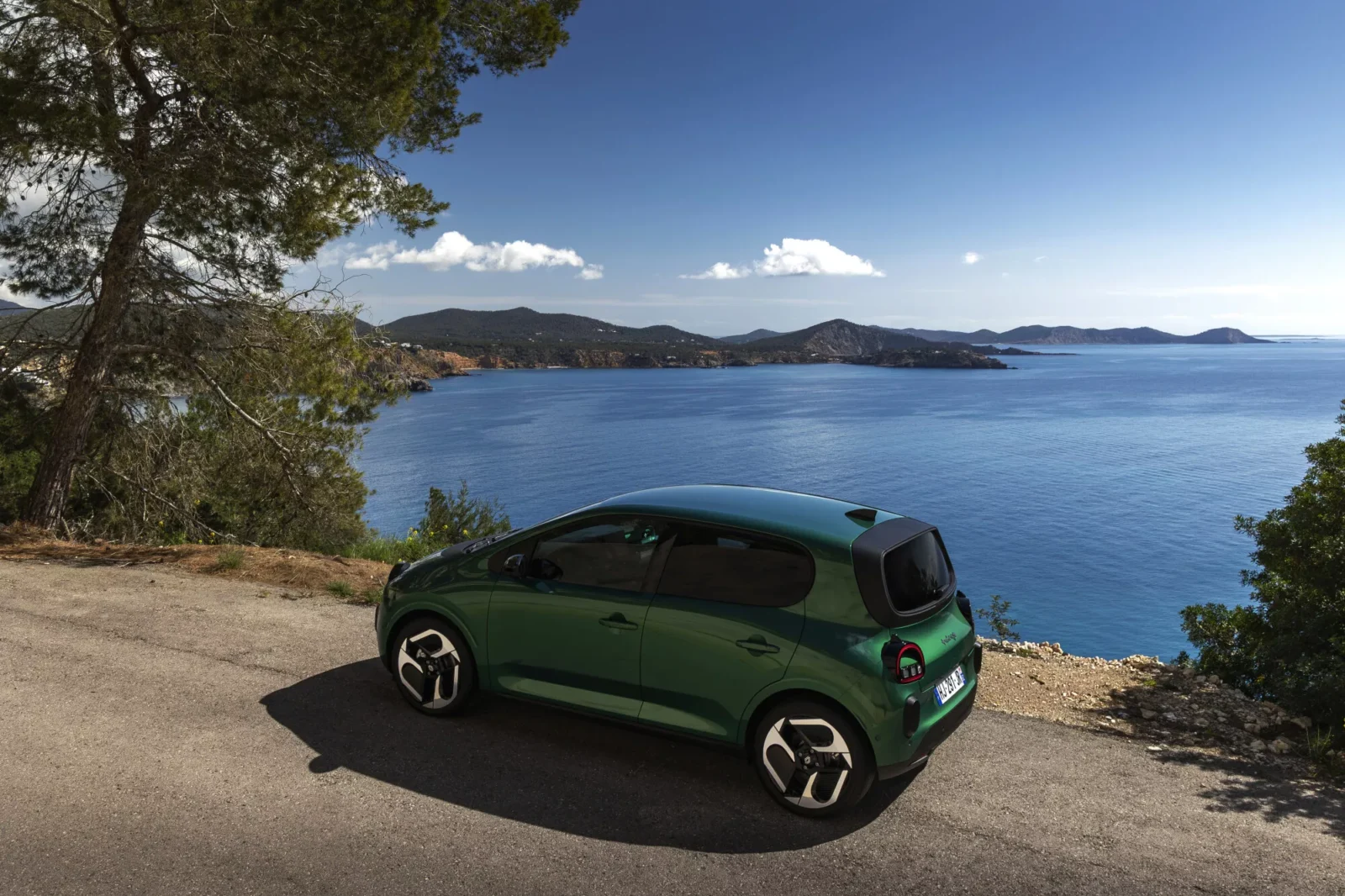
Same old look, but modern
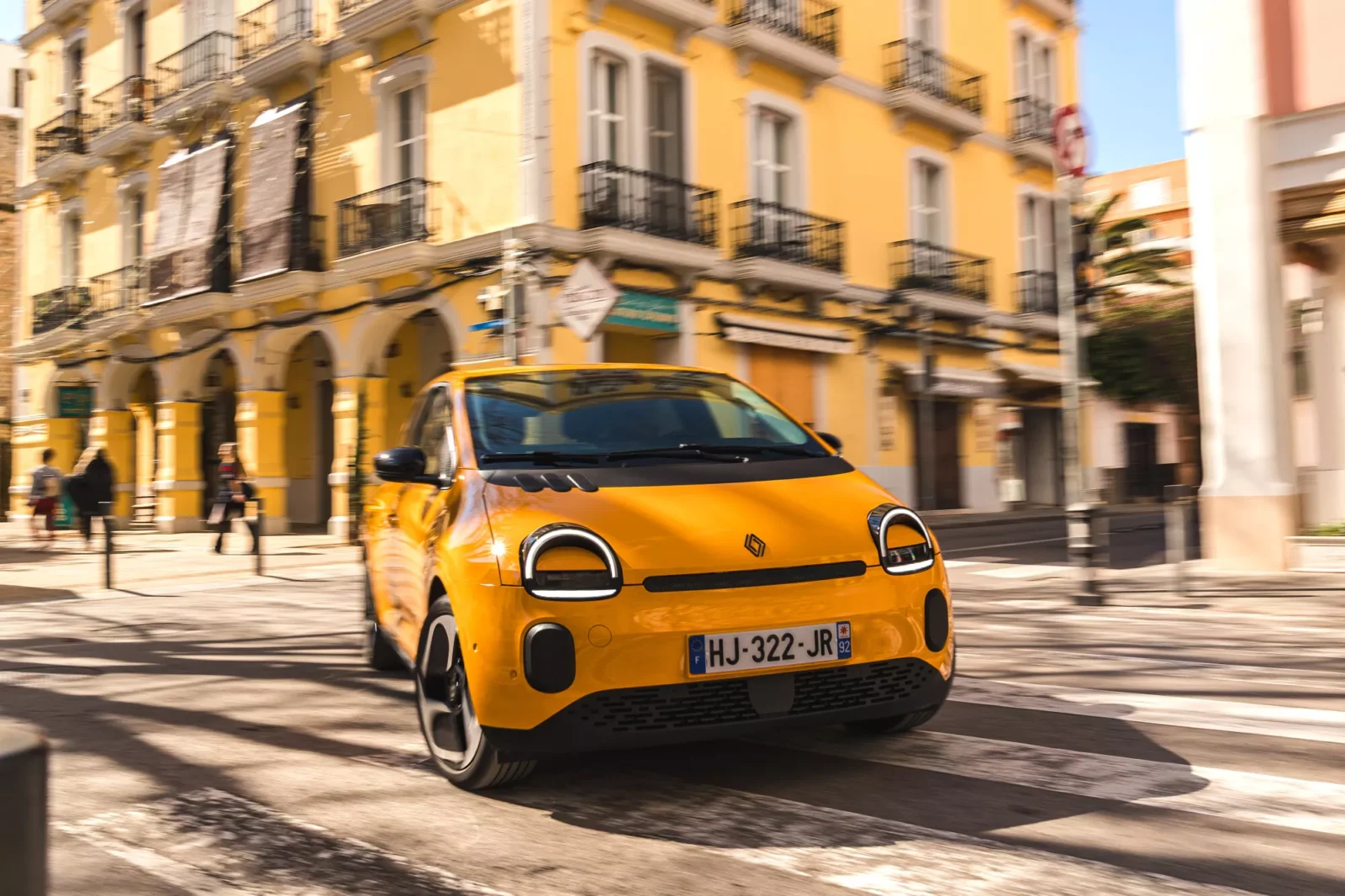
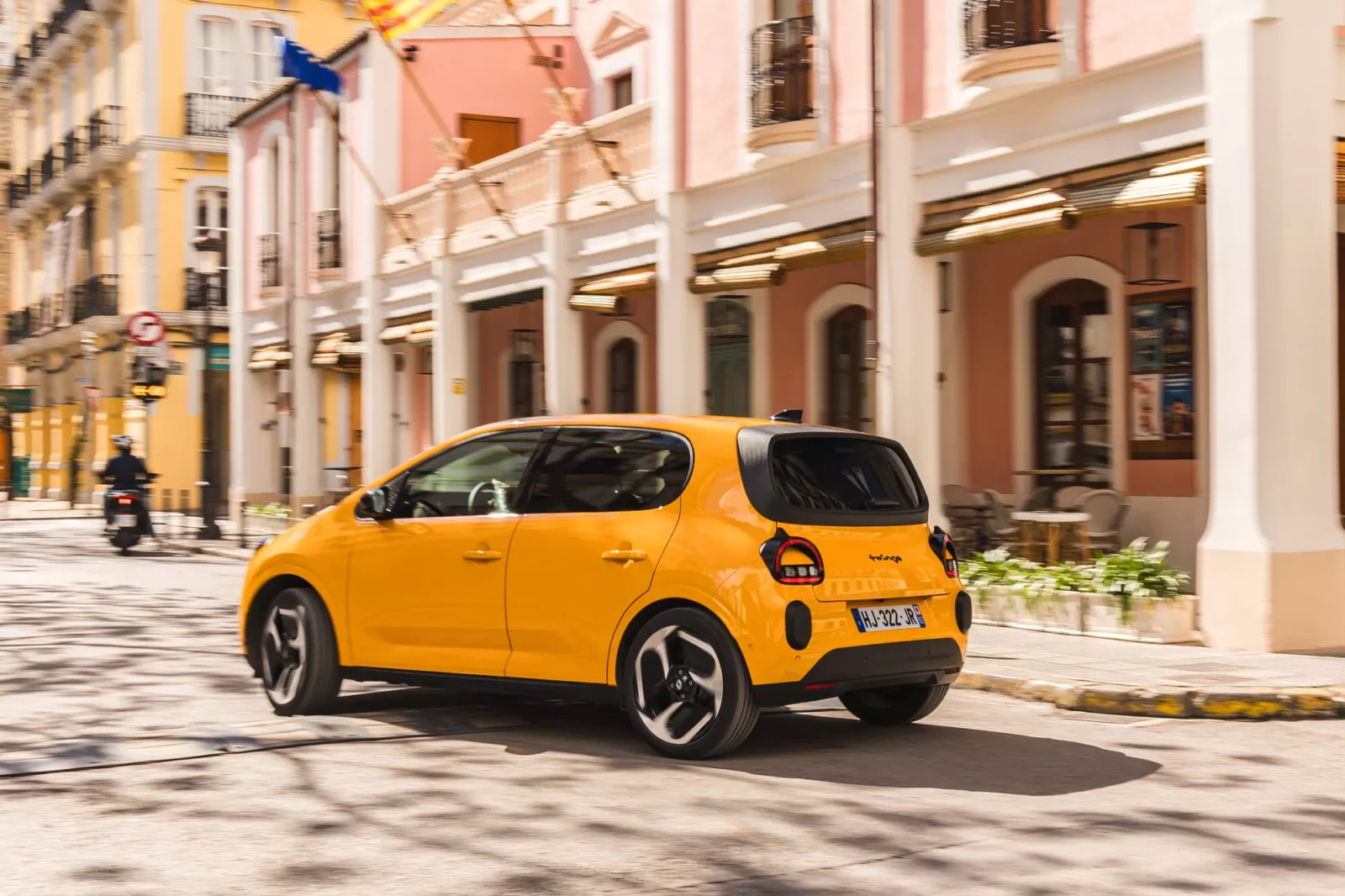
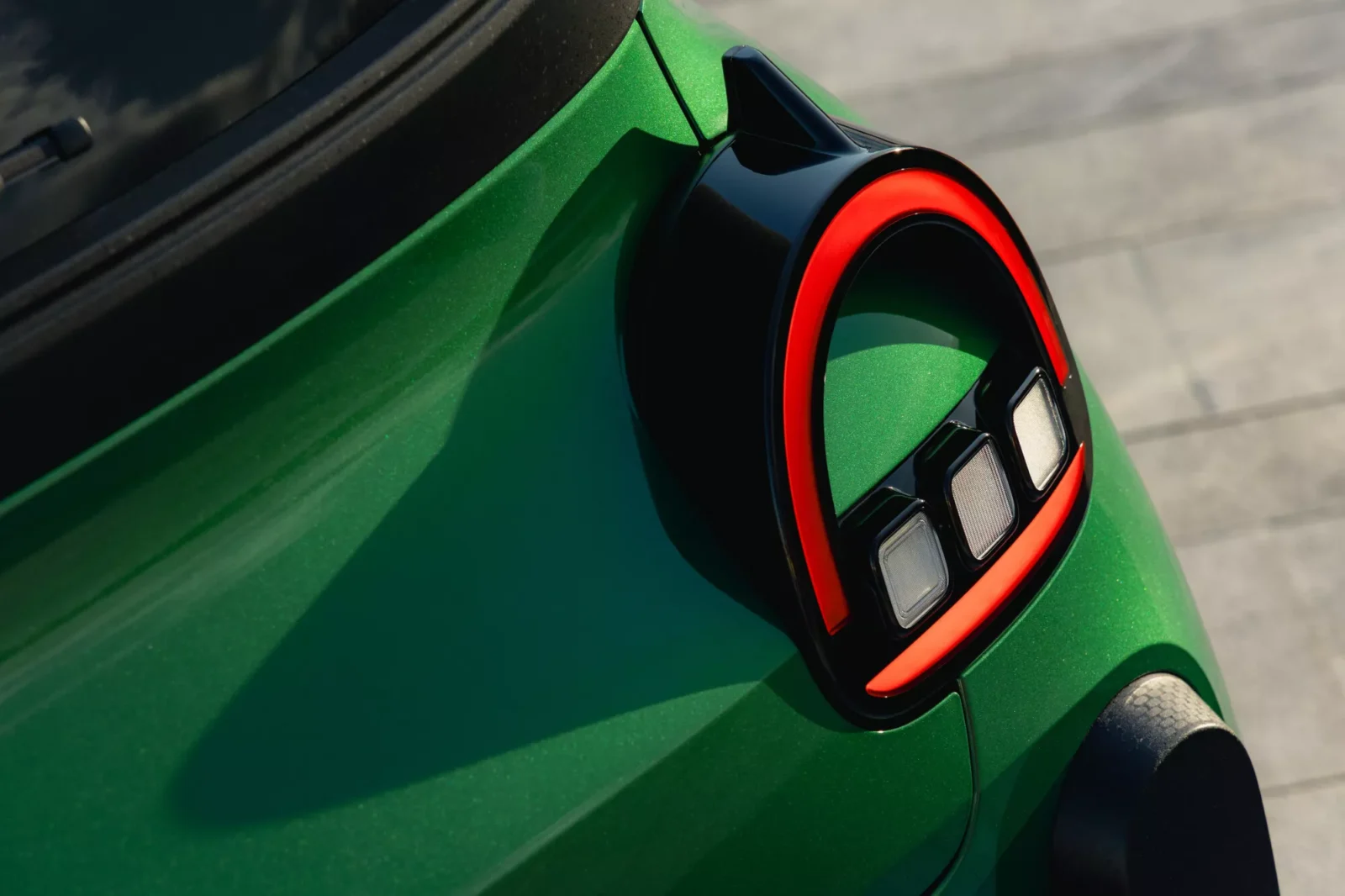
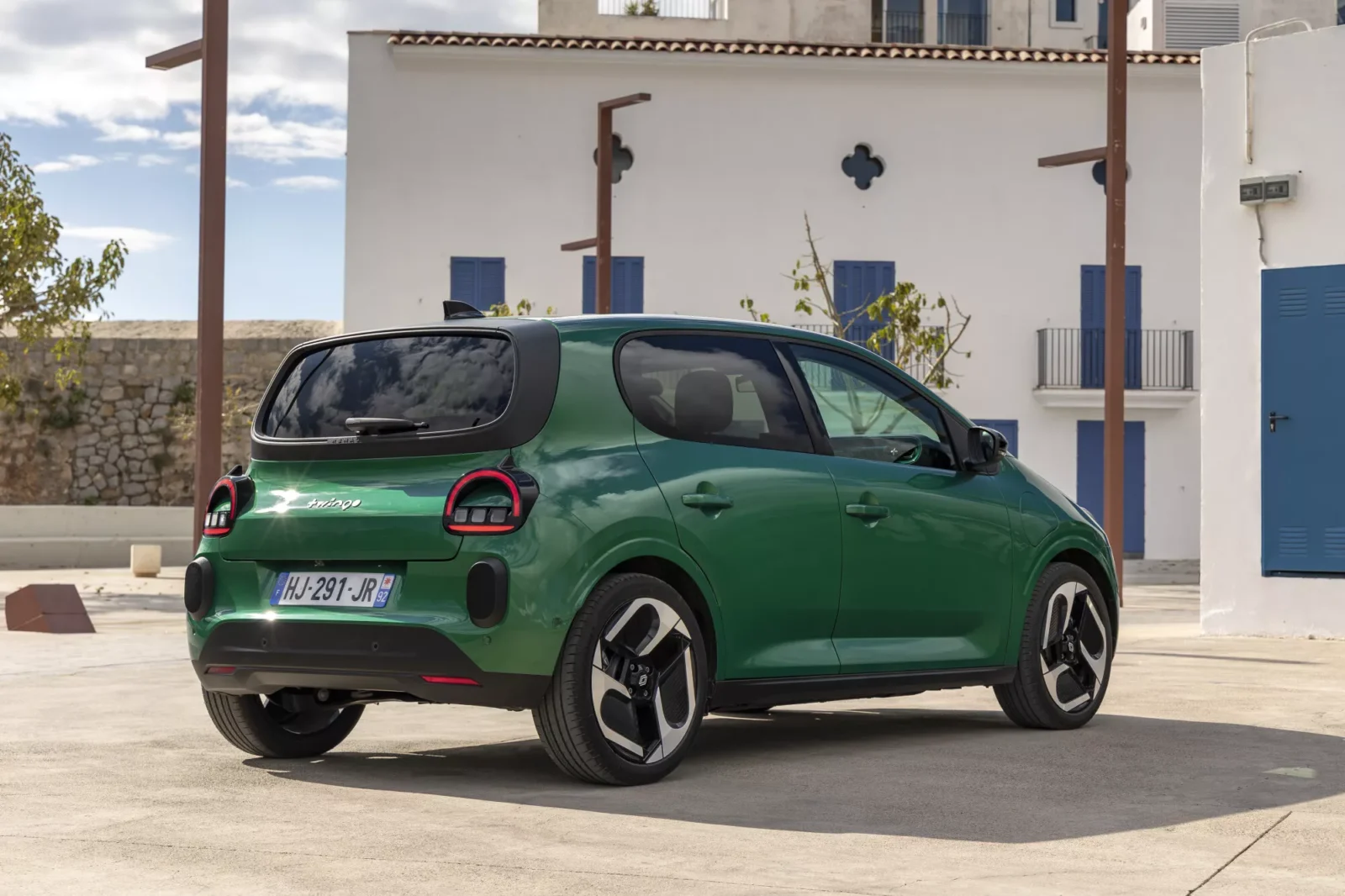
A vehicle of iconic and instantly recognisable design, the Twingo E-Tech electric is also exceptionally spacious and modular, with five doors, two independent sliding rear seats standard on all versions, a folding backrest on the front passenger seat and more. Interior space is optimised to meet every need, with a level of versatility never before achieved for this price.
The Twingo E-Tech electric is designed for quiet, all-electric driving with no exhaust emissions. Running costs are kept low, with energy use rated at 12.2 kWh per 100 km under the WLTP standard, although approval is still in process. It includes driver assistance features that are often only available on more expensive cars, as well as the OpenR Link multimedia system with Google built in, which is new for this class of car.
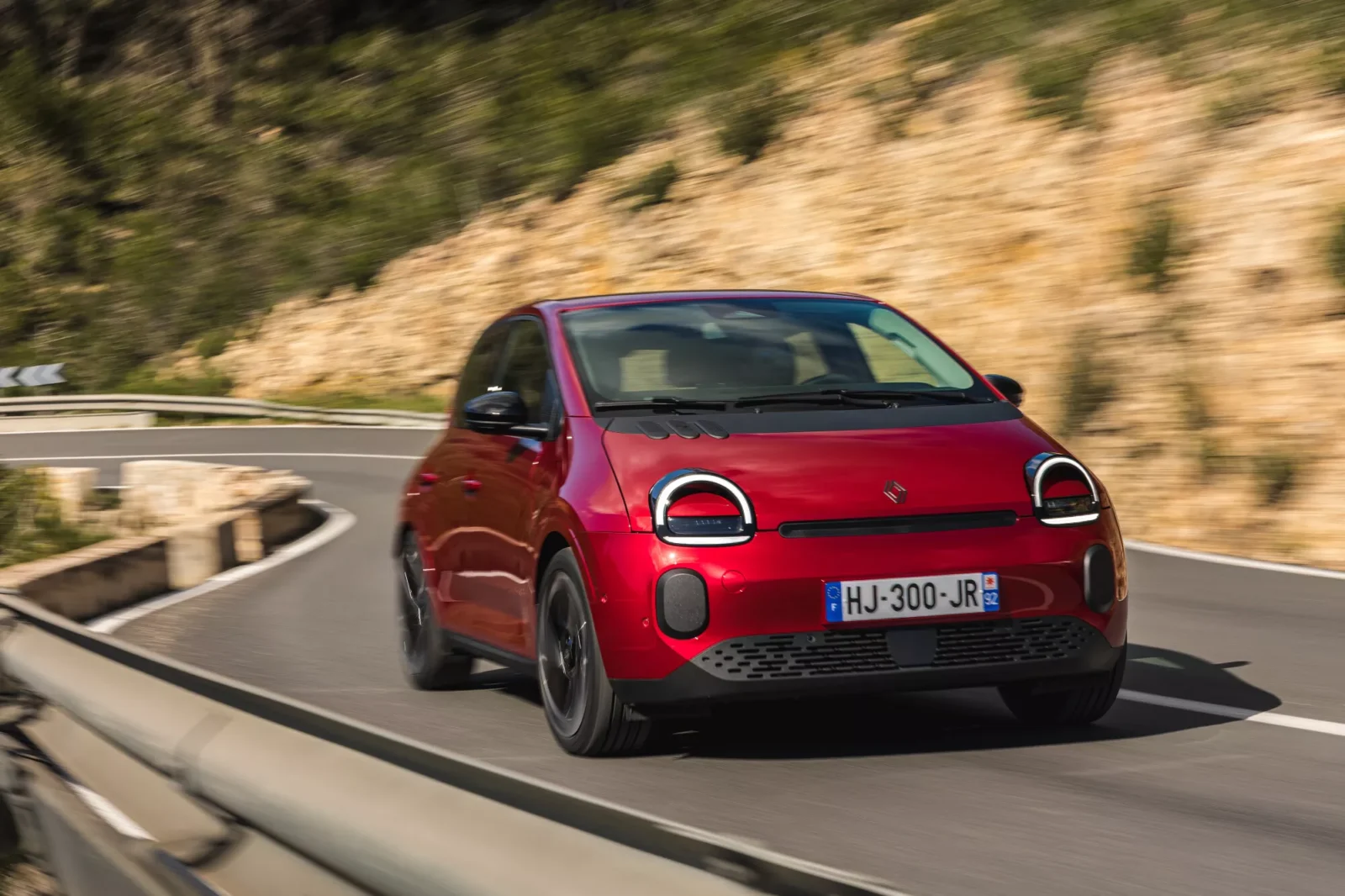
Simple and fun to drive
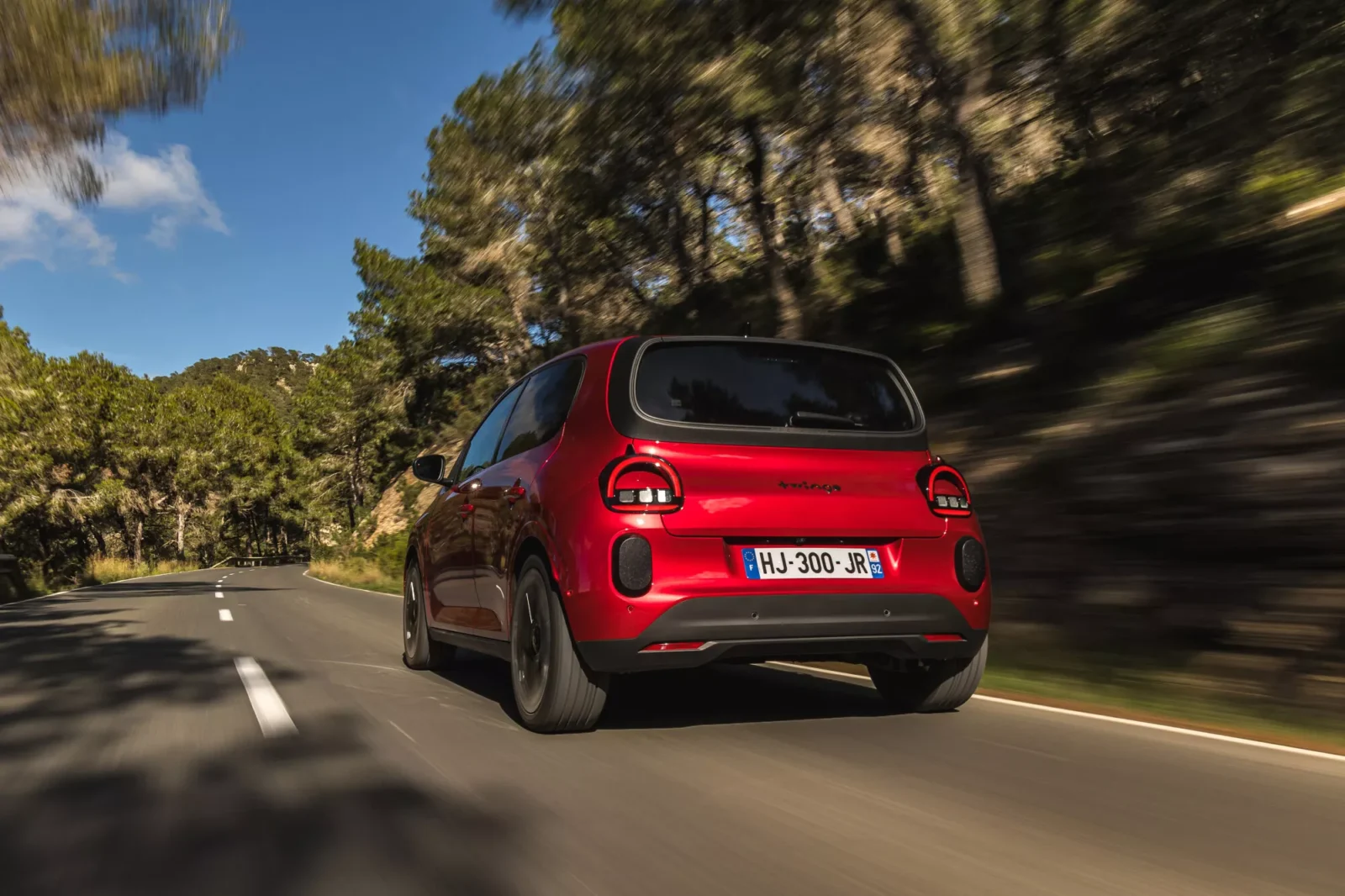
The car is made to be easy to drive, to help more people feel comfortable choosing an electric car. It uses an LFP battery with a WLTP range of up to 263 km, paired with a 60 kW (82 hp) motor, which gives it enough power for everyday driving while keeping the car light. The Twingo E-Tech electric is especially suited to city use, as its One Pedal function can make stop-start traffic easier to manage.
It uses the small AmpR platform, shared with Renault 5 and Renault 4 E-Tech electric, but adapted for everyday use. With a low weight starting from 1,200 kg and precise steering, it feels agile and responsive. It is comfortable and stable in the city, and it stays composed on faster roads as well.
The Twingo E-Tech electric has three main objectives:
1. Make electric mobility affordable and more sustainable
In response to strong demand in Europe for more affordable cars, the team at Renault began developing an electric city car that would cost less and have a lower environmental impact. The starting price was set at under €20,000, and, to achieve this, the design and production process had to be reconsidered from the ground up.
The Twingo E-Tech electric uses an LFP battery, as mentioned earlier, which is a first for the Renault Group. This type of battery uses widely available materials such as iron and phosphate instead of critical metals. Combined with a cell-to-pack design, it reduces the overall battery cost by about 20%.
Thanks to an optimised motor and carefully developed aerodynamics, the car uses very little energy, which allows it to use a smaller and lighter battery. Furthermore, the vehicle was designed to have a lower environmental impact, with Renault saying that, over its full life cycle, its carbon footprint is 60% lower than that of a comparable petrol or diesel city car.
Renault is also reducing the carbon impact of its materials: for the first time, the body-in-white sheet metal includes 38 kg of low-carbon European steel made in electric arc furnaces and containing 75% recycled material, which Renault says avoids 2,850 tonnes of CO₂e.
2. Cut vehicle development time to two years
The Twingo E-Tech electric was developed more quickly than any previous Renault model, as the time from the start of the project to production was just 100 weeks. Regarding this, Renault says it is twice as fast as its earlier electric vehicles.
To make this possible, Renault created a new organisation bringing together European expertise and Chinese innovation. It was built around three parts: Ampere, ACDC and the Novo Mesto assembly plant. Renault says this new way of working will support a new generation of vehicles developed through a faster, simpler and more efficient process.
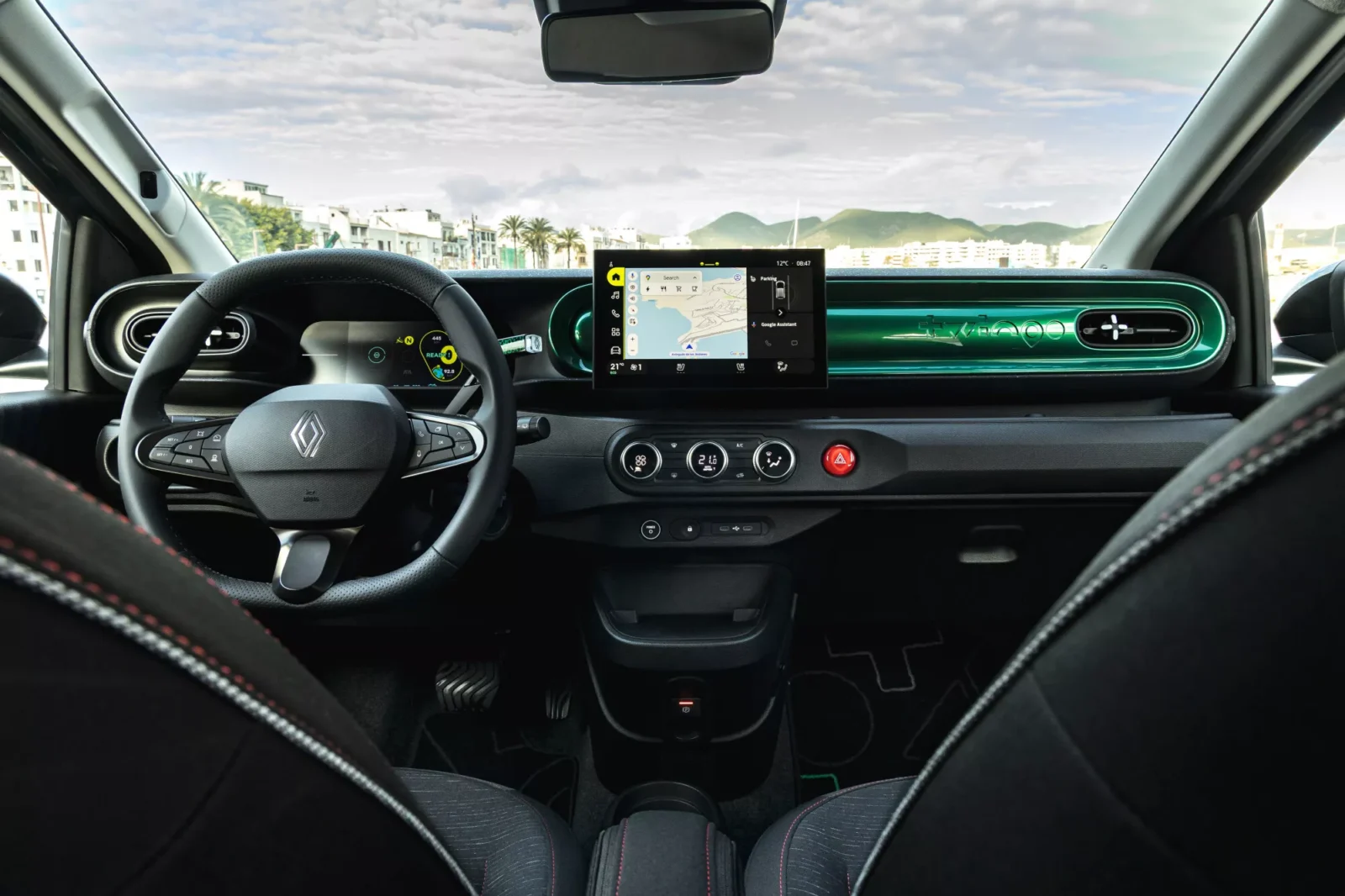
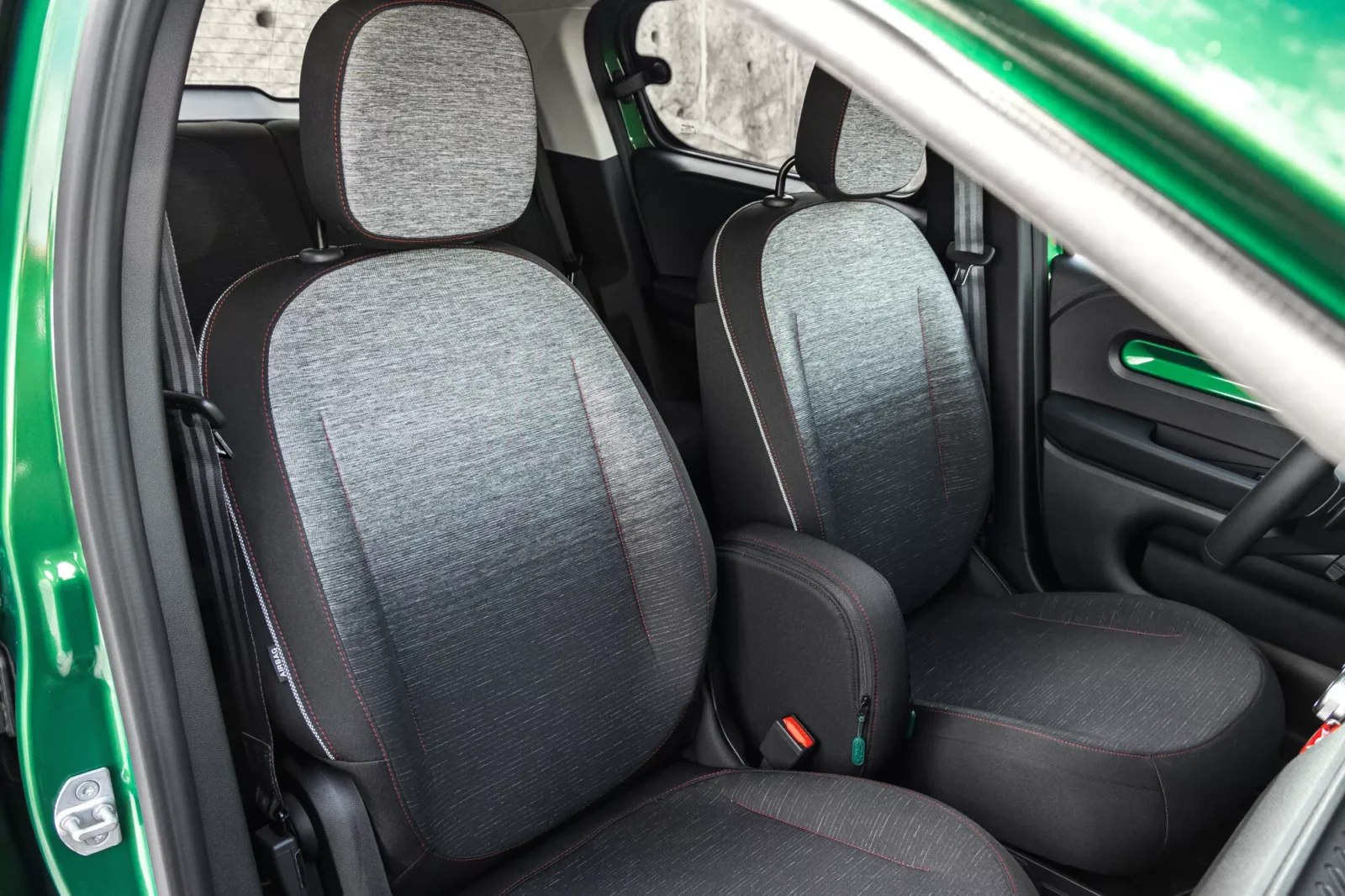
The design process began in France at the Technocentre, using the AmpR Small platform, which was developed for A- and B-segment cars. A simpler management structure allowed decisions to be made more quickly, with the benefit of also reducing delays between different teams and keeping the project aligned with Renault’s electric vehicle strategy.
The second phase took place in China, at ACDC, the R&D centre established in Shanghai in 2024. The work there focused on making use of the local network, known for fast development, competitive costs and technical expertise. With support from this local ecosystem and from new industrial partners, the project was able to move forward more quickly and efficiently. Around 100 ACDC engineers worked on the Twingo project, with responsibility for systems integration and project management. Development of the platform, electronics, software, multimedia system and driver assistance features was carried out in France.
Finally, the complete car was built at the Novo Mesto plant in Europe. There, the development process was more collaborative and involved closer work across different teams than a conventional model programme. The number of parts used in the vehicle was also reduced compared with a typical car.
According to Renault, this global approach cut development time by a full year for a comparable model and reduced investment costs by half, showing Renault’s goal of shortening the overall development timetable:
- 16% less time for early-stage work
- 41% less time for development
- 26% less time for production
Renault says these results will now serve as a benchmark for future projects.
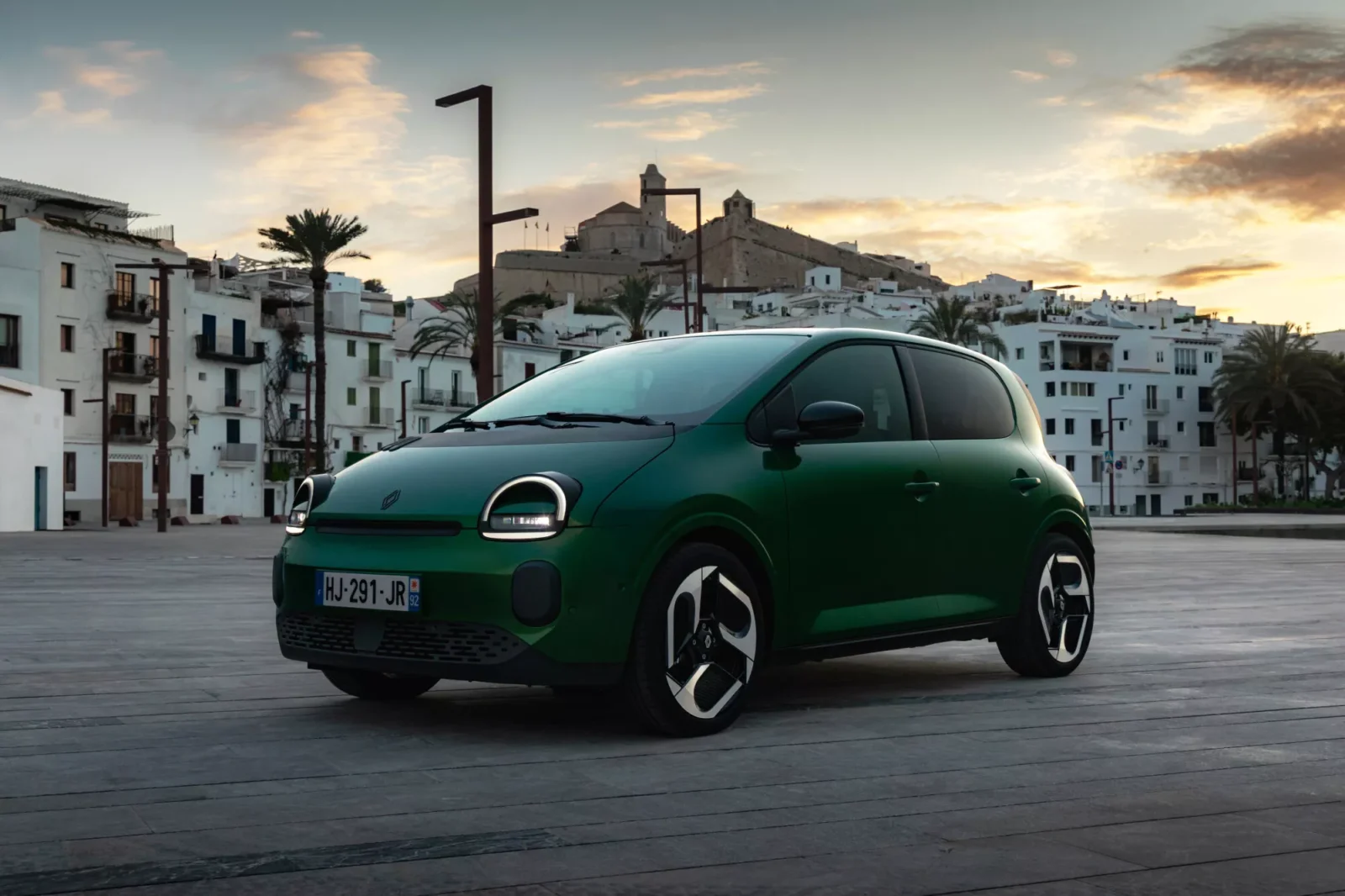
3. Maintain a competitive production base in Europe
At the Novo Mesto plant, Renault has reorganised production and strengthened the local supply chain for the Twingo E-Tech electric. To do that, the car giant invested heavily in upgrading the plant, with a focus on sustainability and smarter industrial processes. This transformation includes:
- Modernisation of systems across the production chain, with new lines for the injection moulding and painting of bumpers, as well as for the assembly of the seats and front crossmember.
- Upskilling of employees through intensive training and retraining programmes in digital know-how and electric vehicle technologies.
- Ecological and digital transition of the site, with the implementation of solutions such as Plant Connect (an industrial metaverse) and a solar power plant.
This project follows Renault’s wider approach of combining industrial efficiency, technical development and lower environmental impact. Many suppliers are based close to the factory, which helps cut transport distances. On the delivery side, 75% of Twingo E-Tech electric customers are located within 1,000 kilometres of the plant, which Renault says reduces both logistics costs and the car’s carbon footprint.
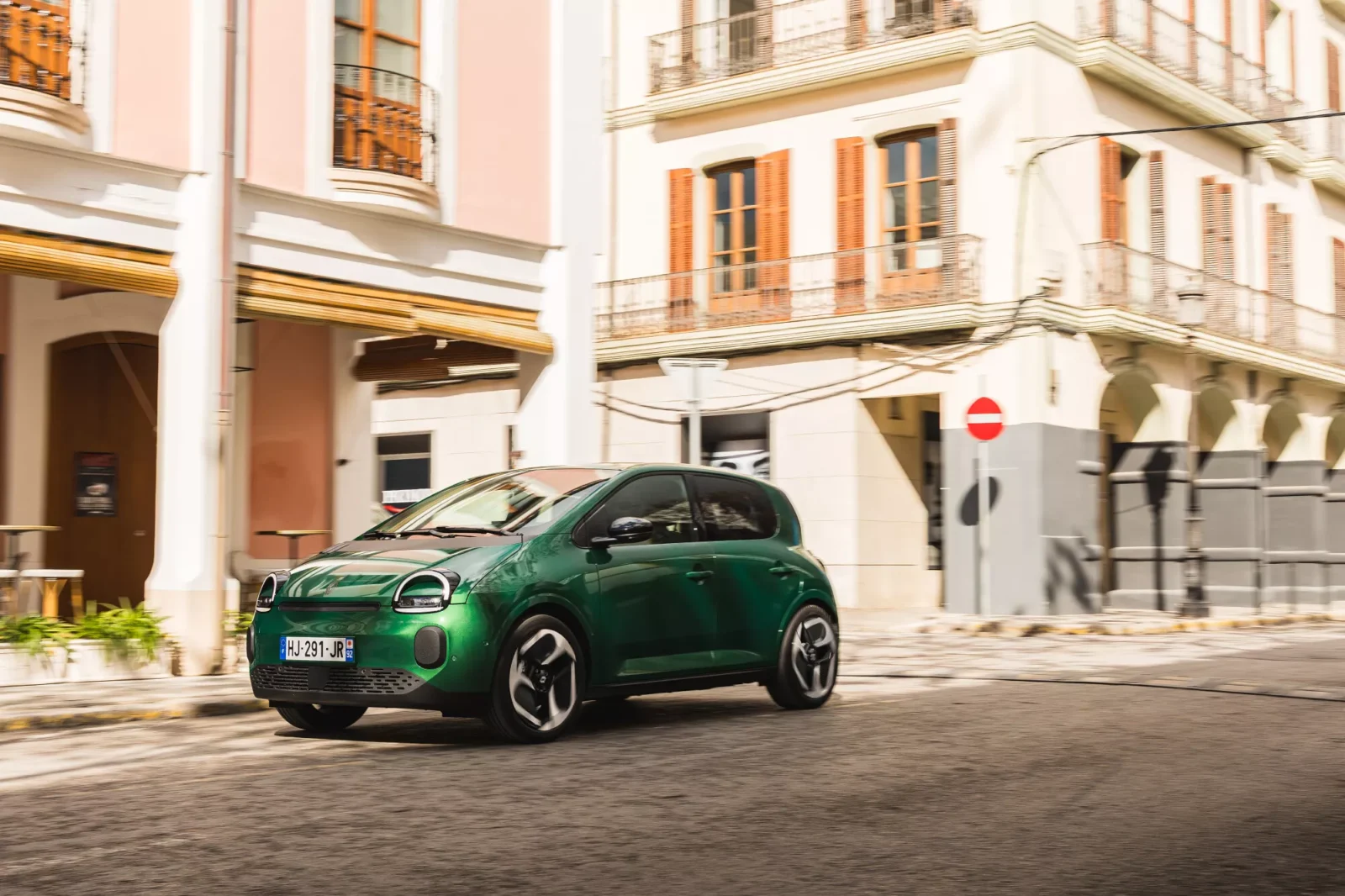
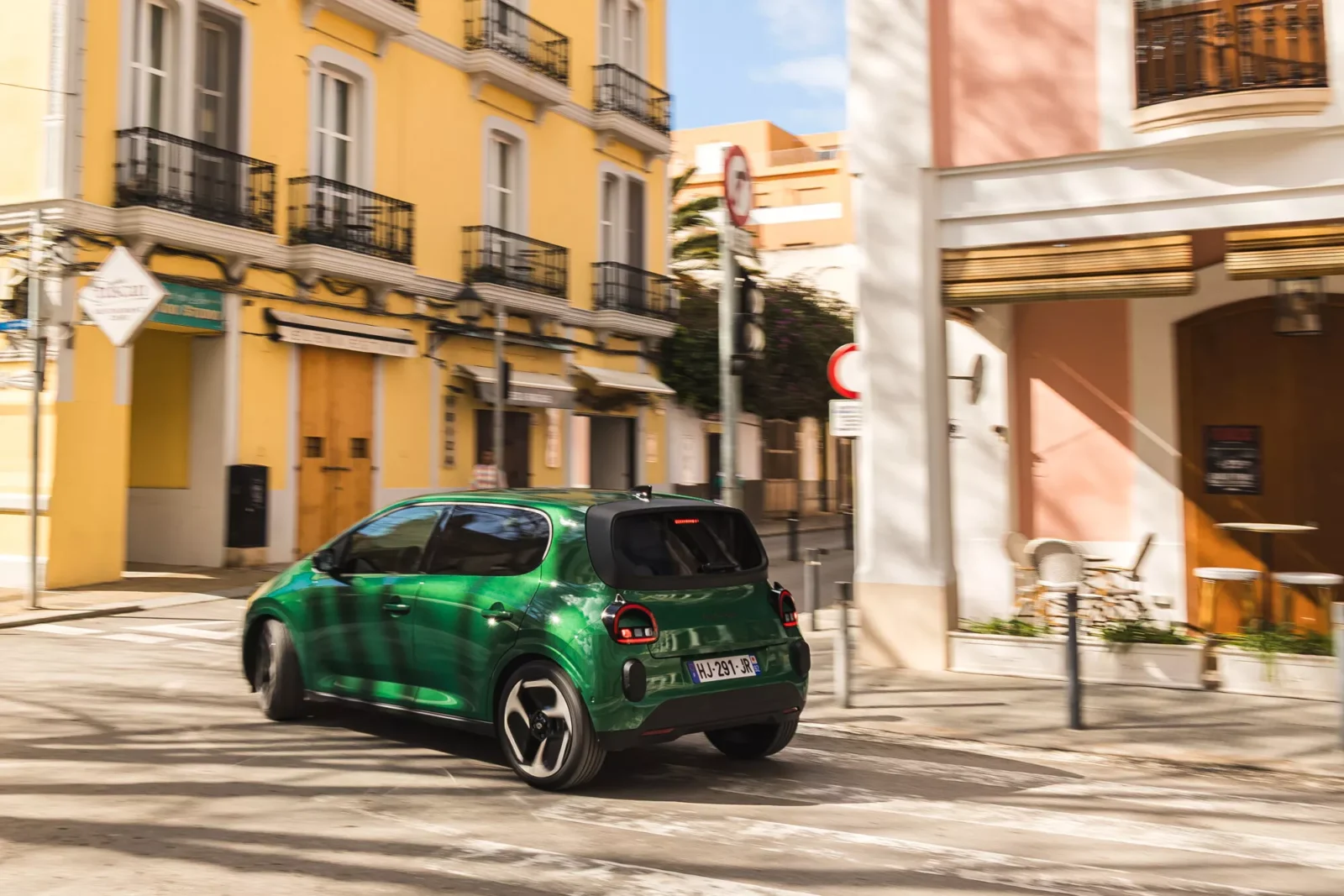
The Twingo E-Tech electric brings Renault back to the small city car with a model that combines compact dimensions, practical interior space and lower running costs in an affordable electric package.


