
Header: Jean Van Cleemput
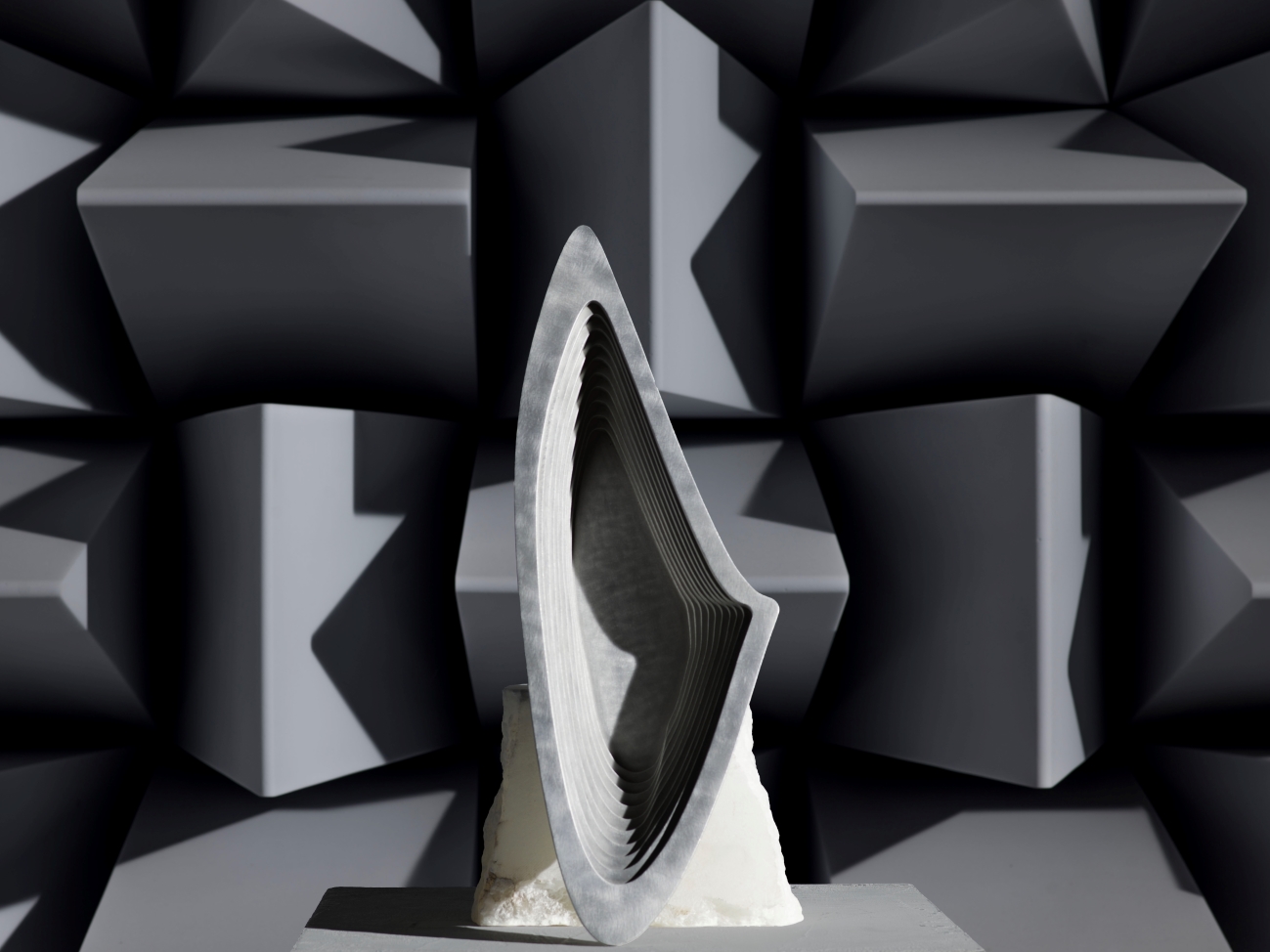
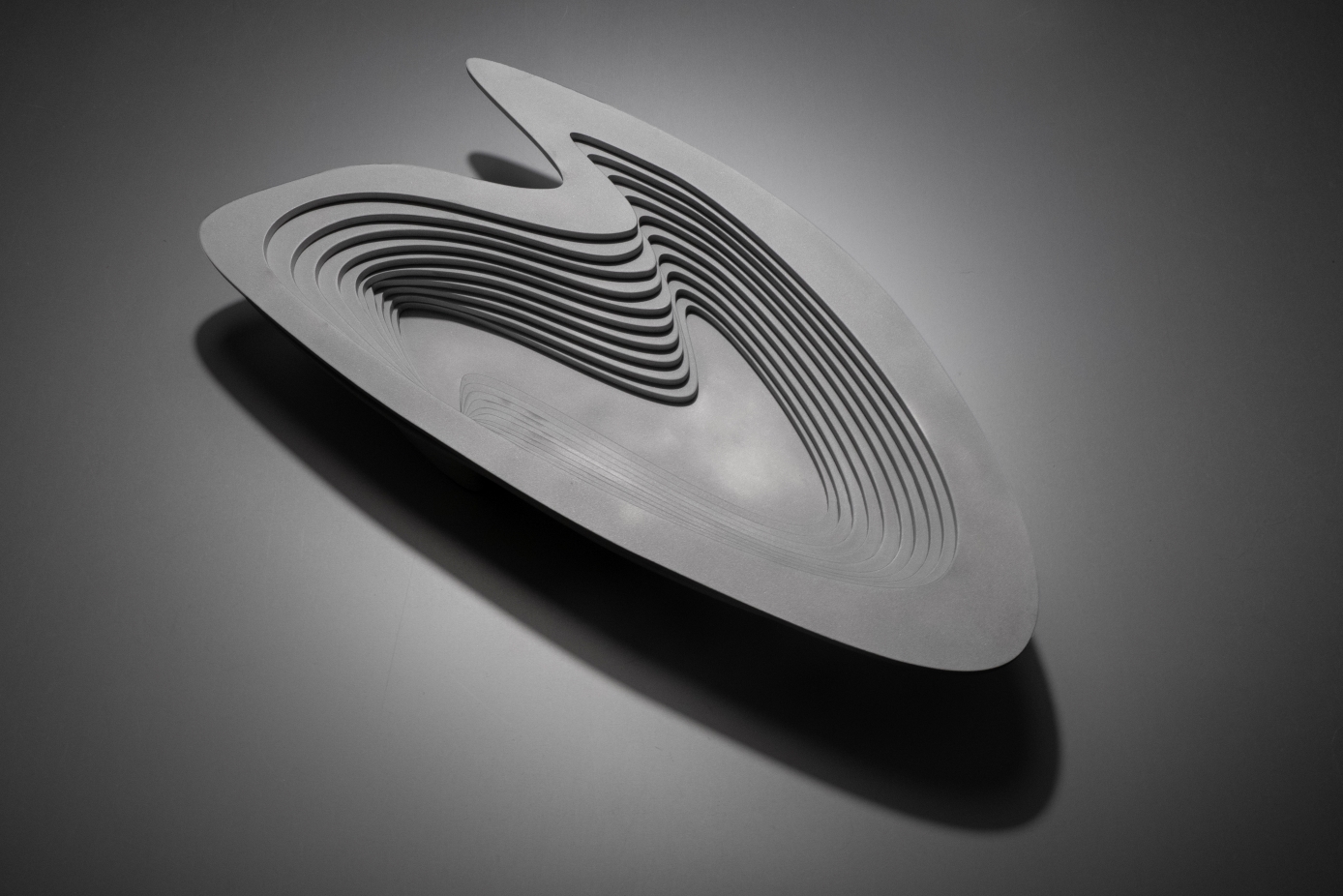
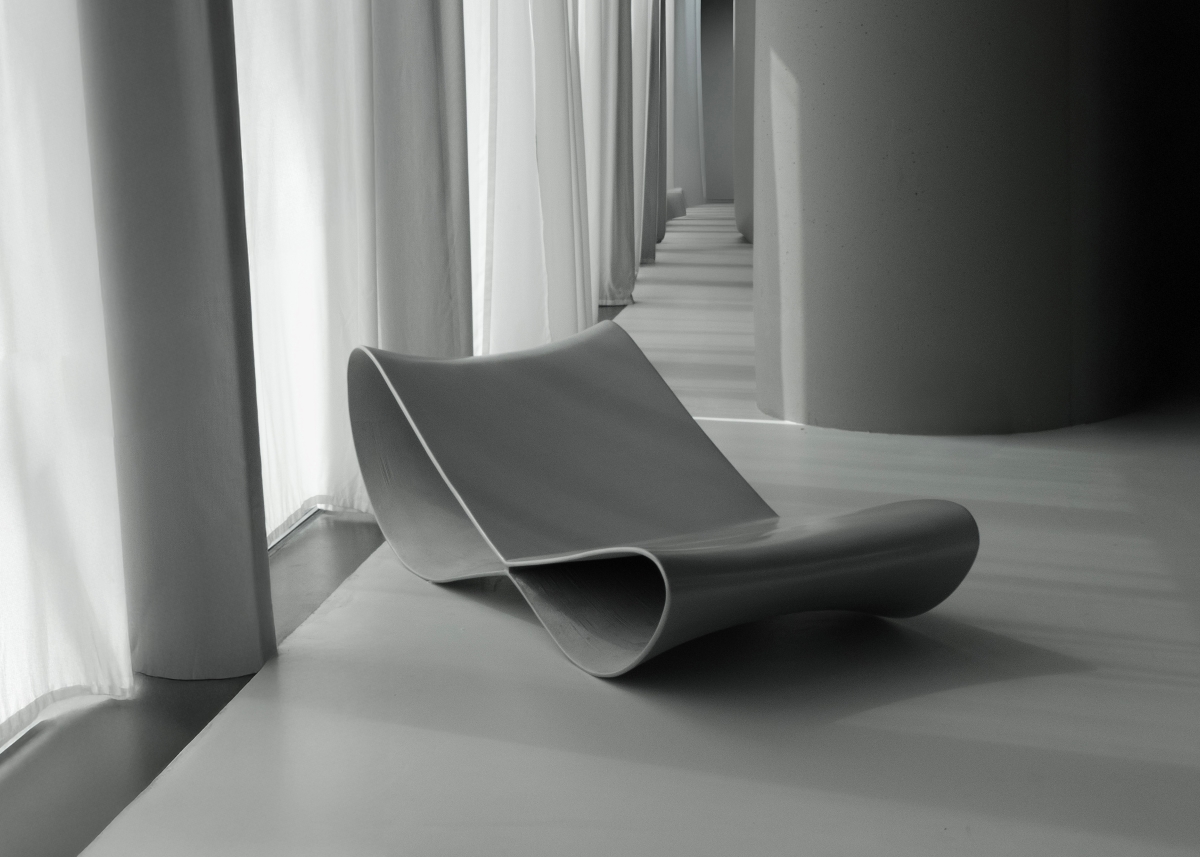
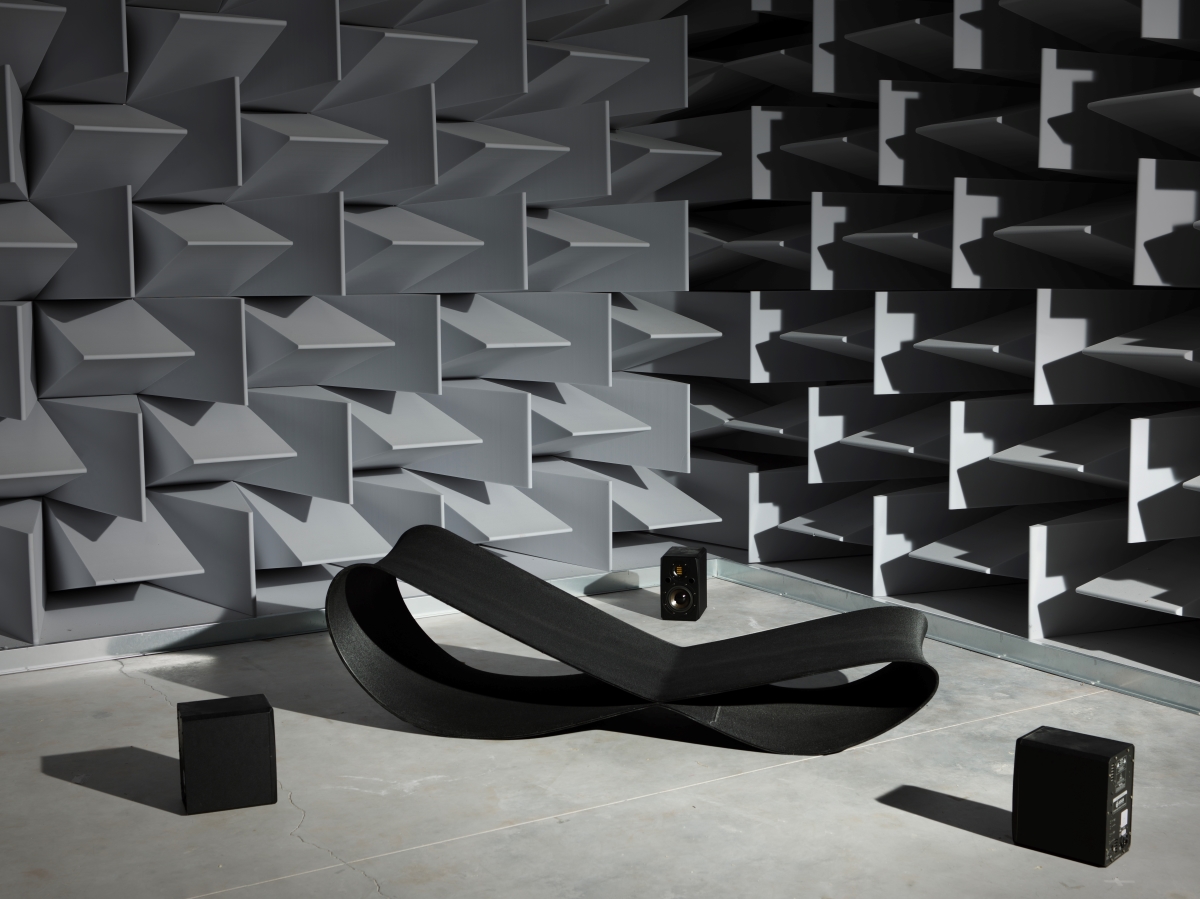
Monad Origin, a duo from Belgium, has made a name for itself by transforming sonic phenomena into design objects. Their creative process includes identifying vibration through pattern recognition. These vibrations are then transformed into functional objects, including tables, lounge chairs, and bowls. The pieces made in limited editions carry specific names such as Study for a Table [30Hz 0.4y – 26Hz 0.8y], signifying the sonic parameters that created the shape. Both ancient and futuristic, the pieces born from vibration eliminate the subjectivity of human design.
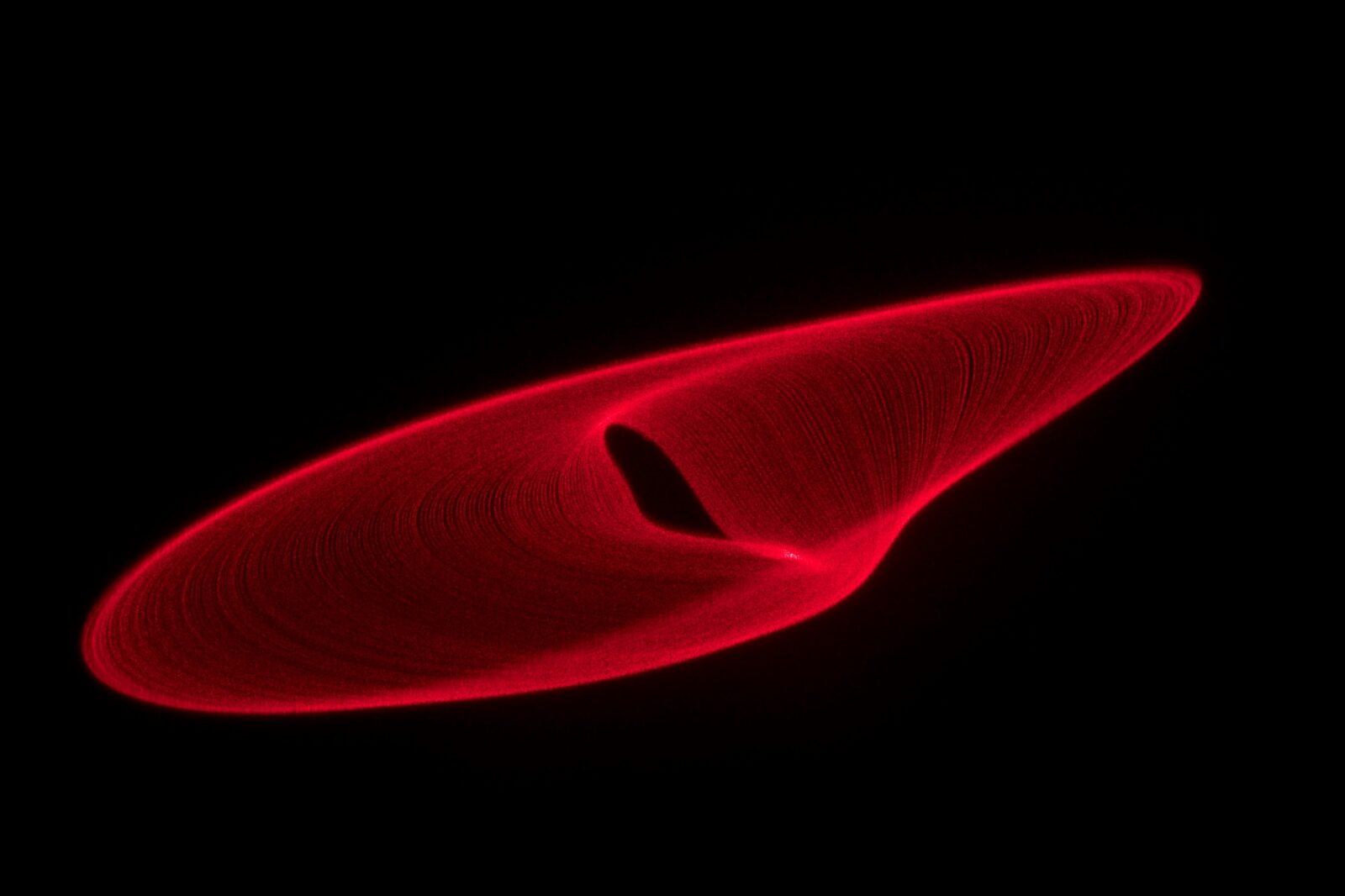
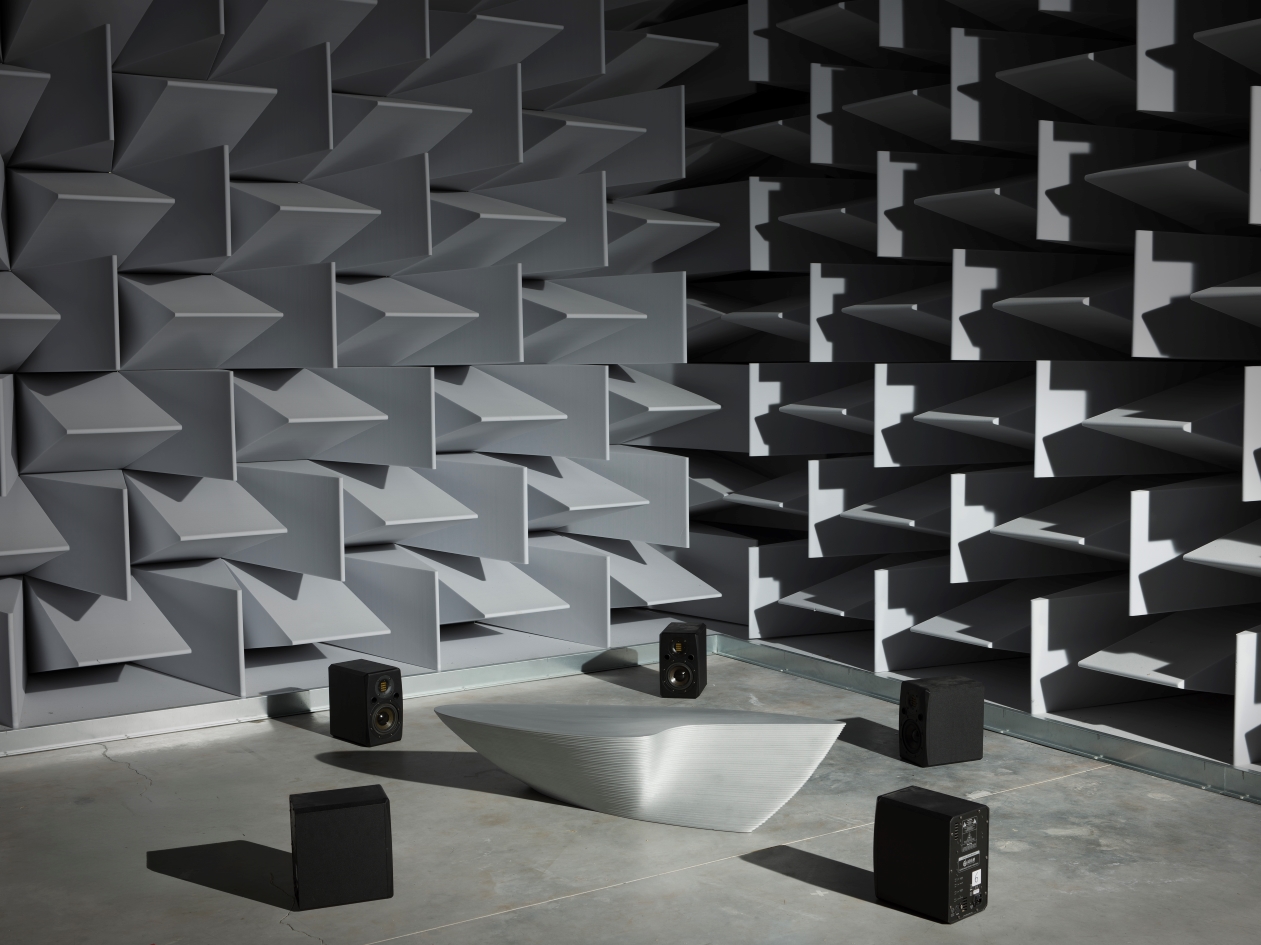
Time-consuming experimental process
Every object starts with a frequency treated as a measurement of an invisible state. The frequency is placed into the installation, where it is converted to densities, proportions, tensions, and voids. Not all experiments will become objects. Some remain studies, but if a shape is stable enough to exist in the physical world, they are converted into an aesthetic or functional object in a process that can last up to several months. Although created in a technical, almost clinical experiment, the final product is neither cold nor clinical. On the contrary, many pose an organic quality with intuitive curves and lines.
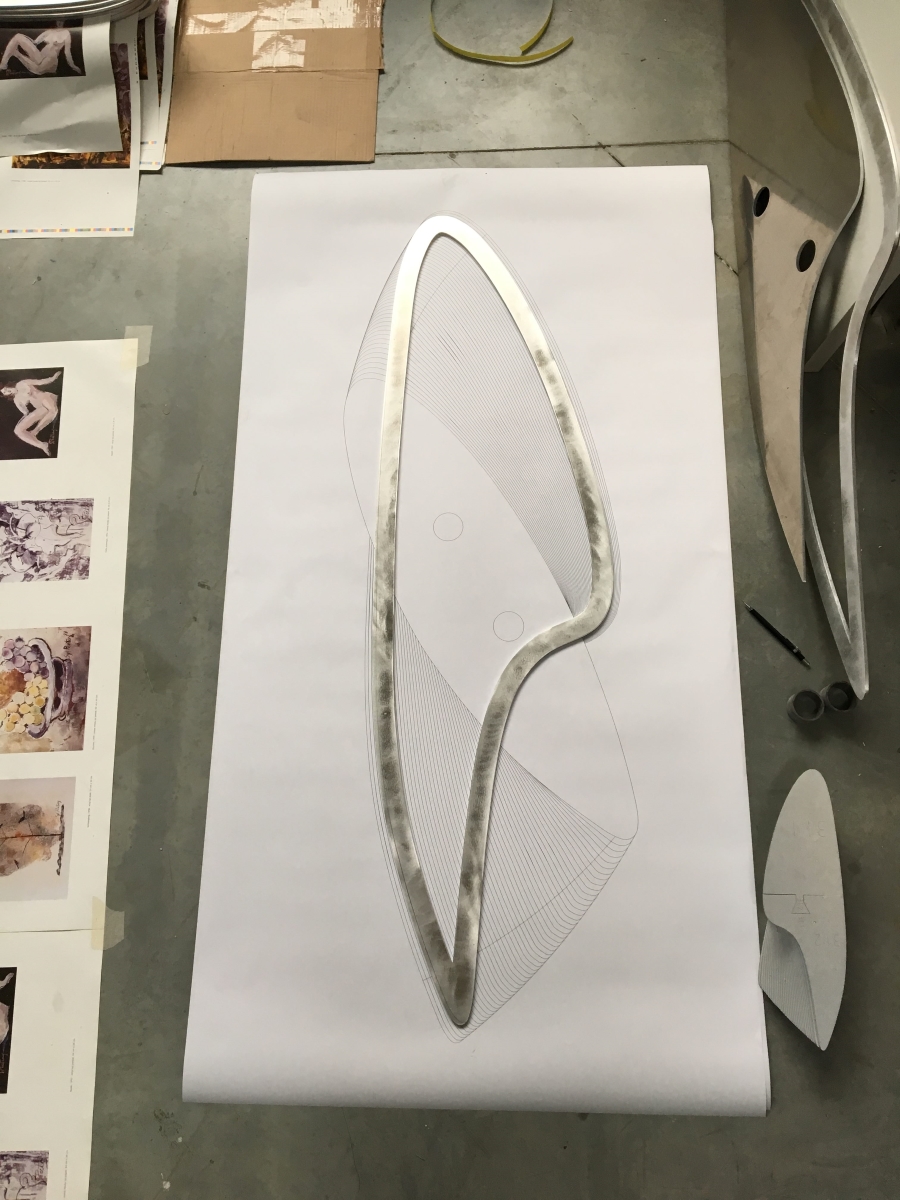
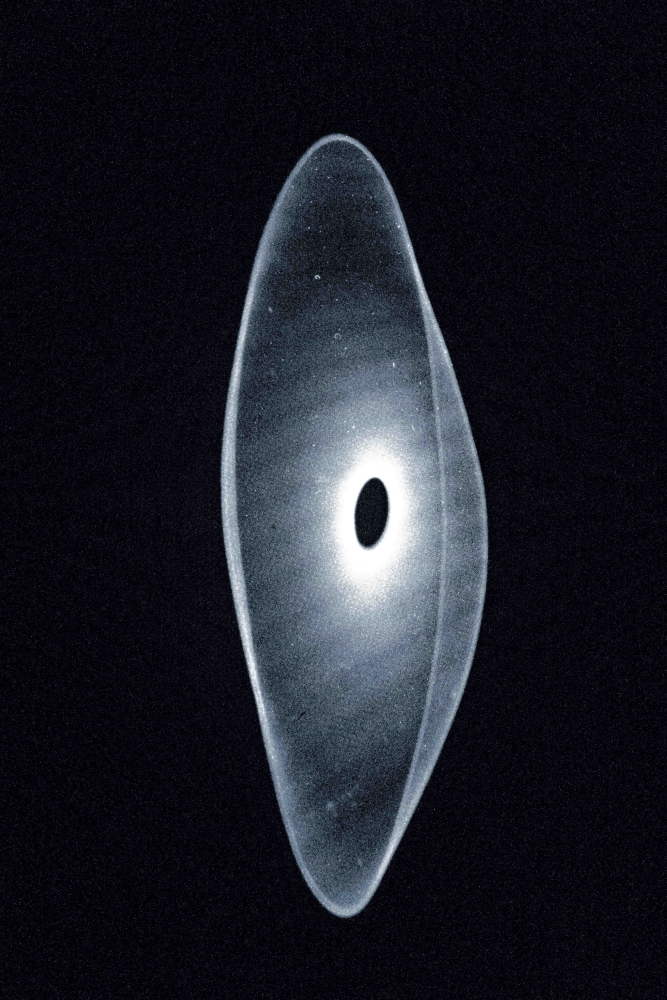
Giving function to the waves
Design usually starts with function. The form then follows. But in Monad Origin’s design process, it all starts with the frequency. The frequencies break into stability, horizontality, and form organically. They become a chair or a bowl unintentionally, because vibration naturally creates containment. Some forms remain sculptural as they resist the idea of functionality. As a result, the objects feel discovered rather than designed.
Monad Origin at Collectible Brussels (March 12-15)
Monad Origin’s original spatial designs will be showcased during the 9th edition of Collectible Brussels fair. An event taking place between March 12 and 15, 2026, is dedicated to contemporary collectible design. Located in the Bespoke section, the presentation will include the complete production system, including graphics, sculptures, and spatial decisions, alongside collectible objects.
The visitors will have the opportunity to commission an artefact made from a sound that’s personally important to them. It can be a voice, a memory, or any other personally significant sound. The sound will be translated into a unique one-of-a-kind object, a personal frequency in a physical form. In that sense, the fair in Brussels will both present the studio’s design process and also demonstrate the full potential of the duo’s work.
From RBG18 to Monad Origin
The Monad Origin was founded by Nick Peeters and Anujin Byambaa. Originally called RBG18, the studio initially focused on perception, colour, and material. Over time, their work focused more on the origin of a shift embodied in their new name, Monad Origin.
“The ‘monad’ is the smallest indivisible unit, something complete in itself, containing its own internal logic. That’s how we see each artefact: not as a fragment of a larger system, but as a self-contained object that holds a trace of something immaterial.”
Monad Origin
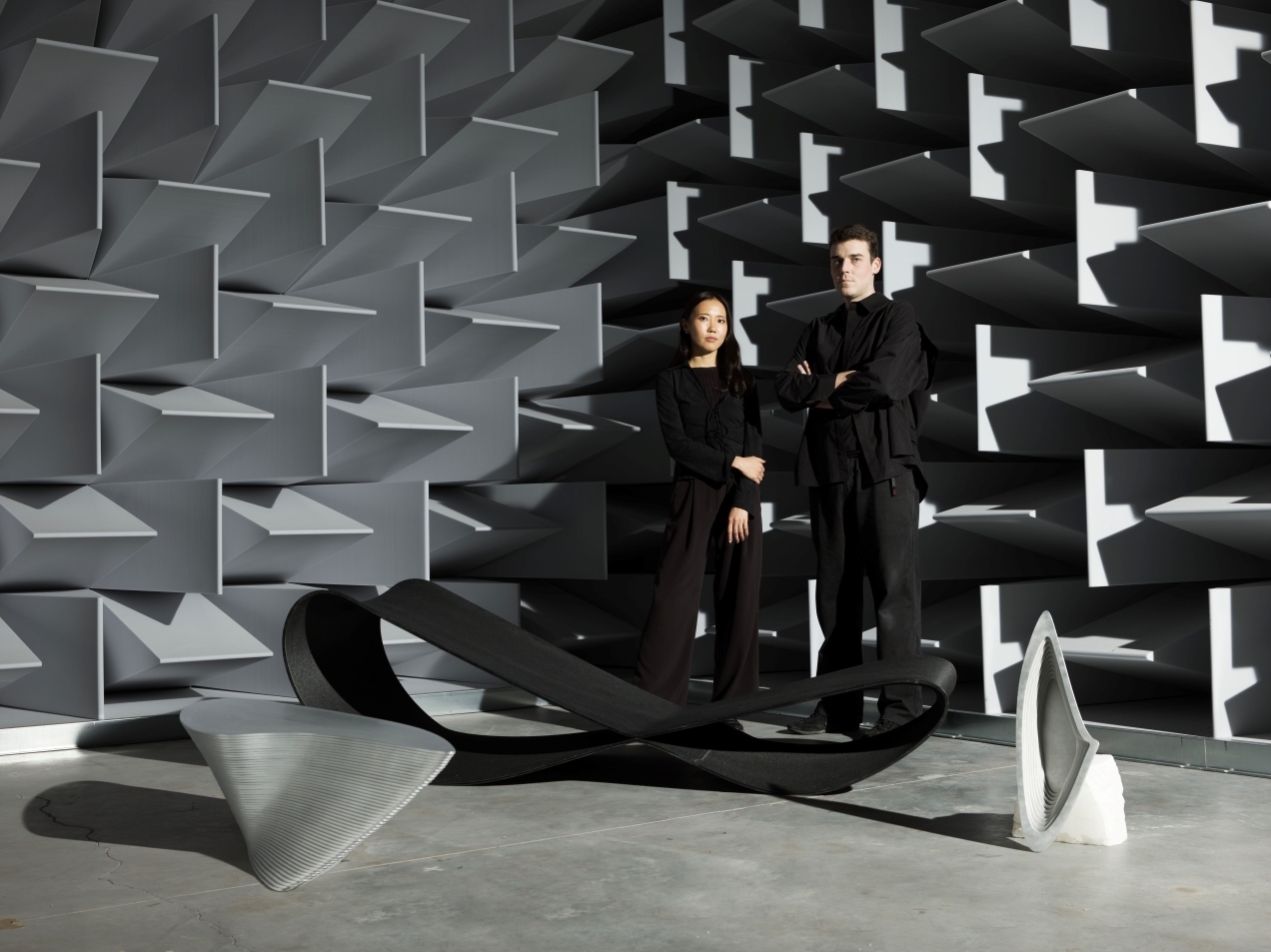
Their practice is rooted in a fundamental physical force – sound that is invisible yet deeply physical. The limited edition models created in a mass production era are made to be collected and used, not consumed and discarded. Their process is transparent, encouraging people to understand their work, and their products are durable and here to stay.
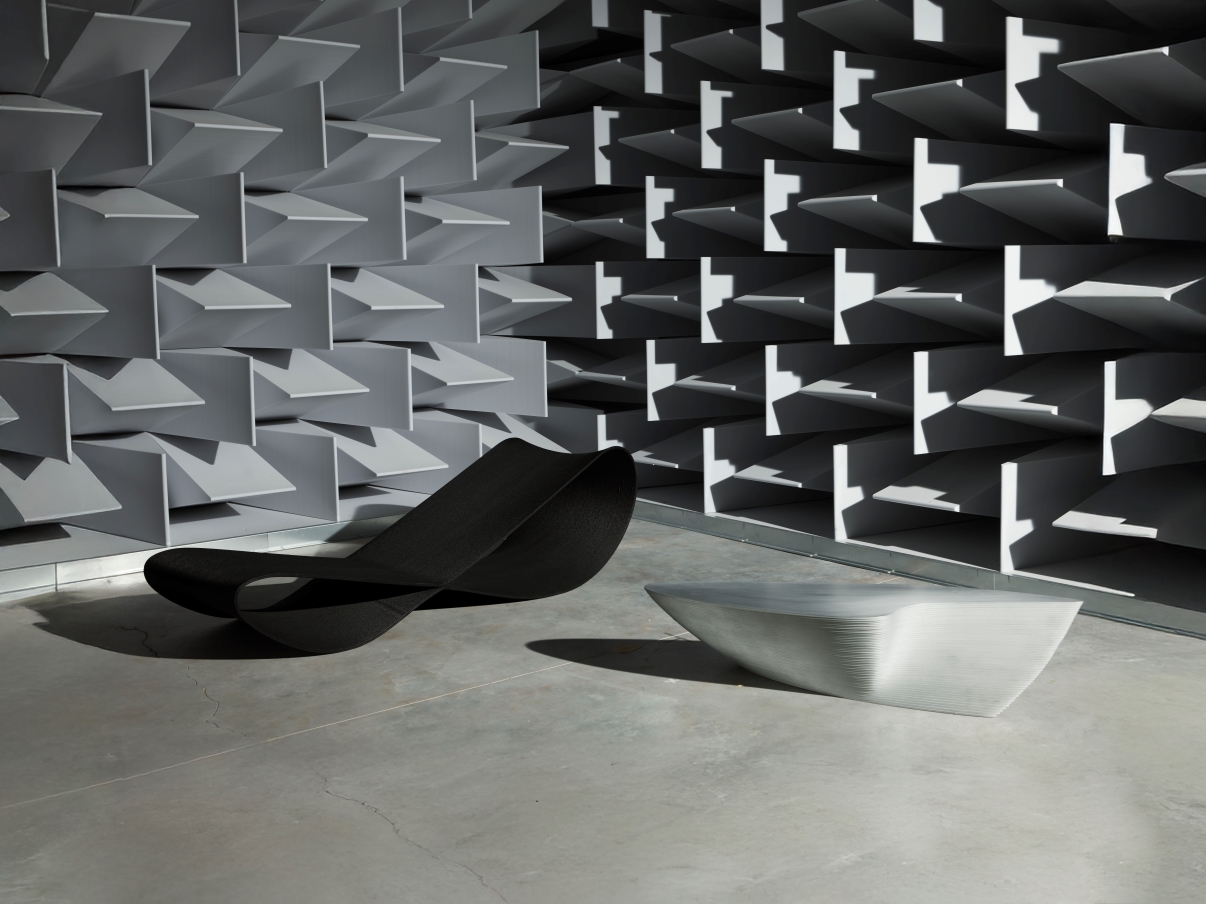
Monad Origin’s work contradicts the current trends in design that are more and more mediated by algorithms and AI. In the future, Peeters and Byambaa will continue to use unseen forces of vibration as design tools for creating physical furniture pieces.