



Header: Courtesy of Fredericia
The furniture world often chases the new, but true quality lies in designs that have already proved their worth. Fredericia has announced the return of the MK16 Folding Chair, a piece originally drawn up in 1932 by Mogens Koch. This relaunch is a move that secures a key part of Danish design history. A family-owned company since 1911, Fredericia already looks after works by heavyweights like Kaare Klint, Børge Mogensen, and Hans J. Wegner. Adding Koch’s folding chair to the catalogue ensures this piece remains available for people to use, rather than fading into the archives.
Ancient roots and honest materials
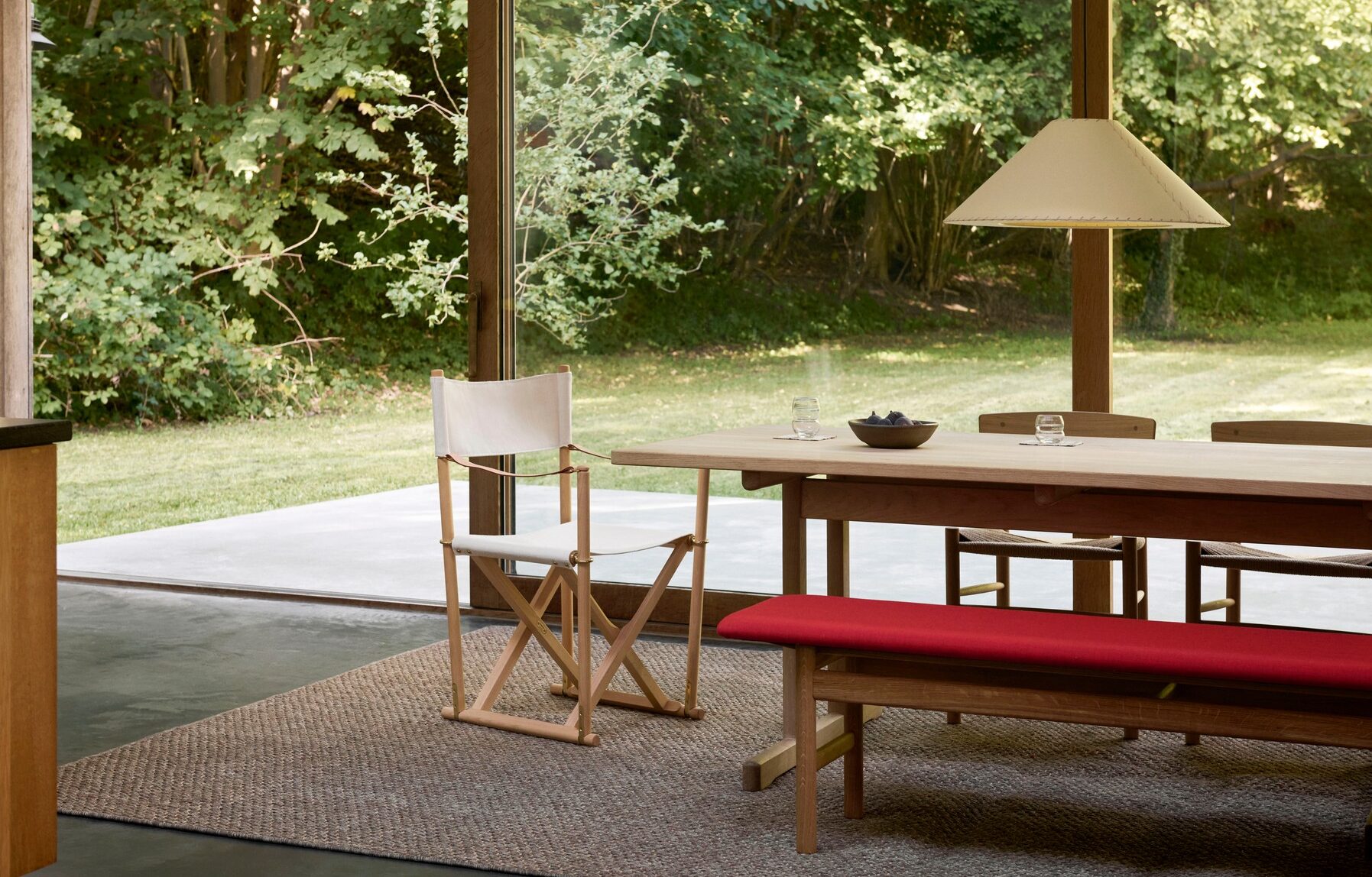
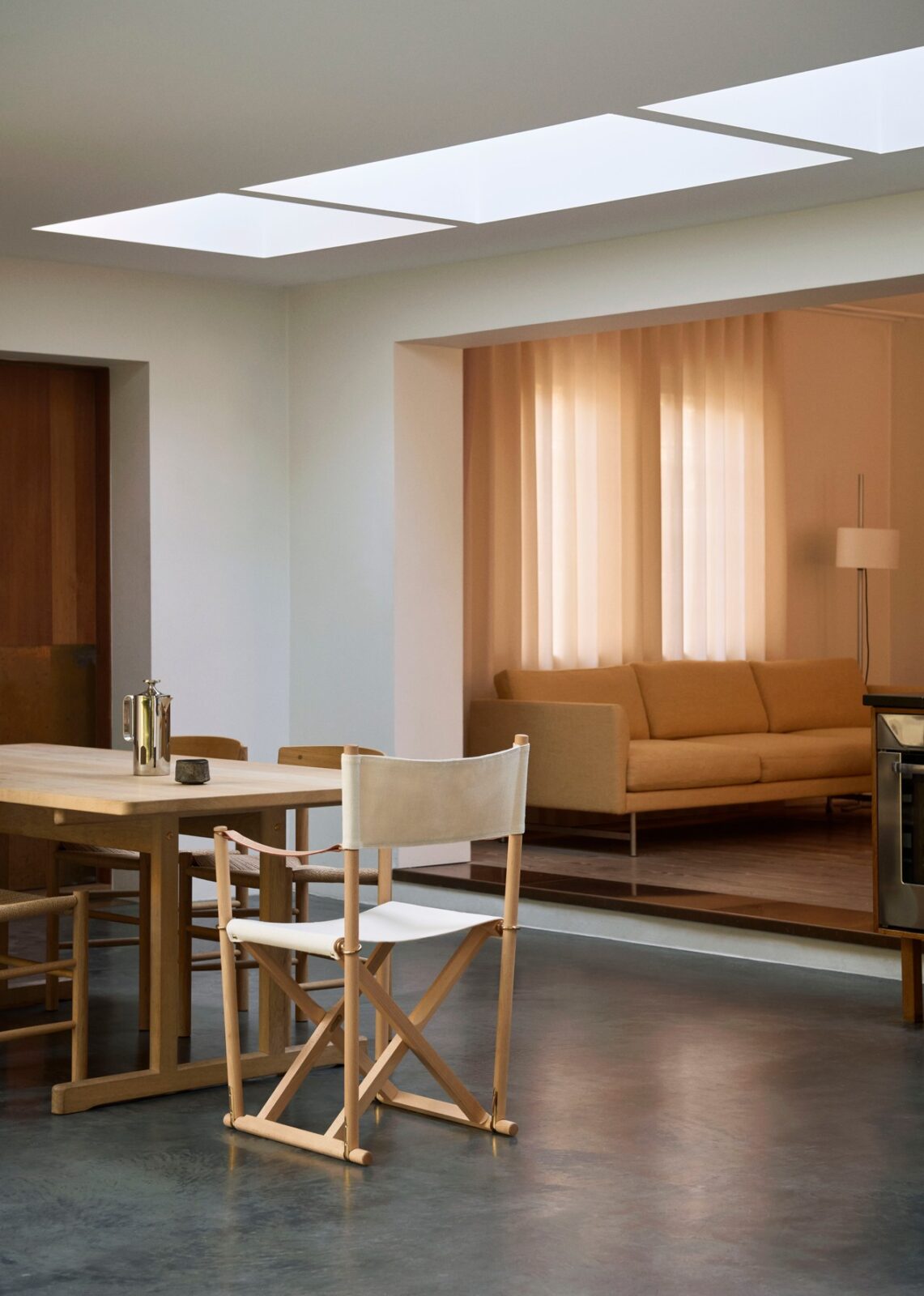
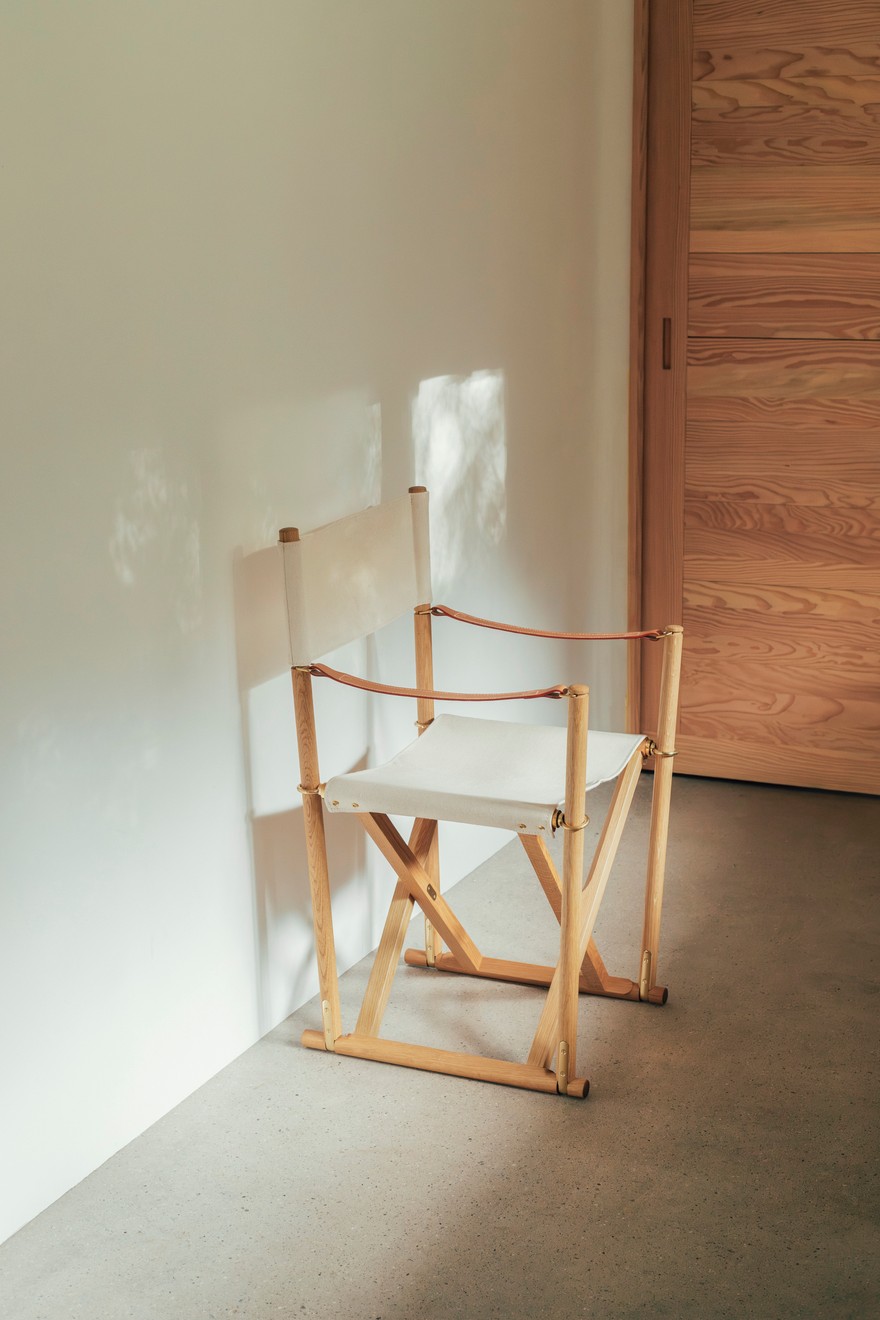
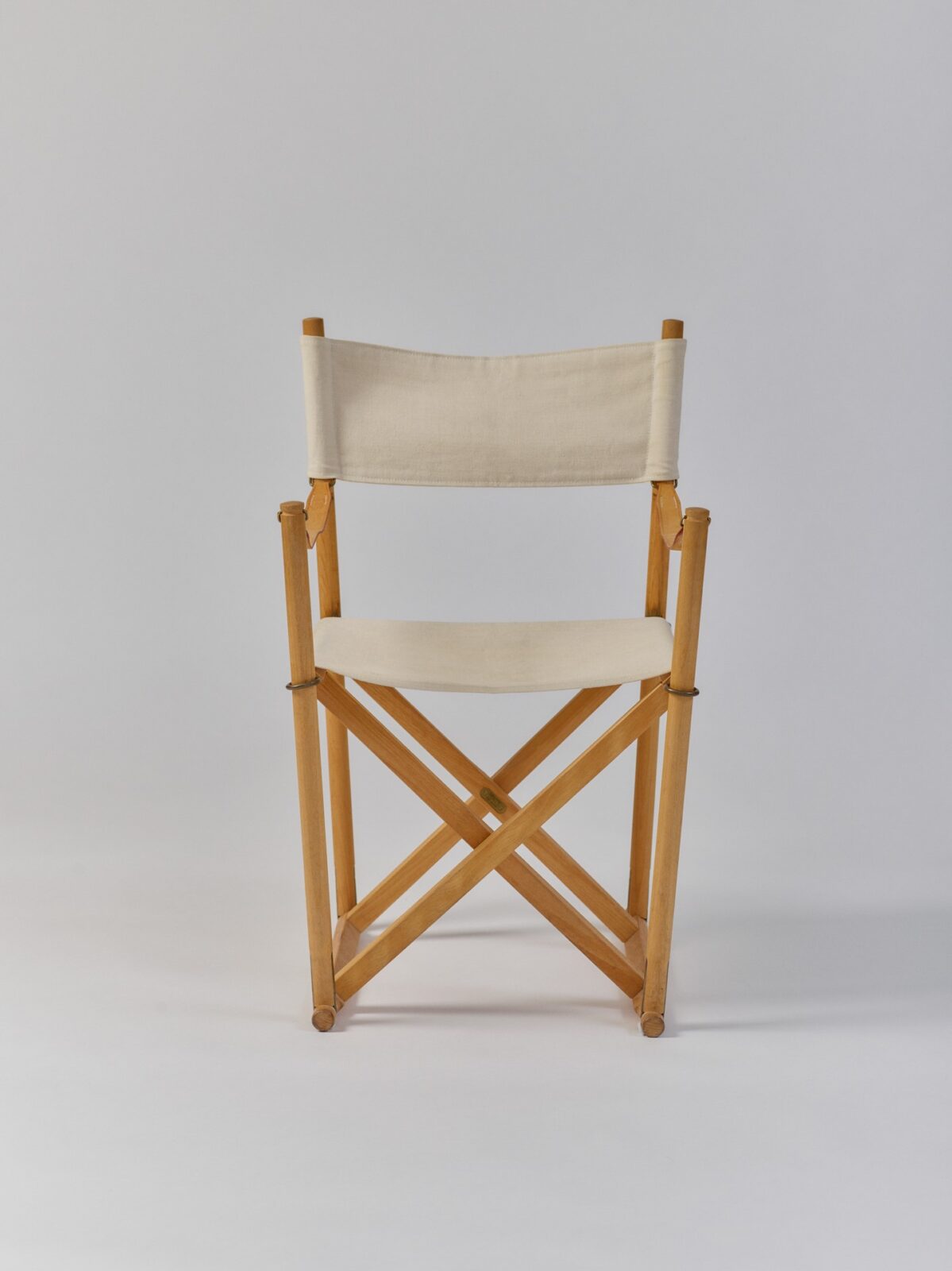
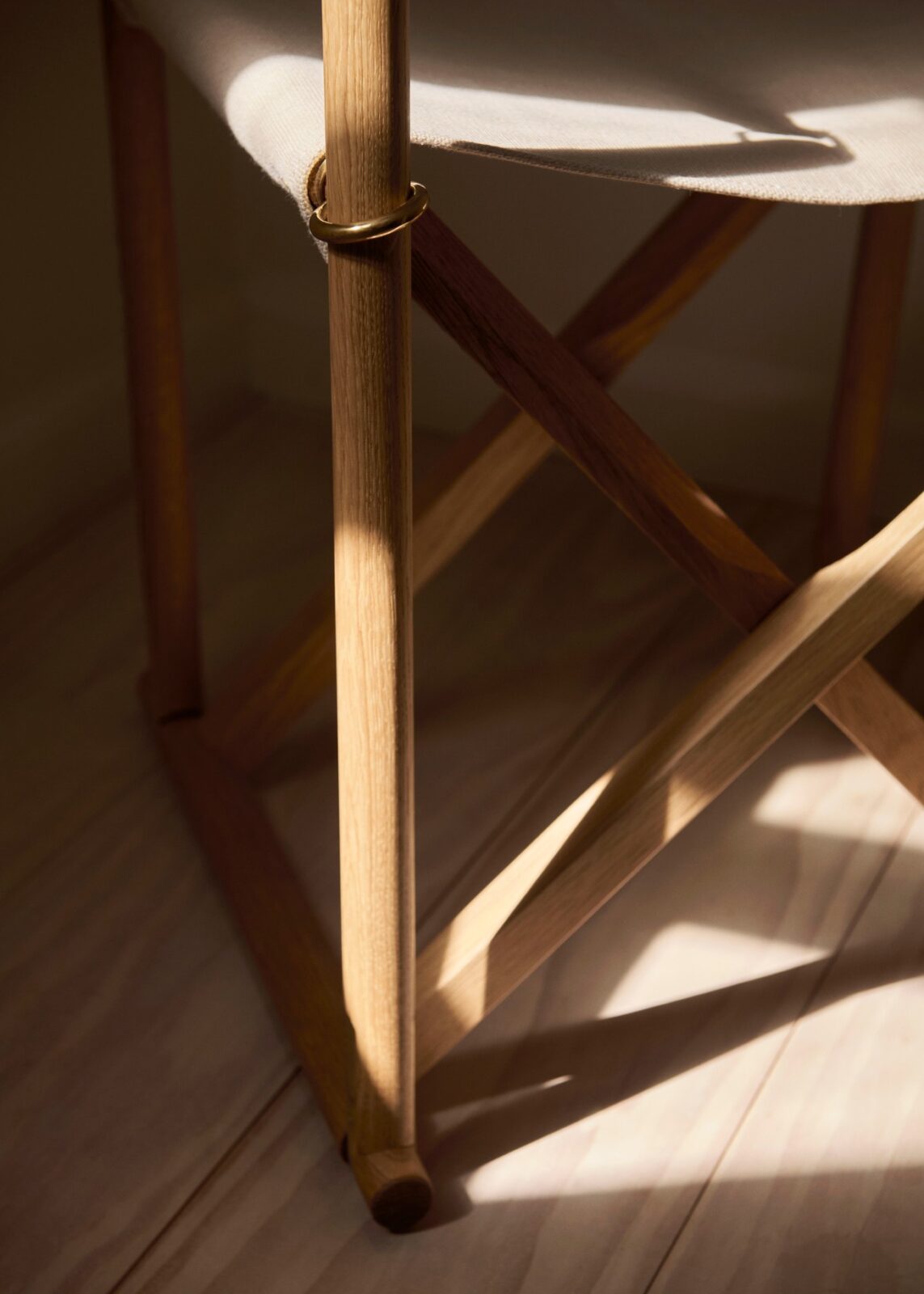
What makes the MK16 stand out is its mix of history and simplicity. Koch did not simply invent the shape; he also looked back to antique Roman folding chairs for inspiration. He took that classical idea and stripped it down to exactly what was needed. The result is a solid wood frame that provides strength without looking heavy.
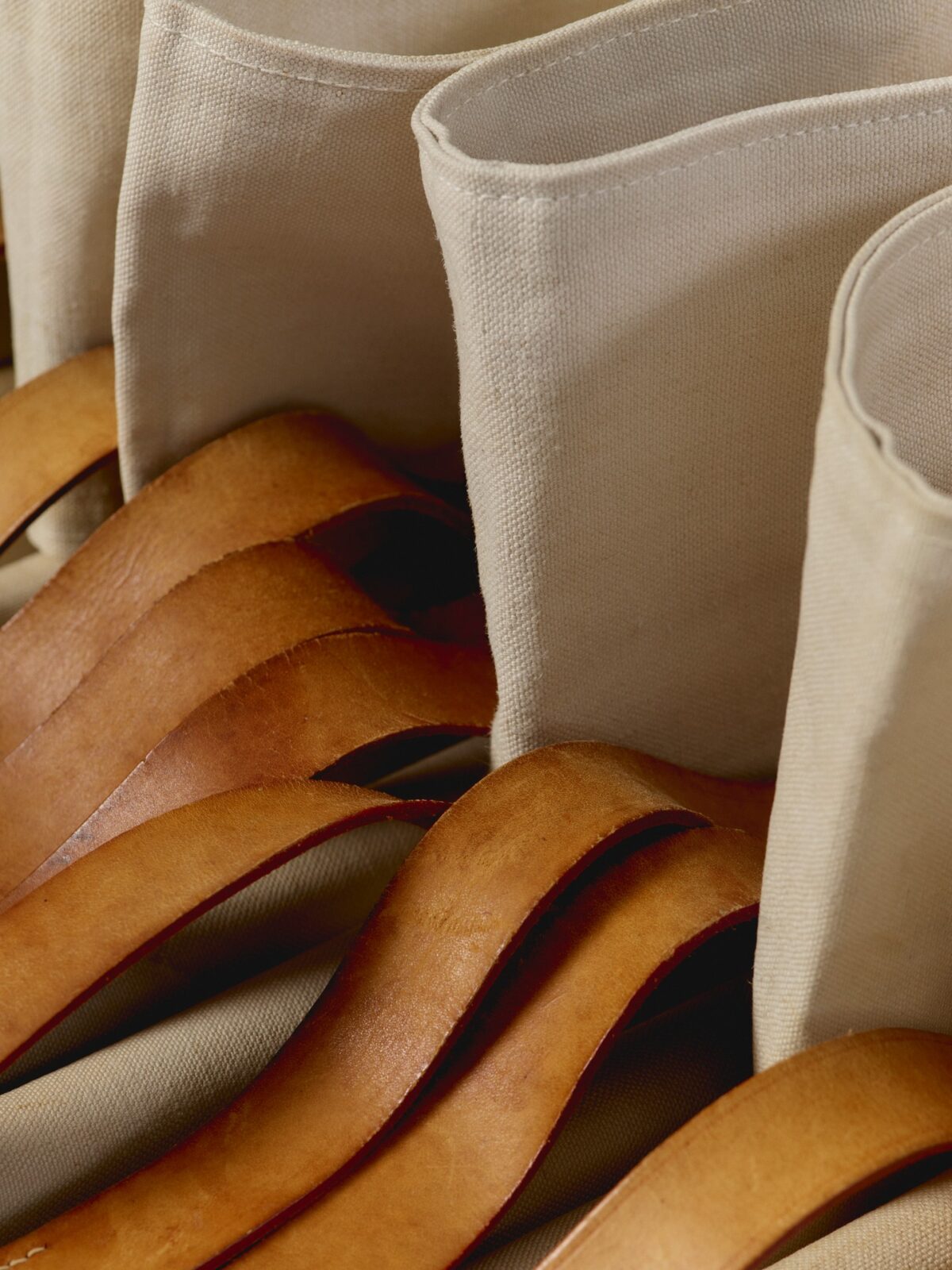
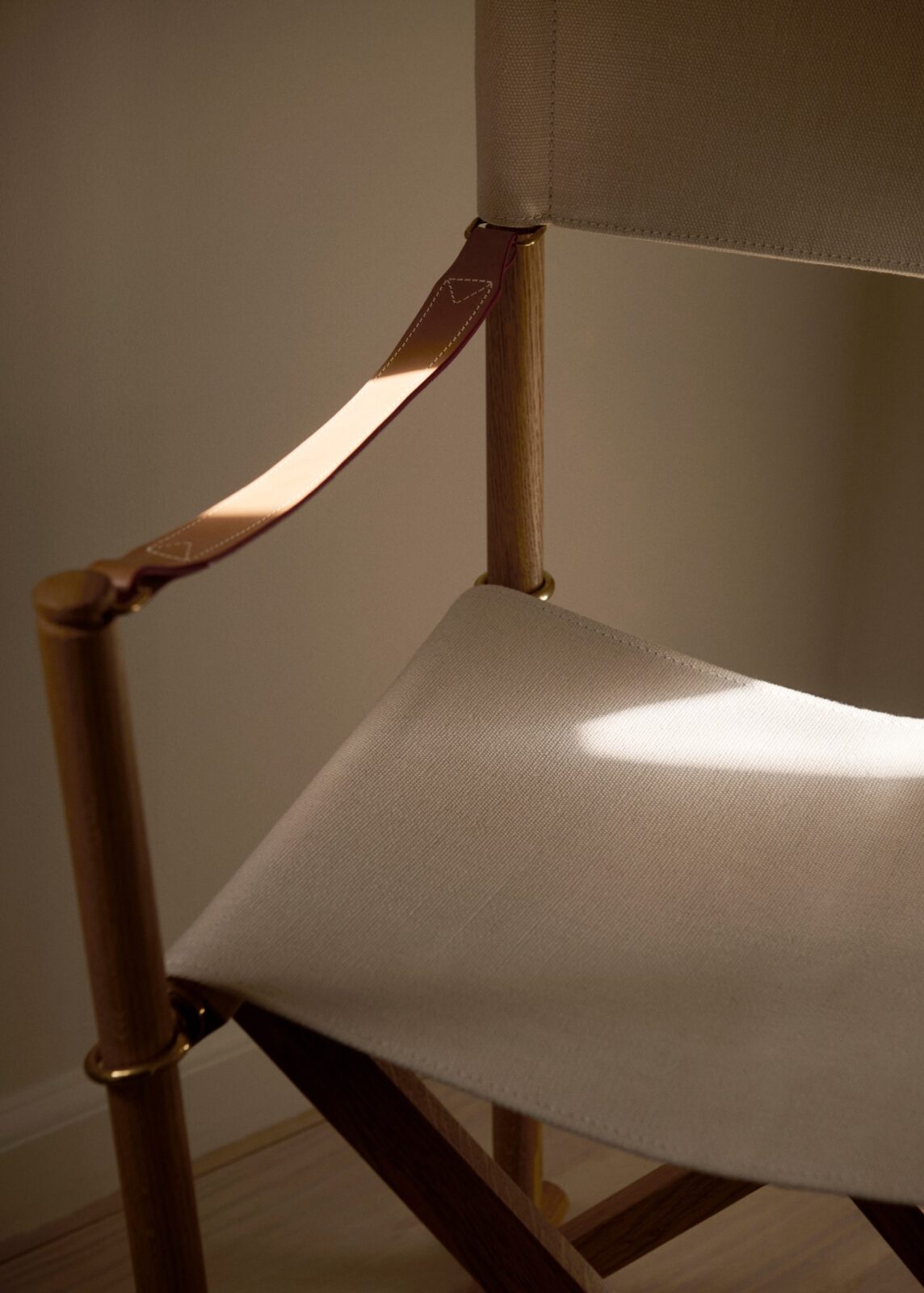
Fredericia is making the chair in the same carpentry workshop in Them, Denmark, where their skilled craftspeople handle the production. Buyers can choose between solid oak or beech. To suit different interiors, the wood comes in specific finishes: Oiled Beech, Oiled Oak, Light Oiled Oak, and Soaped Oak. This timber is paired with refined brass fittings that handle the folding action. The seat and back are crafted from off-white cotton canvas, while the armrests are made from thick, vegetable-tanned natural saddle leather.
Practical storage for modern living
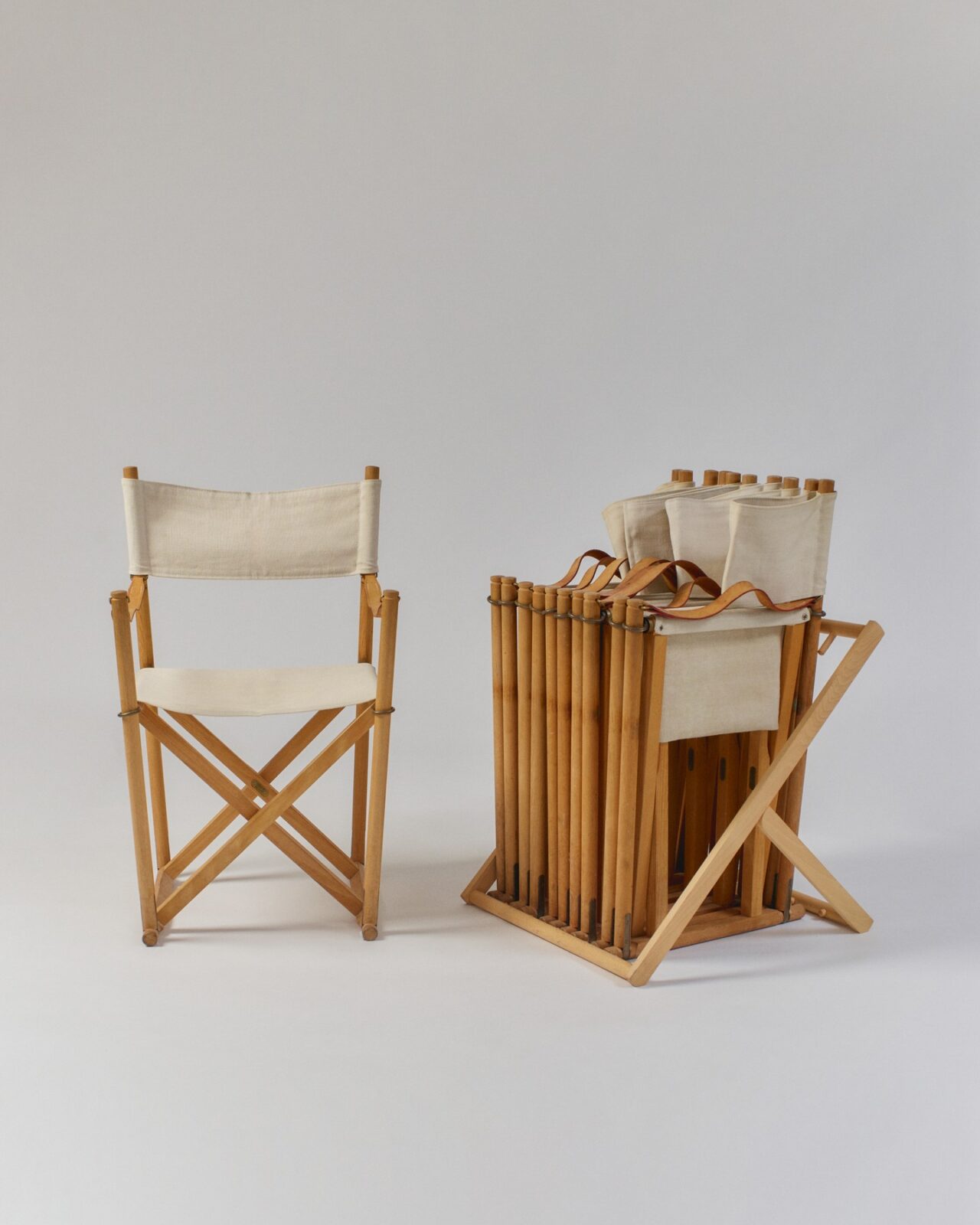
While some design icons feel too precious to touch, the MK16 is built for daily life. It is lightweight, compact, and easy to move. The folding mechanism is clever, allowing the chair to be set up or packed away in moments. It works just as well as a primary seat as it does for extra guests.
Recognising that flexibility is key, Fredericia has also reintroduced a custom-designed stand originally developed in the early 1960s. This elegant rack creates a dedicated place to store the chairs when they are not in use. It can hold up to six chairs at once, turning a stack of folded furniture into a tidy, organised display. This addition underlines Koch’s belief that furniture should support everyday life with logic and care.
A design that ages well
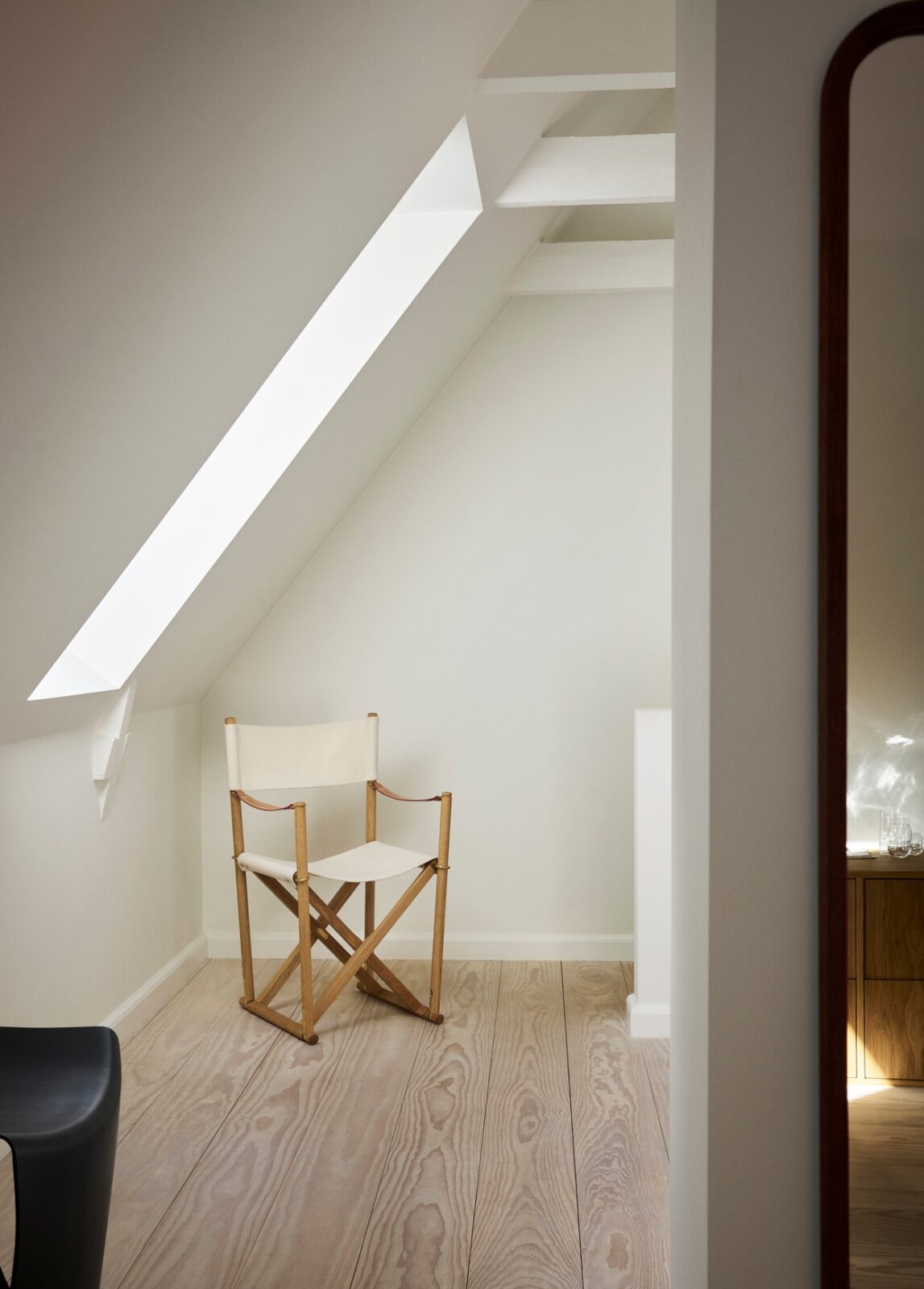
The materials chosen for the MK16 are meant to change. Over time, the untreated wood will darken or lighten depending on the finish, the brass will dull down to a warm tone, and the natural saddle leather will soften and gain marks from handling. This patina gives the chair character, allowing it to settle into a home and become a familiar object rather than a pristine display item.
The architect behind the chair
Mogens Koch was an architect first, and that rigour shows in his furniture. He believed that an object should serve a purpose above all else. This functionalist view meant he focused on precise joinery and correct proportions rather than fashion. He didn’t seek attention with loud shapes; he wanted his work to be quiet, useful, and technically perfect. The MK16 captures this spirit completely.
The return of the MK16 Folding Chair is a win for anyone who appreciates straightforward, well-made furniture. Fredericia has managed to keep the spirit of the original 1932 design intact while offering the specific finishes and storage solutions that make sense for modern homes. By using materials like oak, canvas, and leather, they have brought back a chair that fits as easily into a contemporary flat as it did in a 1930s house.

