




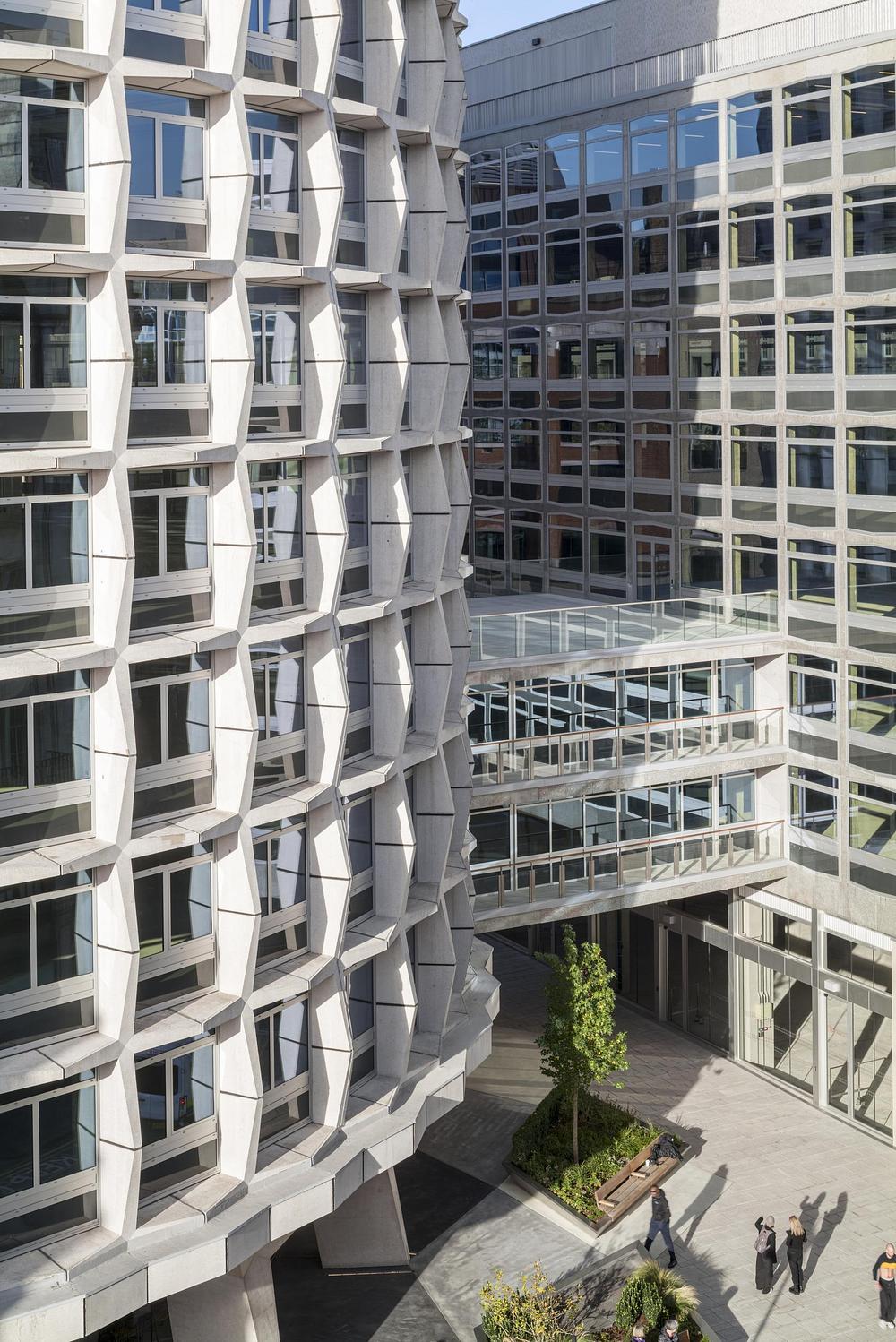
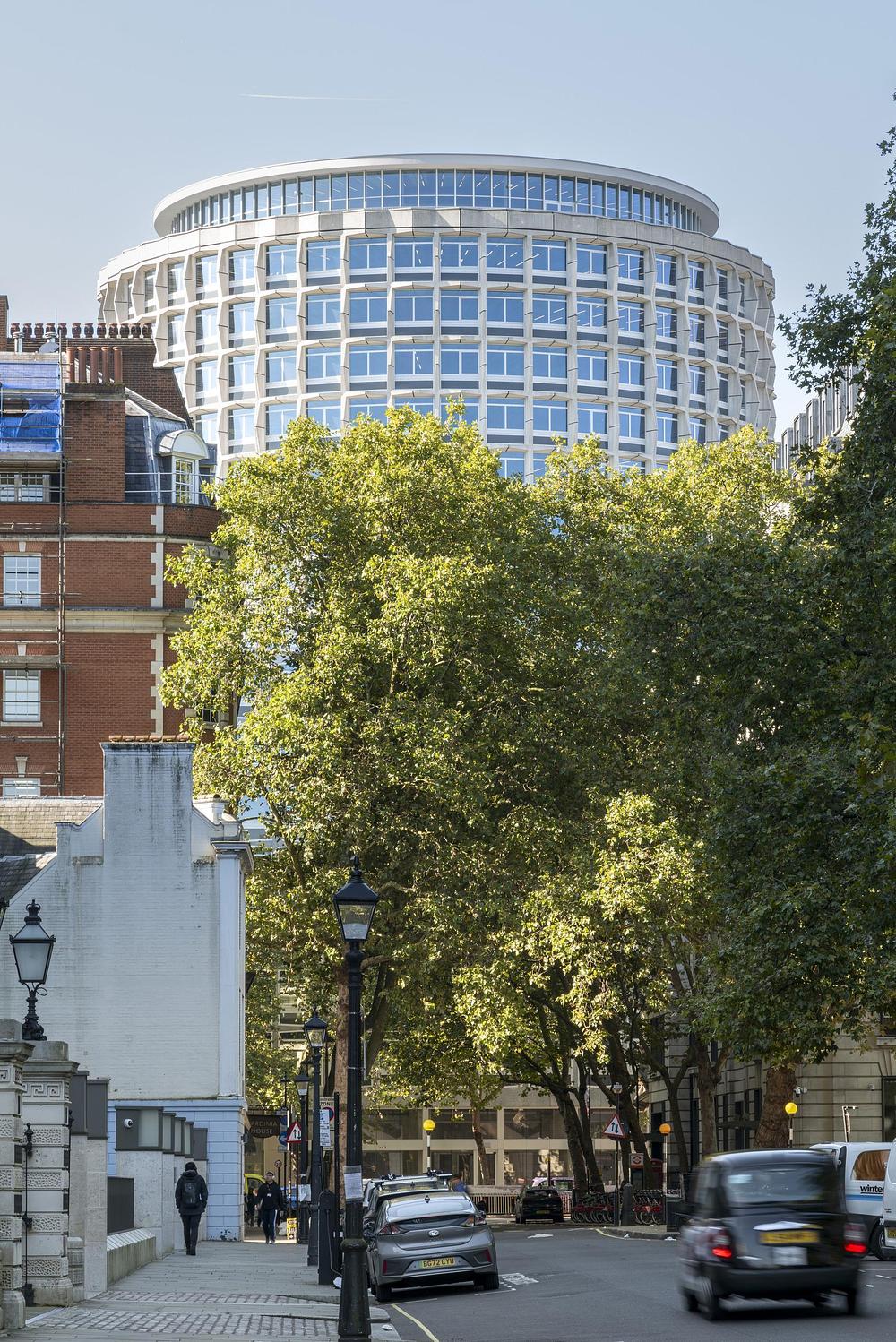
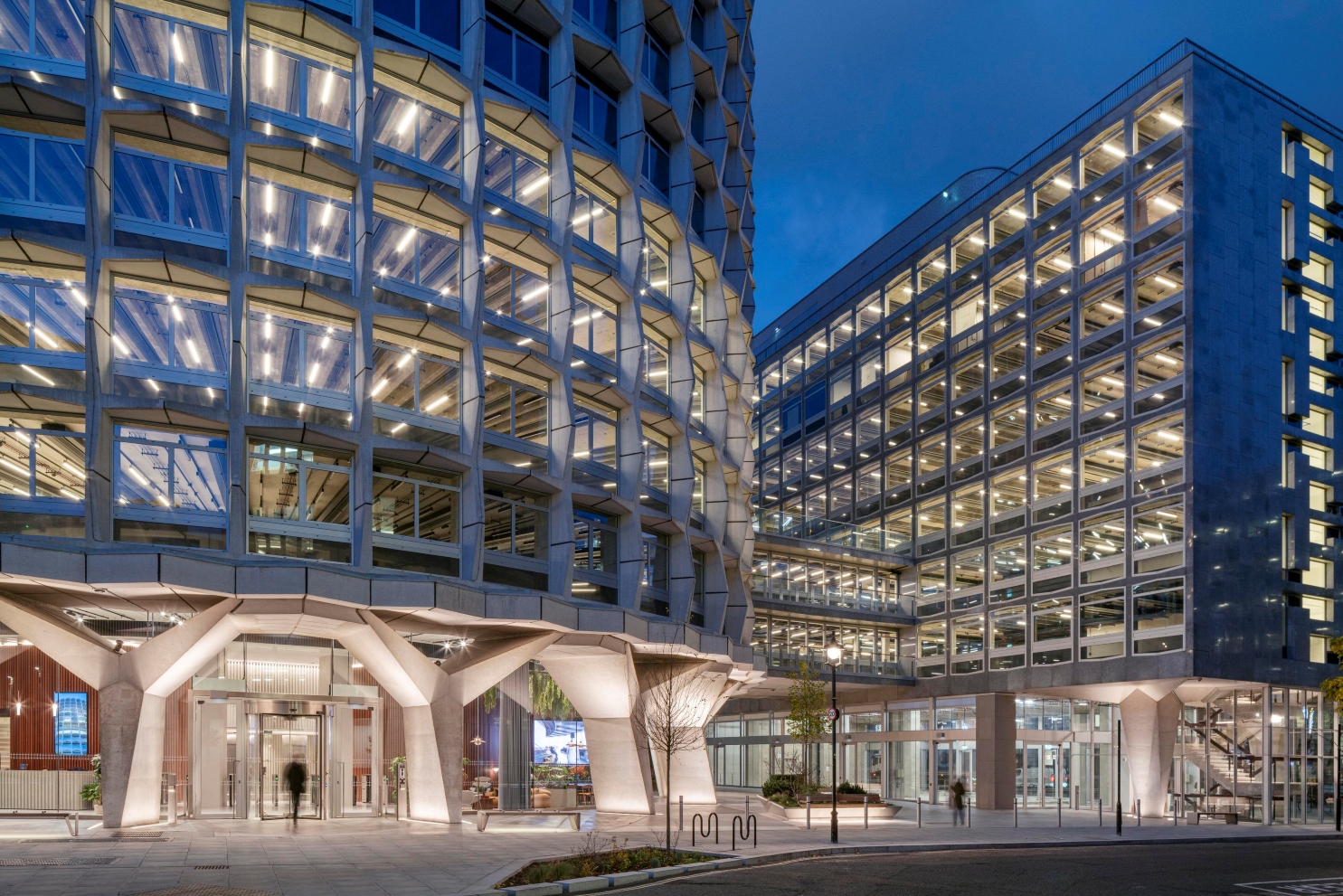
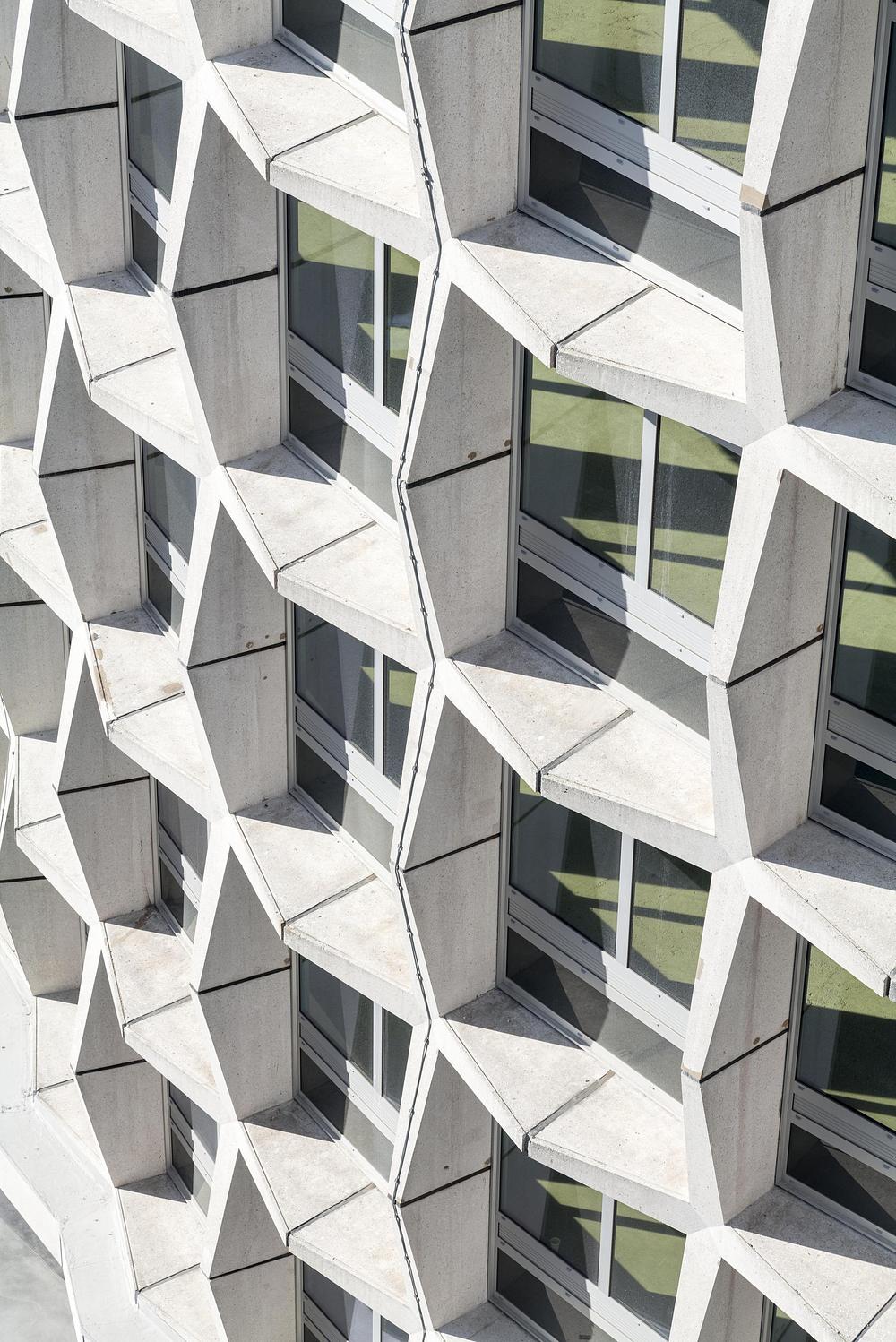
Grade II-listed Space House in Covent Garden has been refurbished and extended to include an additional 255,000 sq ft of high-quality workspace, retail space, and an improved public realm. Once a symbol of the 1960s property boom, the building featured innovative architecture for the time. Originally designed by Richard Seifert and Partners, the building is known for its cylindrical tower with a pre-cast cruciform facade, a rectilinear block, and a connecting bridge.
Adapting the original design to a new era
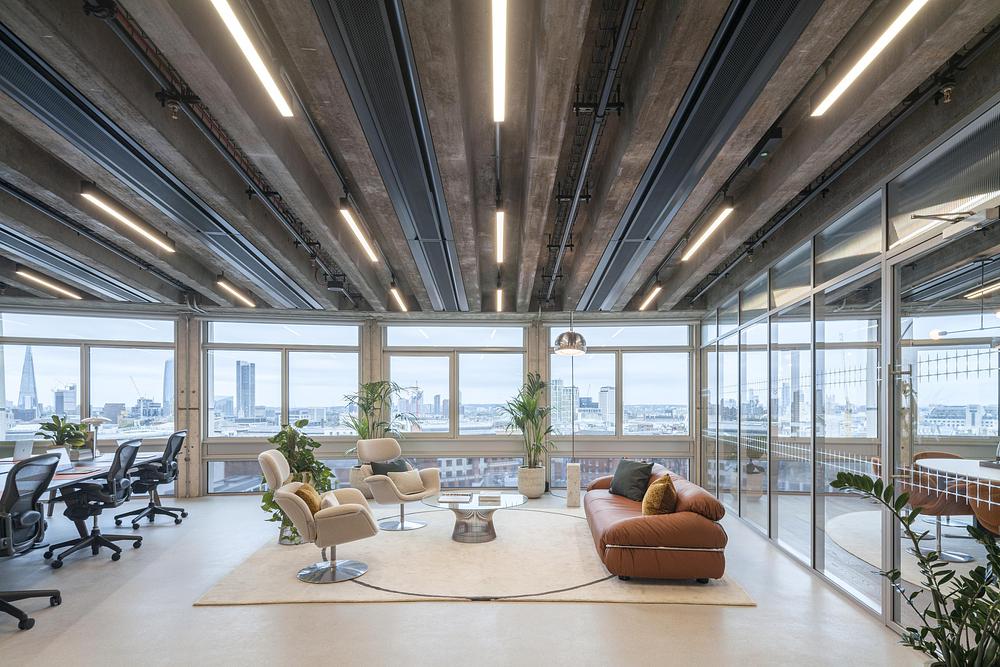
Built in 1968, the building has already been renovated in 1996 and 2003, and was occupied by the Civil Aviation Authority until 2019. In order to return the building to its original state, London-based company Squire&Partners has removed traces of the subsequent refurbishments. But their work doesn’t end there, as the company created new additions that could host modern working spaces. Two floors of offices were added to the tower while the block suffered a single-storey extension. The company honoured the original design, which required a clean setback top floor, by designing a roof terrace covering over 3.600 sq ft and tidying up the rooftop plant.
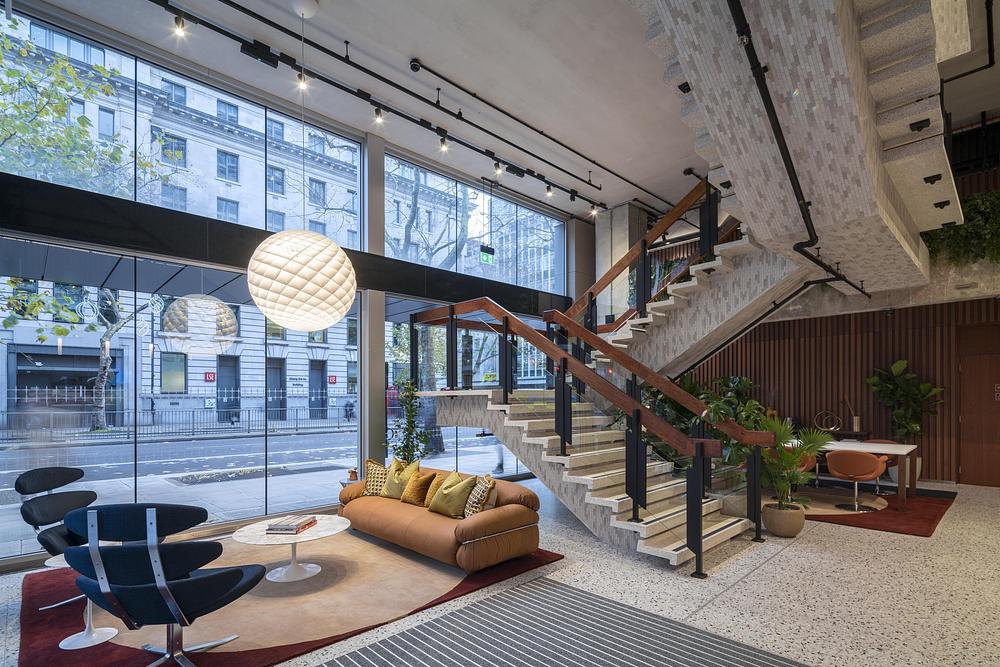
The building is now expanded to 18 floors, with the final floor accommodating meeting rooms and a clubhouse with a bar and another terrace, this time spaning to 5,000 sq ft and accessible to all tenants. A large double-height lobby and reception welcome visitors to the tower, while the top 10th floor offers an amazing 360-degree cityscape view. An intimate lobby guides the visitors to eight levels of 8,000 sq ft workspace located on the block. The sky bridge results in first and second-floor workspace, as well as the garden terrace on the third floor.
Reimagining the infrastructure for a sustainable future
Initially built in the era of the automobile craze, the design goes back to its car-centric roots by keeping one of three ramps leading to the basement. The existing parking space is upgraded with an expansive cycle area that can accommodate 600 bikes with everything their drivers could need, including showers, lockers, drying rooms, and changing facilities. A void in the two-story basement creates a double-height event space spanning across 16,500 sq. This is the largest Grade II-listed building with an outstanding BREEM (Building Research Establishment Environmental Assessment Methodology) rating.
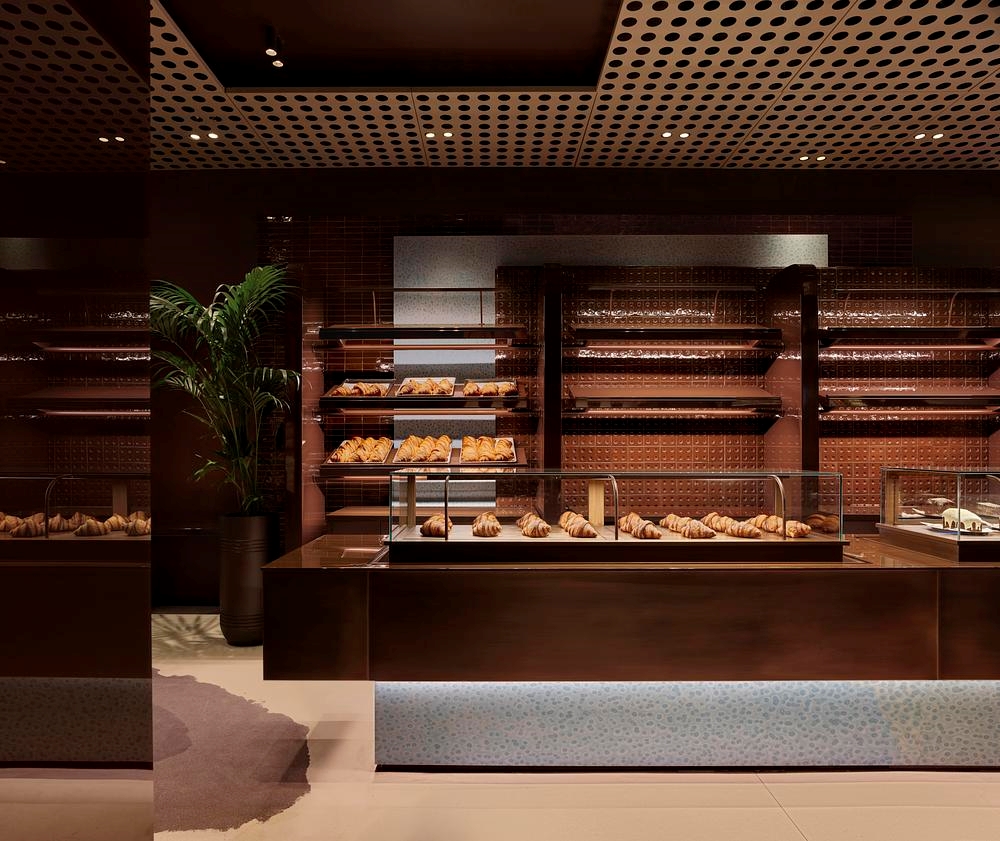
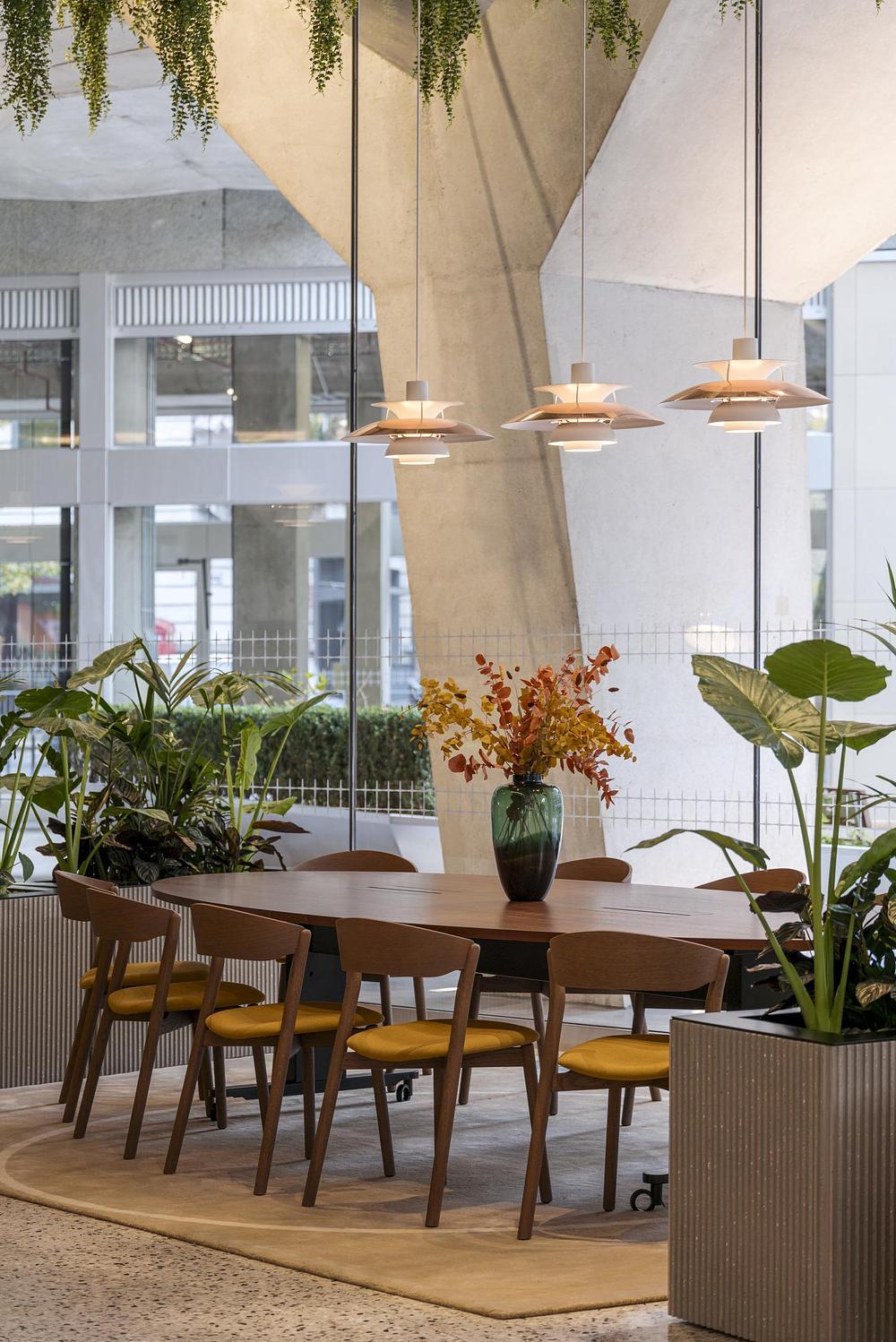
The designers replaced dilapidated parts of the envelope, and new air source heat pumps have been installed. Tailor-made chilled beams that seamlessly fit within the radial ceiling coffers provide cooling and heating. Passive shading measures are incorporated in the facade. Fitwel 2-star and Wired Score Platinum certification ensures digital connectivity. The public realm, which was originally used for car parking, now serves as a link between retailers working in the two buildings’ ground floors. A petrol station canopy has been enclosed and transformed into The Filling Station café, opened for the public.
About Squire & Partners
Squire & Partners is an architecture and design practice that has been around for four decades. The company bases its work on the practice informed by history and culture. Apart from the traditional, the studio embraces new technologies and has a dedicated team for computer-generated images, modelmaking, graphics, illustration and design. Their award-winning portfolio includes workspaces, hotels, retail, residential, and public buildings.
Source: v2com-newswire


