

Header: Bruna Nishihata
Hanazaki Landscape Studio occupies three floors and a rooftop in São Paulo, housing workspaces and small gardens within a compact area. The studio was developed by Studio Guilherme Torres, responsible for the architecture, and Mingrone Iluminação, which ended up creating the award-winning lighting design. Winner of the Workplace Lighting Design prize at the LIT Lighting Design Awards, the lighting design was thoughtfully crafted to shape how the studio is used throughout the day.
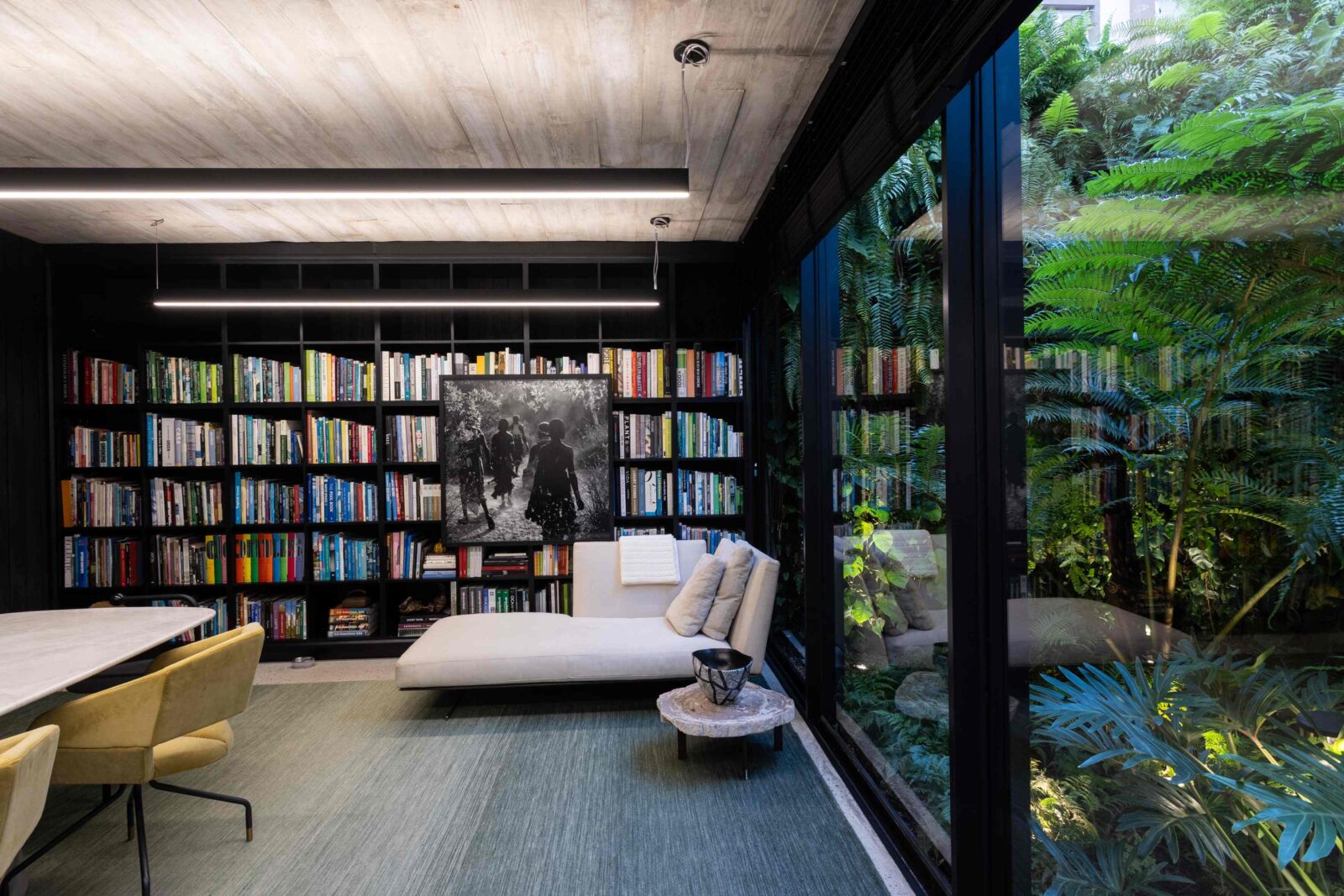
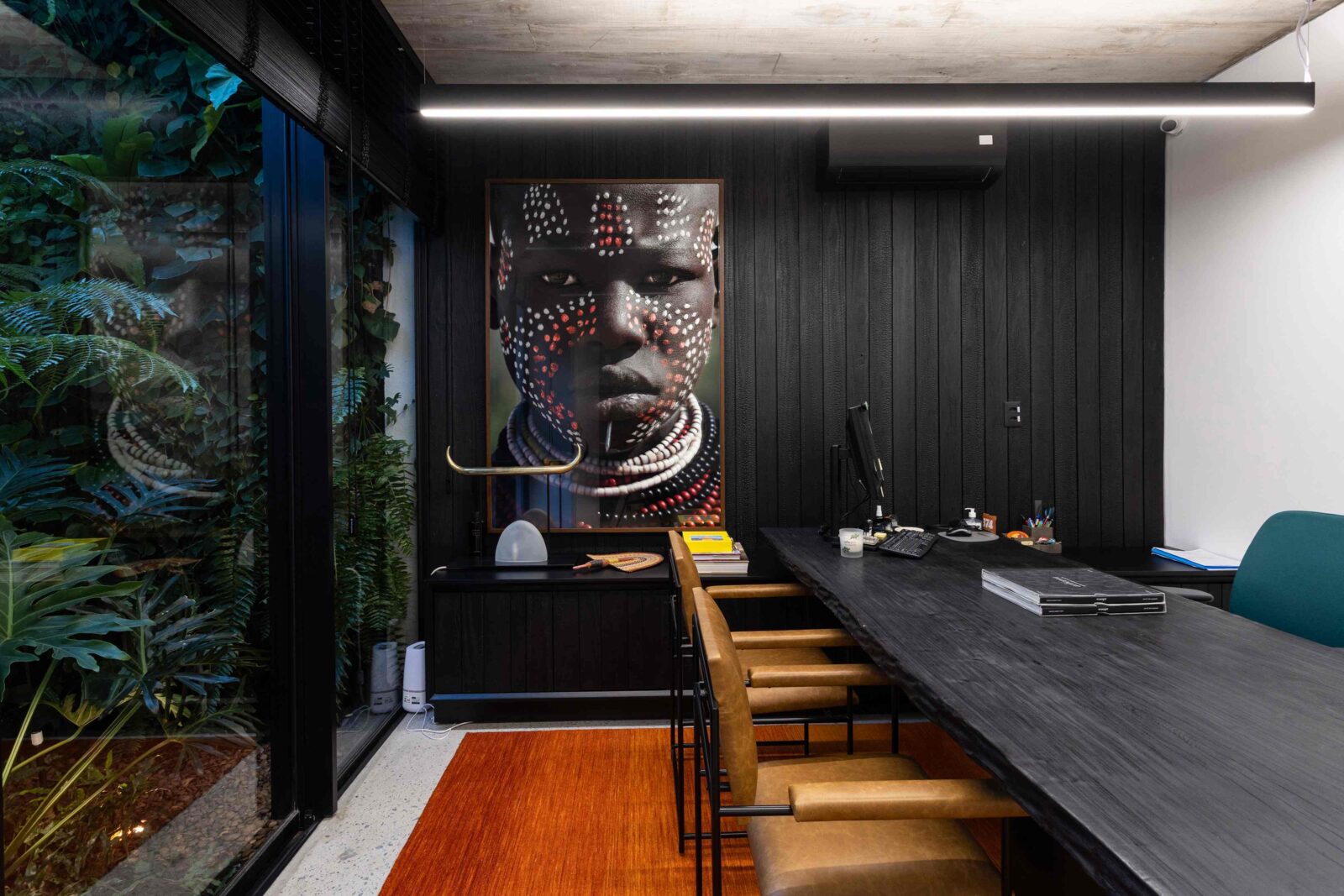
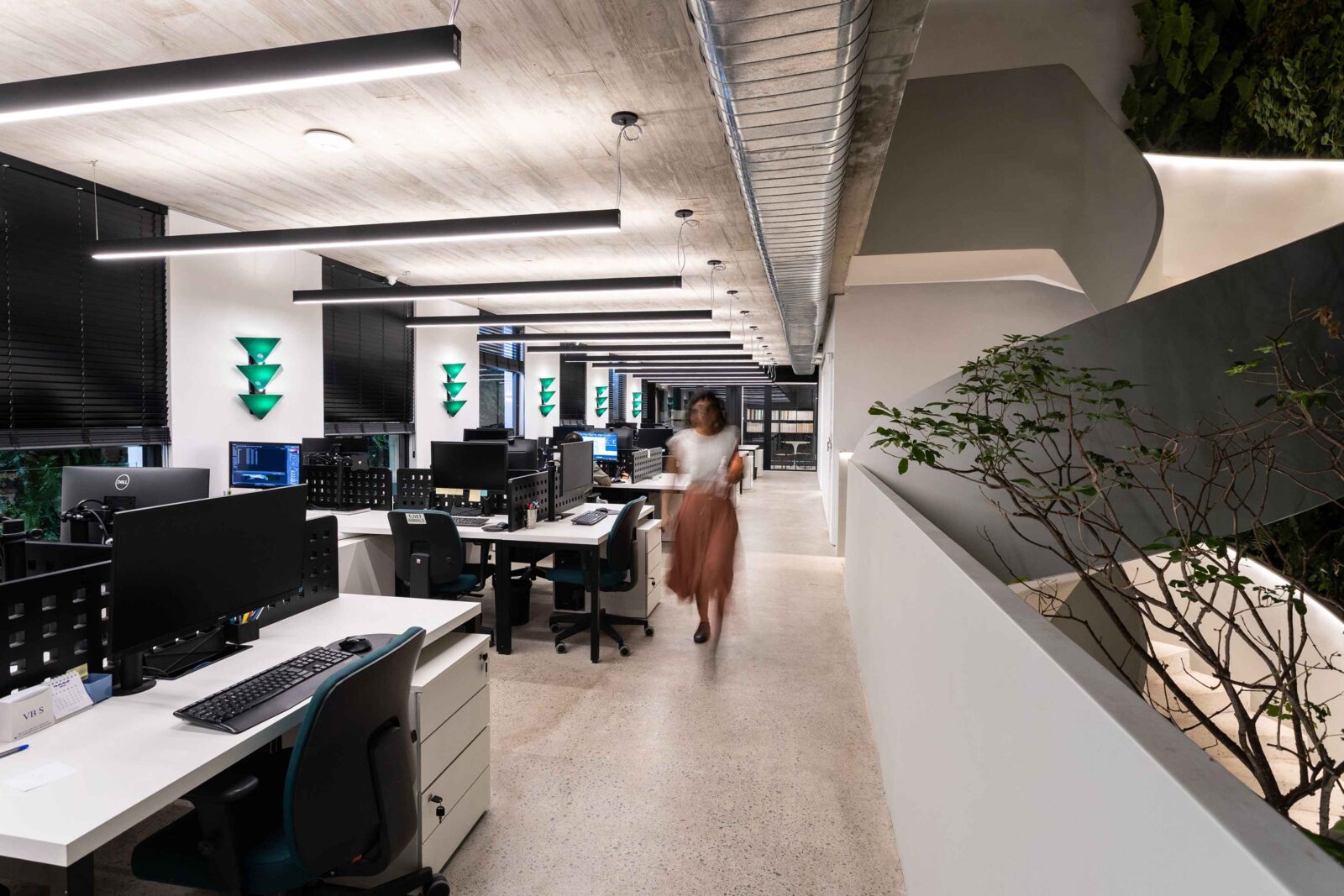
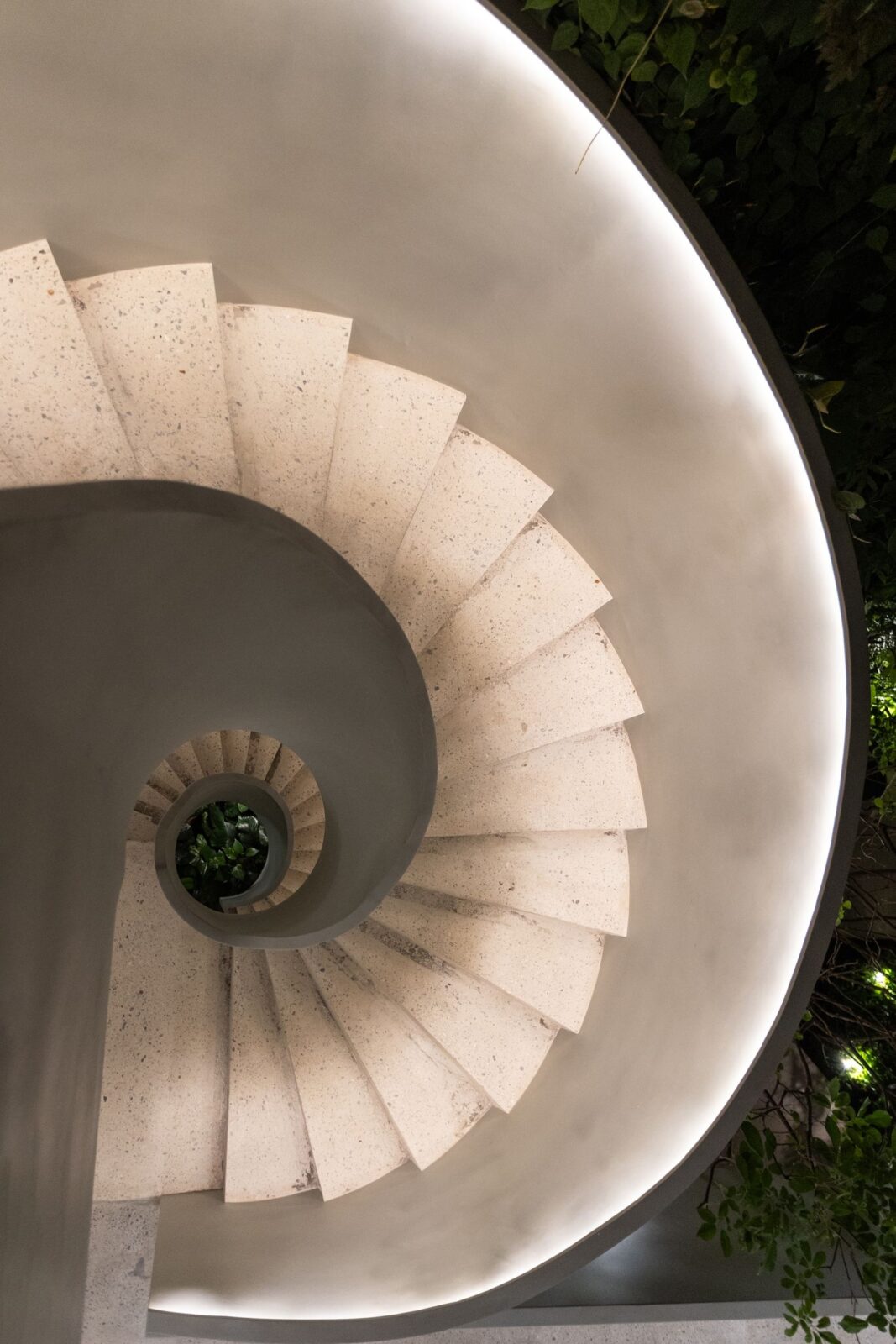
Lighting was added as just another part of the structure rather than as a background element. The helical staircase and the indoor garden, for example, are greatly influenced by light, as it helps define movement between floors while still putting them in the spotlight. This approach is seen throughout the whole office, as light is directed to reveal textures and edges, therefore drawing attention to the interior and architectural design, but without becoming overly bright.
In the work areas, lighting is even and controlled: glare is kept to a minimum, and light levels are soft so employees can be as comfortable as possible over long periods. The team used modular linear lighting because it can be tuned up or down when the space needs it, and they also set up programmed scenes so the studio can shift quickly from day-to-day working to something more suited to a meeting or an informal catch-up.
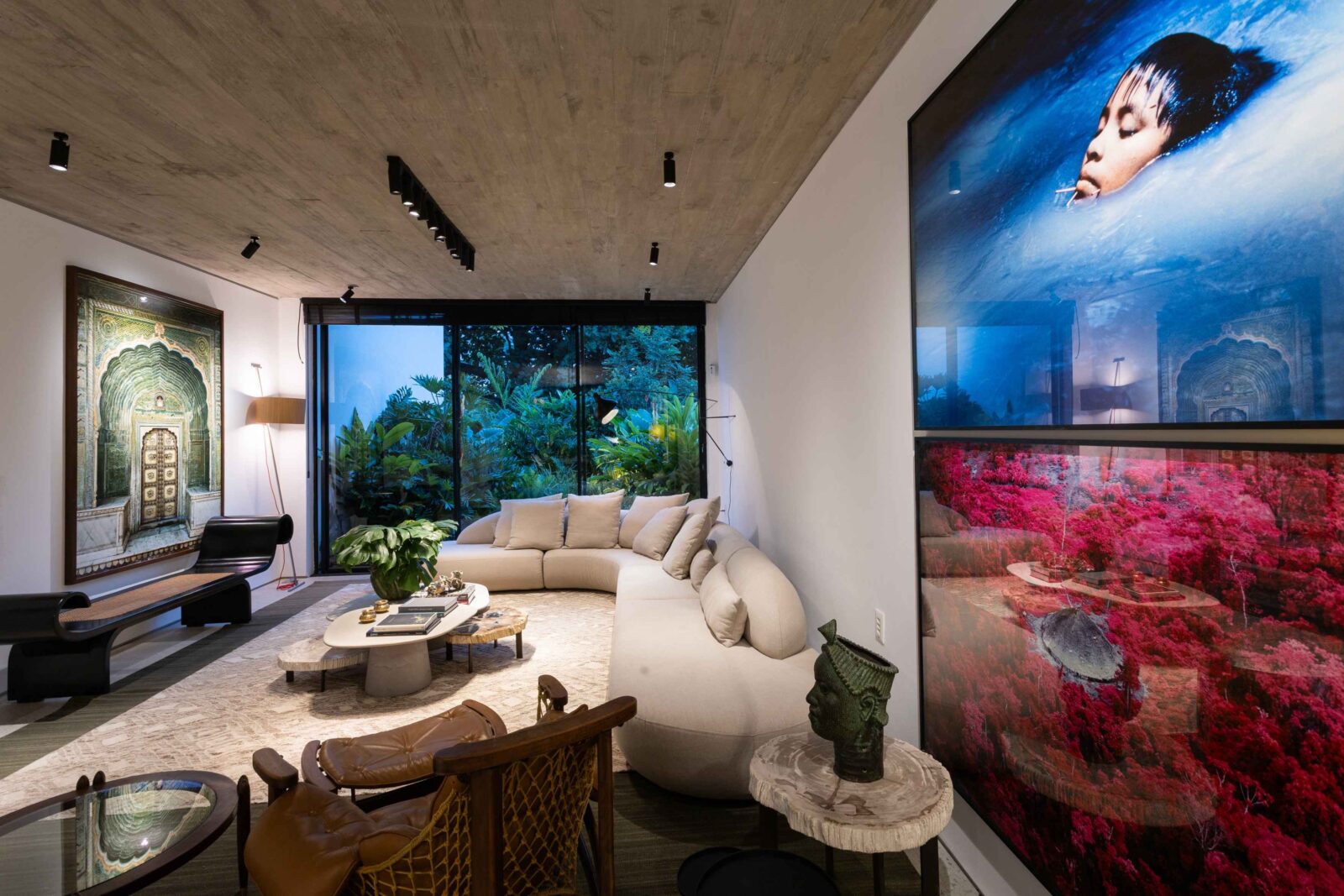
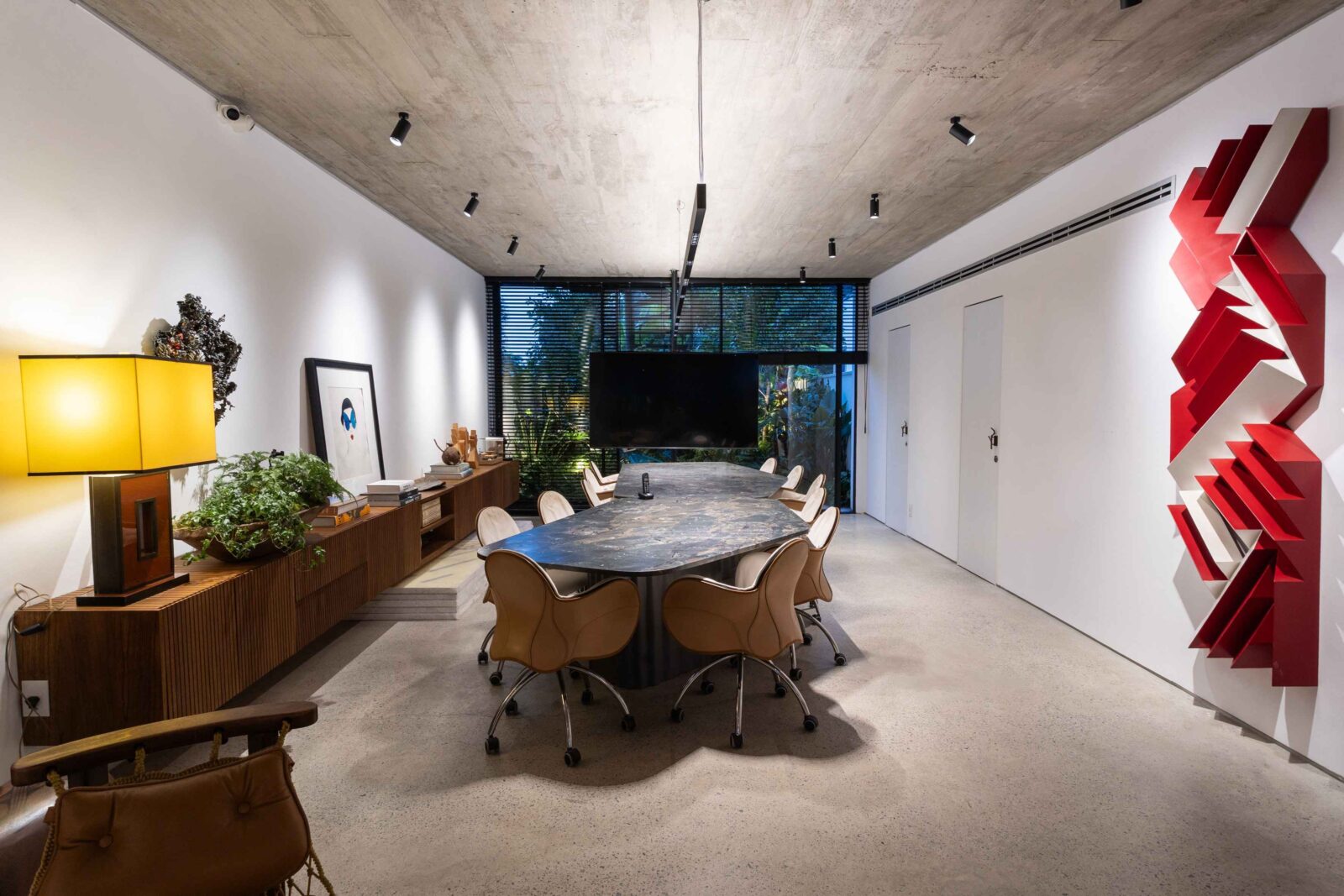
Wall sconces and adjustable projectors add a second layer of light. These fixtures were strategically placed to support movement and highlight certain surfaces or details that need to be brought forward. Furthermore, these elements also help separate areas without partitions or heavy contrasts.
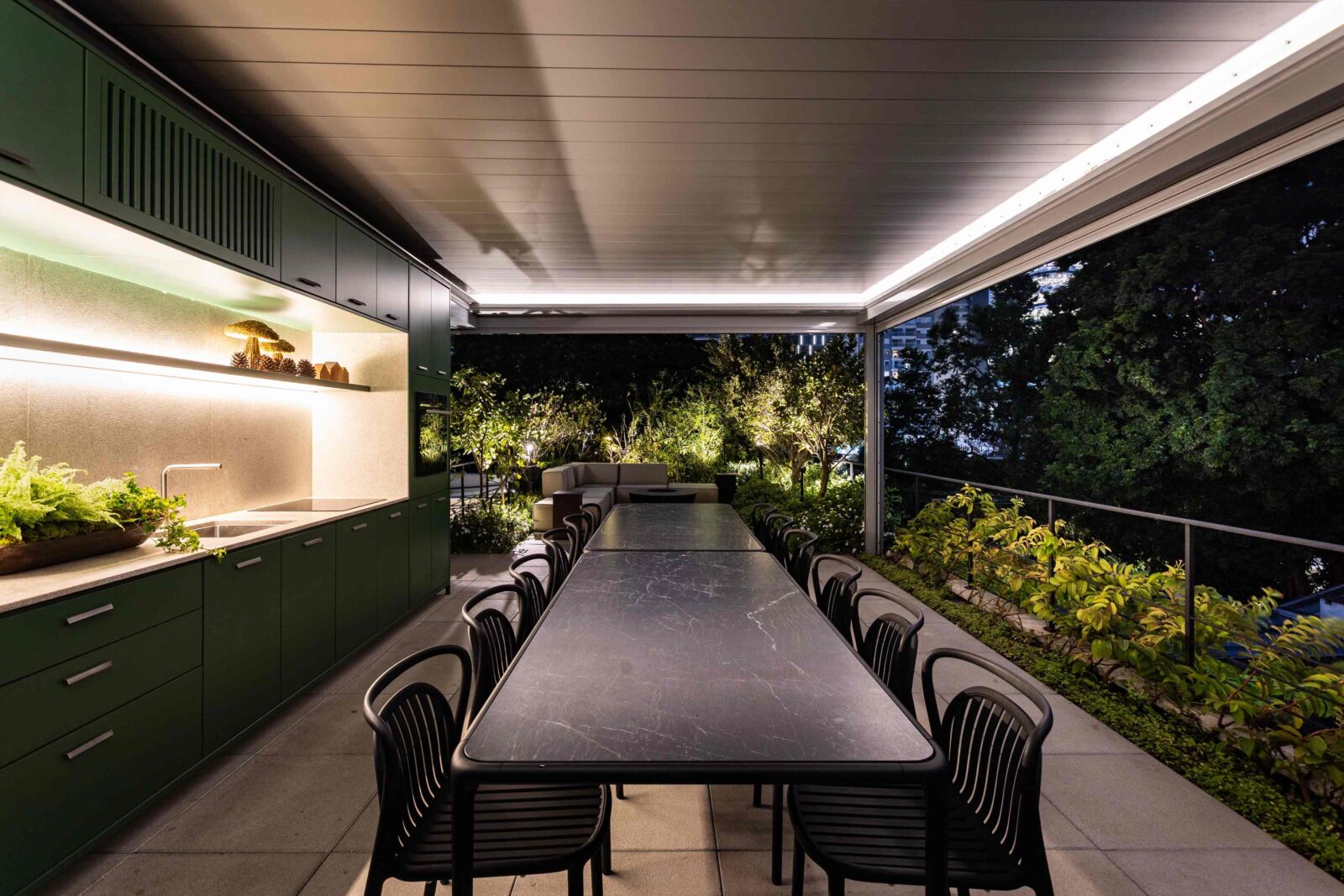
At night, the exterior lighting was designed to highlight the planting. Its objective is to make the connection between the outdoor areas and the interior stand out, especially up on the rooftop.