

Header: Courtesy of David Solk
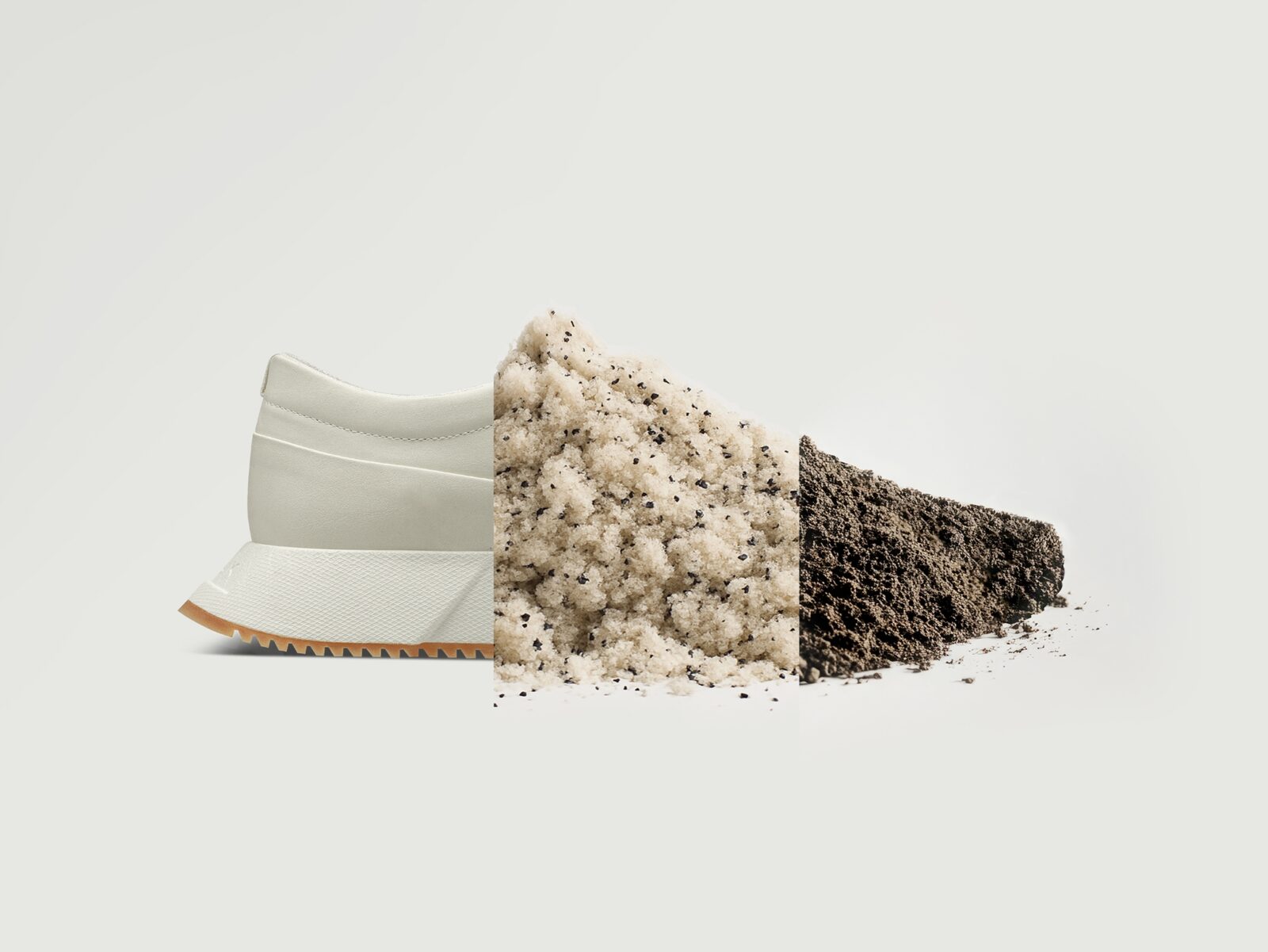
When most people think about shoes, they think about how they look on the shelf or feel on a run. David Solk, however, is more interested in what happens when you’re finished with them. As the co-founder of the footwear brand SOLK, David has moved away from the standard way of making sneakers. Instead of trying to fix a messy global system, he decided to start from scratch. His goal was simple but difficult: create a high-quality sneaker that can eventually return to the soil without leaving a trace of plastic or chemicals behind.
This ground-up approach has already caught the industry’s eye. SOLK recently took home the Footwear Brand of the Year 2025 at the Global Footwear Awards, a massive nod to their “biocircular” method. In our conversation, David explains that this isn’t just about using a few green materials; it’s about owning the whole process, from the first stitch to the moment the shoe is sent back to be composted. He talks us through the reality of building a brand that puts the earth first, the technical headaches of making plants feel like leather, and why he believes the best design is often about taking things away.
SOLK is built entirely around biocircularity, not as a feature but as a foundation. What personal or professional frustration pushed you to rebuild the sneaker from zero instead of improving an existing system?
For Irmi and me, it wasn’t a dramatic moment — it was more gradual than that. We’d spent years trying to make footwear better from within. Inspired by brands like Patagonia in the mid-2000s, we worked with clients to introduce more responsible materials and processes into conventional manufacturing. We genuinely believed steady progress would add up. Then the financial crisis hit, and sustainability quickly became secondary.
Budgets tightened, priorities shifted, and the momentum we’d worked so hard to build slowed right down. That period gave us space to reflect. We realised that while incremental improvements matter, the overall system itself hadn’t really changed. Shoes were still being made in ways that didn’t consider what happens at the end of their life. It wasn’t about thinking the industry was “broken.” It was more of a feeling that we hadn’t quite addressed the full picture. If a product can’t safely return to the earth, then something is still unresolved.
At that point, the idea of starting from scratch began to feel less radical and more logical. We wanted to see what would happen if responsibility wasn’t an add-on or a percentage improvement, but the starting point. So, we decided to build it ourselves — carefully, independently, and without outside pressure. The ambition wasn’t just to make a more sustainable shoe, but to rethink its entire lifecycle. That thinking eventually became biocircularity — not as a feature, but as the framework guiding every decision.
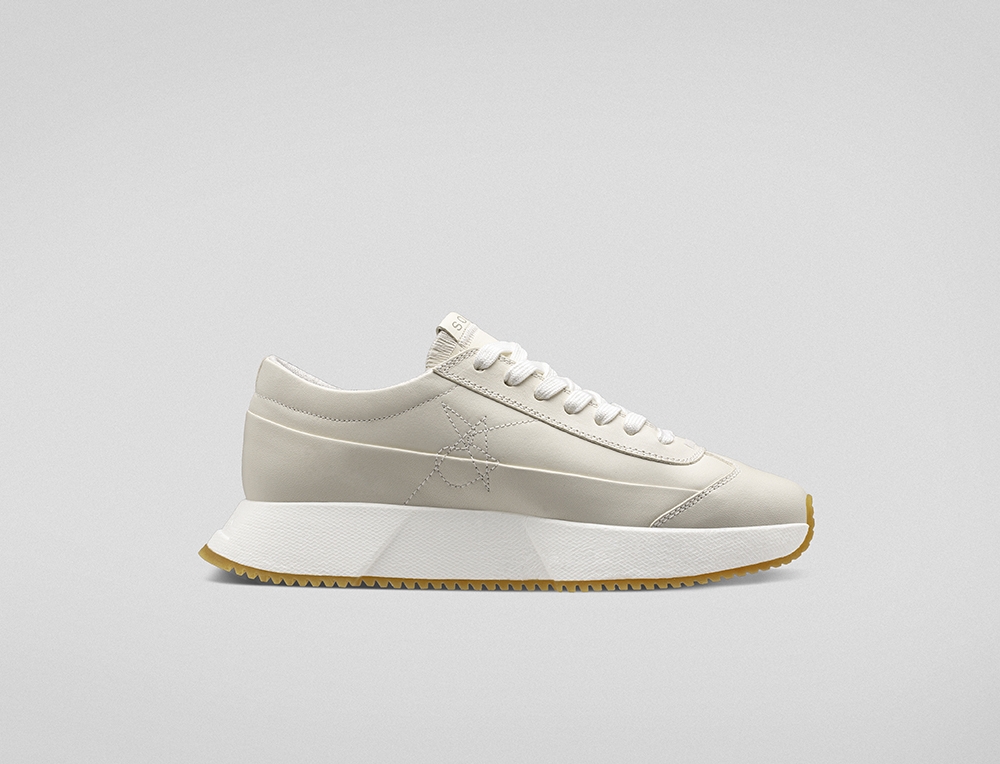
Fade 101 is designed to return safely to the earth, yet it still needs to perform as an everyday sneaker. What was the hardest material or production challenge in making compostability compatible with comfort and durability?
The hardest part was unlearning what we thought we knew. Footwear today is built around materials designed to last indefinitely. We were trying to engineer materials that perform in everyday life but can return to earth at the end of it. That’s a very different brief. We had to rethink everything — how the upper is built, how components bond, how materials behave over time. Compost-capable materials don’t always act like conventional ones, and you can’t simply swap them in. We also had to redefine performance. It wasn’t about extreme lab metrics. It was about real comfort, durability, and how the shoe feels months down the line.
Controlling the full lifecycle, from manufacturing to take-back, is rare in footwear. Why was owning the end-of-life process just as important as designing the product itself?
For us, producing shoes ourselves was almost a necessity. The way we build SOLK is very specific. Every component matters — down to the backing materials and the threads. If someone accidentally swaps in a conventional nylon thread or the wrong reinforcement, the whole concept starts to unravel.
It’s not about mistrust — it’s just the reality that most factories are set up for conventional production. The only way for us was to be directly involved in how it’s made. Once we took that step, owning the take-back felt like a natural extension. It’s about making the whole thing tangible — not just an idea, but something customers can actively participate in.
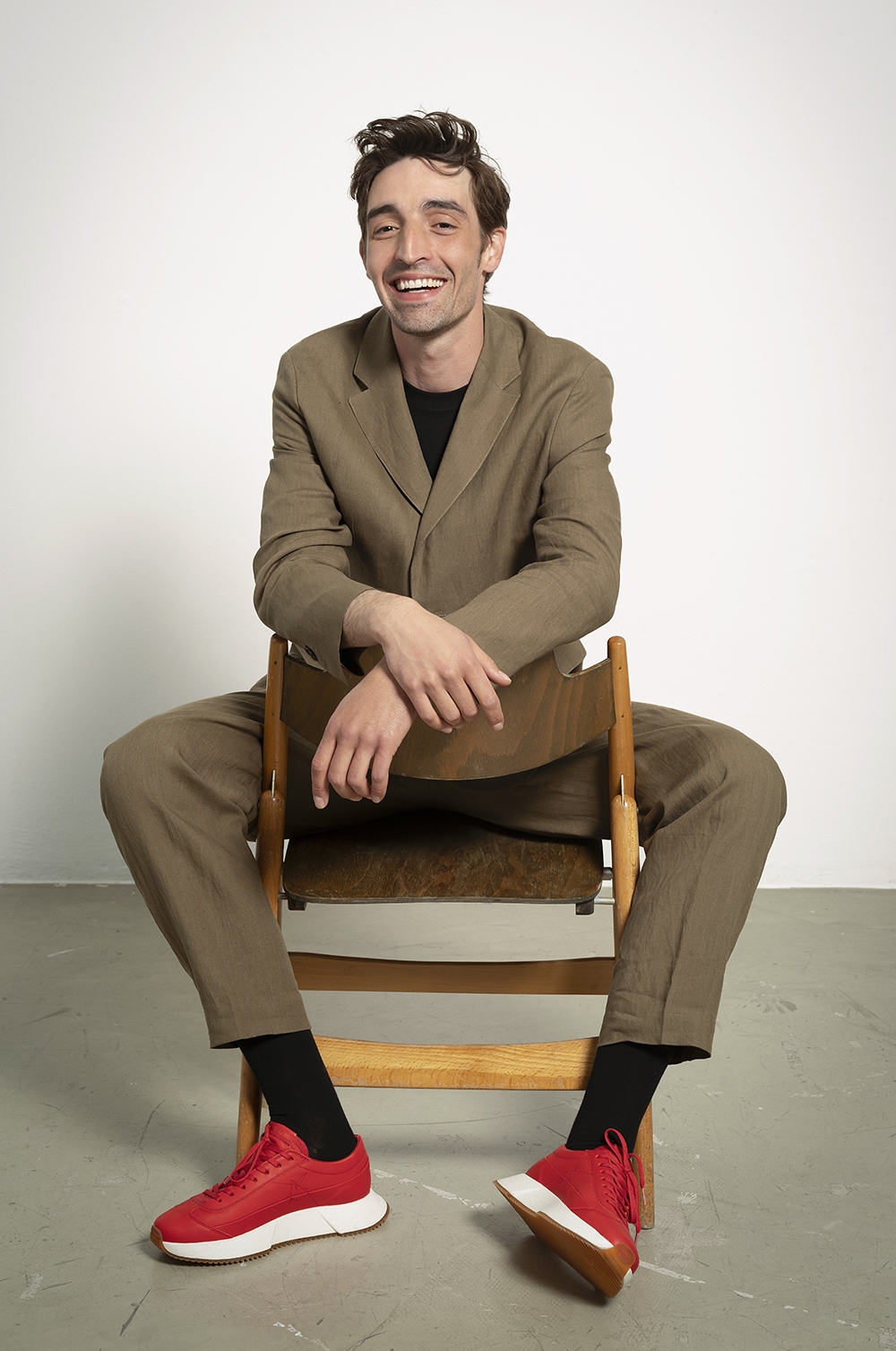
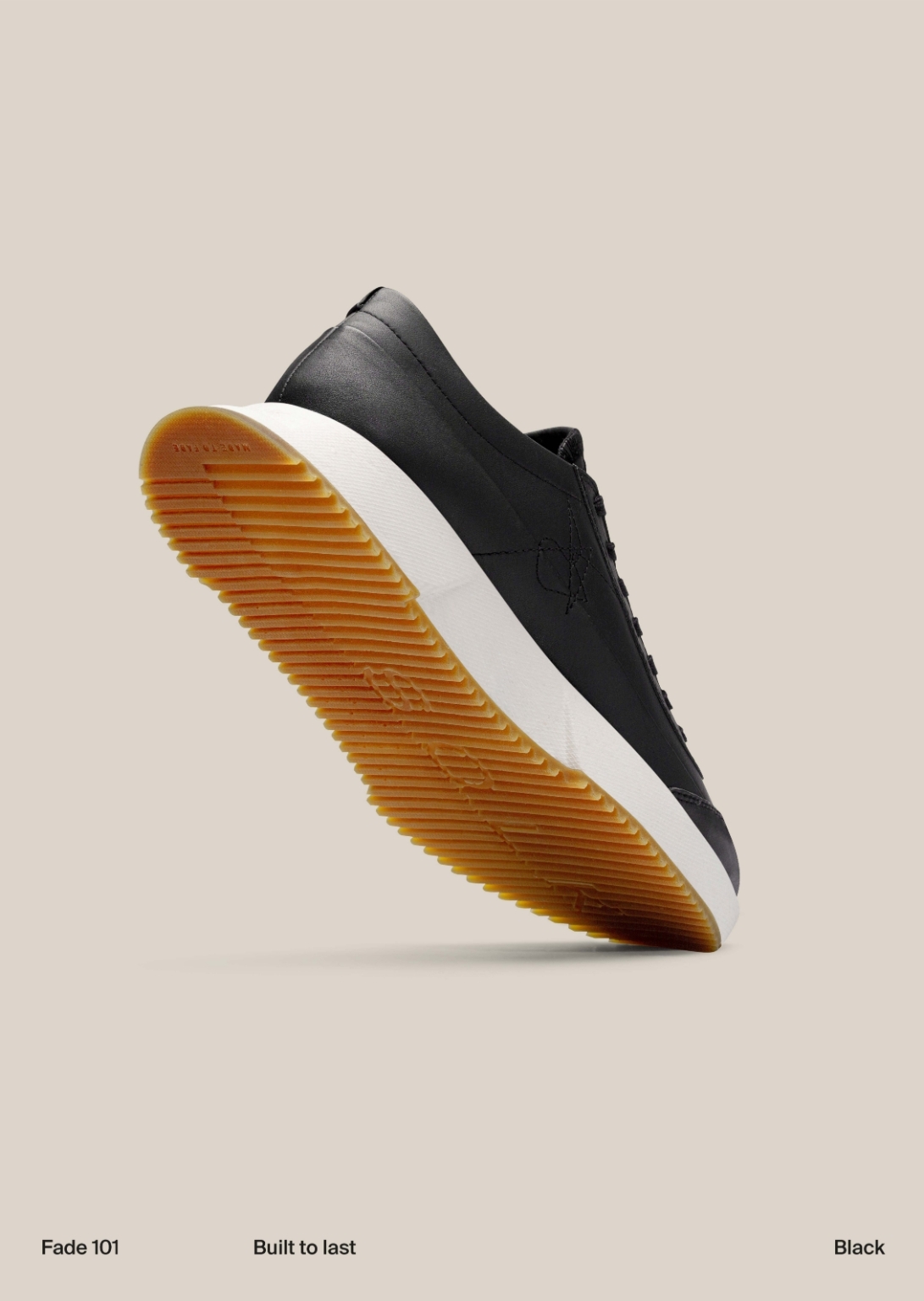
Aesthetically, Fade 101 is intentionally timeless. How did you approach design decisions knowing the sneaker’s eventual disappearance is part of its story?
From the beginning, we wanted SOLKs to be someone’s go-to sneakers — the pair by the door that you reach for without thinking. That meant being quite disciplined with the design. We focused on proportion, simplicity and engineering the product so that every detail is there for a reason, for function and comfort.
Winning the Footwear Brand of the Year at the Global Footwear Awards 2025 places SOLK on a global stage. How does this recognition validate your model, and does it change the way you see the brand’s responsibility moving forward?
We’re really honoured to receive Footwear Brand of the Year. For us, it feels like recognition of the whole idea — not just the design of the shoe, but the thinking behind it. Awards like this are encouraging, but they also come with responsibility. If we’re questioning how footwear is normally made, we have to keep showing that our approach works — in real life, at scale, over time. At the end of the day, the goal is still simple: make sneakers people want to wear, and make sure they’re harmless at the end of life.
Sustainability often comes with trade-offs. Did choosing the right solution mean slowing down growth, margins, or scalability?
I wouldn’t call them trade-offs in the traditional sense. It was more that it took time — and we had to be willing to invest that time. Building SOLK definitely took longer than developing a typical sneaker. We couldn’t just select materials off the shelf and move on. There was a lot of testing, adjusting, and starting again. But we always saw that as putting something in place for the future. If you’re trying to build a different system, it’s going to take longer at the beginning. For us, it never felt like slowing down growth. It felt like building properly.
What do you hope SOLK forces the footwear industry to confront or finally let go of?
Footwear has become very technical and very layered. Often that complexity makes circularity almost impossible. I’d like to see a shift toward simplification — fewer materials, more considered construction, clearer thinking about end-of-life from the start. Sometimes progress isn’t about adding more. It’s about removing what isn’t necessary.