



Header: Fredericia
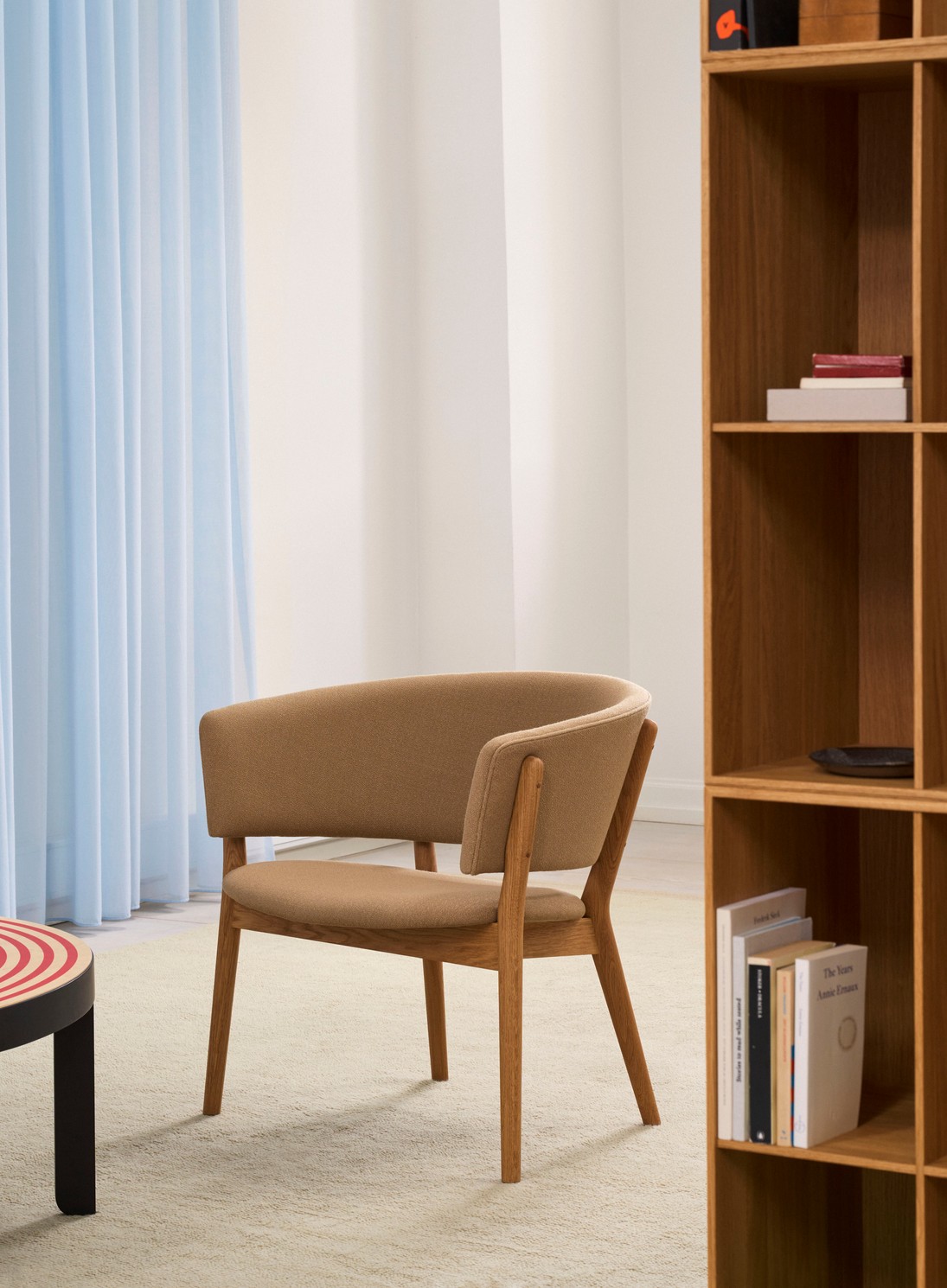
Furniture makers often look backwards to find their next big idea, and Danish brand Fredericia is no exception. The company has dug into its archives to reissue two mid-century pieces by Nanna and Jørgen Ditzel: the ND83 lounge chair from 1952 and the ND82 sofa from 1957. These items first took shape during an era when the married couple shared a studio, setting the stage for decades of experimental design work that put Danish furniture on the global map.
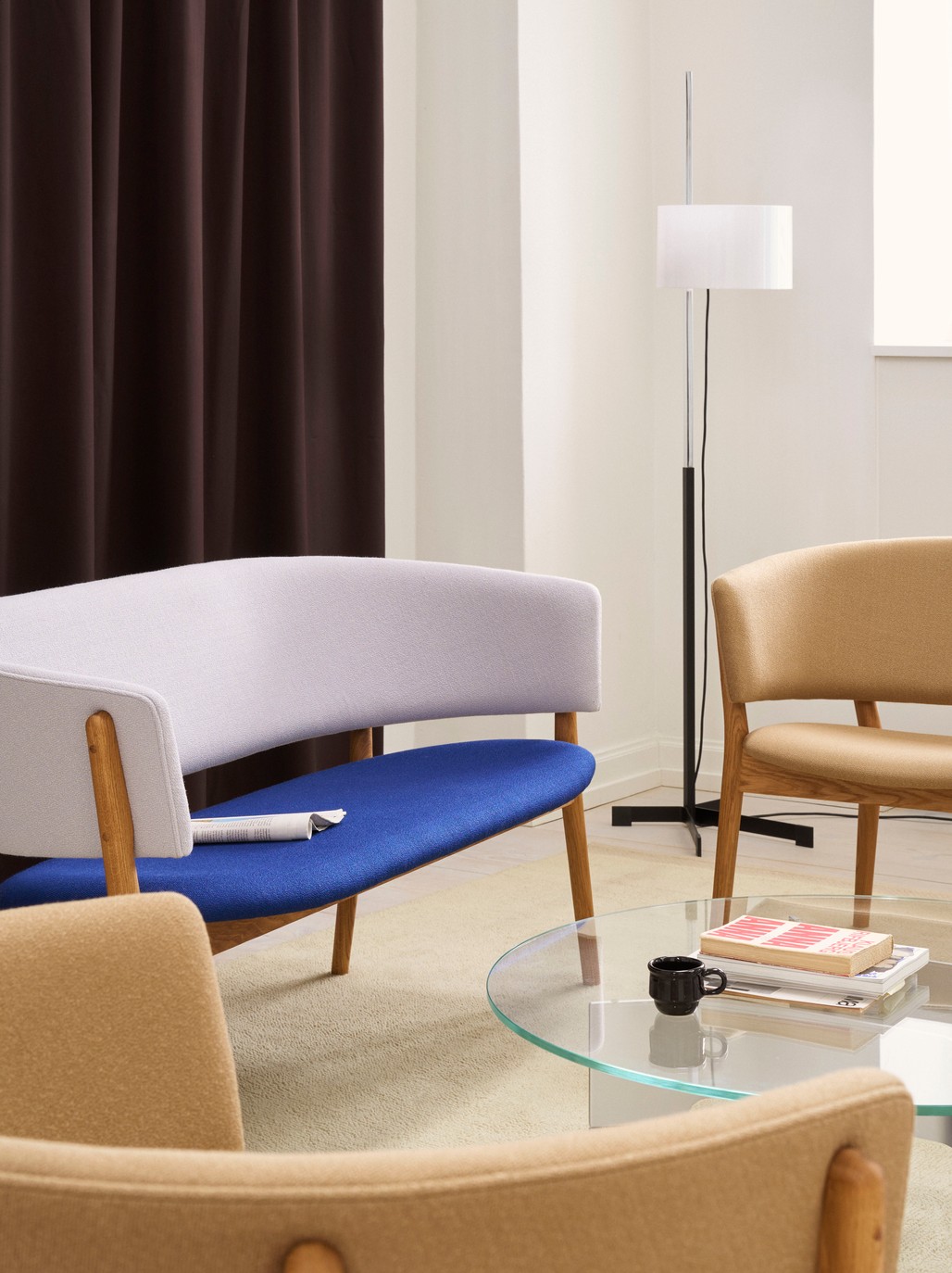
Design details that balance structure with softness
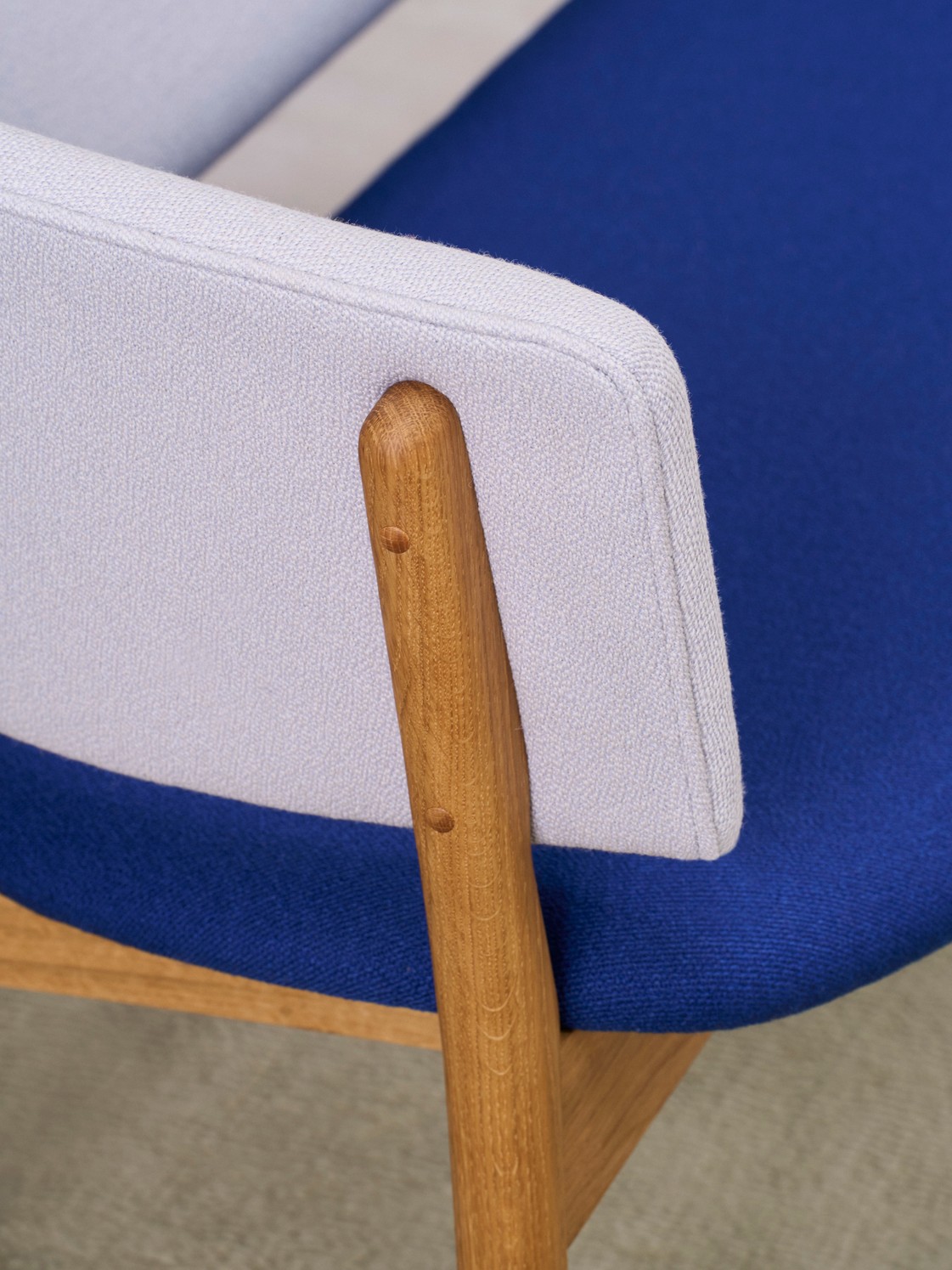
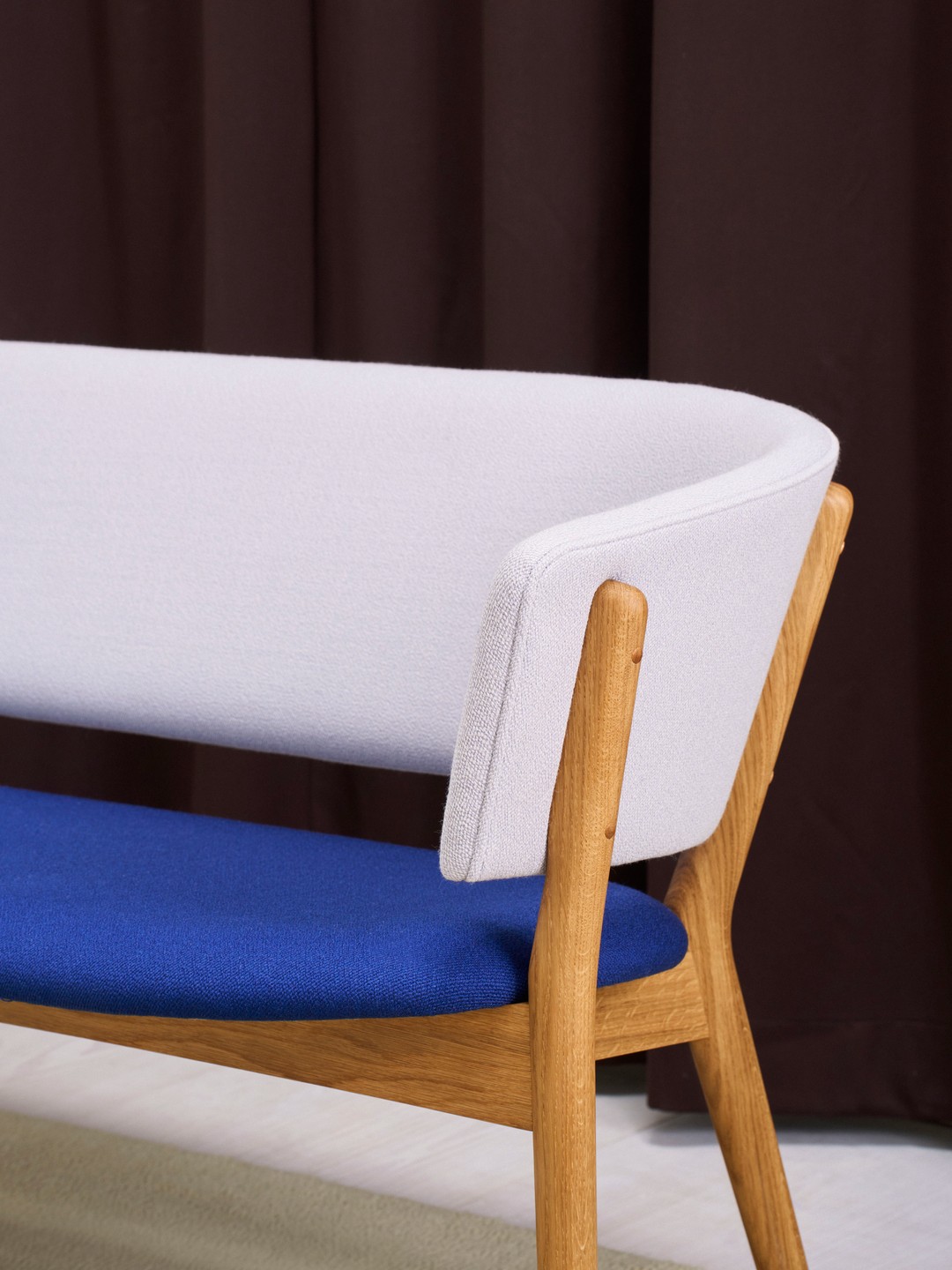
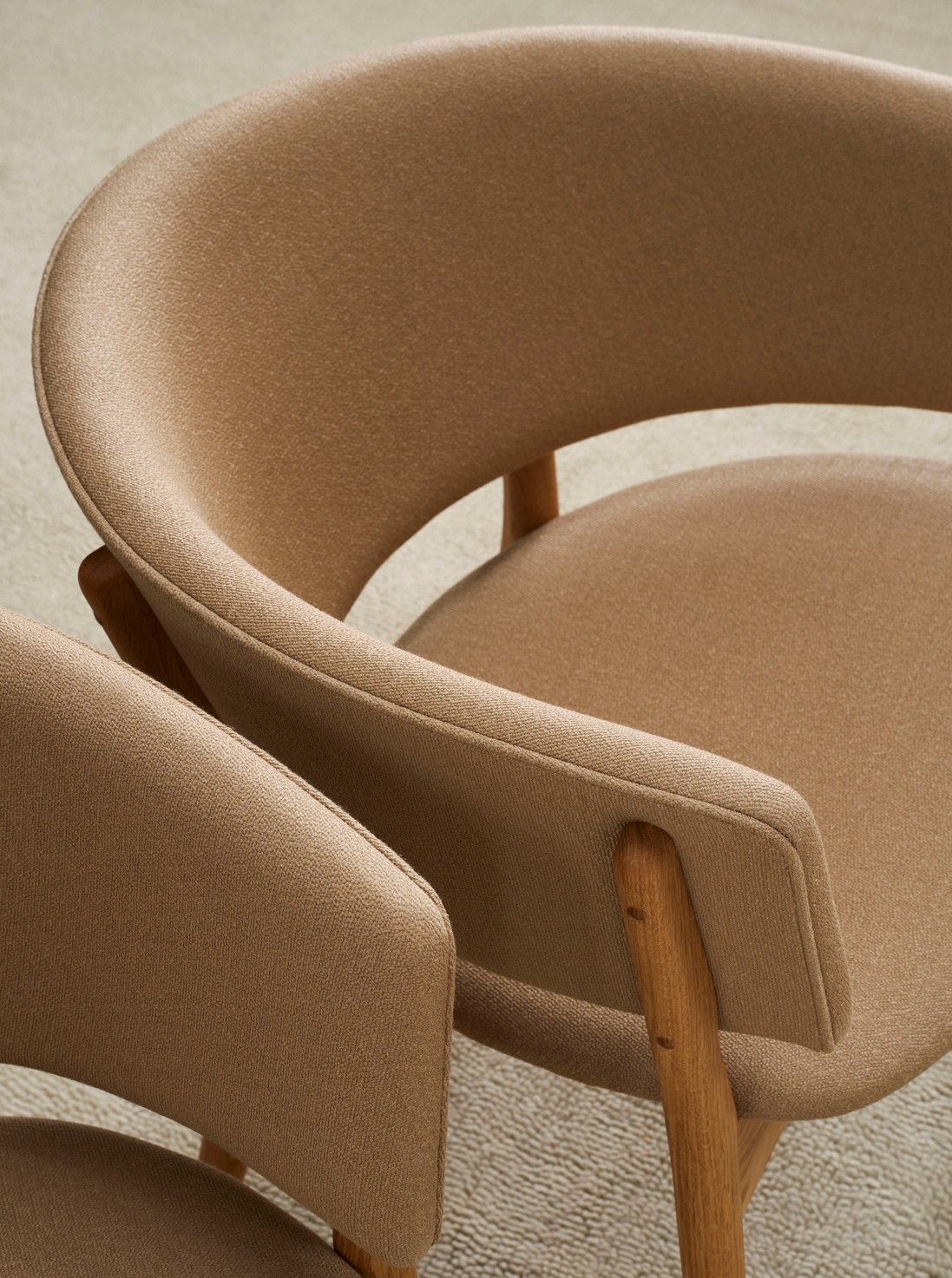
At first glance, both pieces strike a balance between an enclosed, cosy seat and an open frame. The upholstered sections curve neatly around the body, giving users a sense of shelter without feeling boxed in. Unlike many chairs from that period that hide their skeletons under fabric, these designs leave their wooden frames entirely exposed. The slender wood runs along the outer perimeter of the chair and sofa, providing clear structural lines that contrast against the soft cushions.
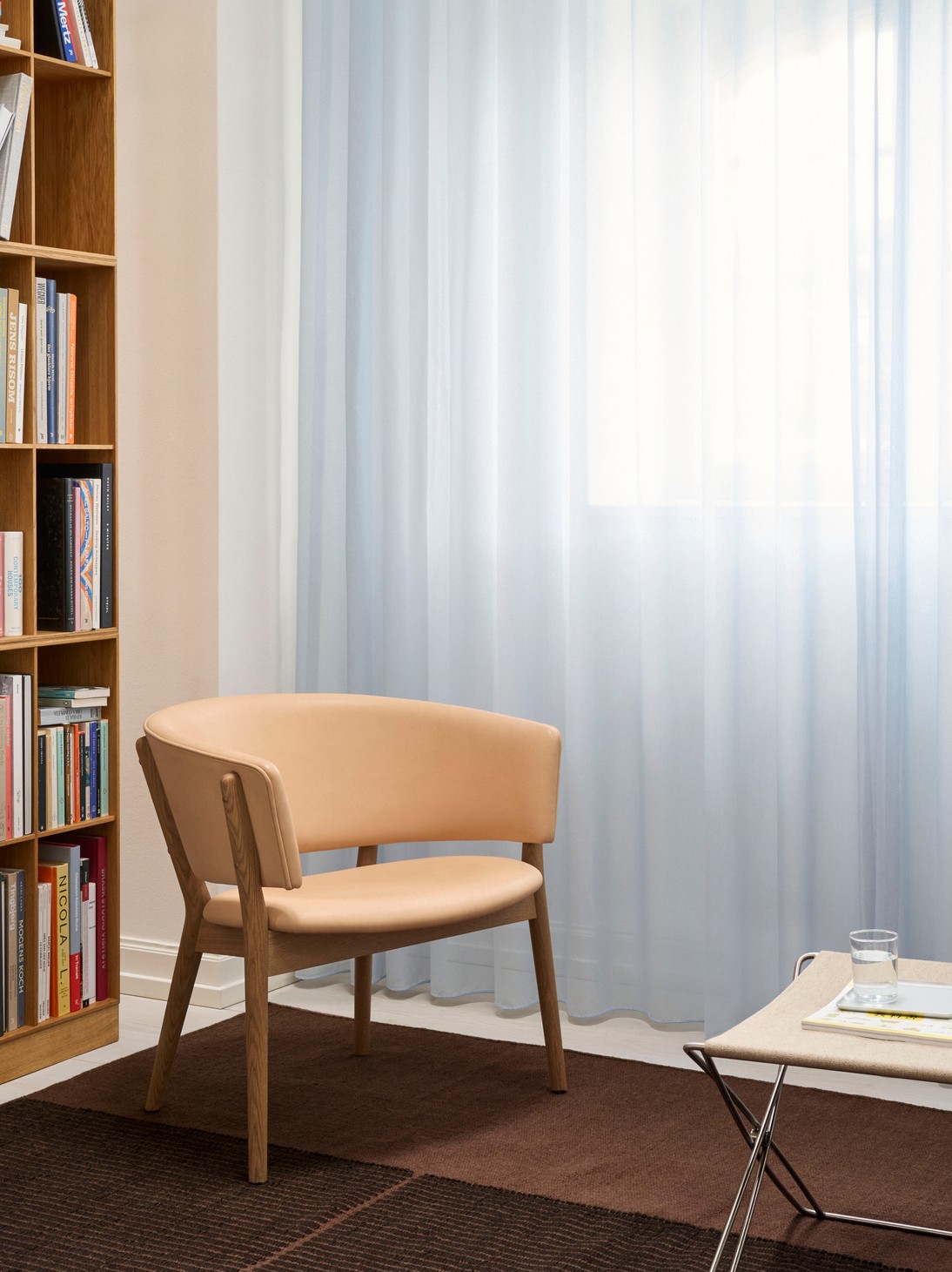
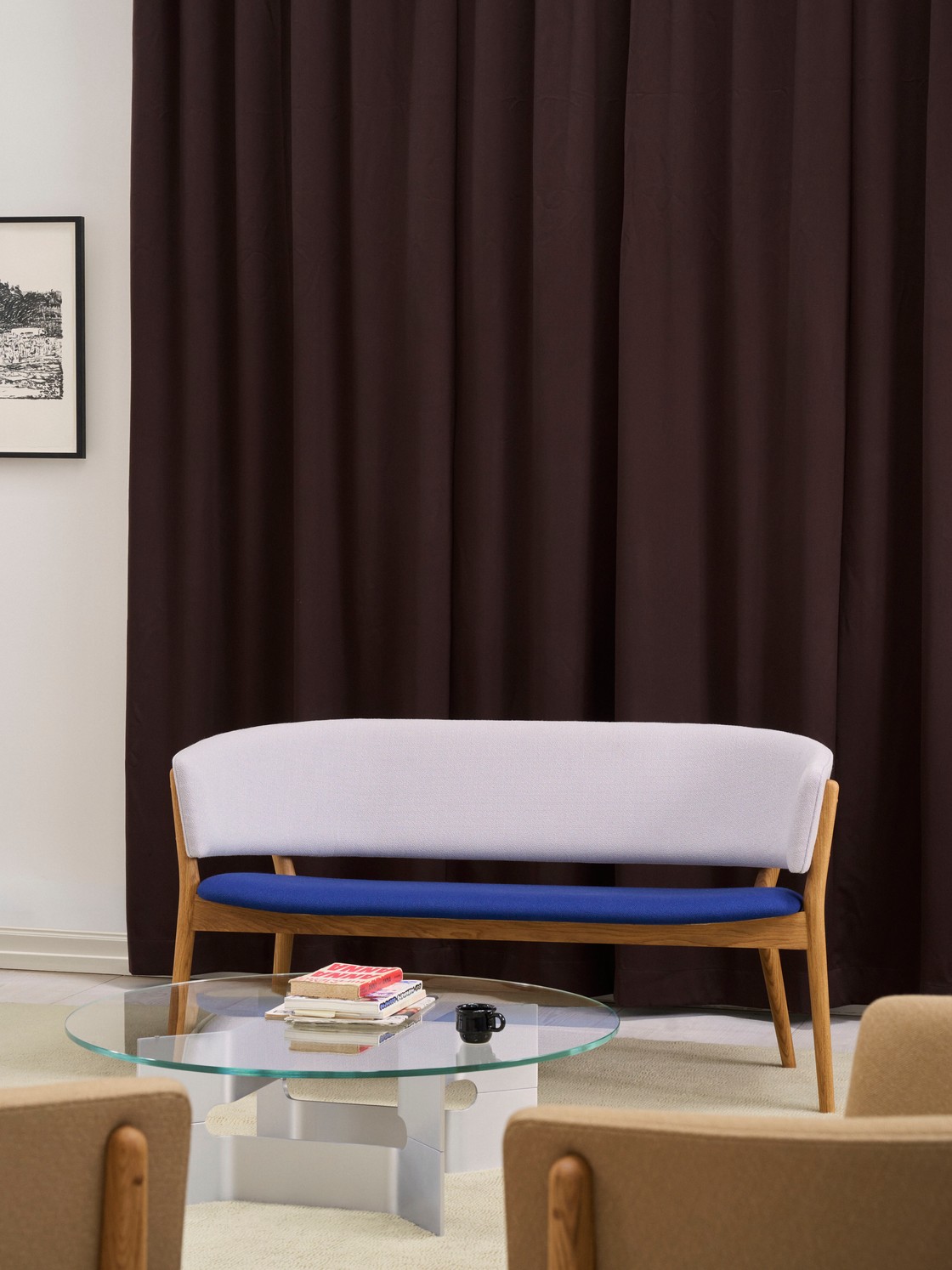
This layout requires two separate workshops working in tandem. At the Fredericia joinery, artisans shape solid oak or walnut into tight, precise frames. Meanwhile, the upholstery team builds up moulded foam to form the curved seats and backs. Because the frame and the padding are kept distinct, buyers can mix and match materials, ordering the seat and back in two different fabrics or leathers. Wood finishes include soap-treated oak, oiled oak, smoked oiled oak, and oiled walnut.
A legacy of experimental Danish craft
Nanna Ditzel trained as a cabinetmaker and studied at the Royal Danish Academy of Fine Arts under Kaare Klint, where she met Jørgen. They opened a joint studio in 1946 and spent the next fifteen years pushing boundaries with unusual forms and materials. After Jørgen passed away in 1961, Nanna continued her career, eventually becoming Fredericia’s second in-house designer in 1989, following Børge Mogensen. Over the decades, her work popped up everywhere from private homes to high-profile public spots like the Sydney Opera House and New York’s The Standard.
A vintage piece you keep for decades
Sitting in these seats feels less like resting on a piece of furniture and more like occupying a tiny, private room built just for one person. When a chair manages to hug your shoulders while keeping its wooden legs so thin and sharp, it stops being a mere utility and starts feeling like a companion you keep around for decades.


