




Header: Courtesy of Porsche
The landscape of performance SUVs just shifted. Since its debut in 2002, the Porsche Cayenne has been the standard for sports car DNA in a large package. On November 19, 2025, Porsche moved that legend into the future with the launch of the Cayenne Electric. This isn’t just another battery-powered car; it is the most powerful production Porsche ever built, delivering up to 1,156 PS and a massive 1,500 Nm of torque.
Sharp lines and smart air
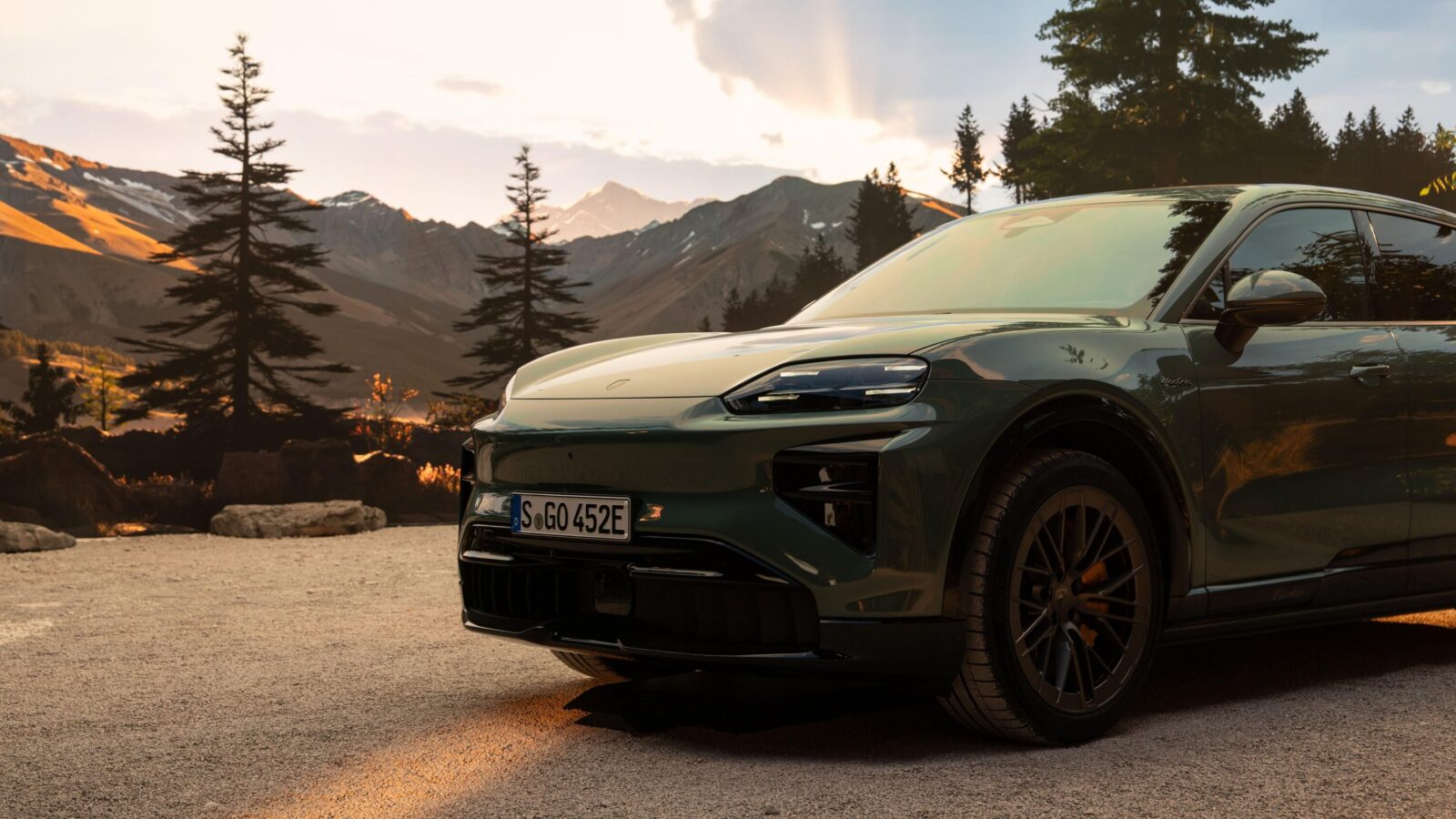
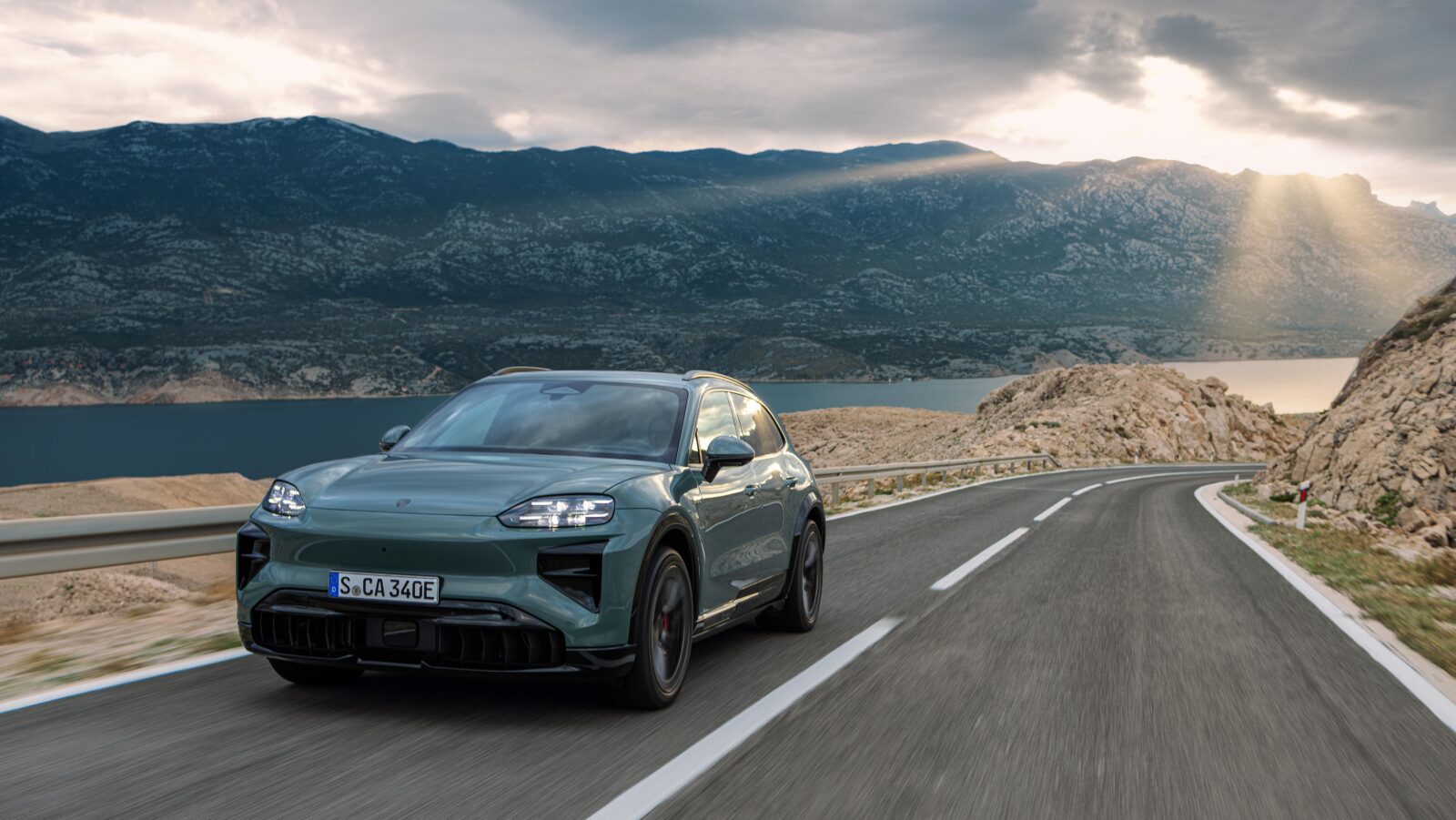
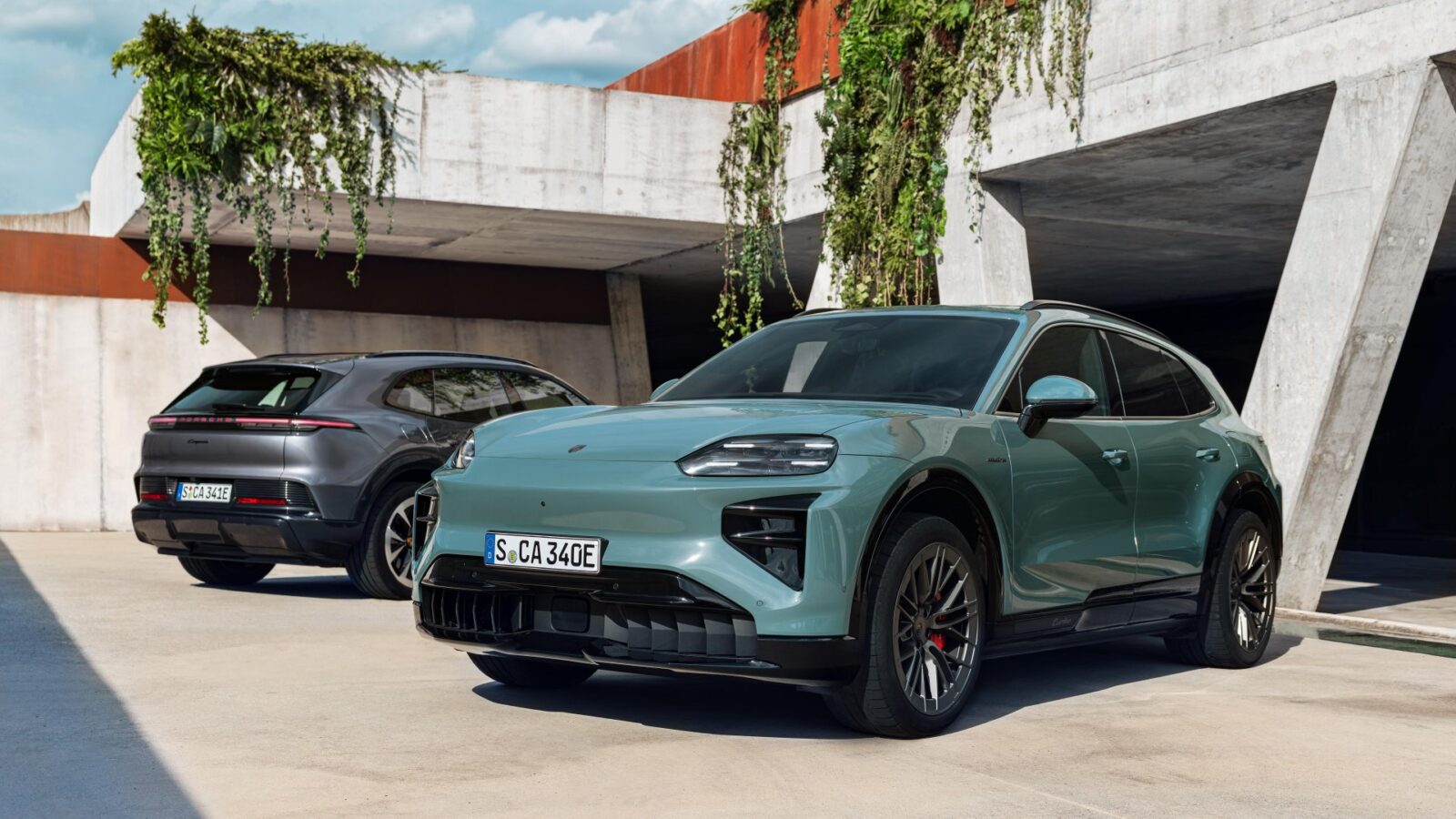
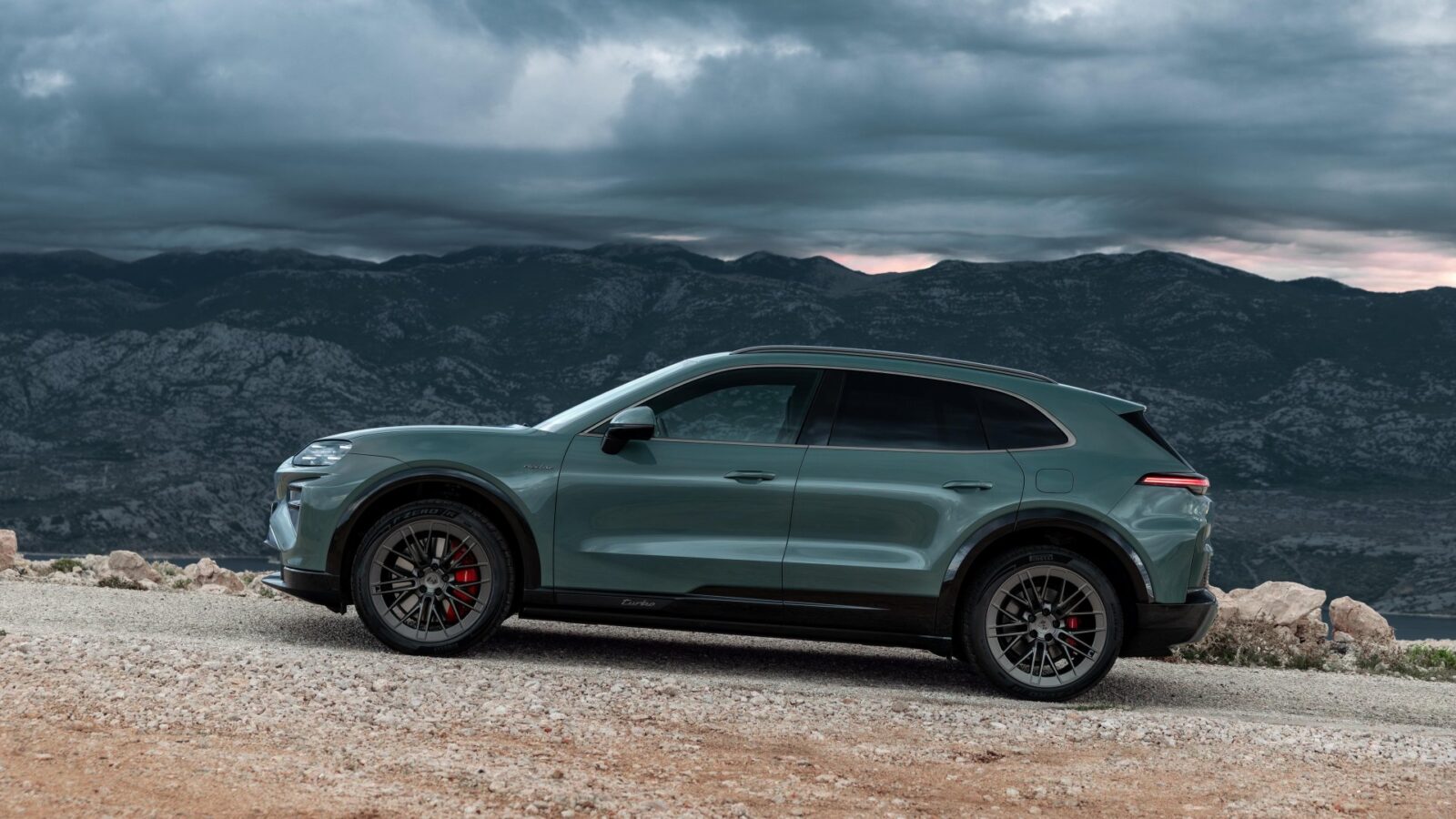
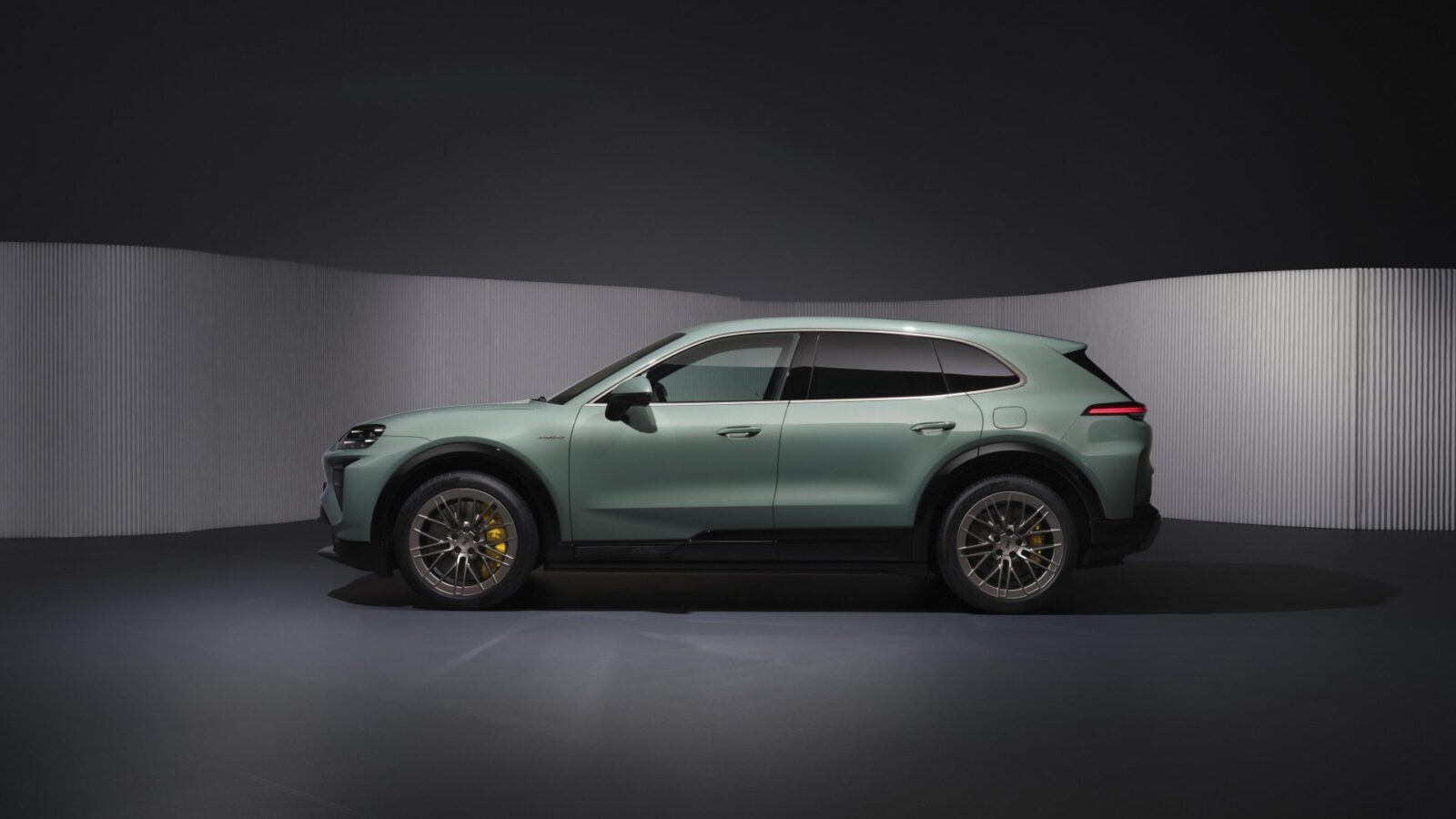
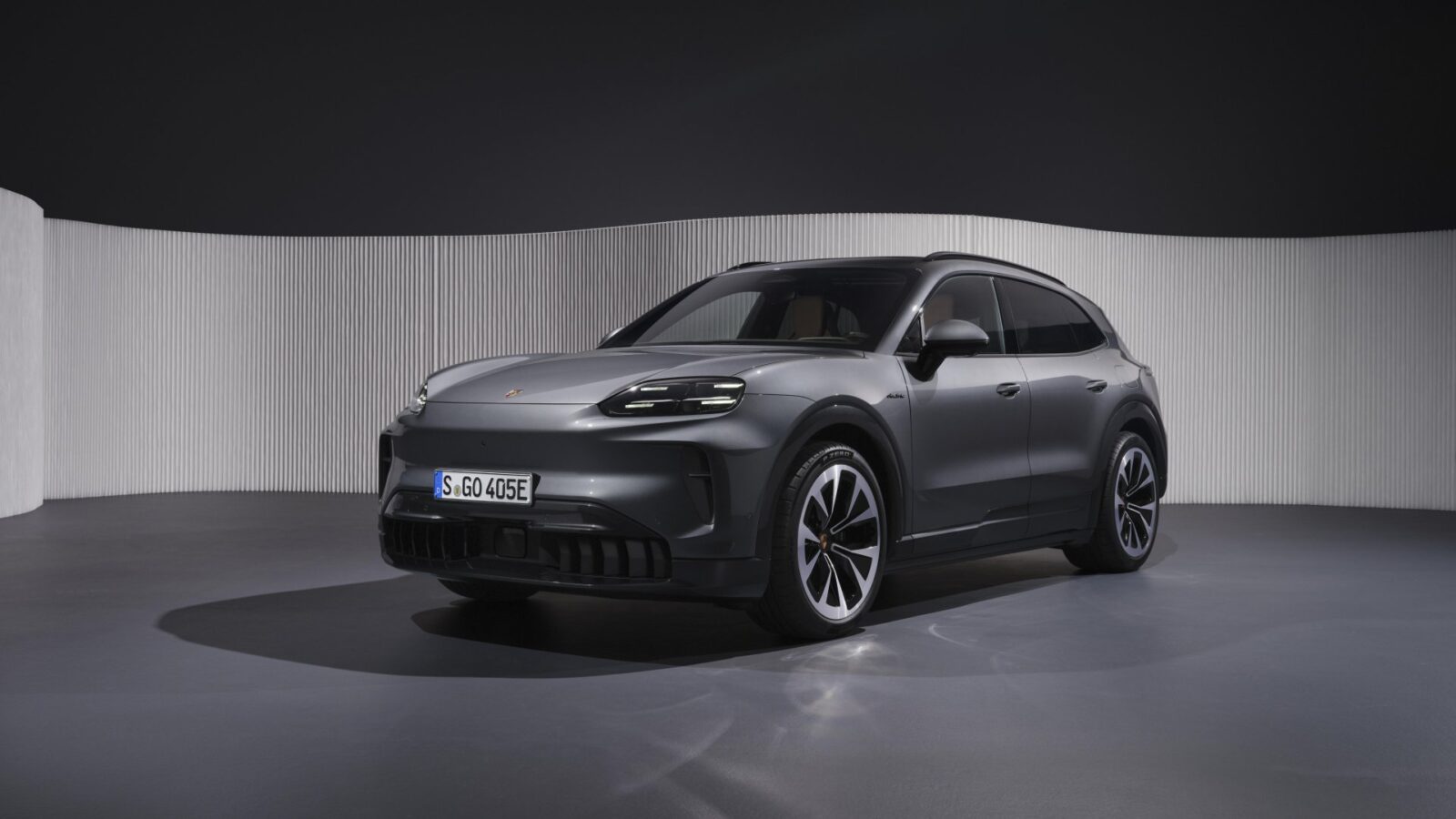
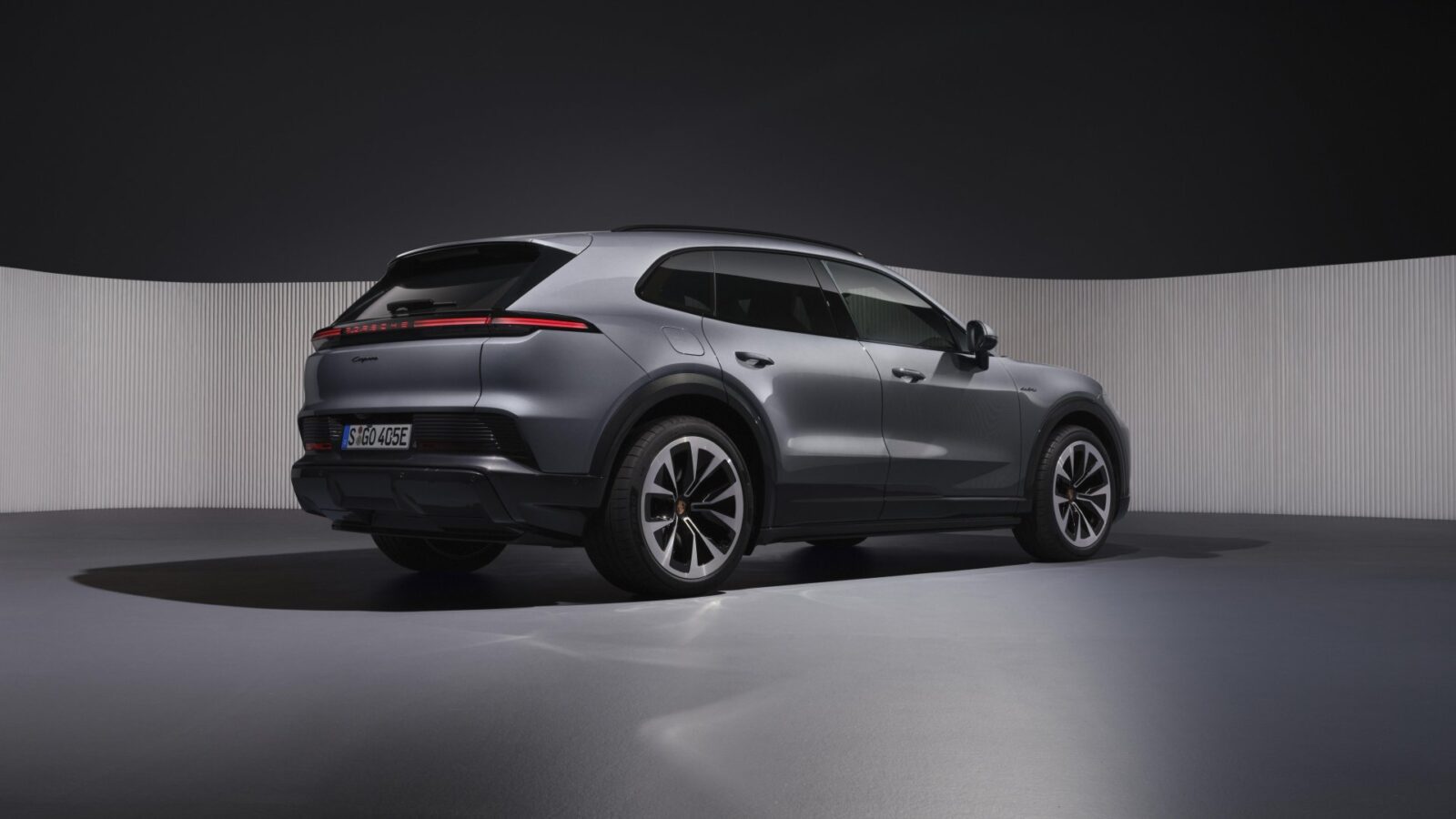
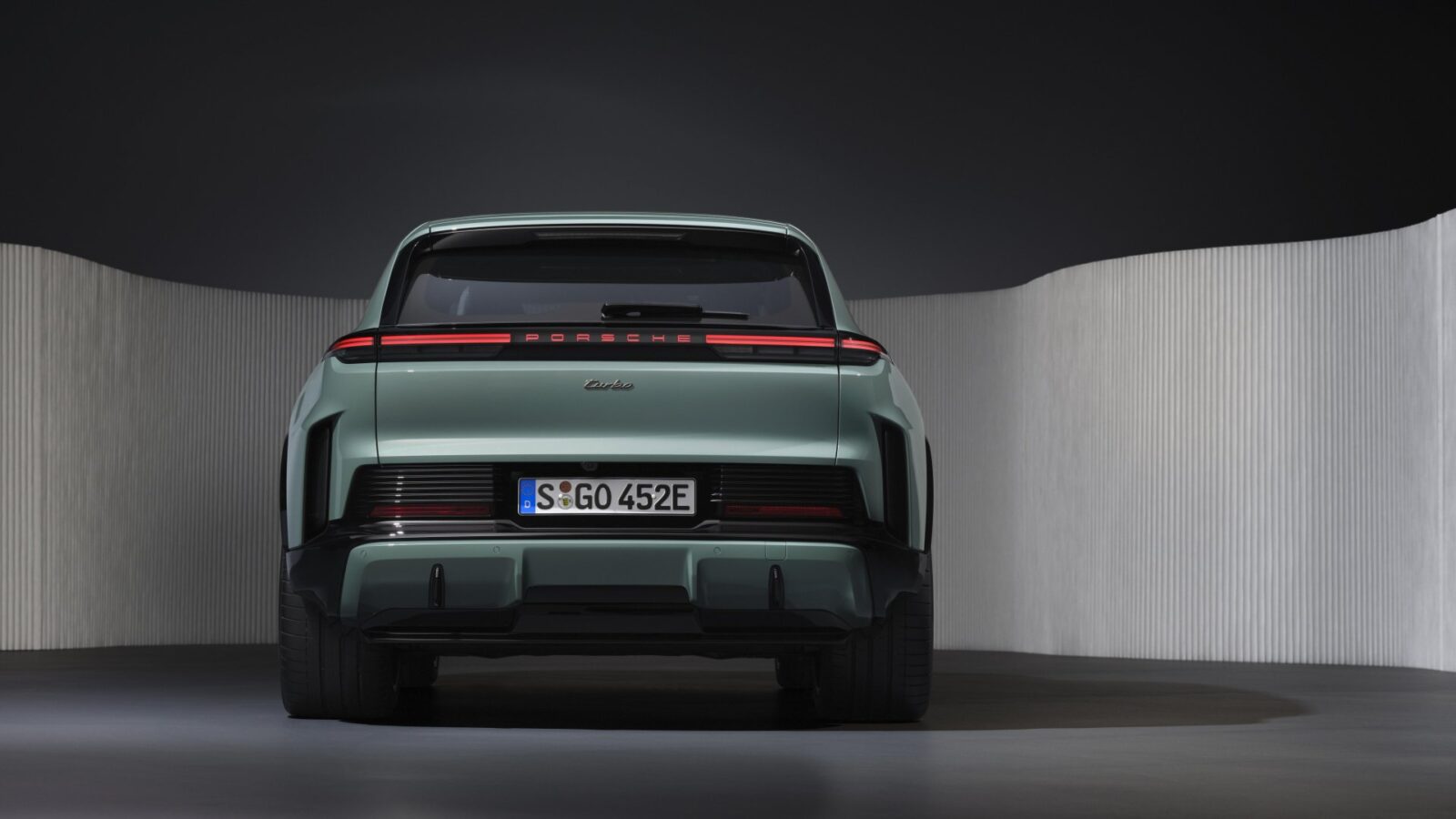
The look of the new Cayenne Electric stays true to the brand’s history while pushing into a more modern space. It features a low bonnet paired with very slim Matrix LED headlights that make the car look wider and more grounded. Porsche kept the “flyline”, that familiar sloping roof, but added new touches like frameless doors and a sharp crease along the side panels.
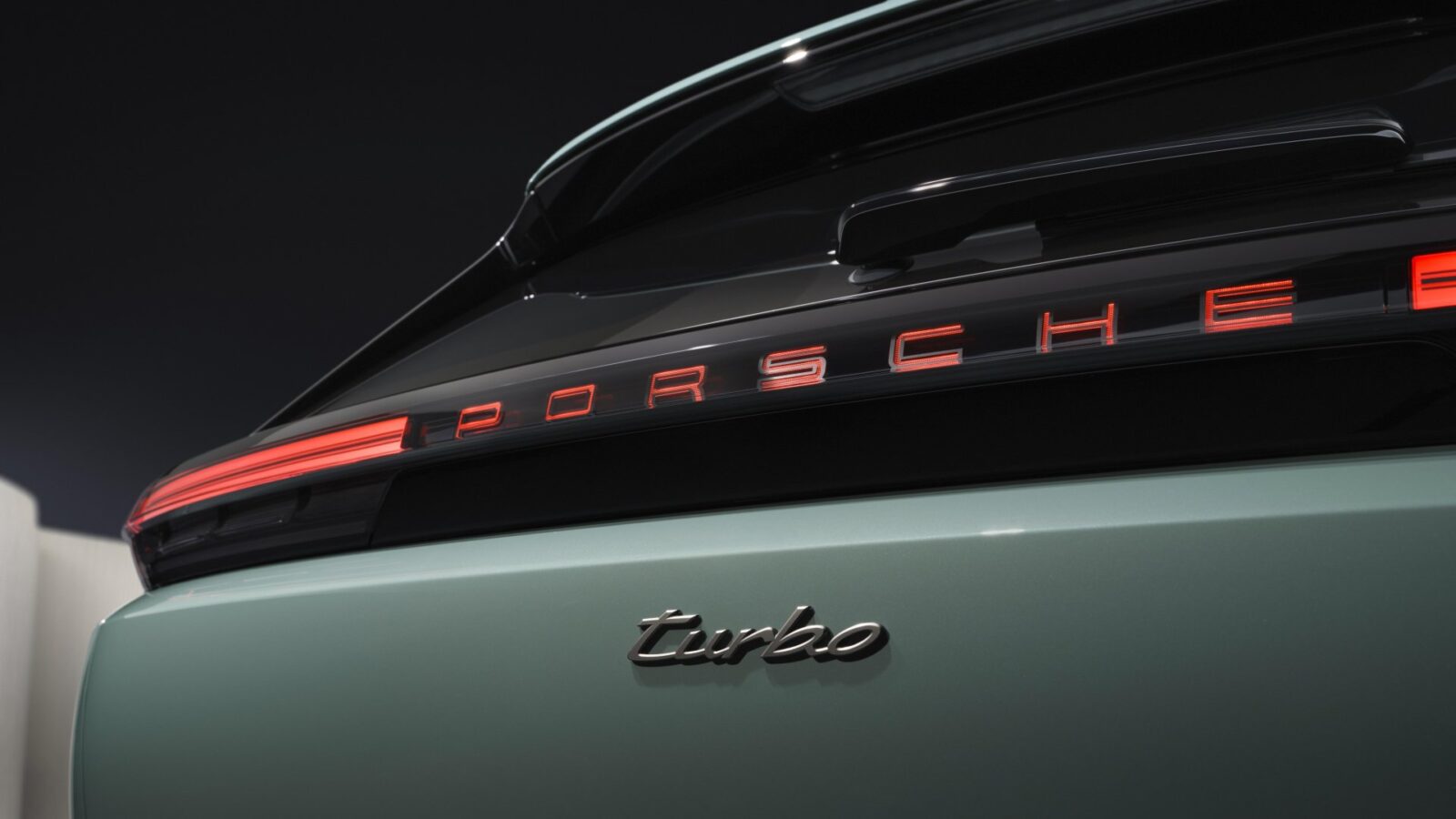
Efficiency drives the shape here. With a drag coefficient of 0.25, it is one of the slipperiest SUVs on the road. The front has movable flaps that open or close depending on how much cooling the car needs, and the Turbo model uses “aeroblades” at the back to manage airflow at high speeds. Even the underbody is almost completely flat to help the car cut through the air, which helps it reach a range of up to 642 kilometres.
A new dimension of space and light
Inside, the Cayenne Electric has grown. It is 55 millimetres longer than the petrol version, and the wheelbase has stretched by nearly 13 centimetres. This change creates a lot more legroom for people in the back. The trunk offers up to 1,588 litres of space, plus a 90-litre “frunk” under the bonnet for smaller bags.
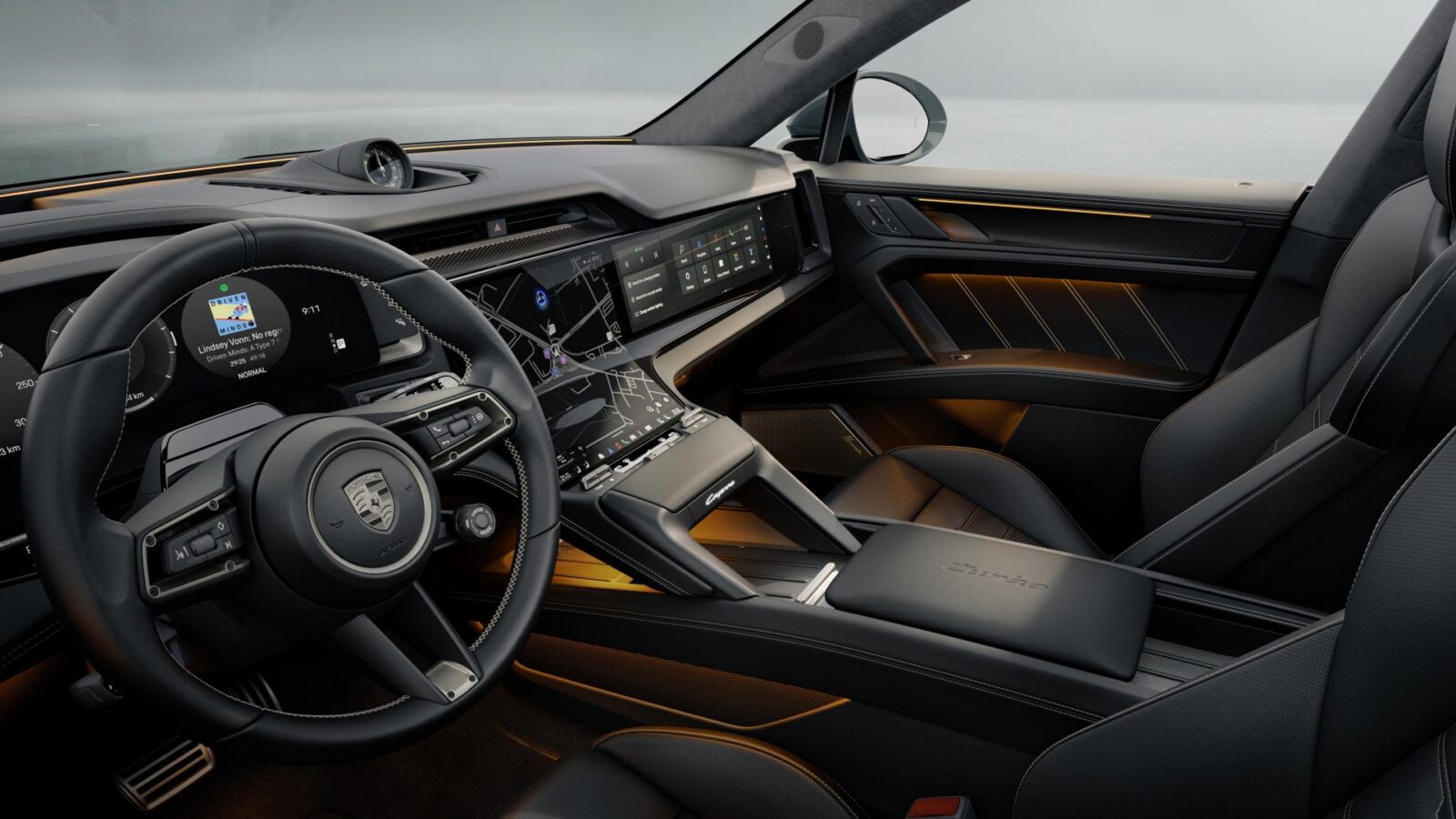
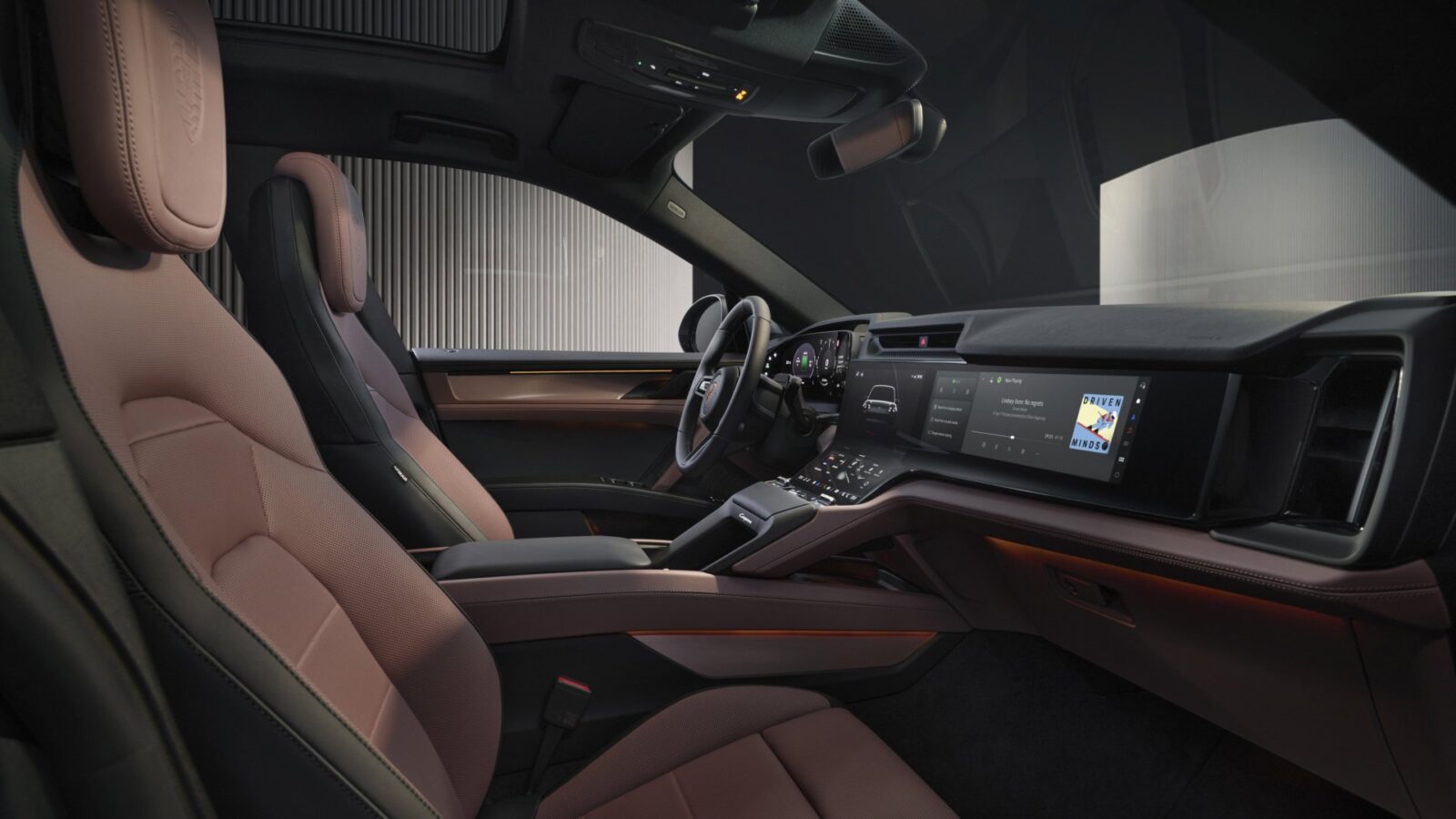
The cabin focuses on what Porsche calls “Mood Modes.” These settings change the seating position, lighting, and sound to match how you feel. A new “Panoramic Roof” uses liquid crystal technology so you can change it from clear to opaque with a switch. For cold days, Porsche added panel heating, which warms up the armrests and door surfaces instead of just the seats.
The massive digital cockpit
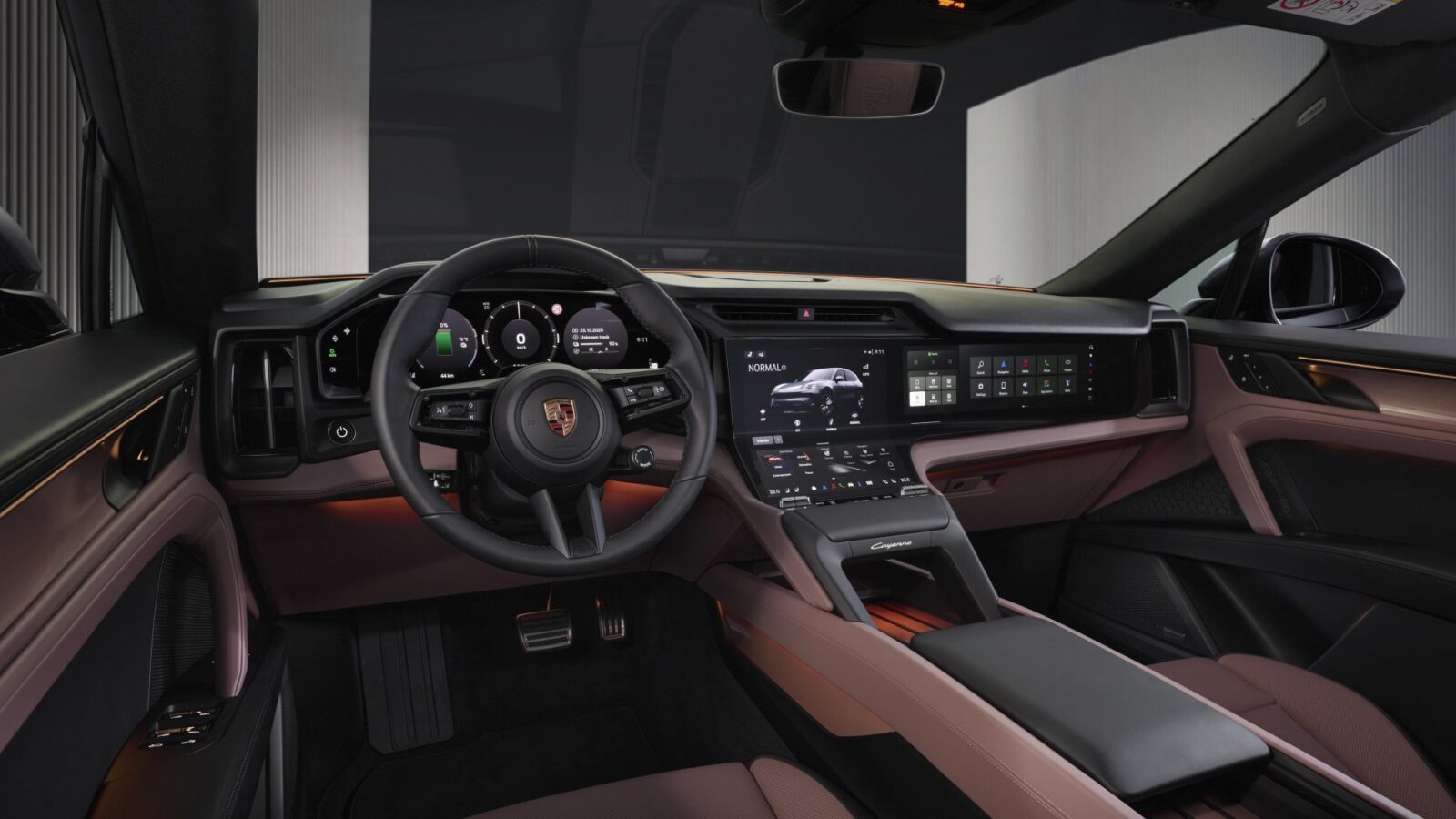
The dashboard is dominated by the “Flow Display,” a curved OLED panel that sits in the centre console. Drivers get a 14.25-inch digital cluster, and there is an optional 14.9-inch screen just for the passenger. For the first time, a head-up display uses augmented reality to project navigation and data so they look like they are floating 10 metres in front of the car.
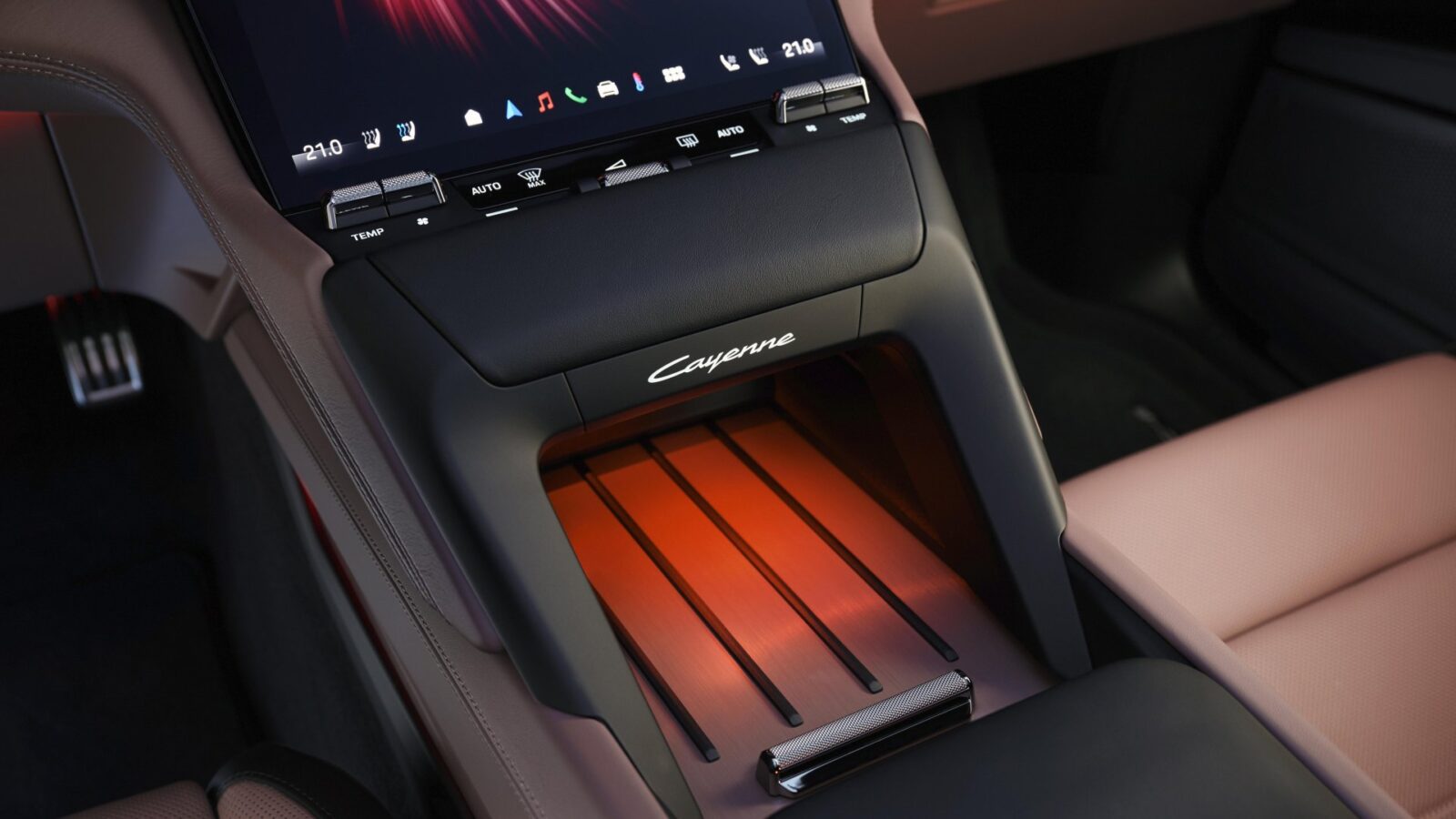
While most things are digital, Porsche kept physical buttons for the volume and air conditioning so they are easy to find without looking. There is even a new hand rest designed to help you use the screens steadily while driving fast. If you prefer talking to the car, the new Voice Pilot uses AI to answer complex questions or change settings through natural conversation.
Racing tech for the road
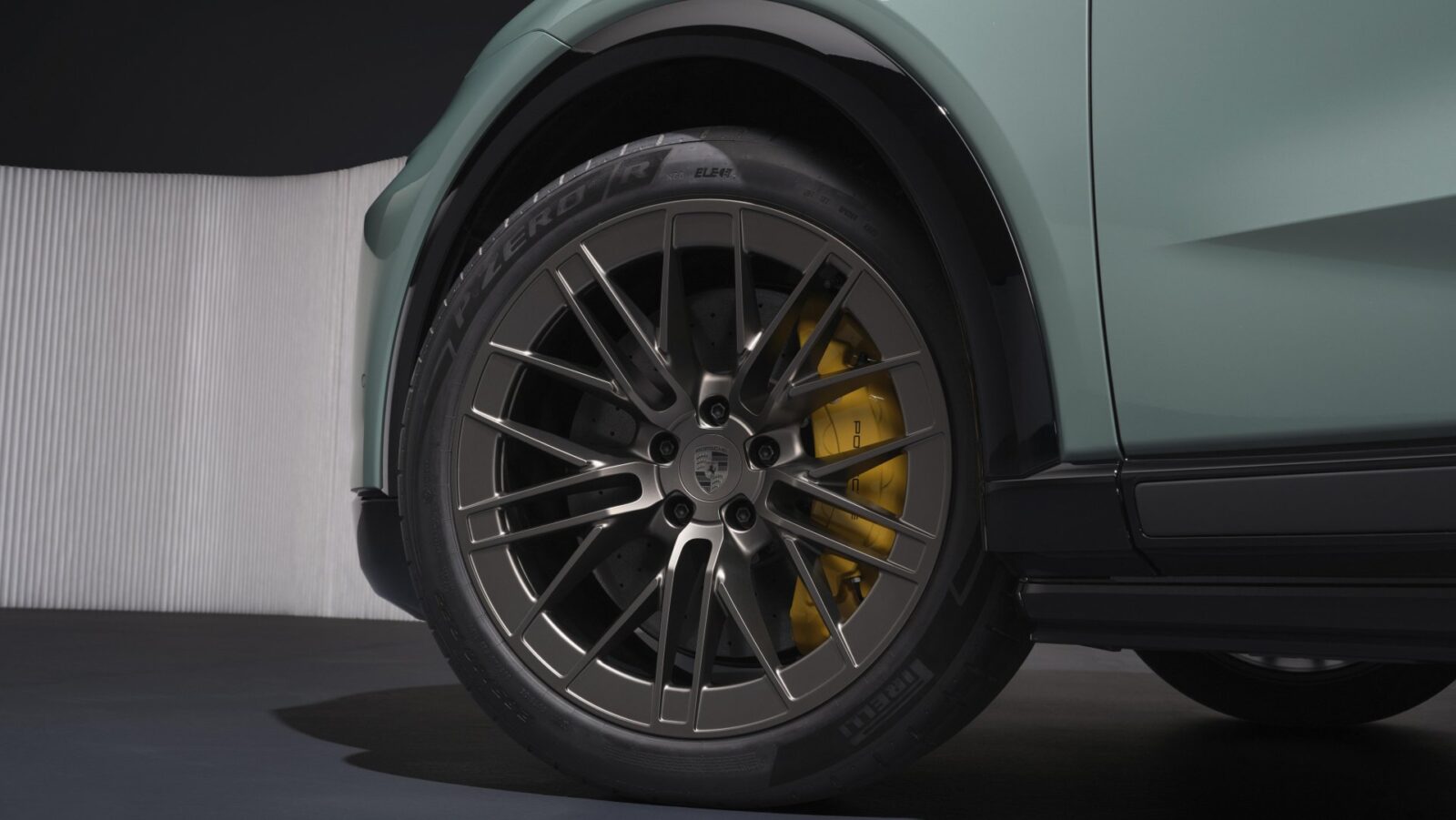
The performance figures are staggering. The Cayenne Turbo Electric hits 100 km/h in just 2.5 seconds. Much of this speed comes from motorsport-derived technology, like the direct oil cooling for the rear motor. The car also recovers energy like a Formula E racer, using its motors to handle 97 per cent of all braking in daily traffic.
Charging is just as fast. Using 800-volt technology, the 113 kWh battery can go from 10 to 80 per cent in less than 16 minutes. For those who hate cables, Porsche now offers inductive charging. You simply park over a floor plate, and the car starts charging wirelessly at 11 kW.
The Cayenne Electric is a clear signal that Porsche can move into the electric era without losing its edge. By packing 1,156 HP into a body that is more aerodynamic and spacious than ever, they have created a vehicle that works for a school run, a mountain trail, or a race track. It sits alongside petrol and hybrid versions to give drivers every possible choice, but as a design and tech achievement, the electric model is now the leader of the pack.


