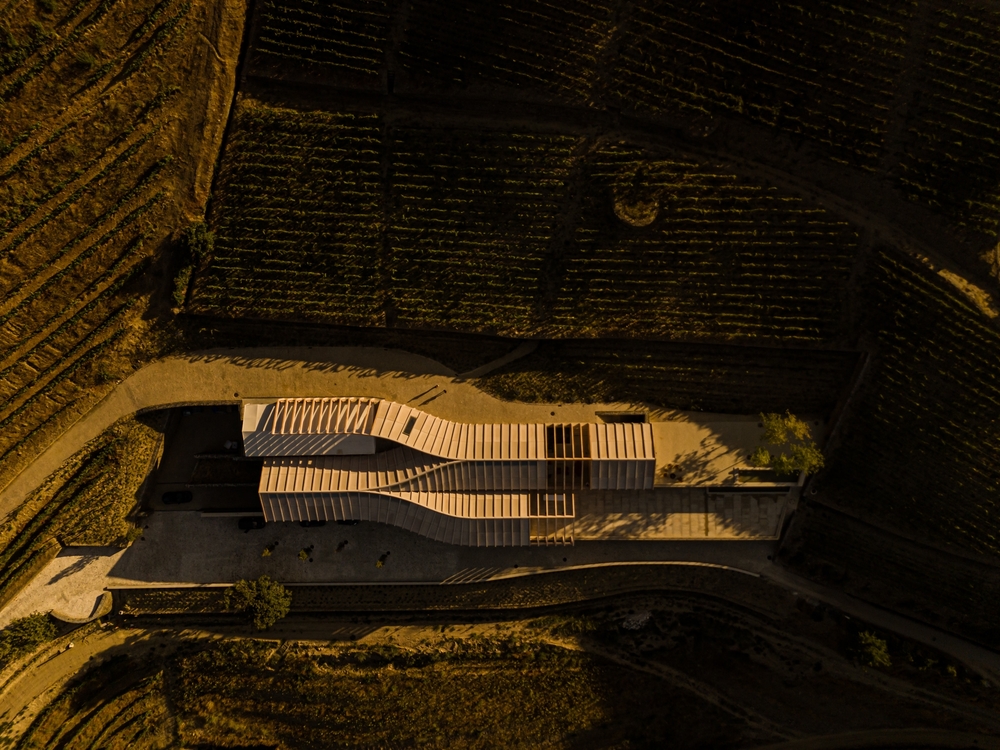
Since founding his firm in 1979, Tino Kwan has worked with a principle that sounds straightforward and asks a great deal of a designer: “To utilize minimal lighting equipment to achieve maximum lighting effect.” Across more than 1,800 projects worldwide, including over 650 hotels, that belief has guided a practice concerned with where light falls, what it reveals and how it makes people feel.
The Hong Kong-born lighting designer has been named the recipient of the 2026 LIT Lighting Design Awards Lifetime Achievement Award, recognising a career that spans international hospitality projects, the development of his practice across Asia and a sustained commitment to teaching. His work ranges from hotels, restaurants and shops to residential developments, façades and landscapes, while his educational programmes have reached thousands of professionals in China and Hong Kong.
“I’ve never had the habit of chasing after awards” is how Kwan begins his reflection on receiving the honour. “Receiving this award makes me think I have been doing the right thing all these years. I think I will set even higher standards for myself and my team from now on. It really is an honour that I never expected.”
From industrial design to an international practice
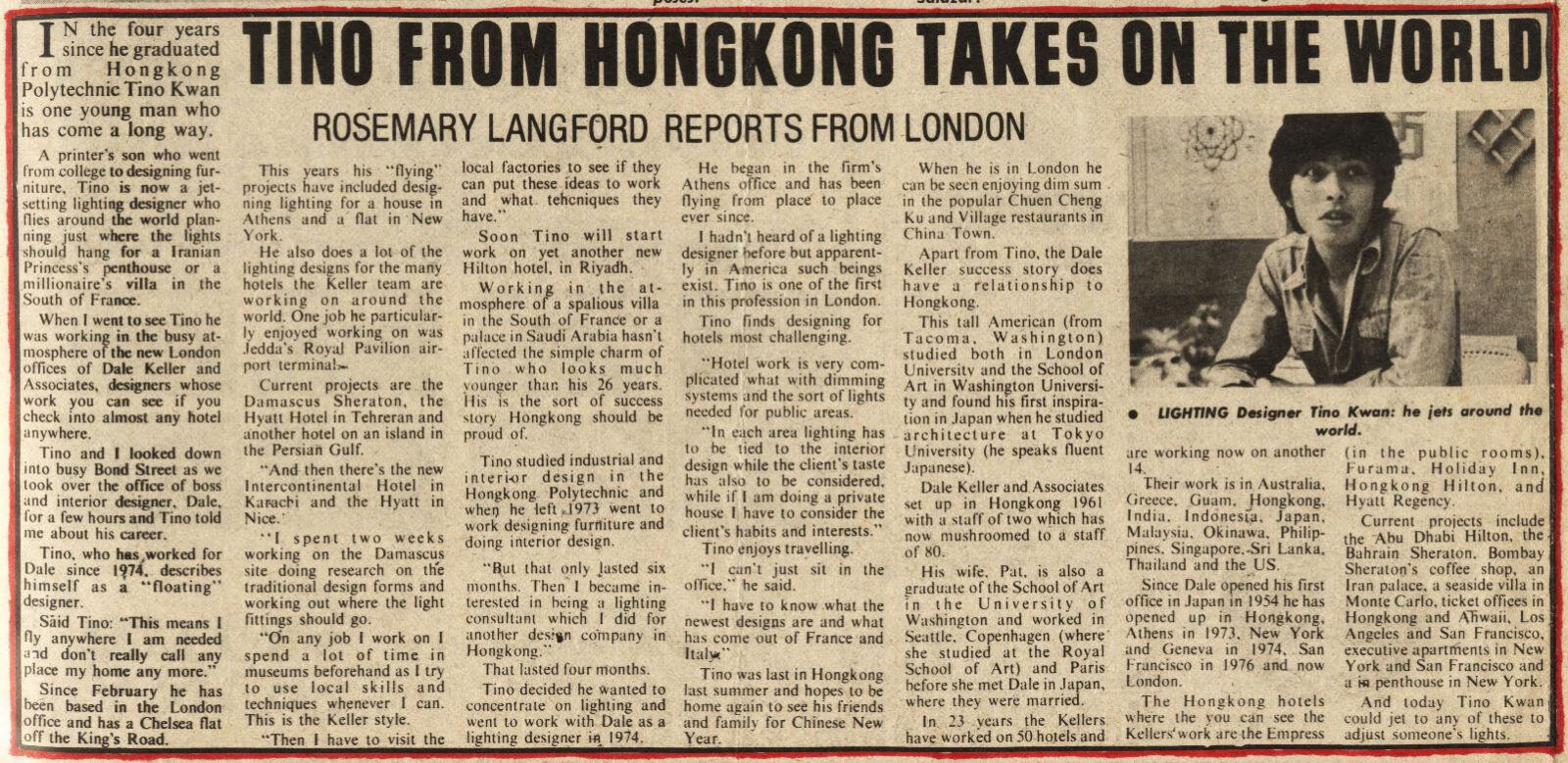
Kwan graduated from Hong Kong Polytechnic with a Higher Diploma in Industrial Design in 1973 and began his lighting design career the following year. His early career took him through Hong Kong, Athens and London, with roles at US Spatial Light Environments Design Company and Dale Keller & Associates Interior Design Company.
In 1979, he founded Tino Kwan Lighting Consultants in London. Two years later, he returned to Hong Kong and moved the firm’s headquarters there. The practice subsequently expanded, opening offices in Beijing and Tokyo in 2010.
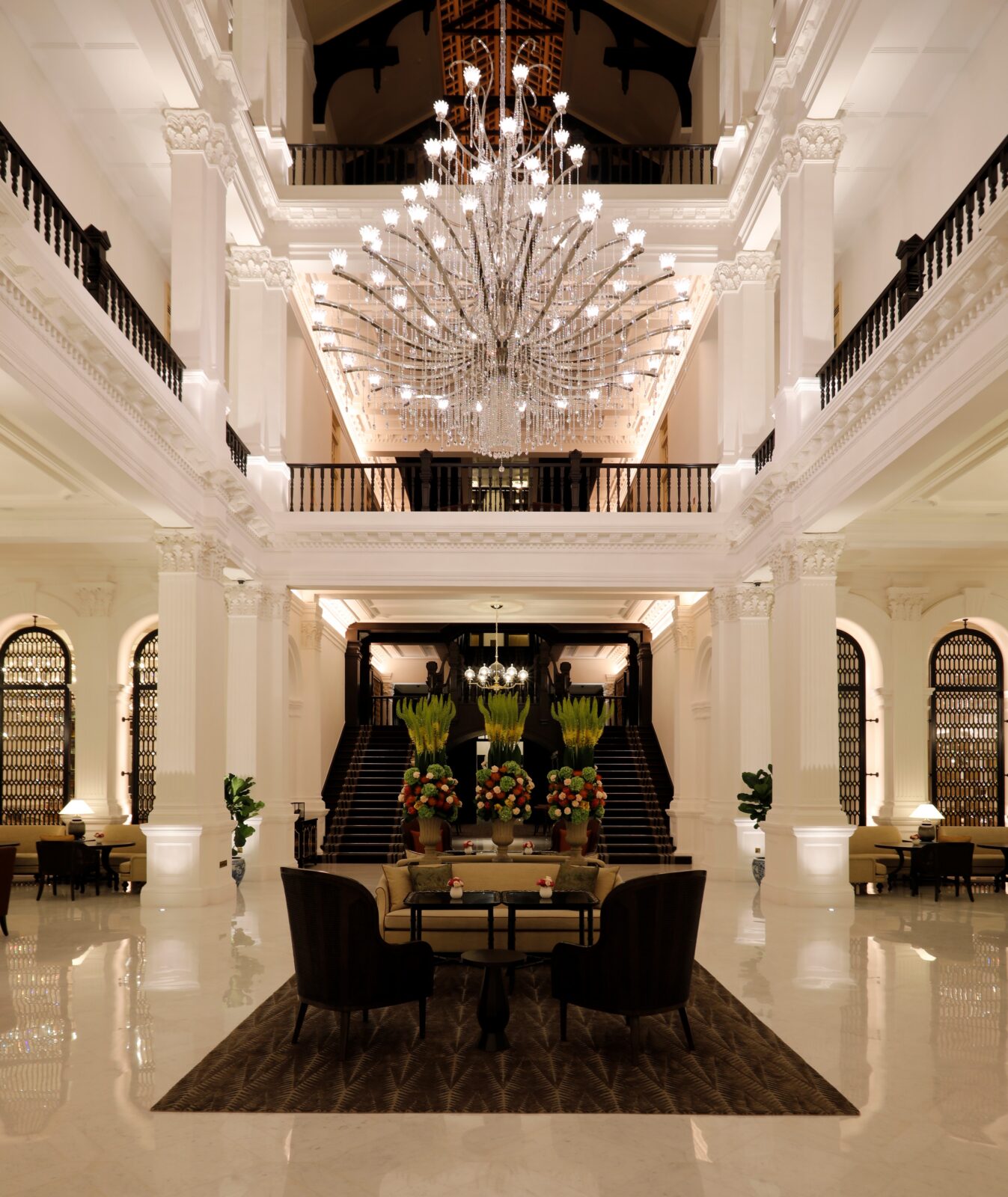
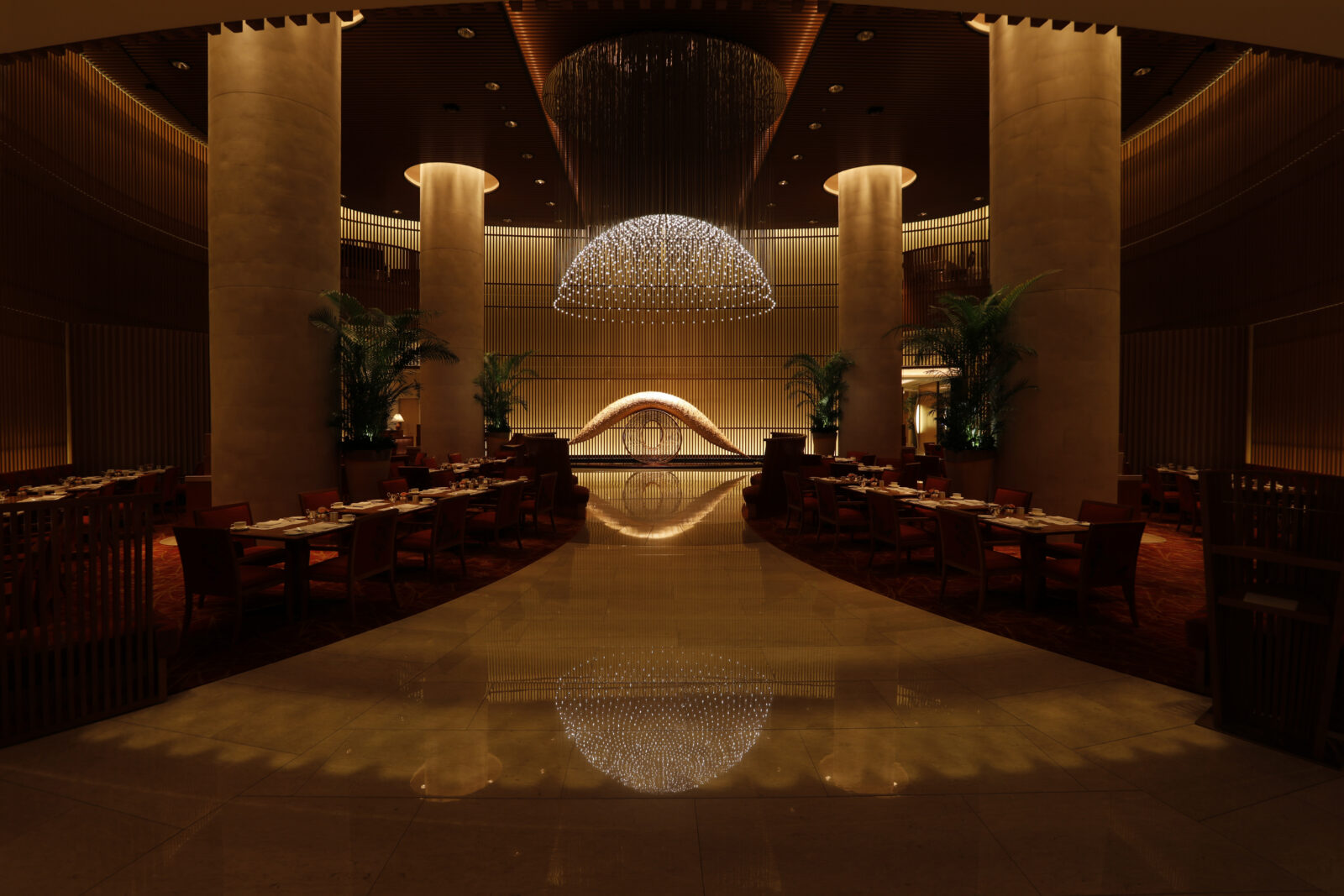
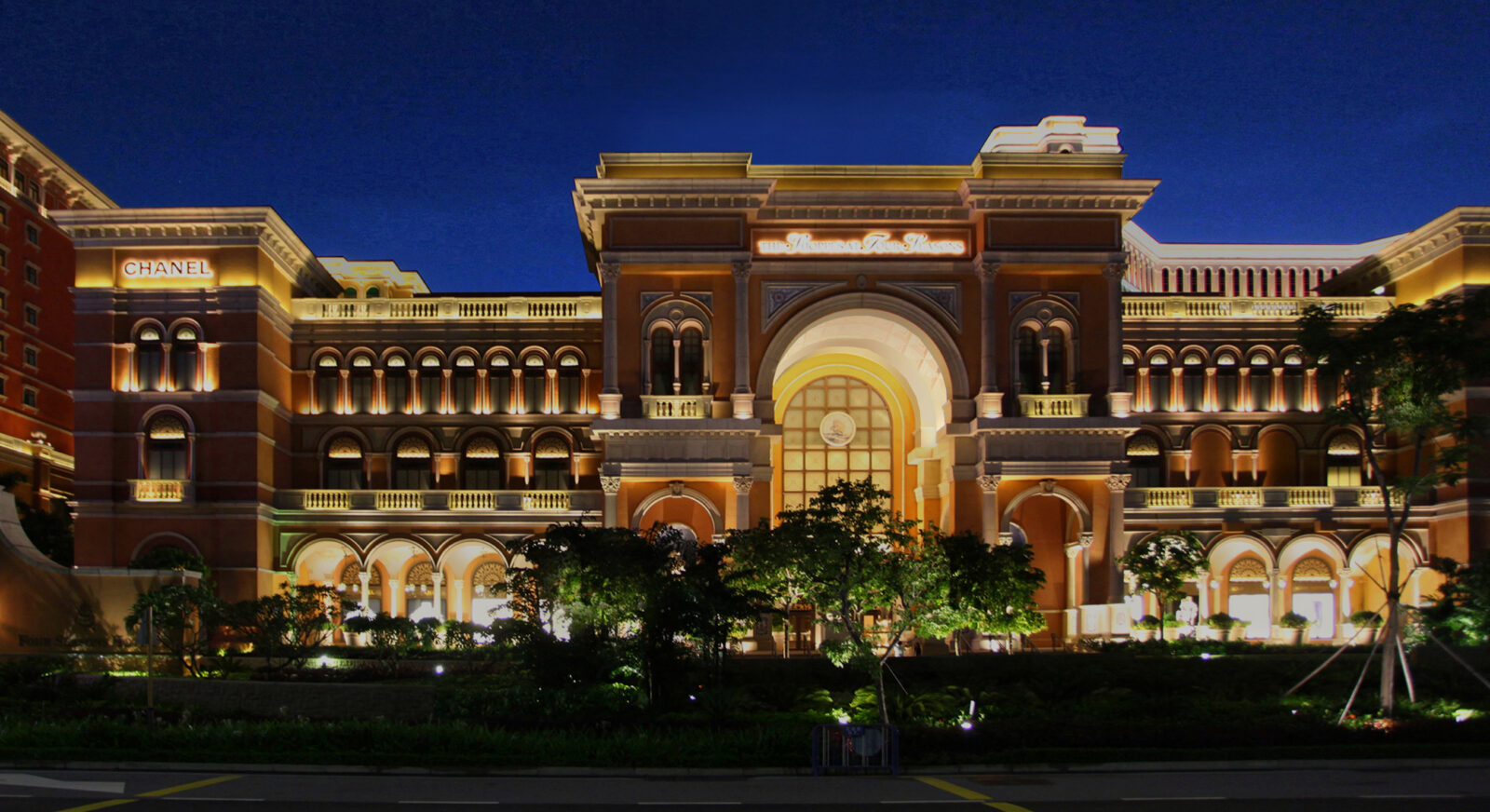
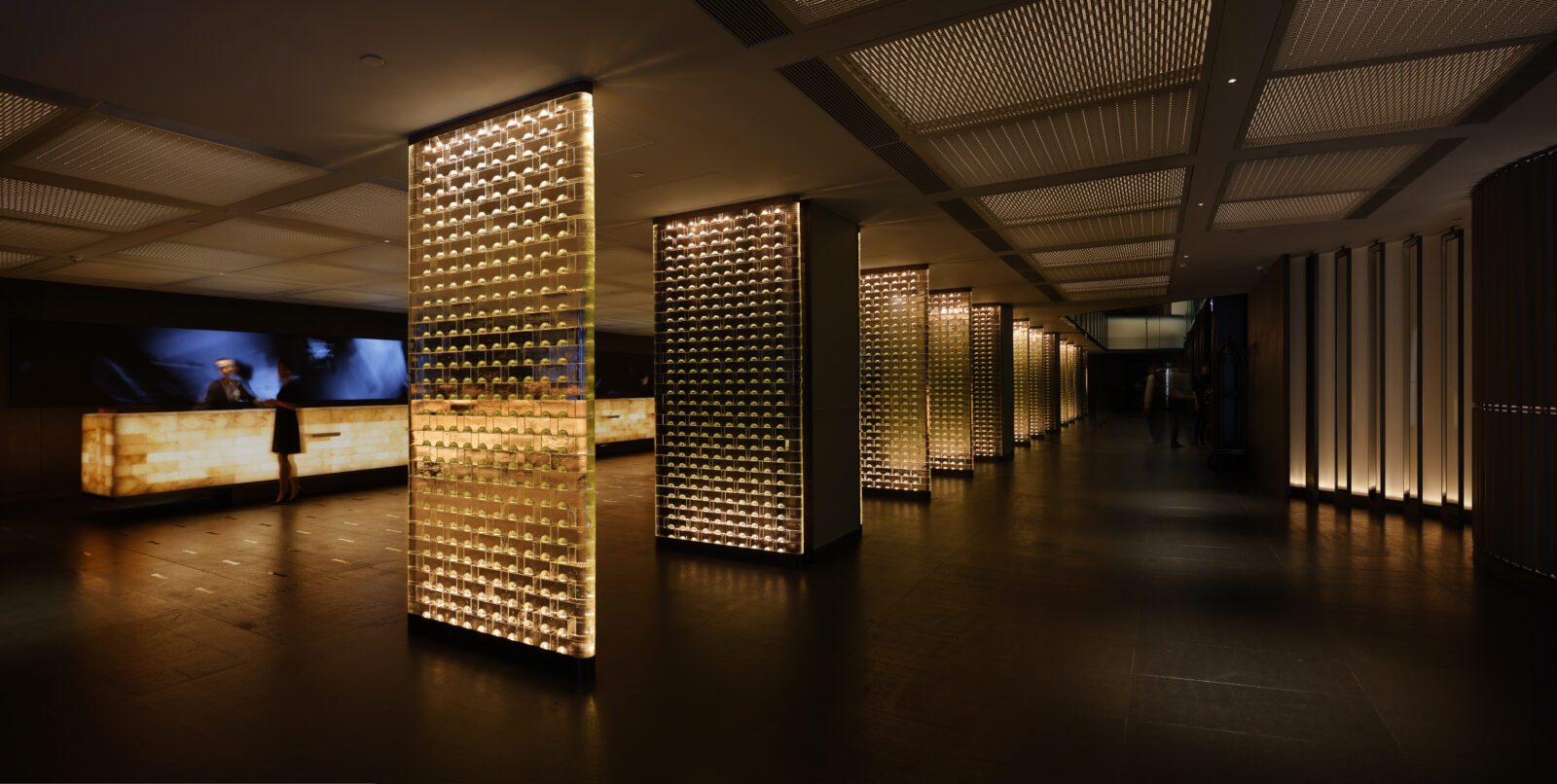
Over those years, hospitality became a substantial part of its work. Projects including I-Club Hong Kong, Jin-Mao Grand Hyatt Shanghai, Shangri-La Hotel Manila and The Peninsula Tokyo helped establish Kwan’s reputation in hotel lighting design. His portfolio also includes Raffles Hotel Singapore, Regent Hotel Hong Kong, The Venetian Resort Hotel Macau, Grand Lisboa Palace Resort Macau and Shangri-La Shougang Park Beijing.
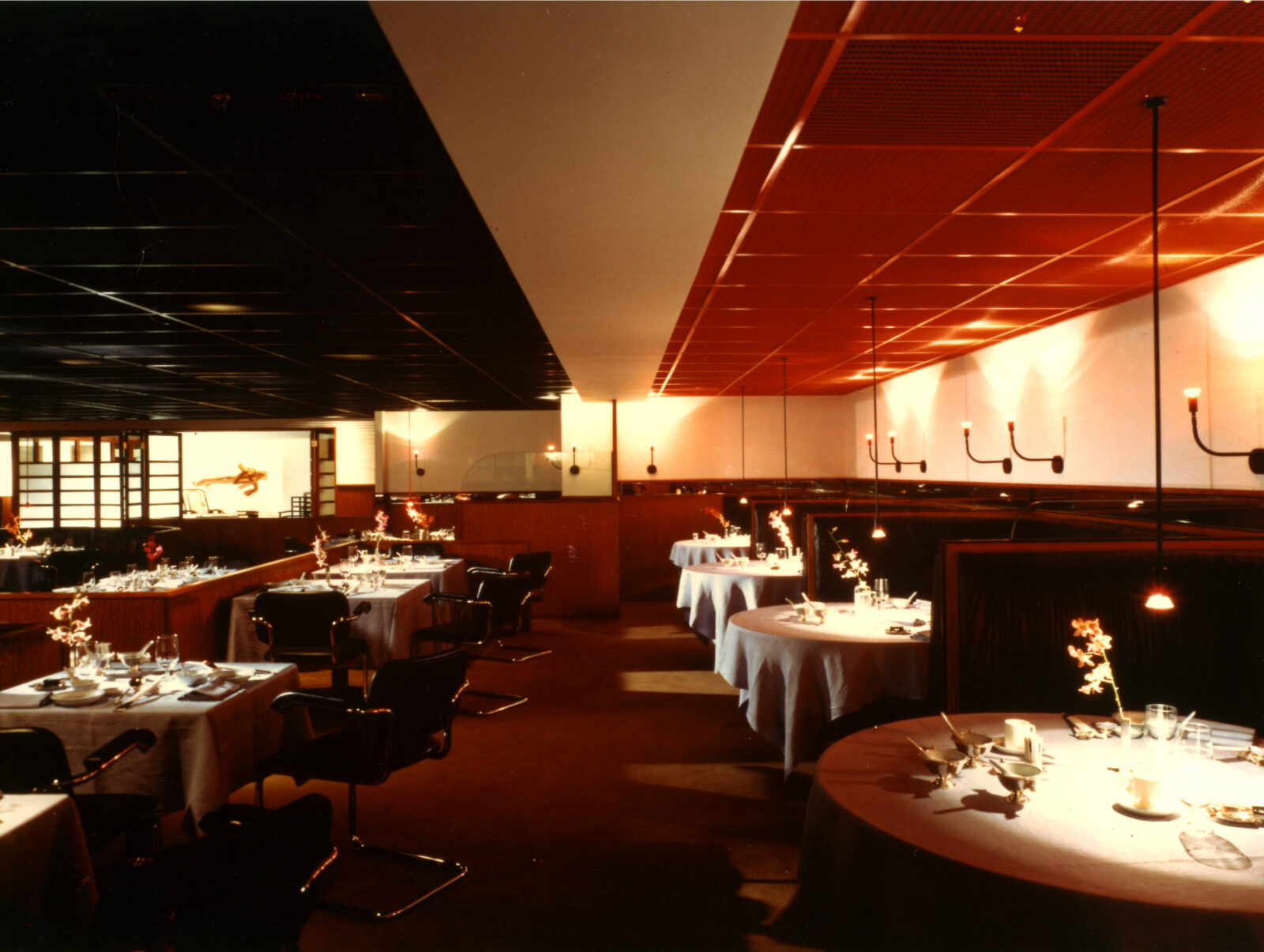

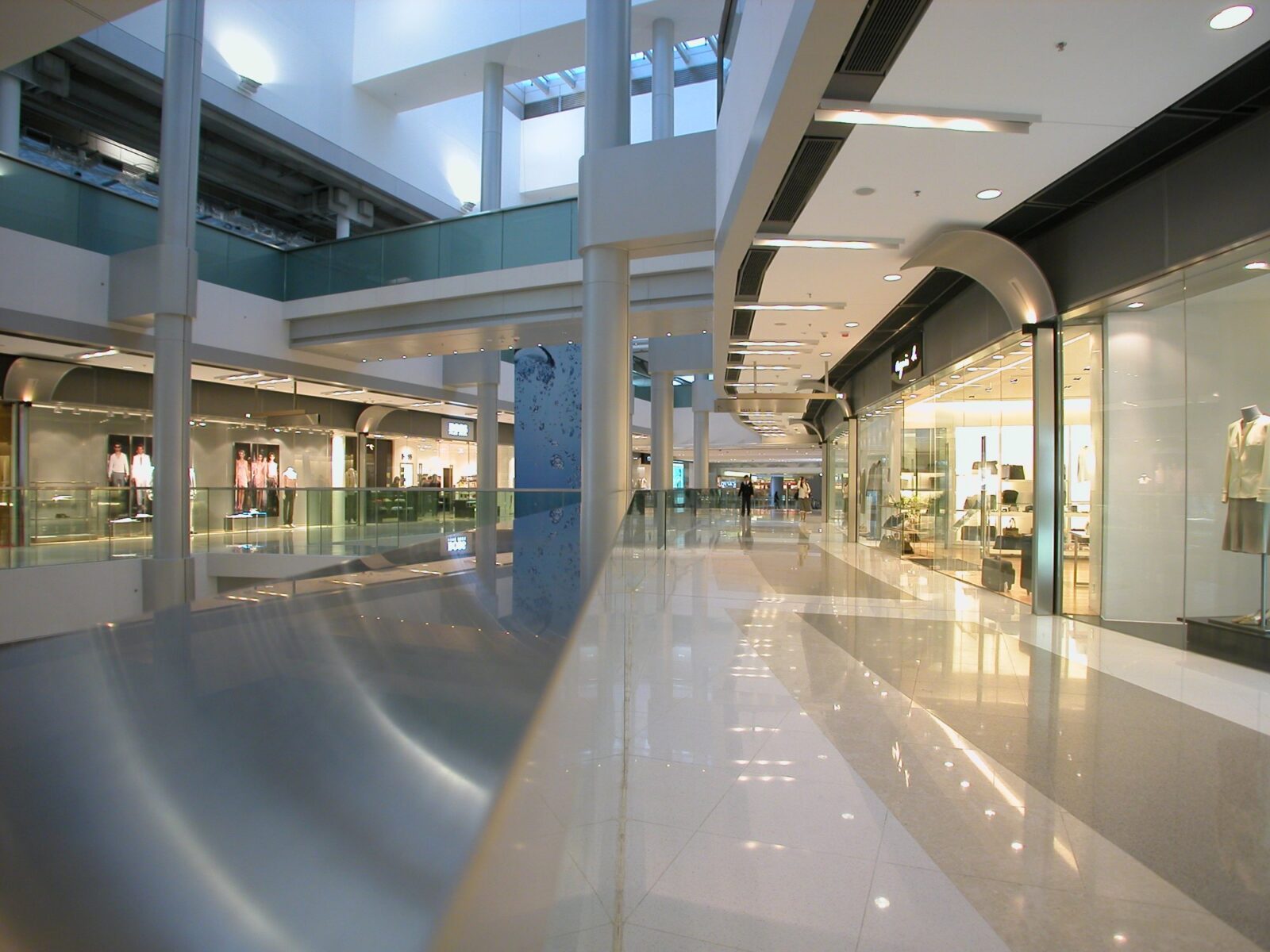
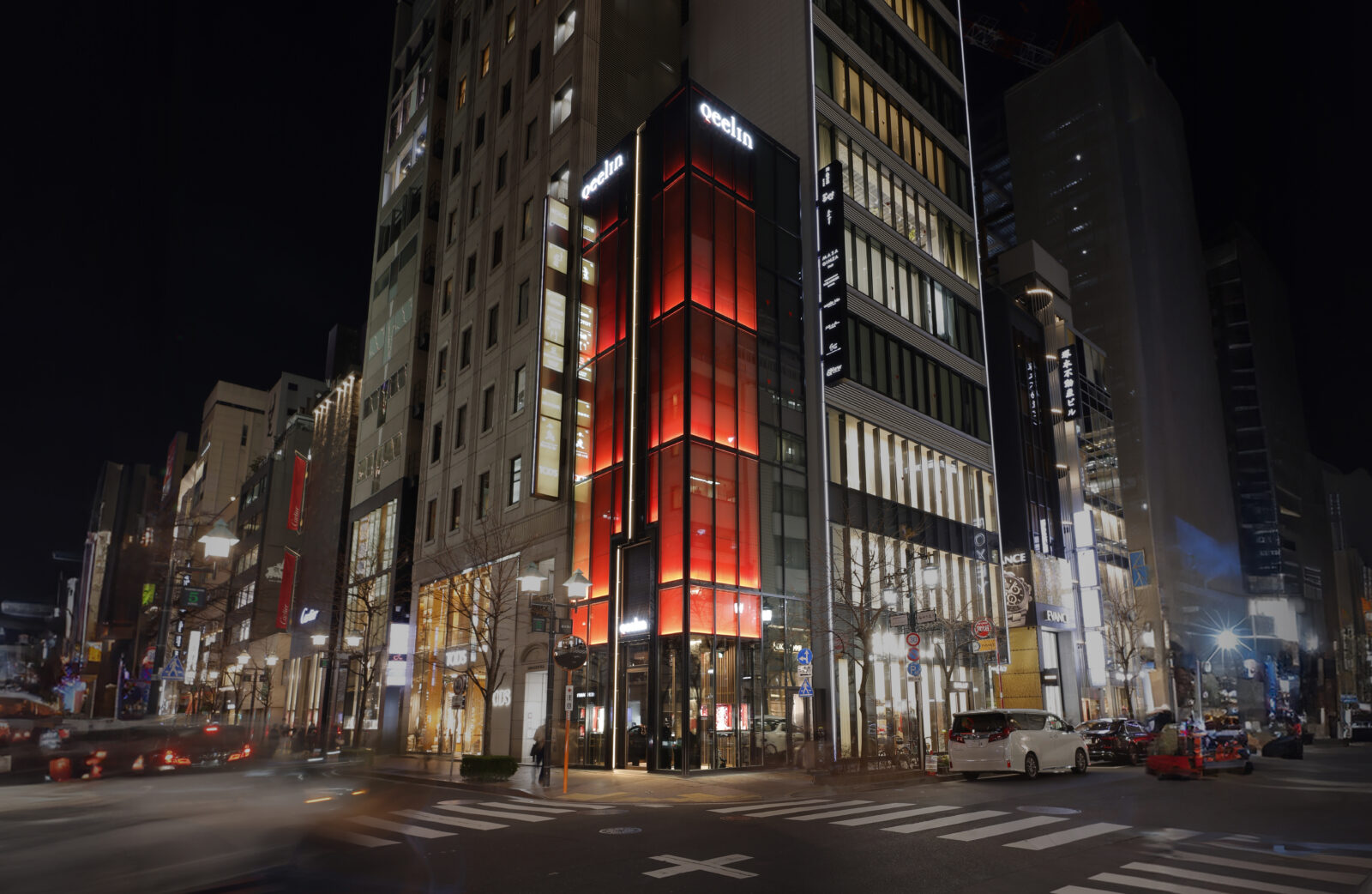
Beyond hotels, commissions such as IFC Mall Hong Kong and the Qeelin flagship store in Ginza show the breadth of settings in which he has worked. The project types vary, but his interest in the relationship between light, shadow and architectural space runs throughout the practice.
Making each light count
Kwan’s preference for fewer light fittings is closely connected to his understanding of sustainable design. He advocates directing light precisely where it is needed and using reflection strategically to reduce the number of fixtures required. The intention is to minimise environmental impact while lowering energy use and maintenance costs.
The emotional dimension is equally clear in his description of the profession: “Lighting is intangible, untouchable… yet it affects our perception and emotions. When lighting is done properly, it enriches our everyday lives. It’s fun to play with lights.”
Teaching through real projects
Kwan’s contribution to the profession extends well beyond his completed commissions. In 2008, he introduced professional lighting design courses at Tsinghua University in Beijing. Over the following decade, his teaching reached institutions including The University of Hong Kong, The Chinese University of Hong Kong, Hong Kong Design Institute, Tongji University Shanghai and Savannah College of Art and Design.
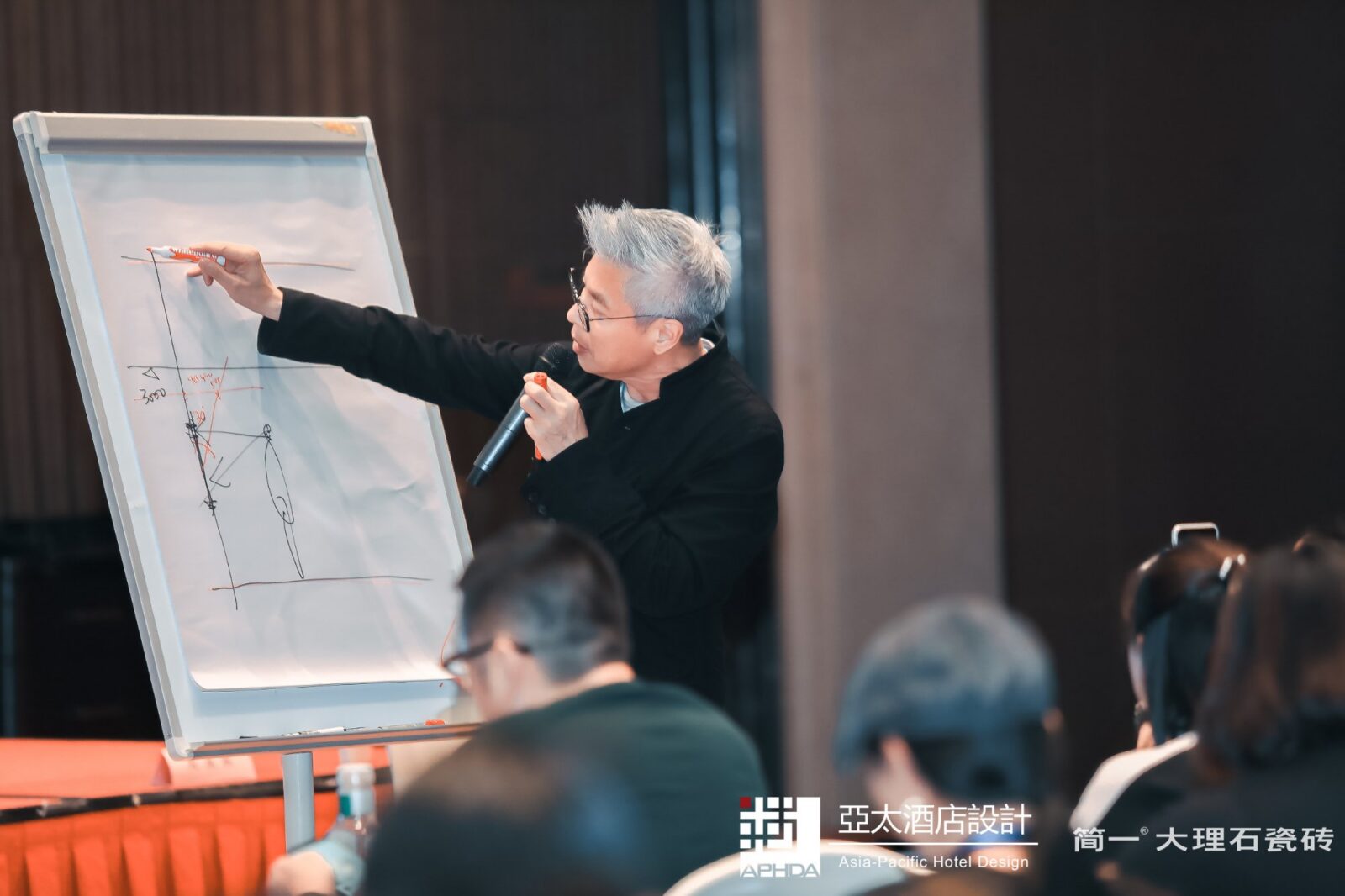
His teaching uses case studies to explain complex theory through real examples, drawing on the practical decisions involved in lighting a space. In 2010, he established the Hotel Lighting Design Workshop and Lighting Design Master Camp with different institutes, including the Asia Pacific Hotel Design Association. Together, these programmes have trained more than 6,000 professionals in China.
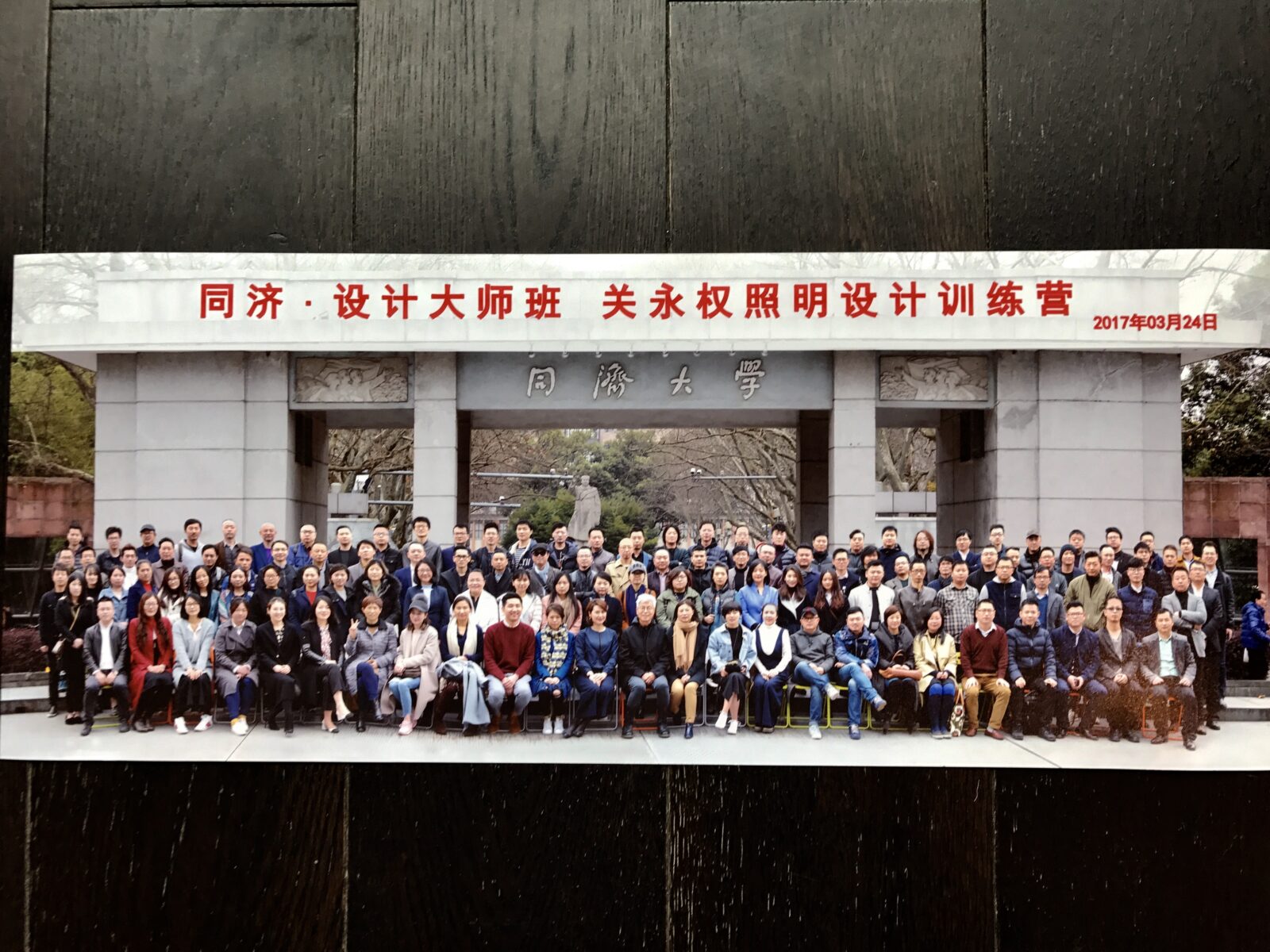
Through the Asia Lighting Design Forum and collaborations with organisations including the Hong Kong Interior Design Association, the Hong Kong Institute of Architects, the Electrical and Mechanical Services Department and the Hong Kong Trade Development Council, he has also provided specialised training to more than 2,000 professionals in Hong Kong.
In 2016, Kwan was elected President of the Asia Pacific Hotel Design Association, adding an industry leadership role to his work in practice and education.
Bringing lighting to a wider audience
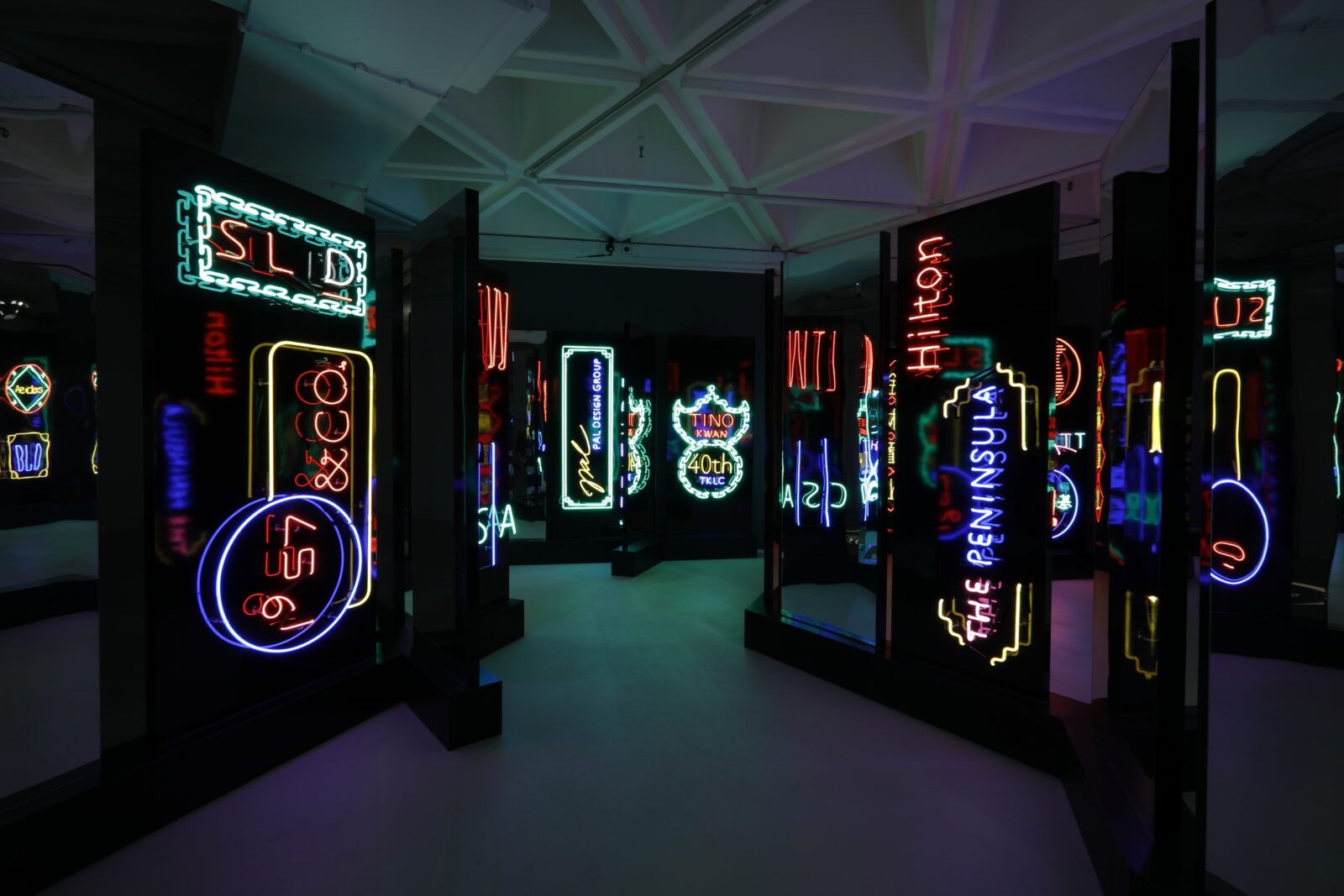
Kwan has also sought opportunities to introduce lighting design to people outside the profession. His solo retrospective exhibitions at the Hong Kong Arts Centre in 2009 and 2019 included free guided tours for schools, universities and architectural organisations, giving younger audiences a chance to experience his work with light and shadow.
At the International Design Furniture Fair Hong Kong in 2018, he presented his Light Trolley design. In 2021, he curated an exhibition stand for the inaugural Hong Kong Interior Design Week, demonstrating the influence of lighting on daily life.
His participation in the 2024 One to Ten PolyU Design Outstanding Alumni Exhibition included three educational short films, using another format to communicate lighting design to a younger generation.
Recognition across the profession
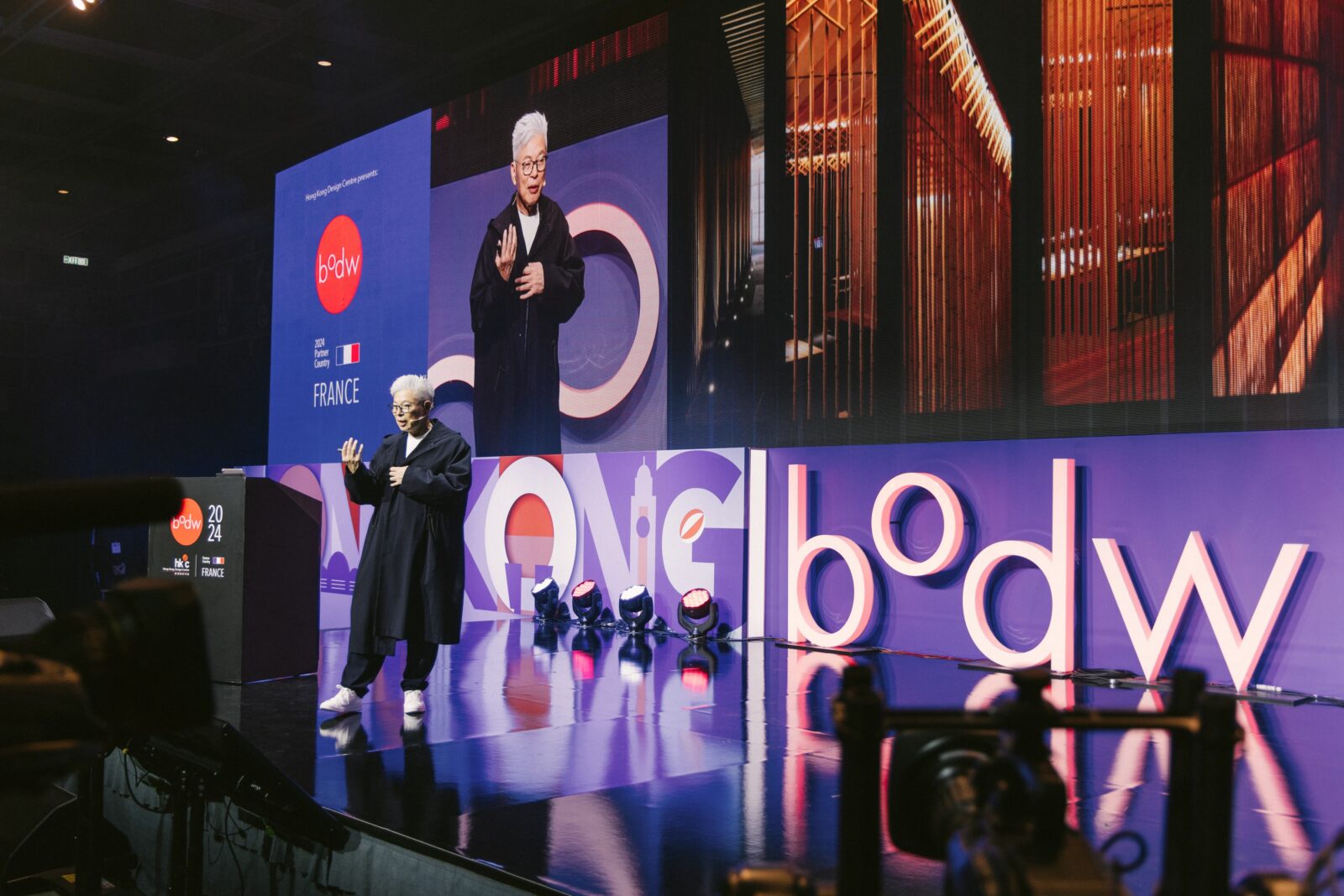
Kwan’s previous honours include induction into Interior Design China magazine’s Hall of Fame in 2018, where he was the first lighting designer to receive the recognition. He received the Hong Kong Interior Design Association’s Lifetime Achievement Award in 2020, followed by the Outstanding PolyU Alumni award in 2021 and the DFA World’s Outstanding Chinese Designer award from the Hong Kong Design Centre in 2024. In 2025, the International Association of Lighting Designers (IALD), in collaboration with Parsons School of Design – The New School, certified him as a “Global Lighting Design Pioneer”—recognising both his technical and aesthetic mastery and his pivotal role in the evolution of lighting design in Asia.
The 2026 LIT Lighting Design Awards Lifetime Achievement Award recognises a career built across practice, education and industry involvement. For Kwan, receiving it also brings a commitment to set higher standards for the work still ahead, guided by the principle he has followed since founding his firm in 1979.