



Header: Courtesy of Le Labo
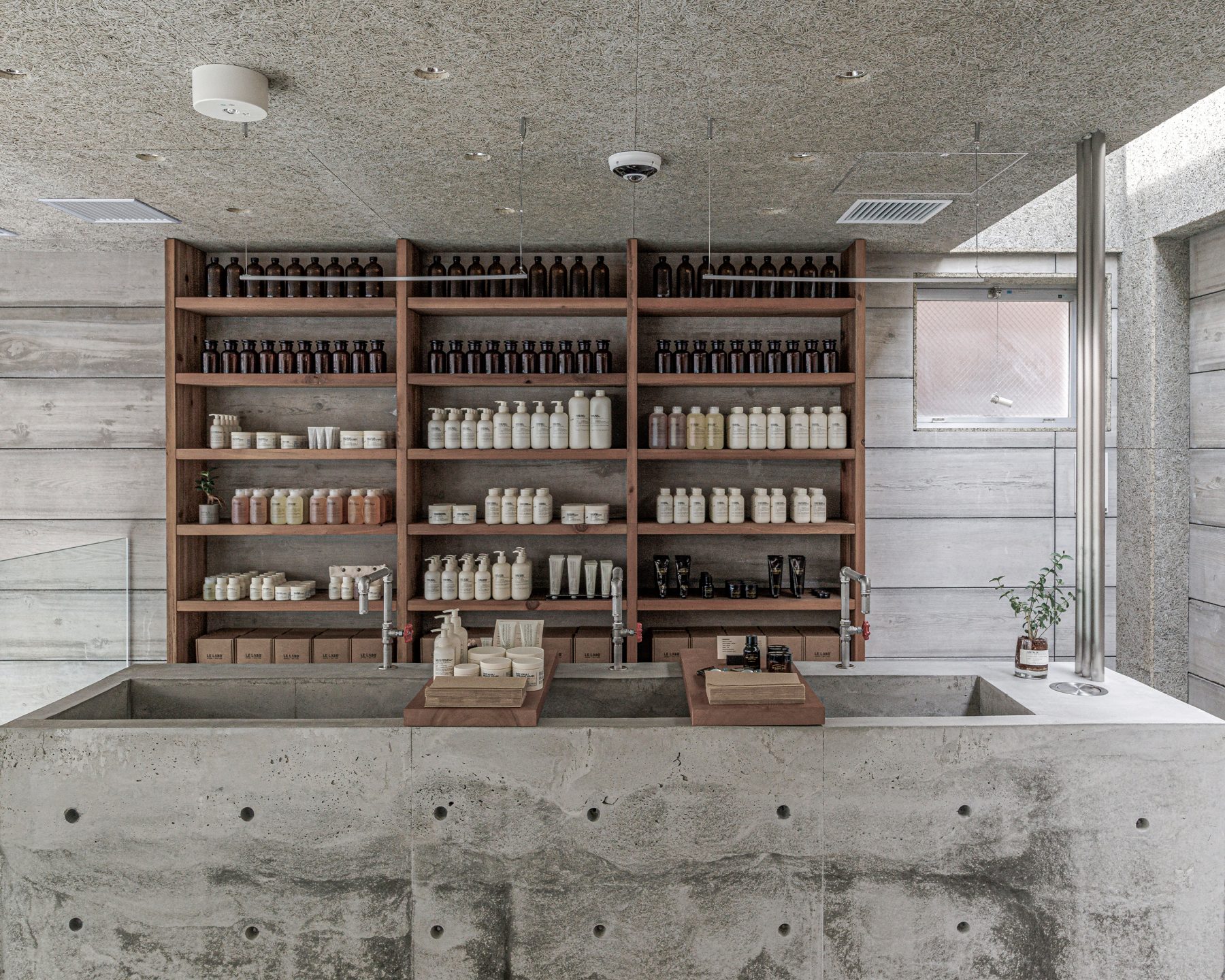
After 18 years, Le Labo’s Daikanyama flagship in Tokyo has been renovated by Schemata Architects, an important occurrence as the shop is particularly special for the brand: it was its first address outside the United States. The renovation reset the long-established interior, bringing it closer to the brand’s current look and direction. The work brings attention to how the amazing-smelling perfumes are made, creating, in the meantime, a stronger connection between the customers and Le Labo.
Framing the lab
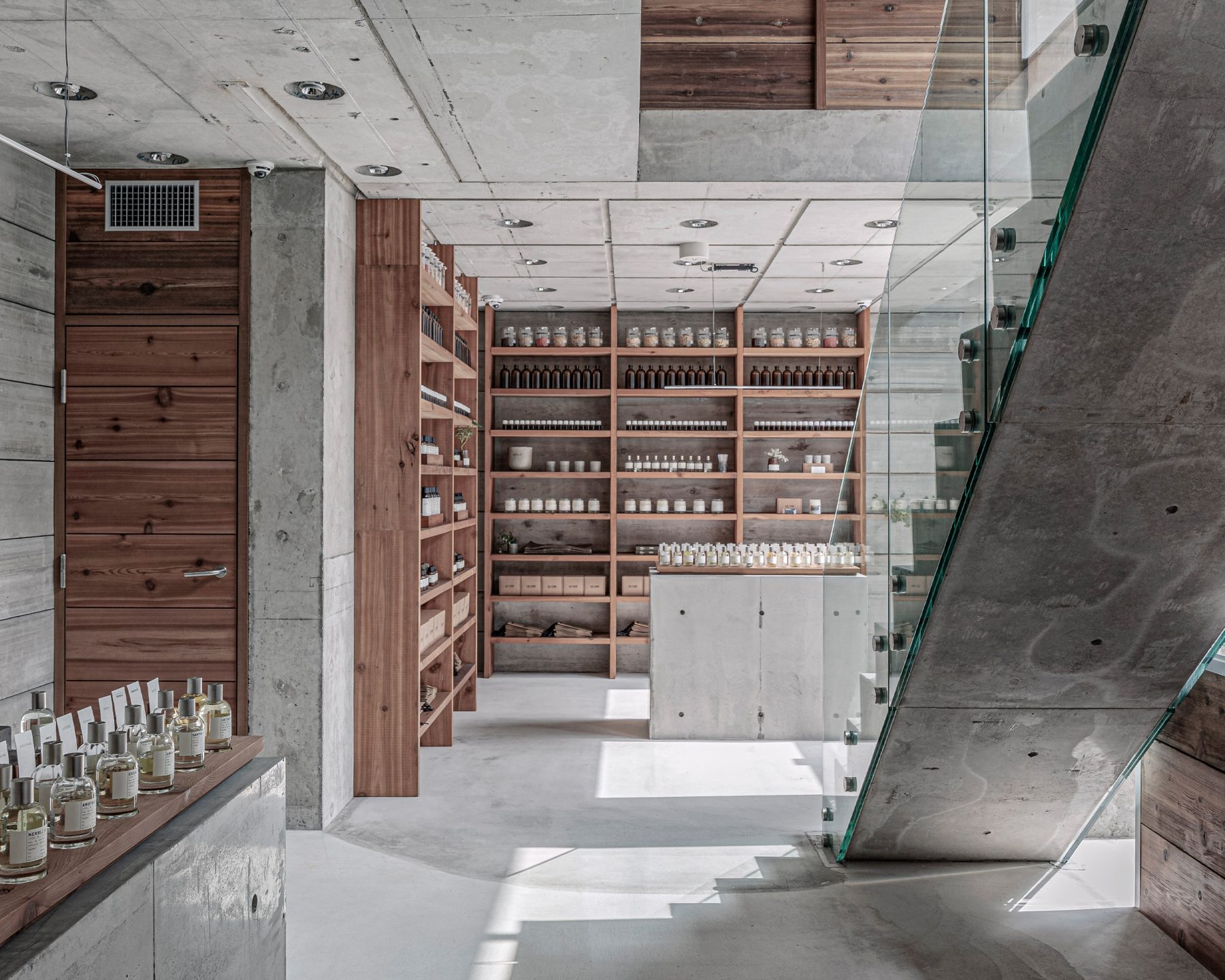
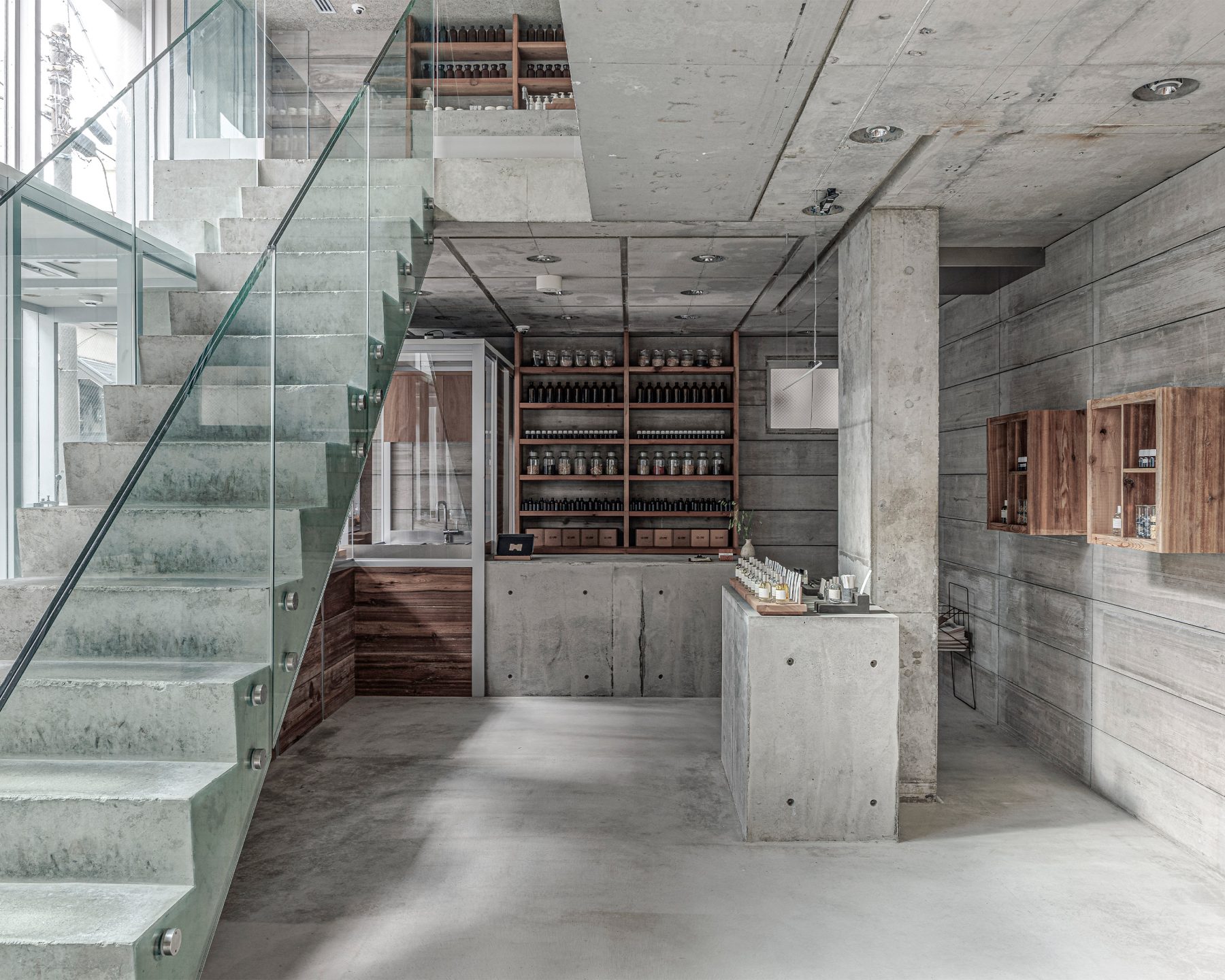
The brief was to make the shop feel more connected to its location in Tokyo while bringing the handmade perfume production into view. To achieve this, Schemata Architects decided to change the layout. The fragrance laboratory, which had previously been located at the back, away from customers, now faces the street. Behind large front windows, perfume experts work in the lab, mixing and preparing scents for everyone to see (and, later, smell).
The texture of timber
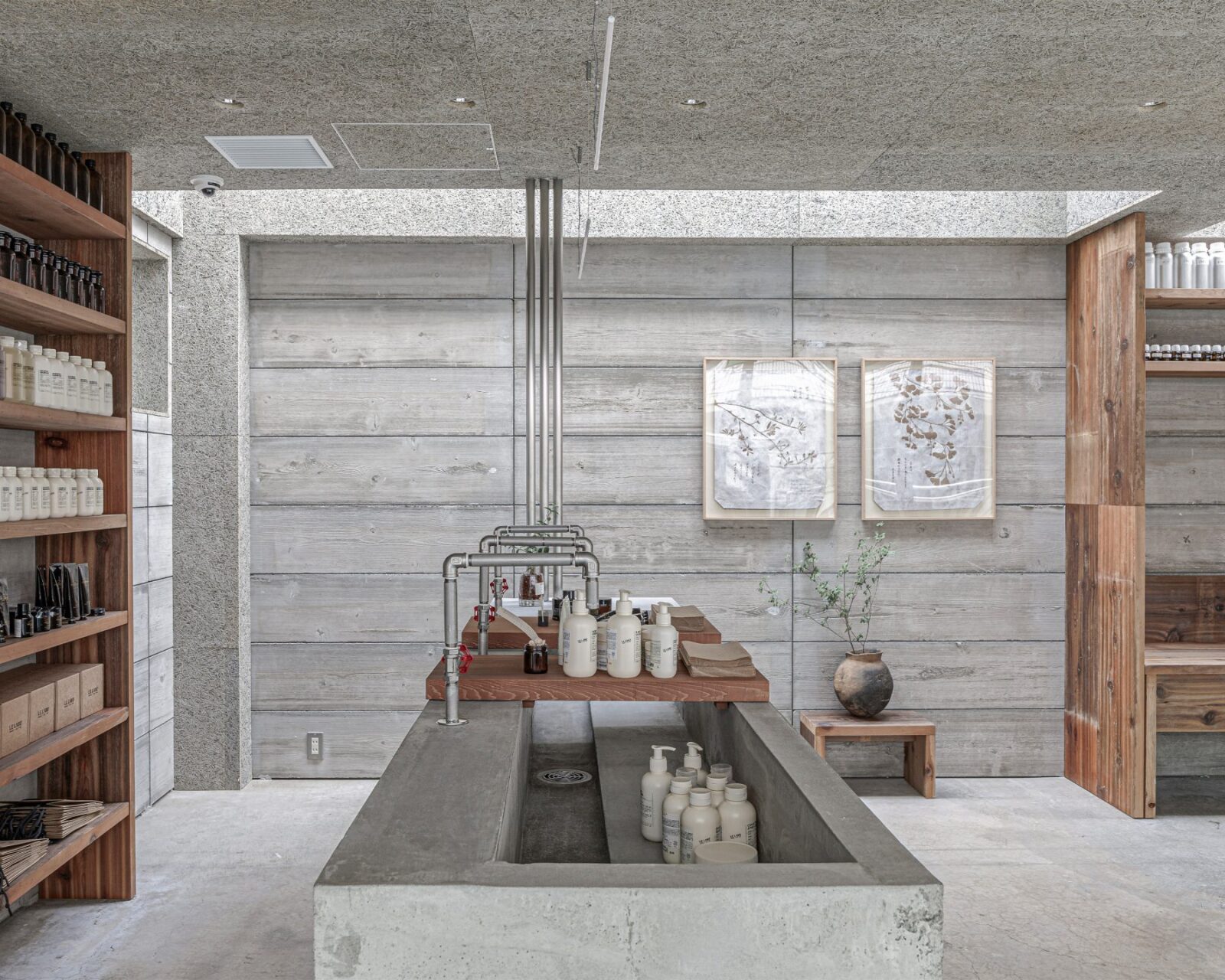
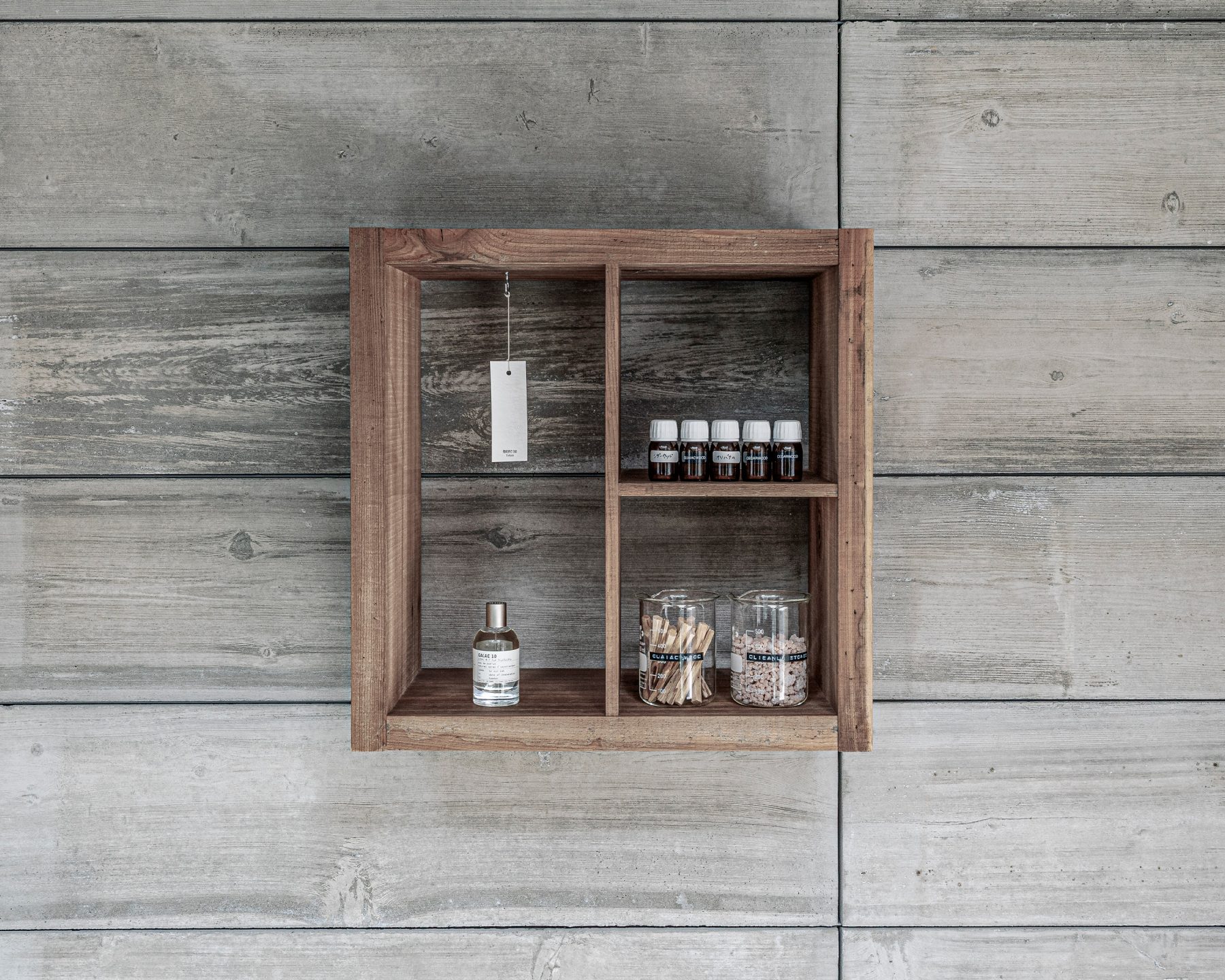
The materials used in the renovation came from a simple pairing proposed by Le Labo: wood and concrete. Schemata Architects used that contrast as the base for the interior, linking the rougher, brutalist side of the city to something calmer and tactile. Red cedar was treated with uzukuri, a traditional Japanese method in which the softer grain is rubbed away to leave the harder grain in the spotlight. That process gives the timber a ridged surface and makes the grain more visible both when touched and lightened up.
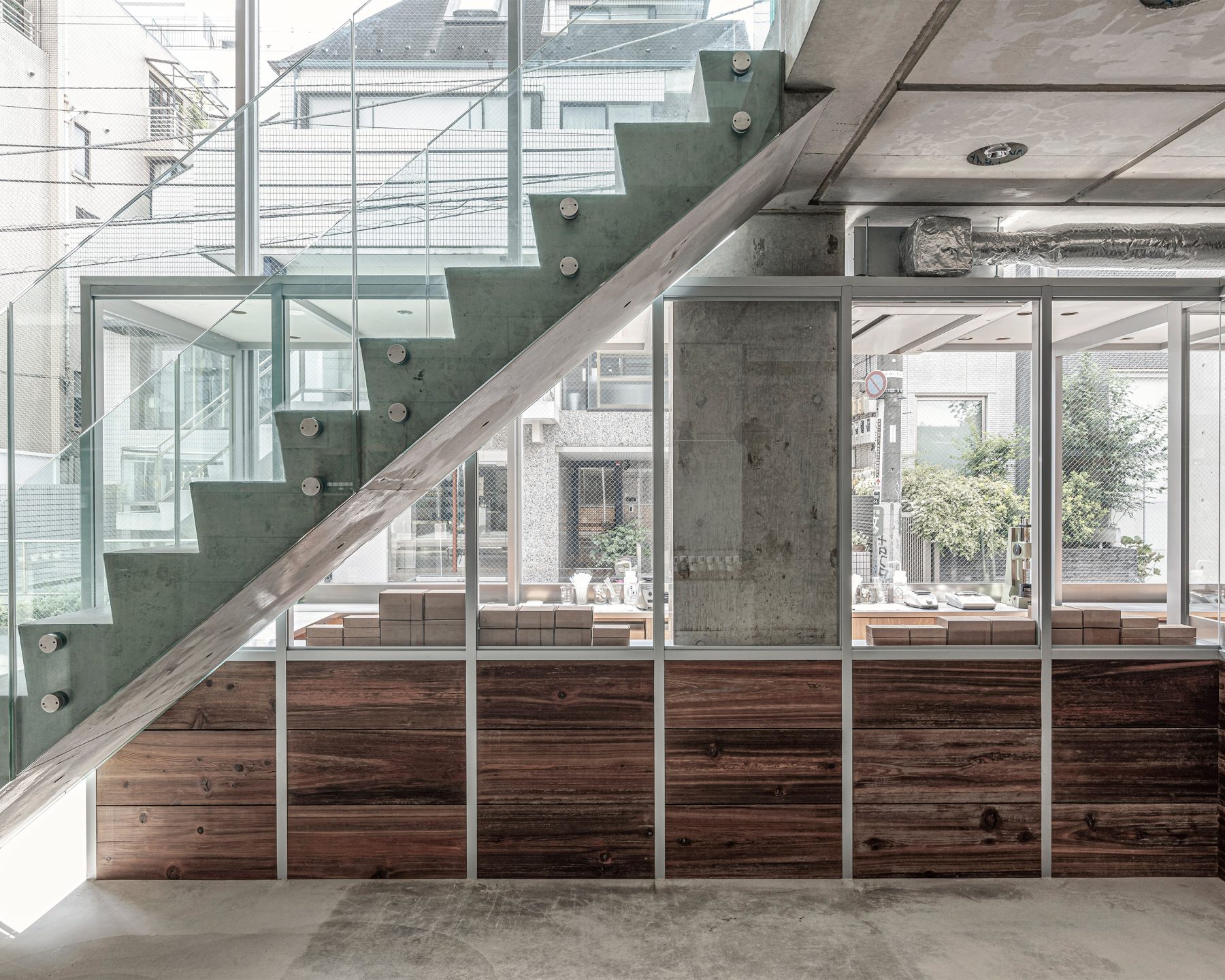
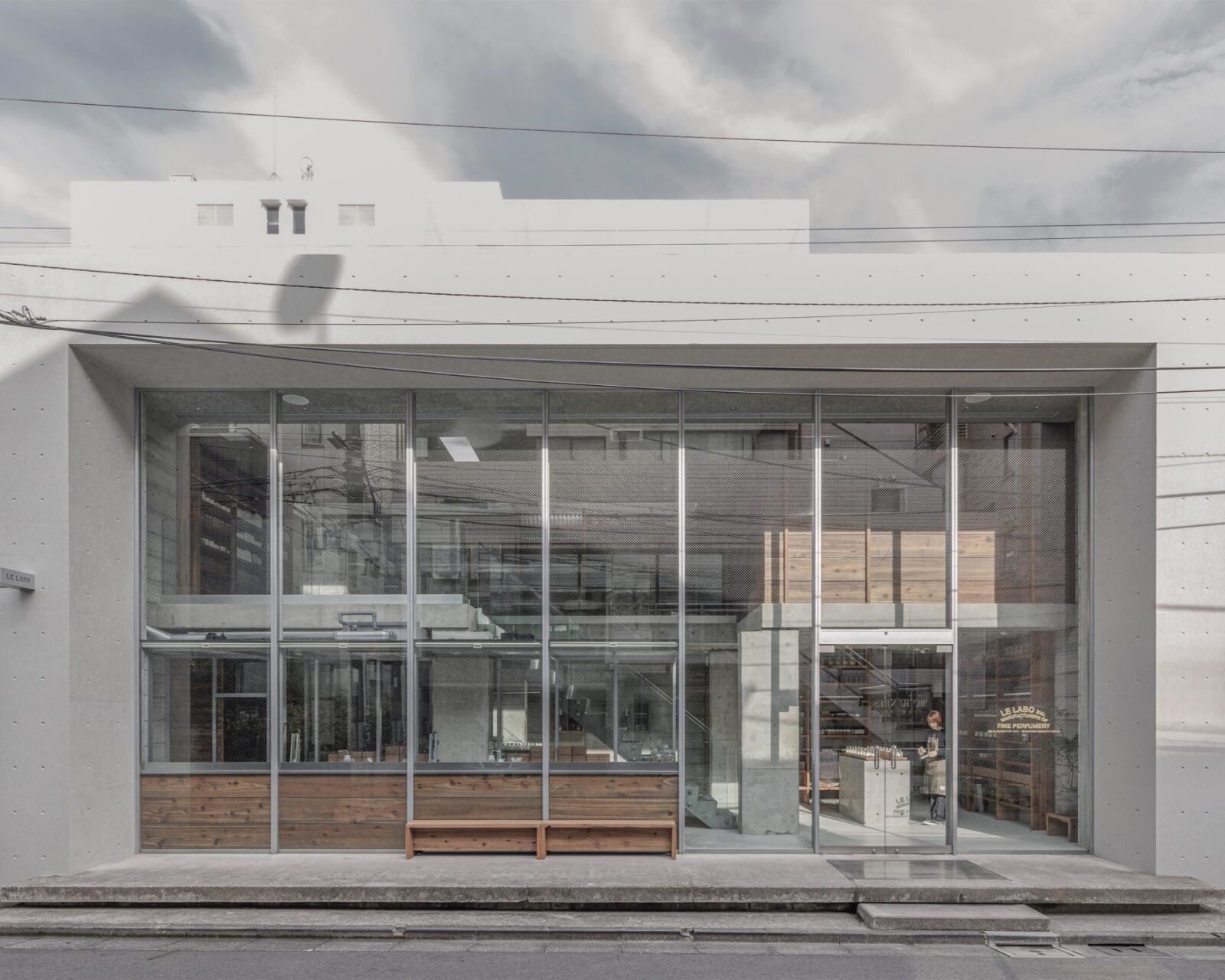
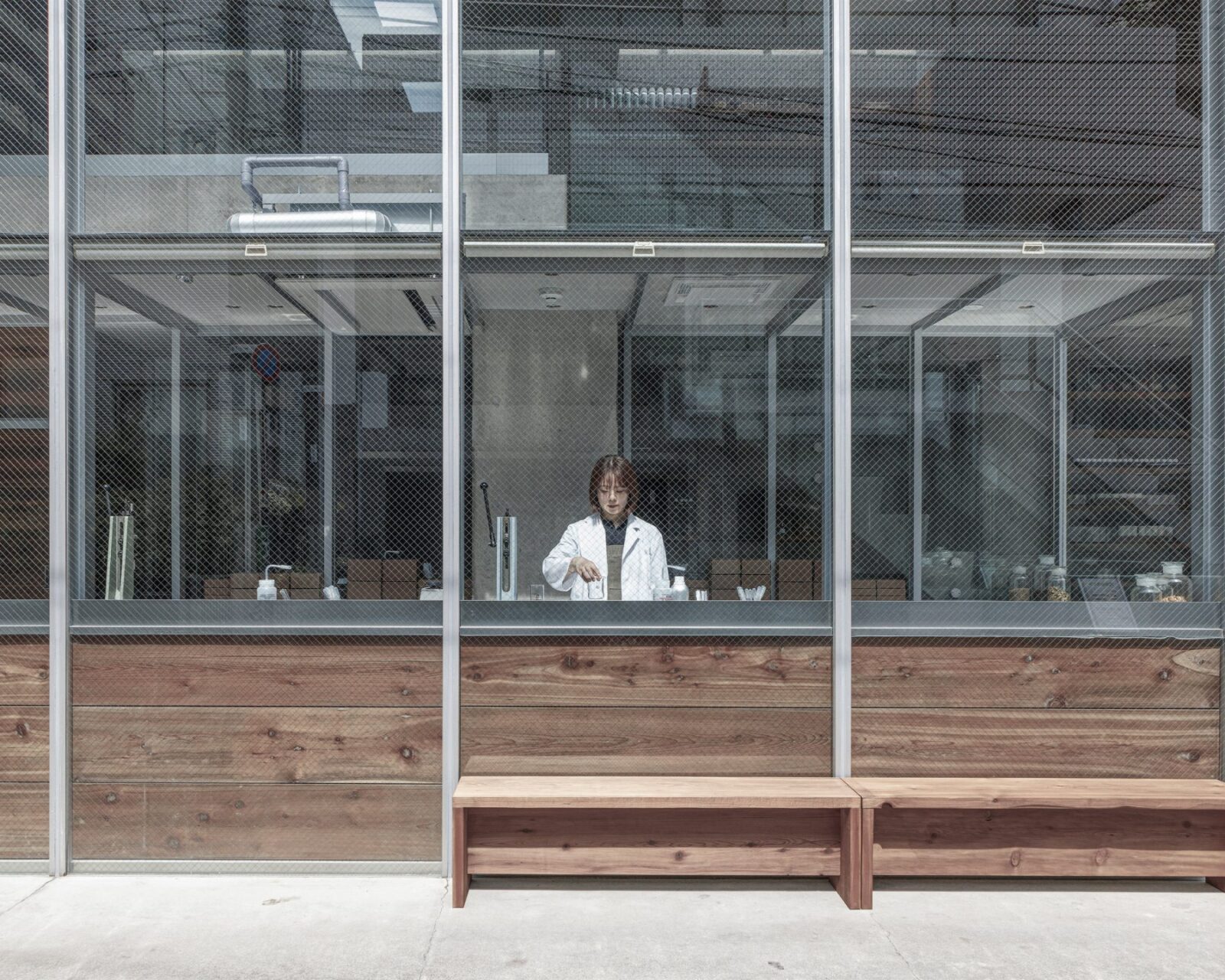
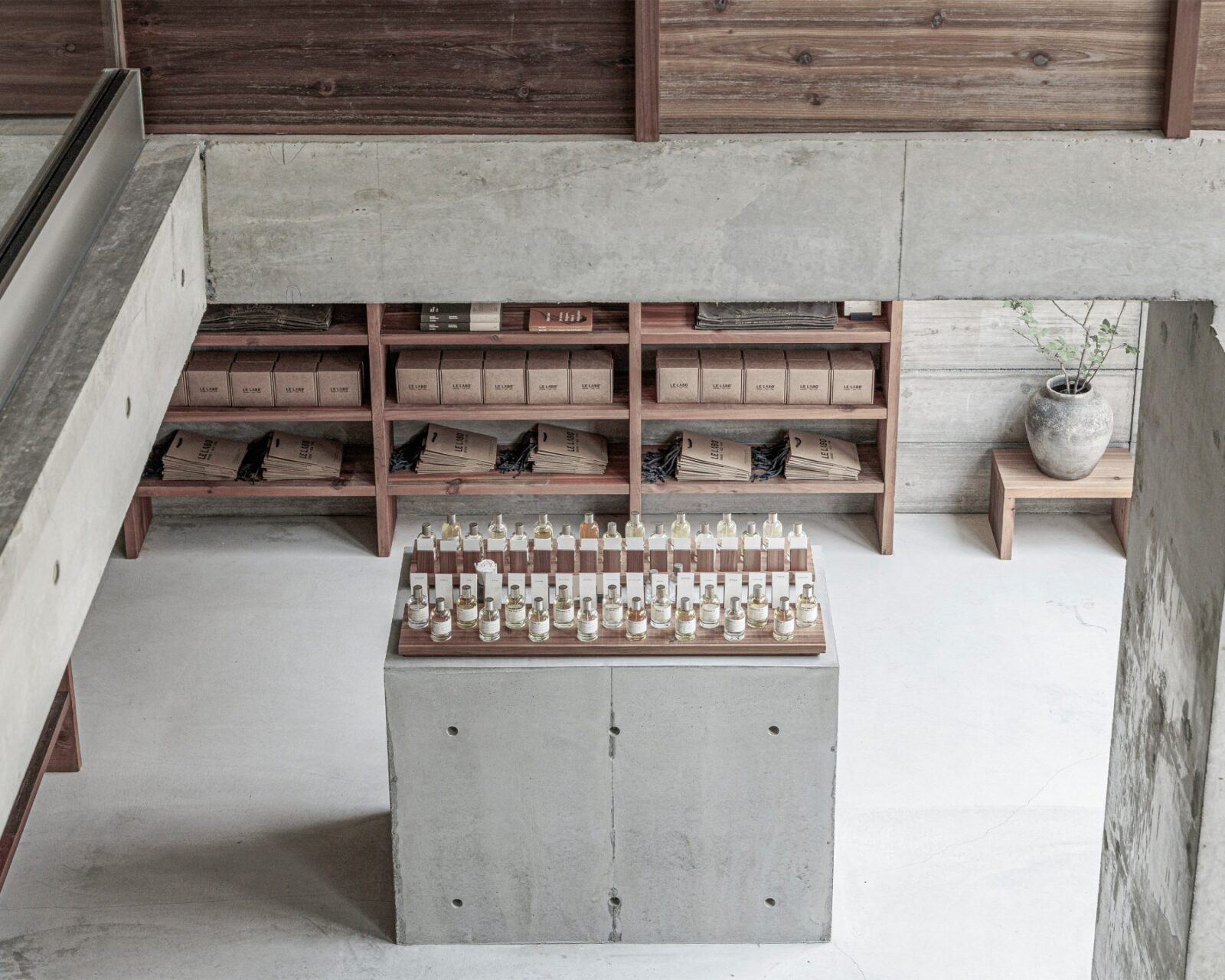
They then used the same cedar to make the moulds for new concrete elements in the shop. When the concrete was poured into these moulds, the texture of the wood grain was pressed into the surface of the finished precast panels. These panels were installed as walls. After that, the timber moulds were kept and reused to make display shelves and furniture. As a result, the same cedar is present in both the walls and the fittings.
Above, the ceiling was stripped back instead of being covered over. Recesses for lighting, traces of ductwork and marks from the original formwork all remain visible across the concrete above.
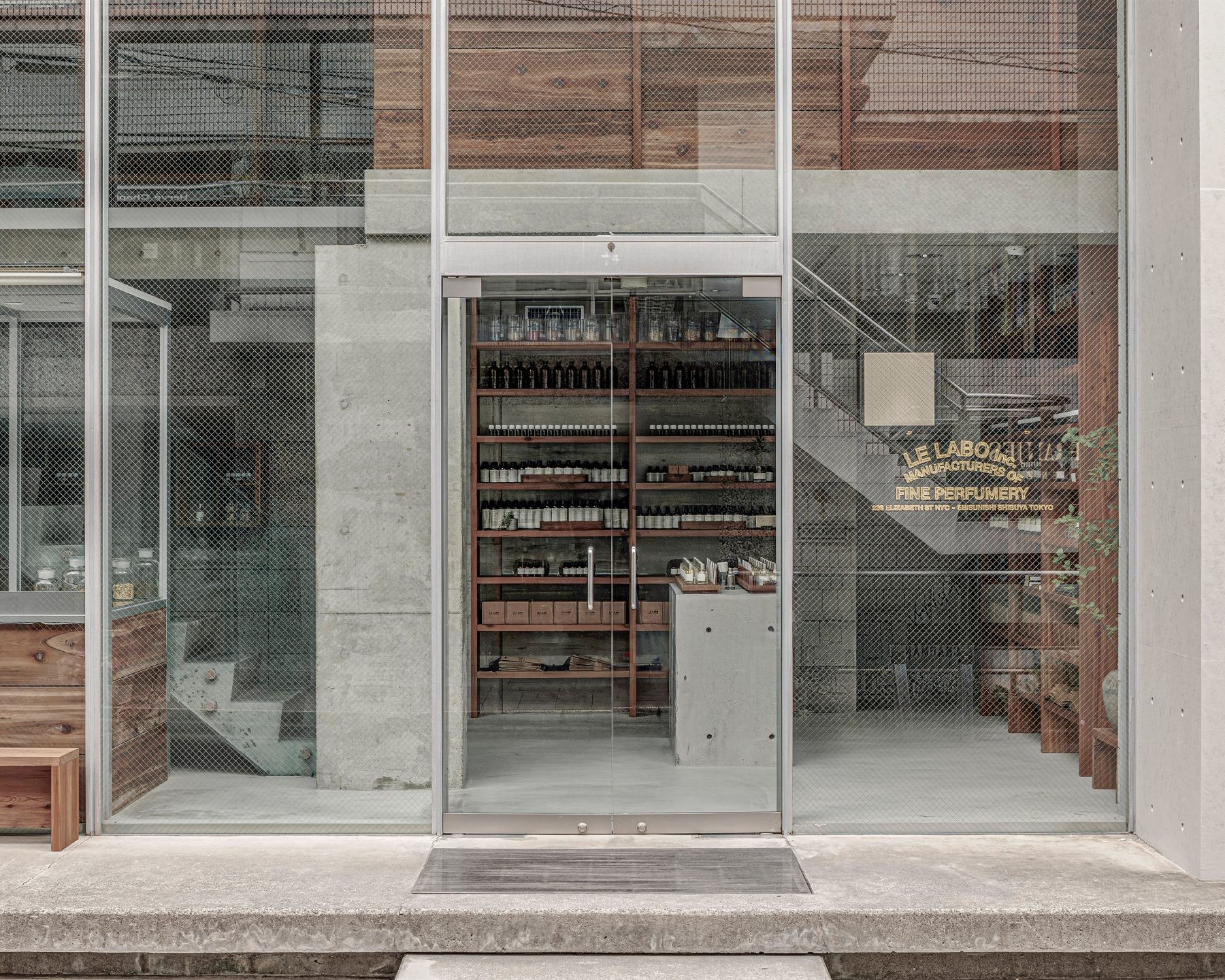
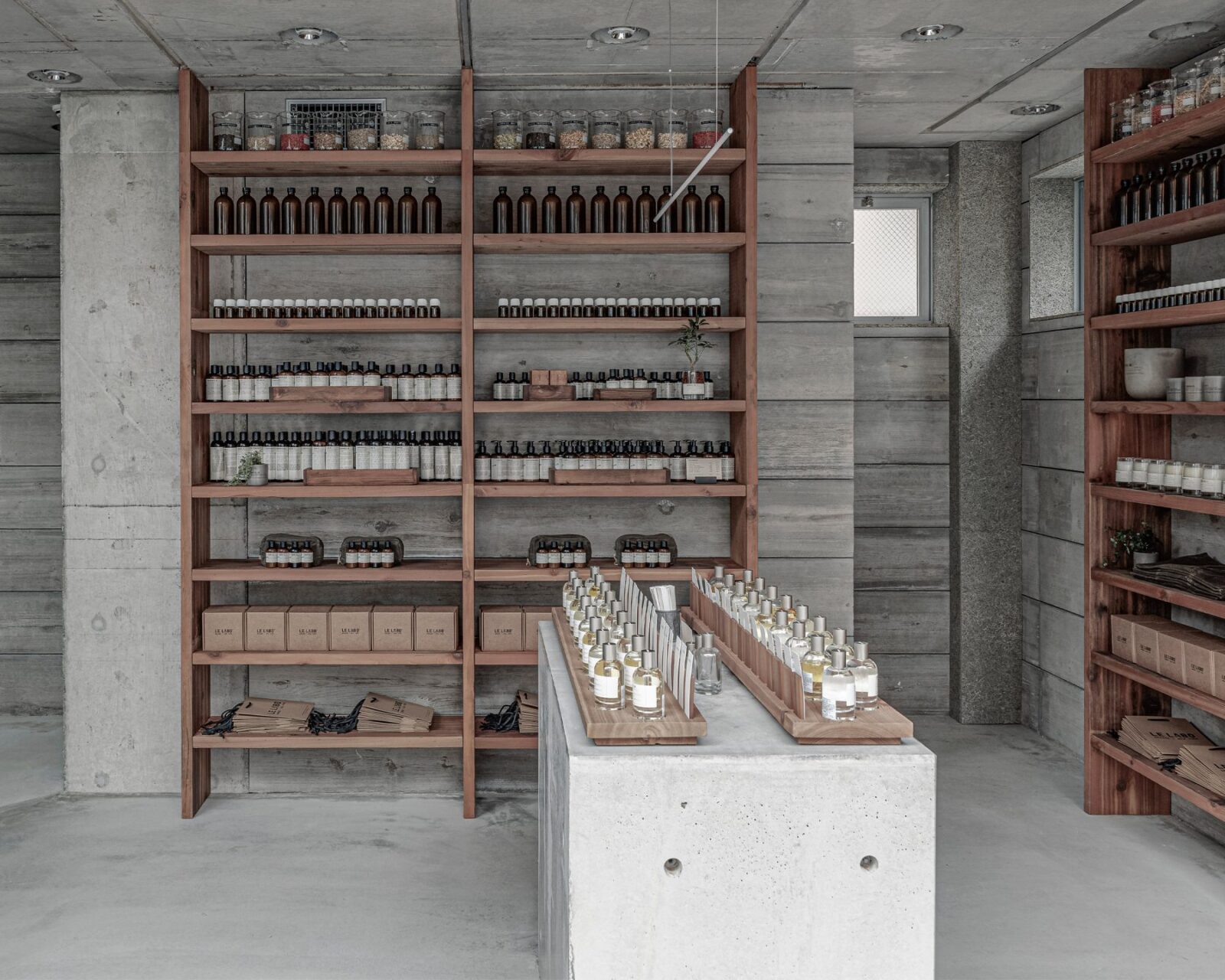
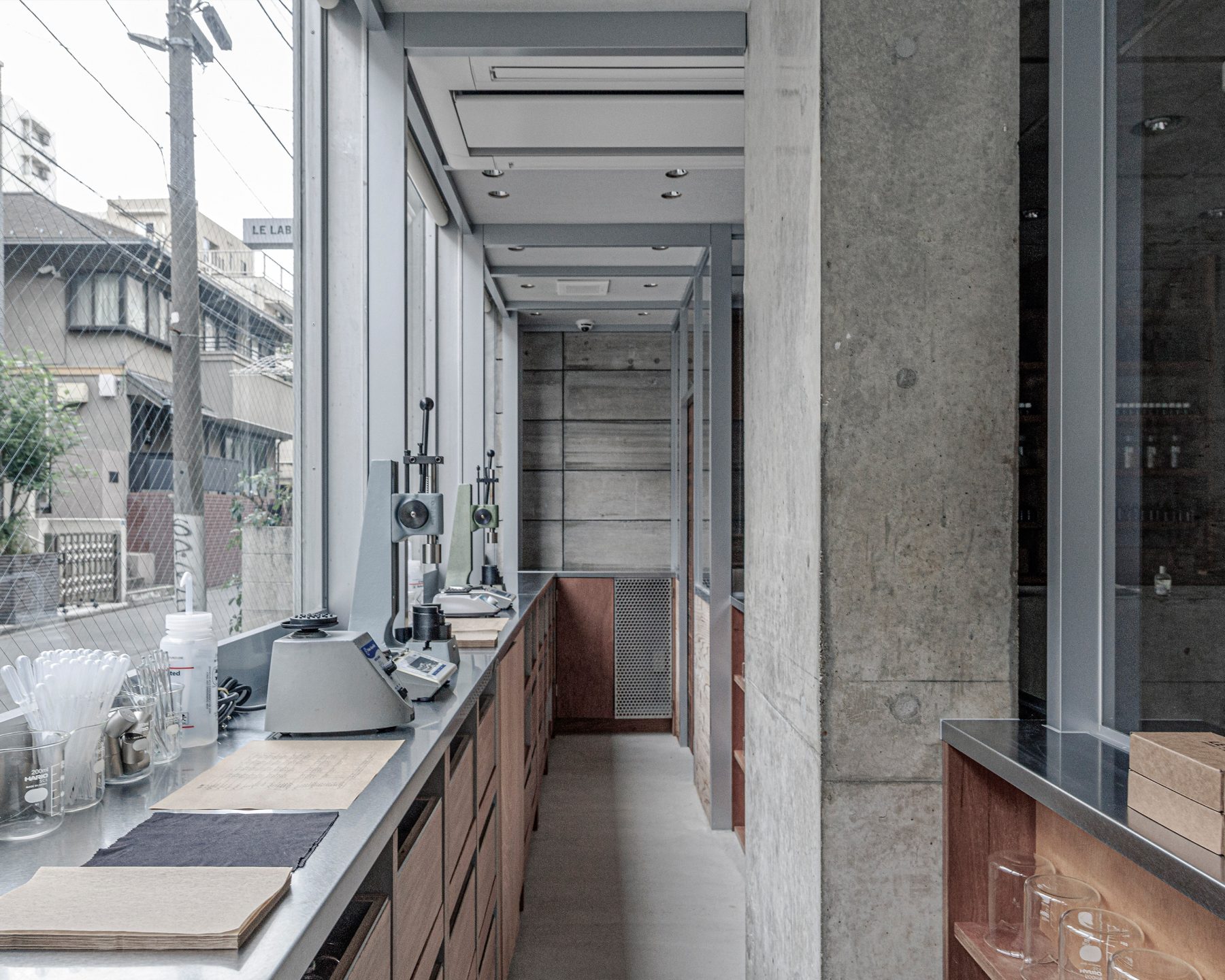
With the lab now completely visible, concrete walls cast from cedar moulds, reused timber furniture and the ceiling left marked by earlier work, the interior brings attention to the background history of the brand. The shop reopens with an interior shaped by craftwork, reuse and exposed details.


