





Header: Raum Visual, Javier Rabadan, Flow, Studio Gronda
Everyone deserves a bit of rest now and then, but design-minded people usually want more than a massage table and a pool. Rest feels different when it happens in a place with a well-thought-through design, good materials and interiors worth paying attention to. For those of us who look at buildings with an innate passion, the setting fosters relaxation as much as the treatment menu.
The LIV Hospitality Design Awards have recently published their 2025 winners, and the list includes a large mix of spa and wellness projects that are worth several conversations about their architecture and interiors.
We have rounded up the best of them here, with some leaning on historic repair, others on landscape and others on the smaller details of interior design. All of them have one thing in common, though: somewhere to switch off without having to stop looking.
Hidden Stone Caves, Snakepan Island Shilily Retreat
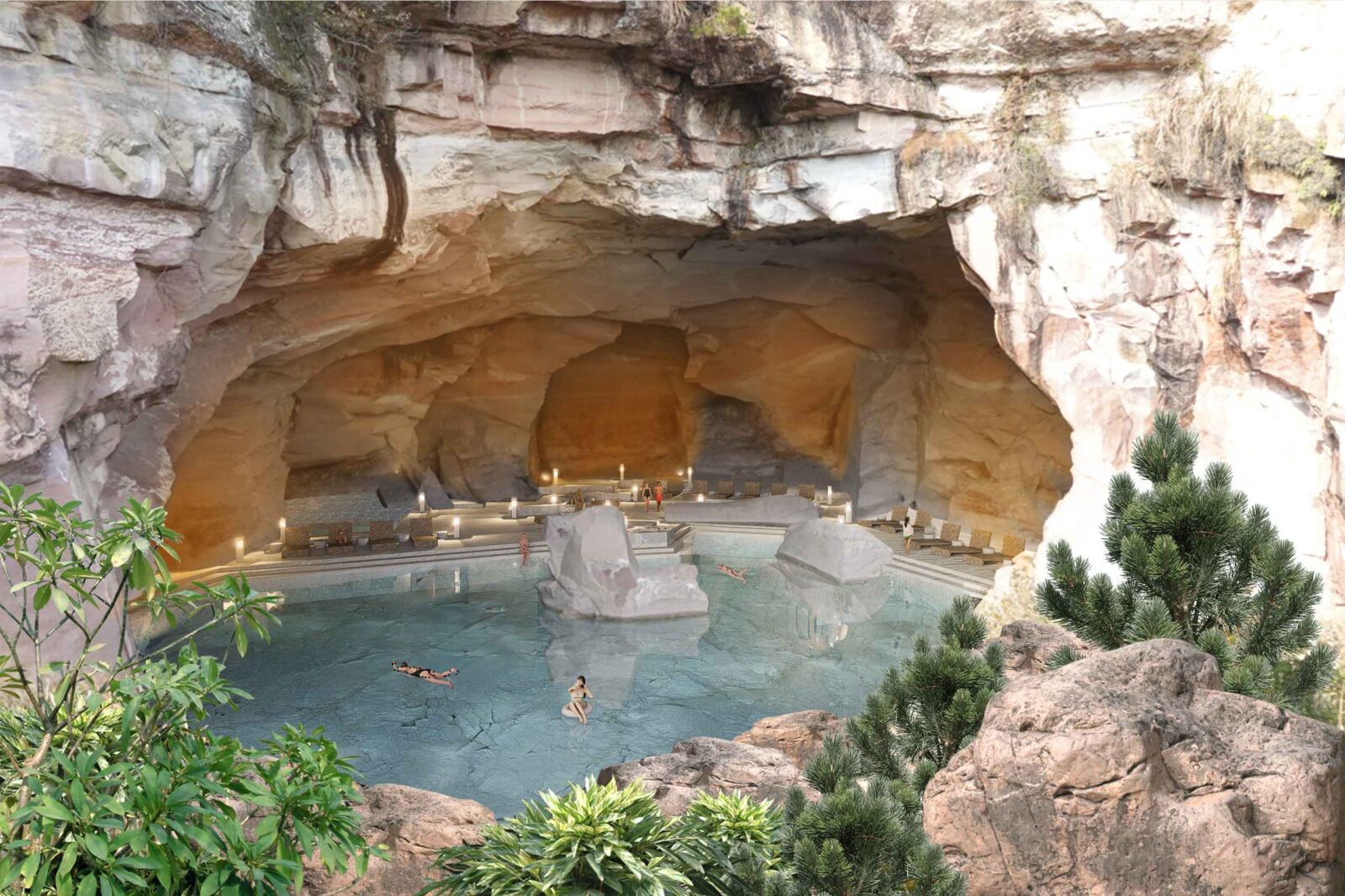
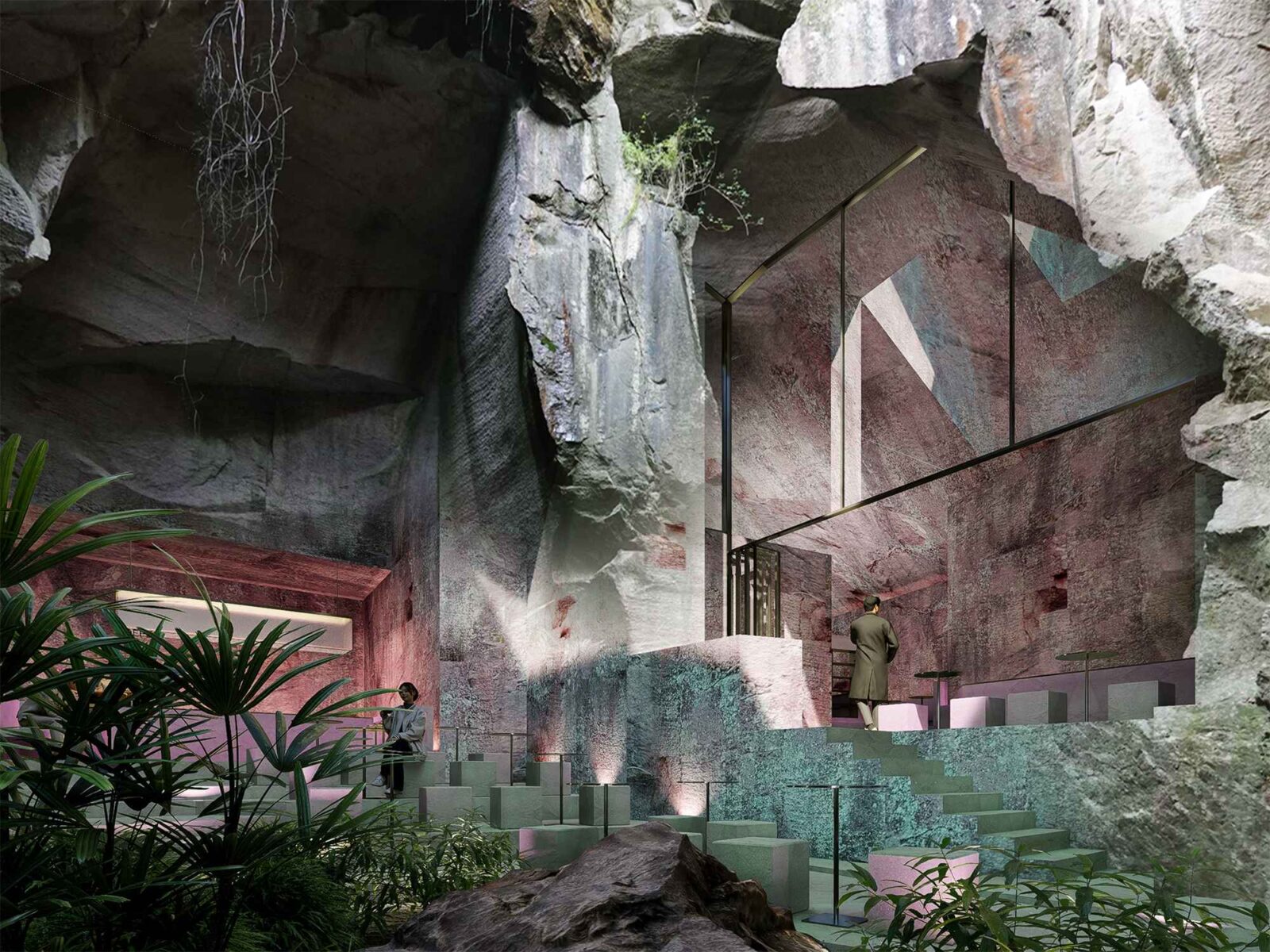
Hidden Stone Caves, Snakepan Island Shilily Retreat, was designed by Peidong Zhu from line+ studio, which won the award in the “Architectural Design: Historic & Heritage” category. Located in Huangnidong Village, this spa reimagined a disused stone-mining site, having developed into a retreat connected to the history and culture of the existing town. The design was centred around the quarry, the old village and the coast, with the designers describing the inspiration as a “Mountain-Stone-Sea” ecosystem.
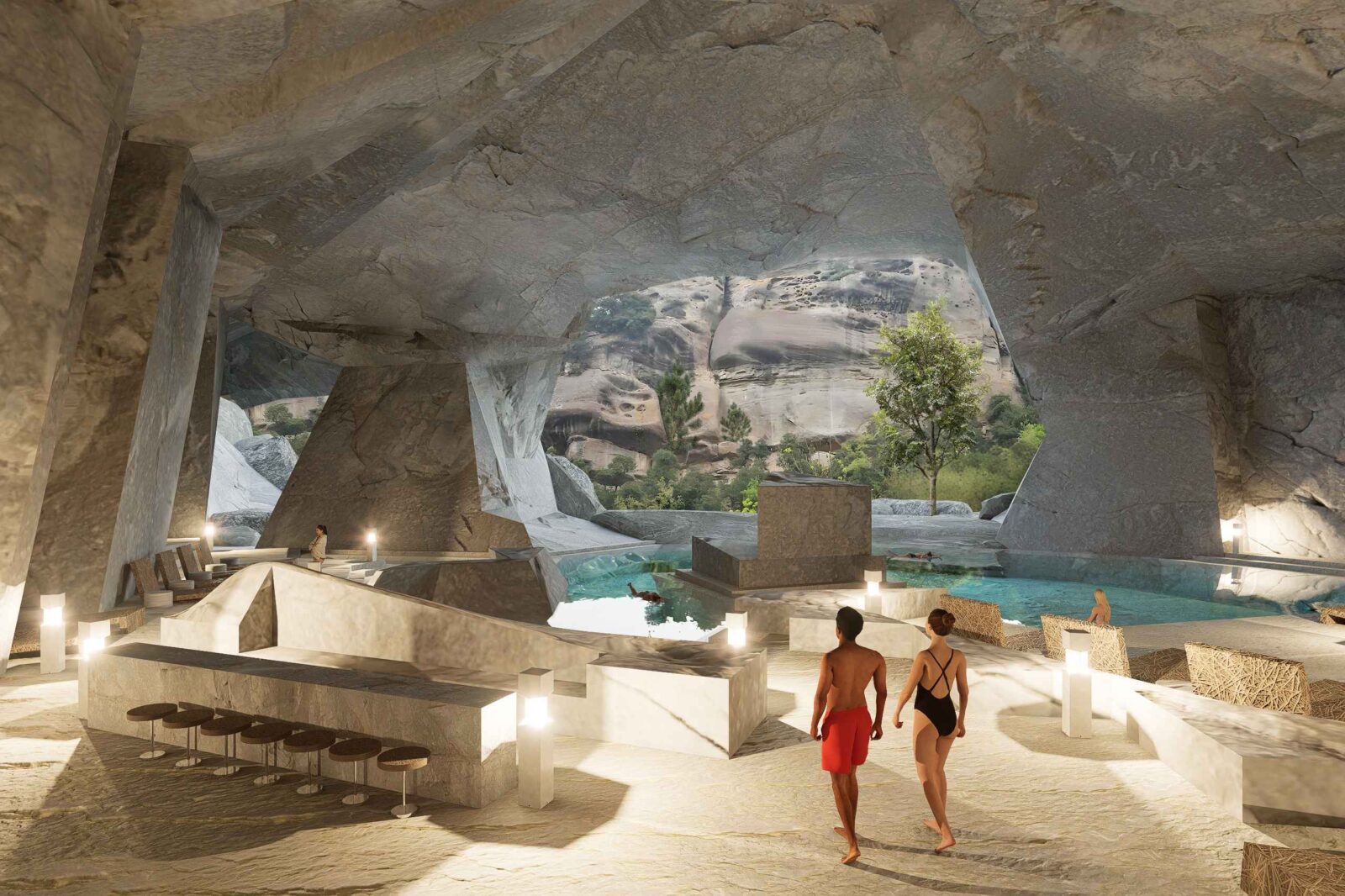
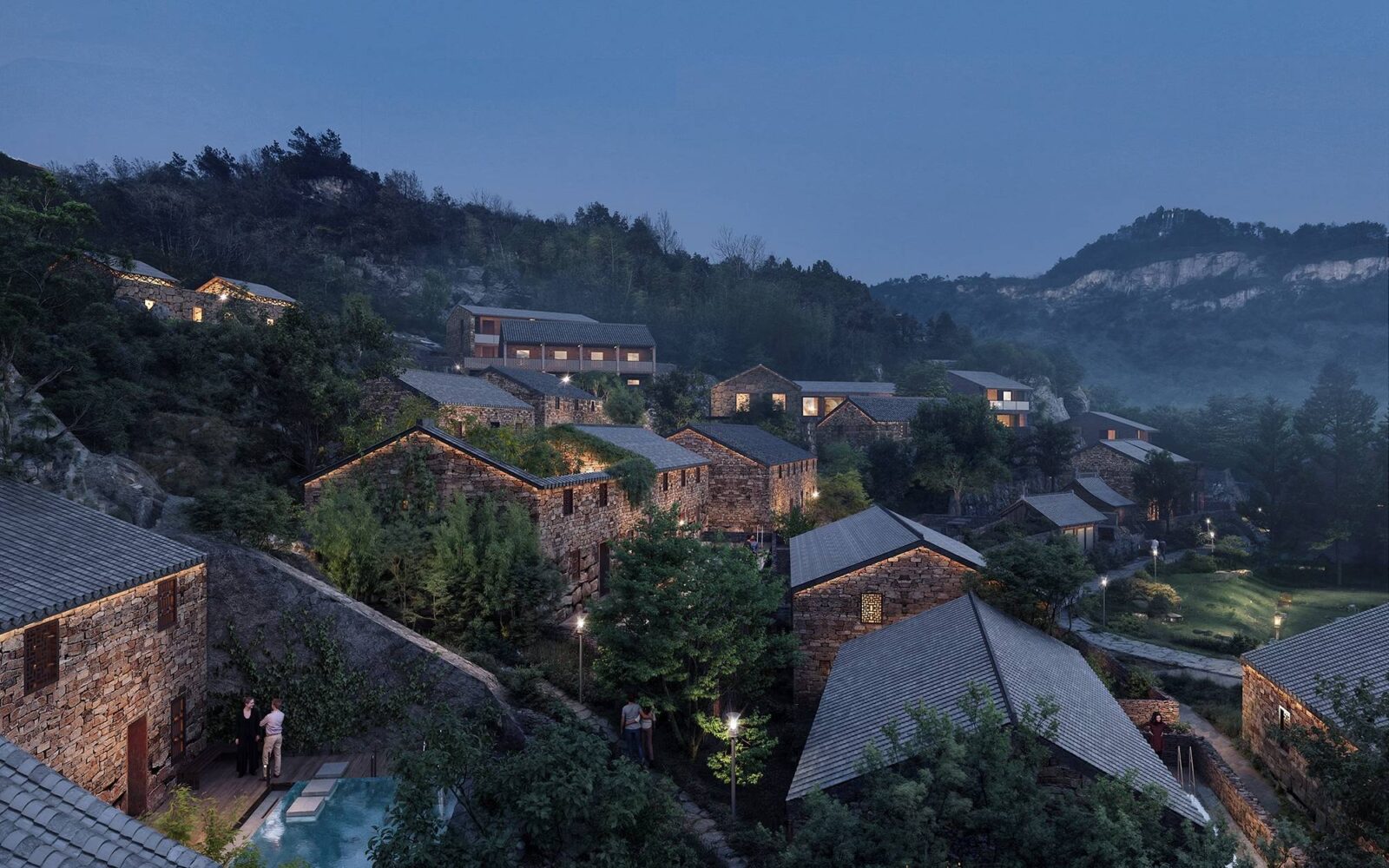
Fifty ancient dwellings were restored, while 14 natural caverns were converted into 80 guest rooms. Stone continues to be as important as it once was, having been used not only as a material but also as the spa’s main character trait. The original topography was kept largely intact, so rough masonry, excavated voids and retained ground levels help maintain the site and region’s history in the new endeavour.
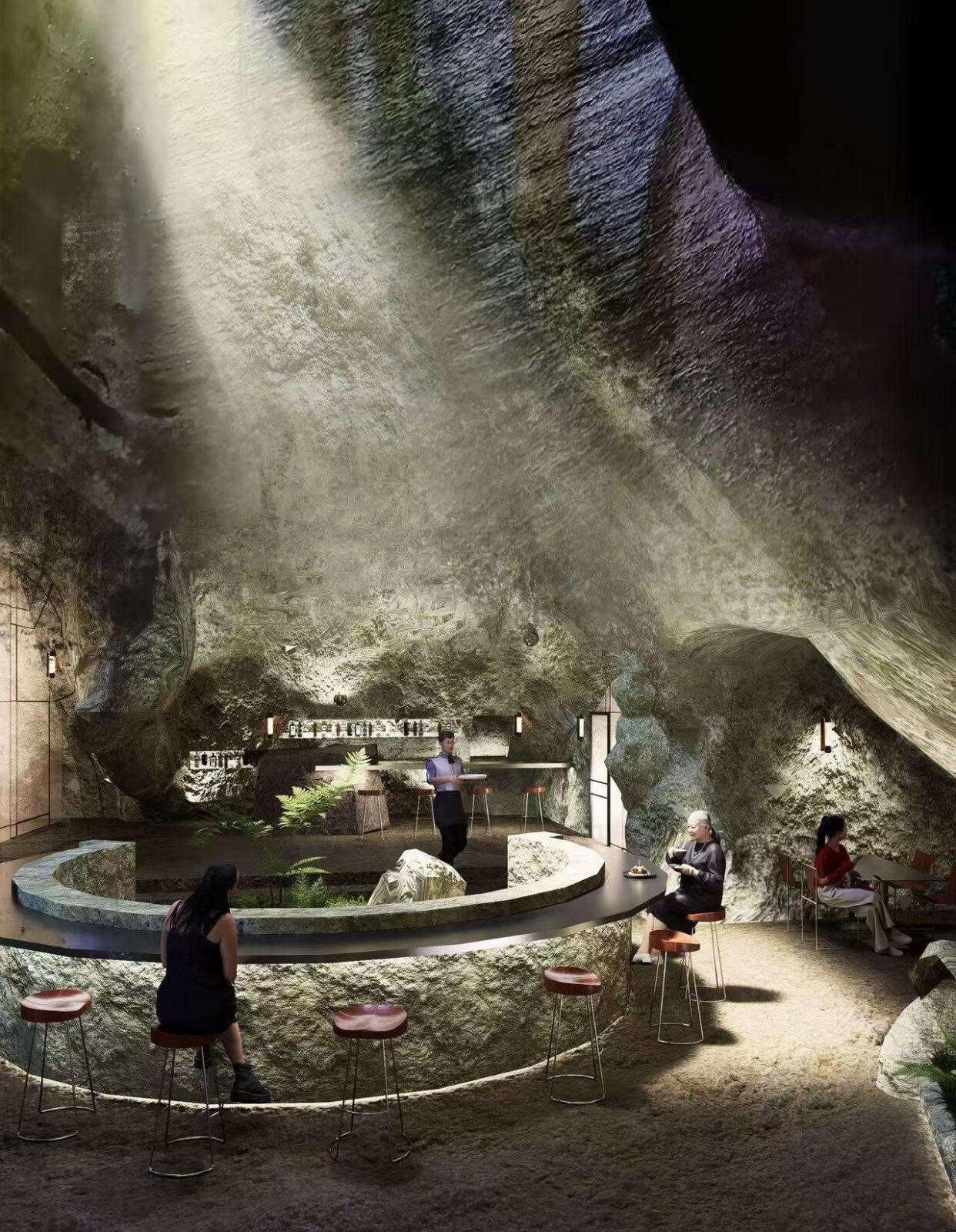
Alongside the guest rooms, line+ studio added a series of shared spaces directly into the village. These public areas return activity to the old settlement and give the retreat a wider life beyond accommodation alone. References to local marine culture and folk traditions appear throughout the design and materials, in different areas from accommodation to public areas. This leads us to the project’s award-winning idea: guests are not removed from the quarry’s past but welcomed in it, as the spa turns the site’s history into part of the architecture.
Ananas Spa Cotton Bay
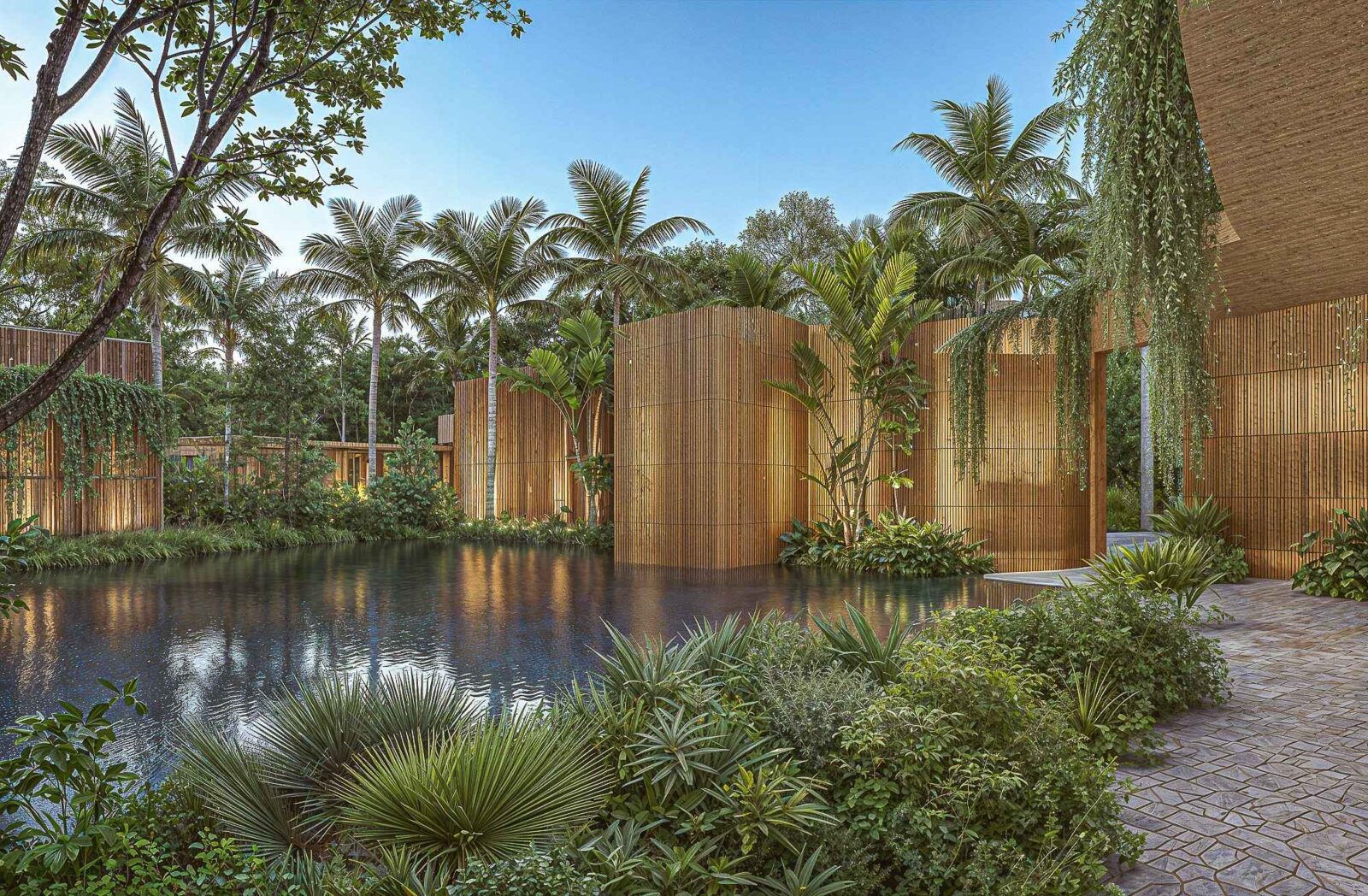
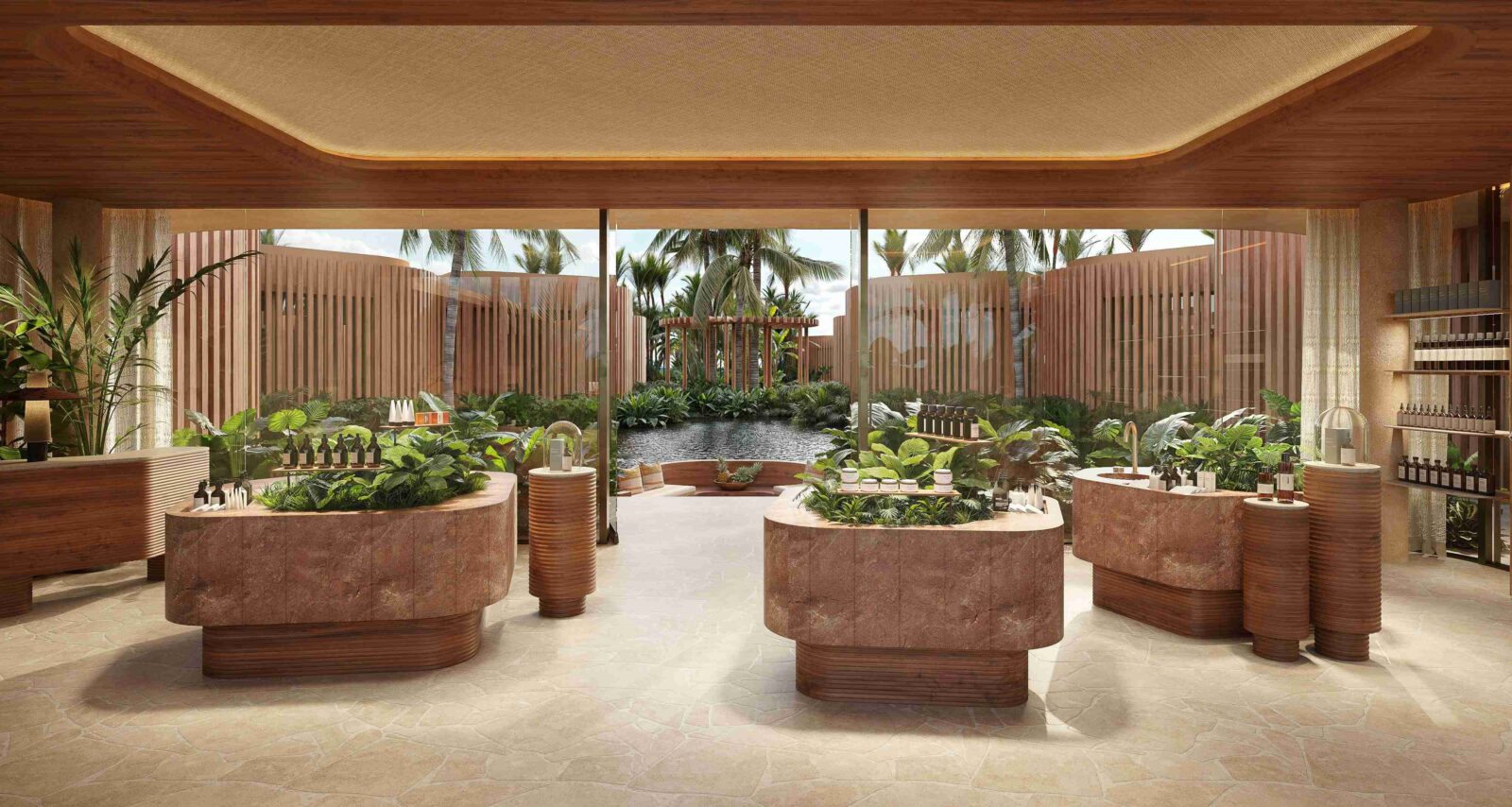
Ananas Spa Cotton Bay was designed by TAHR Arquitectura, having won the LIV Awards’ “Architectural Design: Wellness (SPA, Yoga, Retreat)” category. This spa is located on the paradisiacal island of Eleuthera, in The Bahamas, and is part of a wider resort project developed by the same studio for Cotton Bay Holdings, with interiors by Studio Gronda.
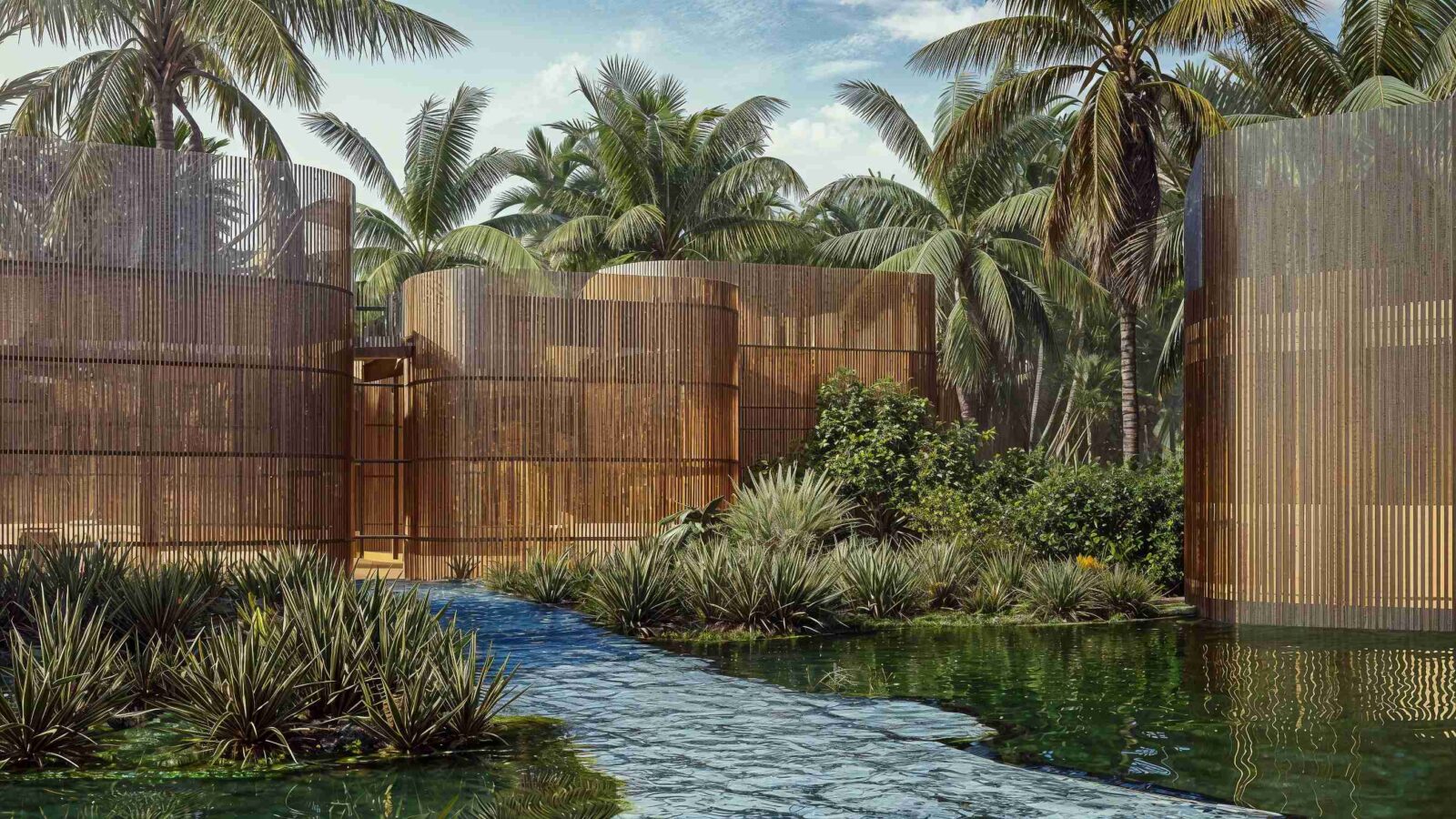
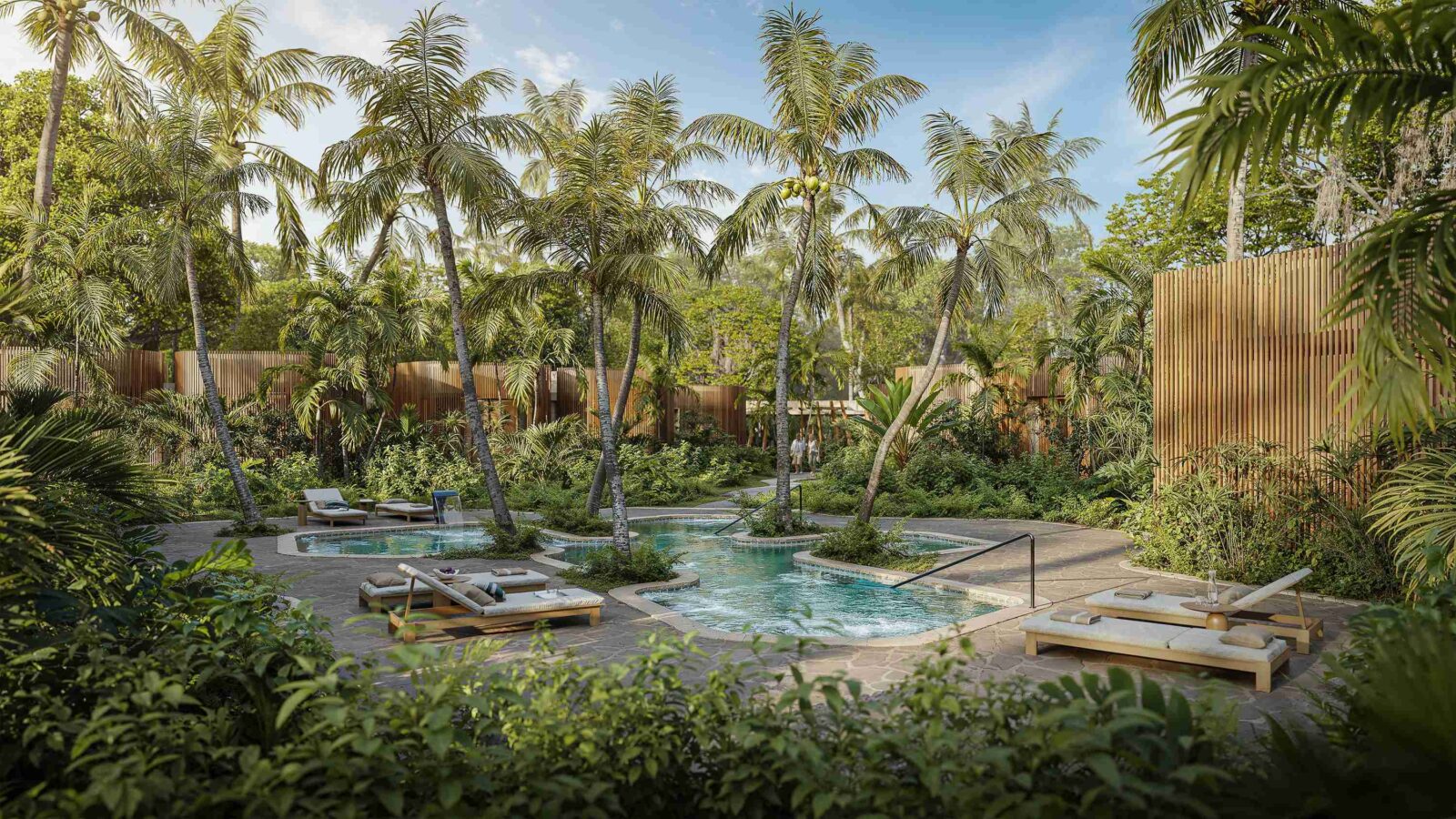
The architecture is mainly inspired by the pineapple’s hexagonal shell, a reference to Bahamian agrarian tradition. This appears in a group of hexagonal pavilions, part of a tropical garden, which are paired with a rectilinear lobby and fitness centre. Around these structures, bridges pass over reflective ponds and connect the separate parts of the spa, linking treatment rooms, rest areas and the wider wellness spaces.
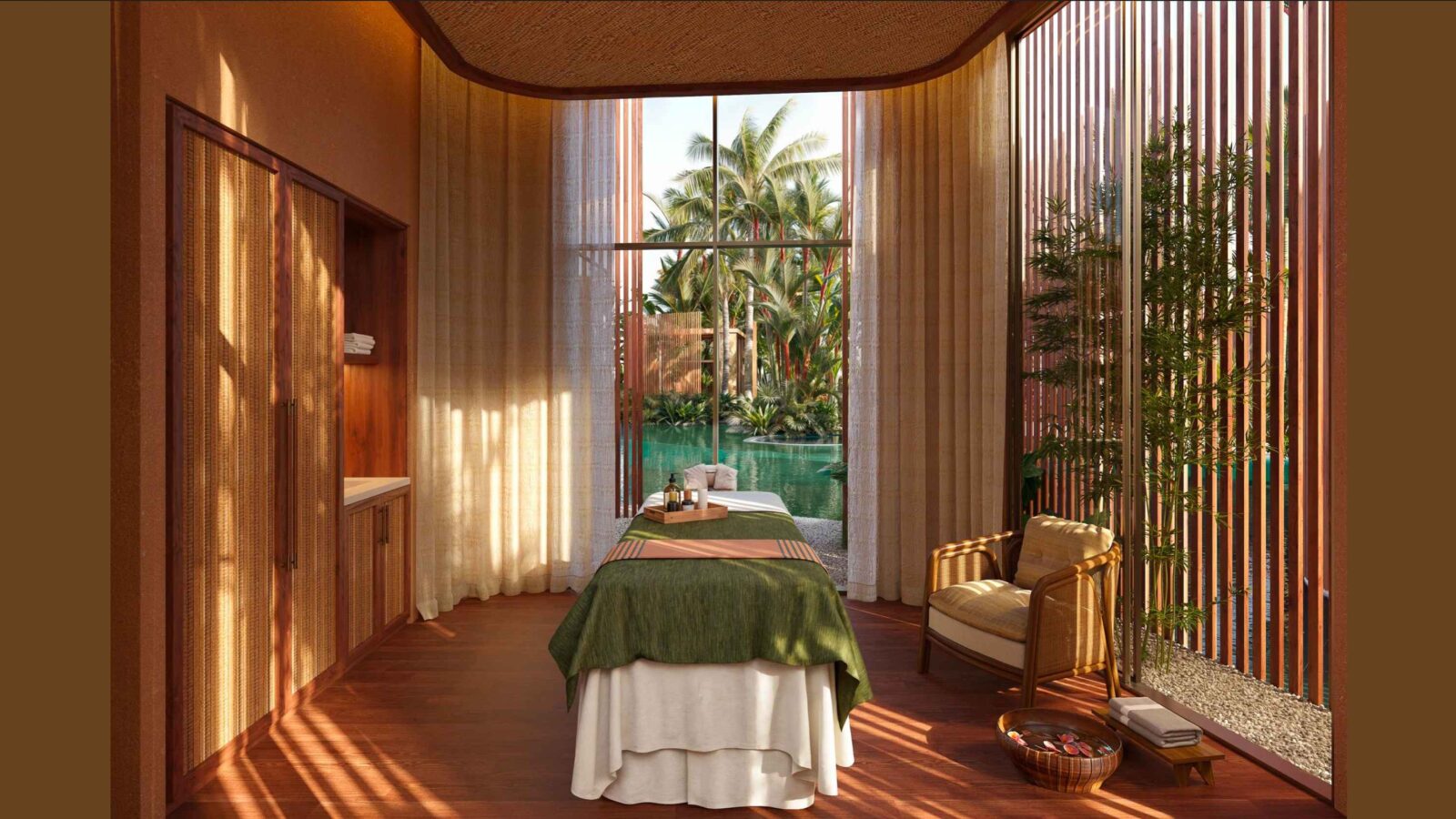
The materials were chosen specifically to connect the spa to the local culture, with the designers having used stone totems complemented with plants, layered stone floors and bamboo-clad walls. The ponds do more than just promote a sense of relaxation, as they act as rainwater reservoirs, helping irrigate the golf course and meet the spa’s own water needs.
Throughout the project, passive cooling, thermal mass, brise-soleil, cross-ventilation, rainwater harvesting, native planting and green roofs were used to reduce energy demand and respond to the local climate. Scheduled to open in 2027, this is a spa complemented by the luxury that is the natural setting, the turquoise waters and the abundance of local life.
“Gorny Vozdukh” Mountain Ski & Spa Resort
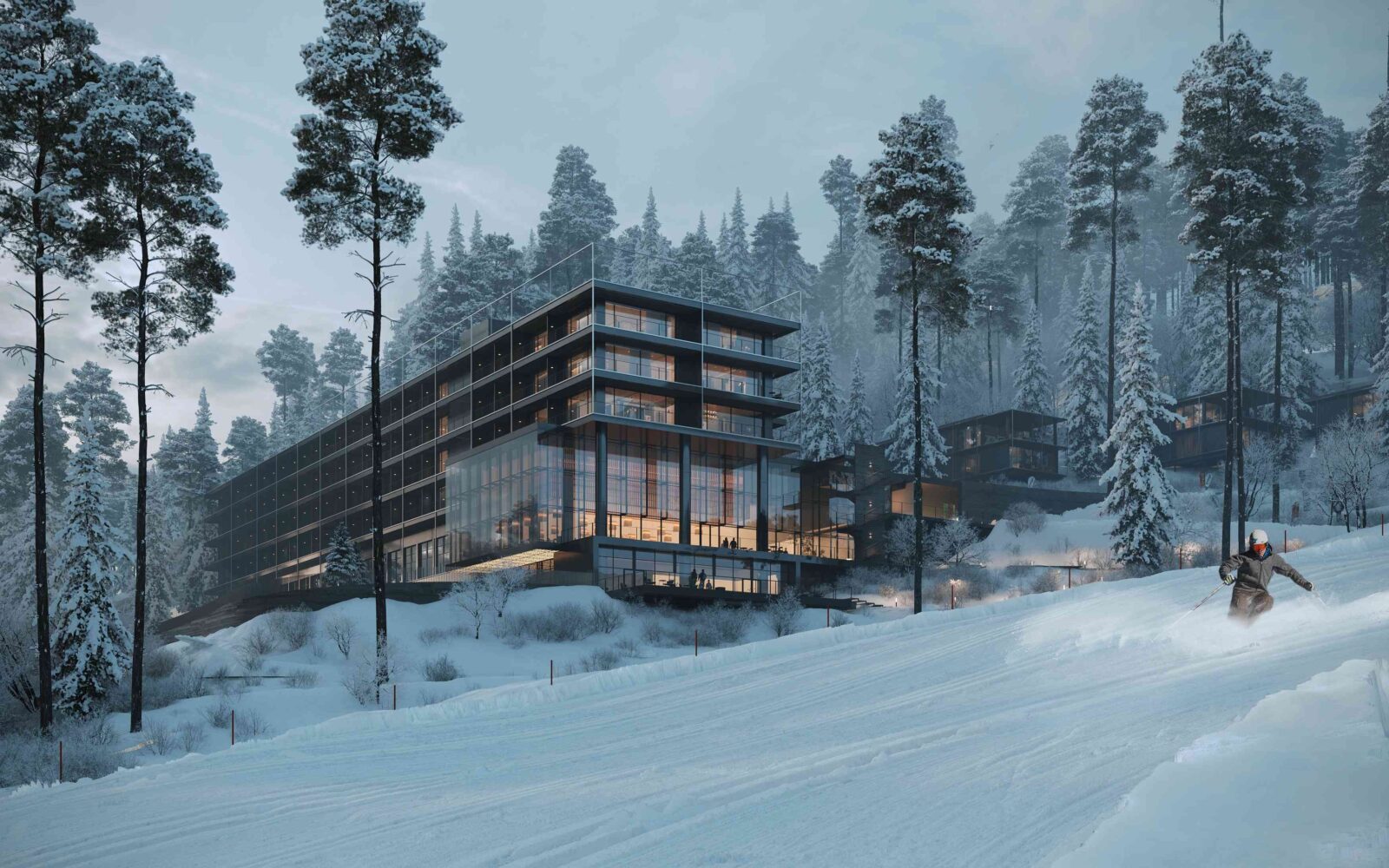
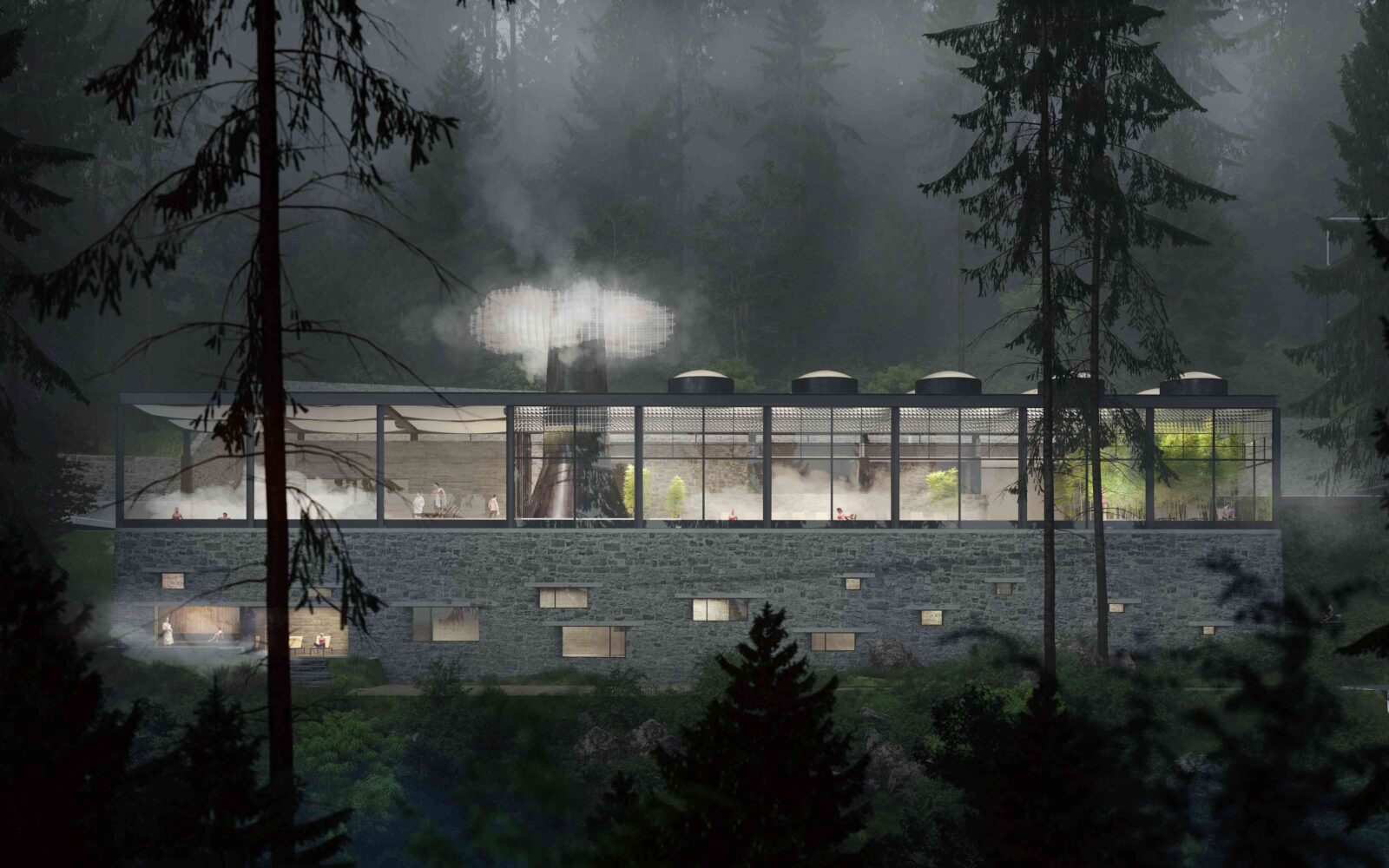
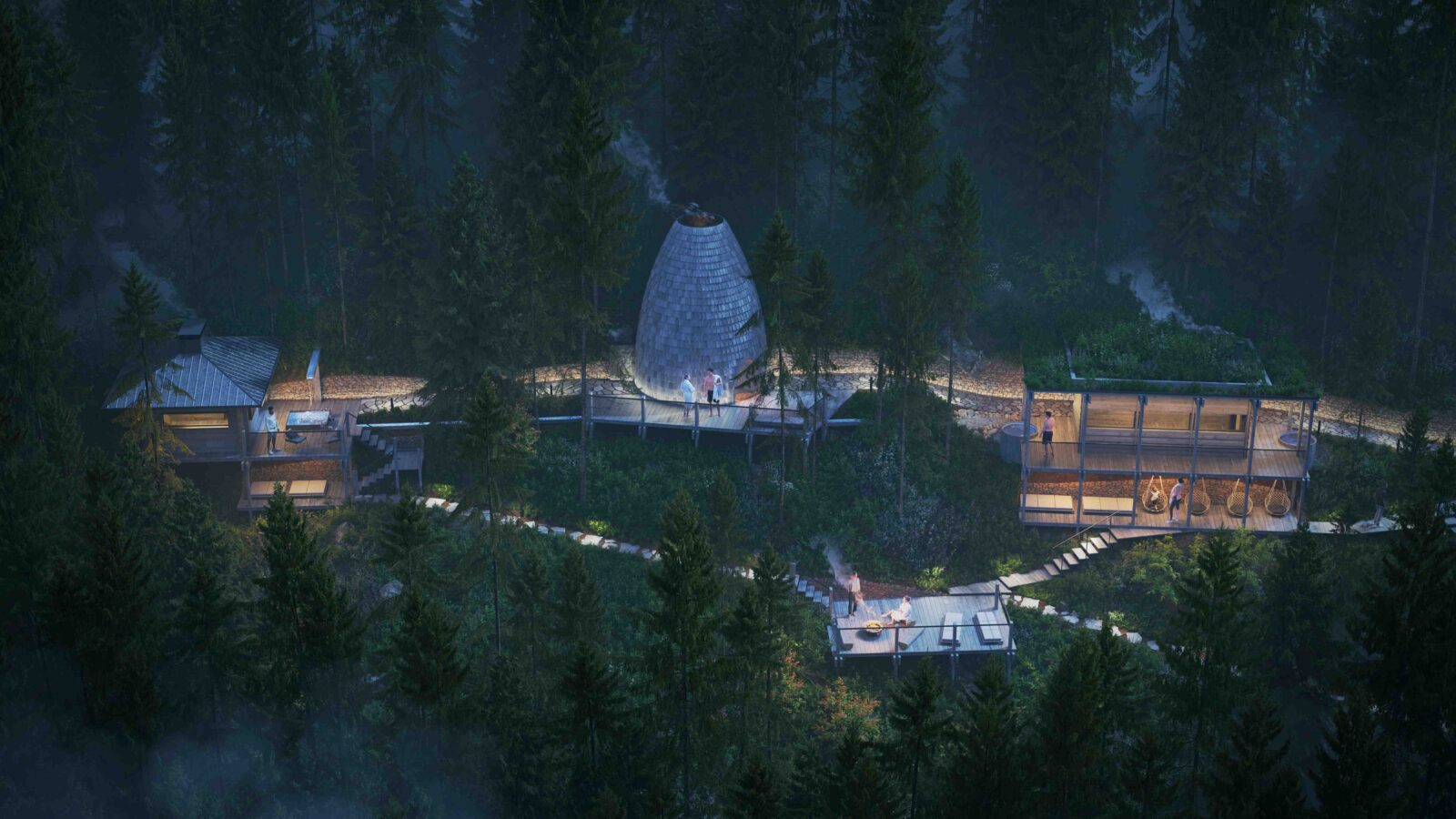
“Gorny Vozdukh” Mountain Ski & Spa Resort, designed by IND, is the winner of the LIV Awards’ “Architectural Design: Resort – Midscale & Lifestyle” category. Set on a 3.23-hectare site in the ski area near Yuzhno-Sakhalinsk in Russia’s Far East, the 18,888 m² development includes a 133-key hotel, 18 hillside villas and a spa centre (our star). The resort and its design revolve around the mountain, with the main hotel being partially embedded into the slope to allow ski-in and ski-out access, separating, as well, guest routes from service areas and opening the public spaces towards wide views of the pistes.
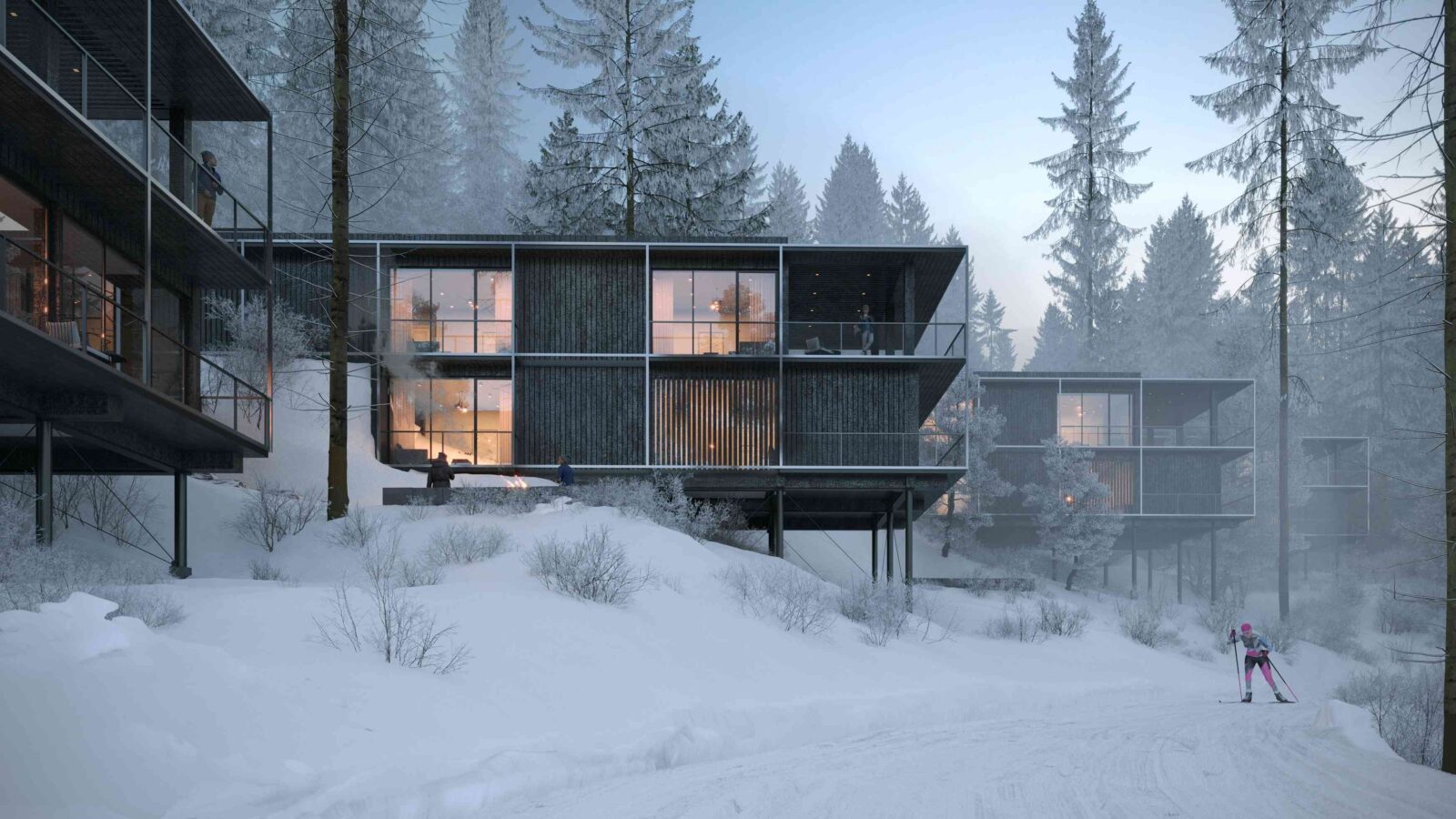
The villas are raised on light structural supports, a choice directly influenced by the landscape: to reduce as much as possible the impact on the landscape, the designers chose these supports to reduce contact with the ground and preserve the existing micro-relief and native vegetation. All throughout the project, local stone, timber and green roofs are used to connect the buildings to the mountain setting, both through construction and appearance.
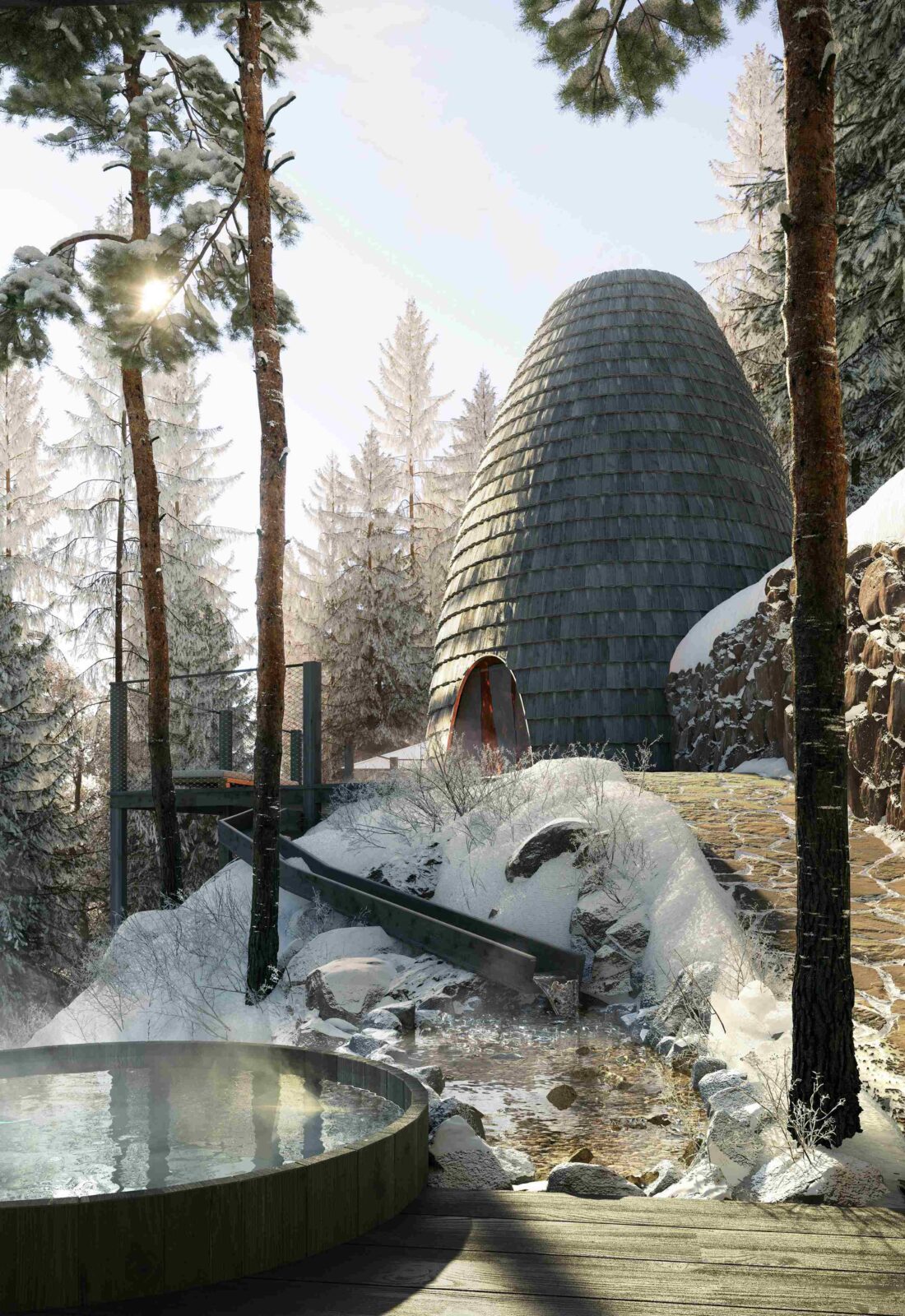
The spa introduces other stylistic references, drawing from Asian vernacular forms and from the imagined worlds associated with Hayao Miyazaki, a Japanese illustrator mostly known for co-founding Studio Ghibli. Around the spa, the outdoor areas follow a minimal-intervention approach, with meditation decks, fire pits, water elements, forest paths and quiet recreation zones providing guests all the relaxation they need after a day on the pistes. This spa does something else: it opens the resort to other seasons, as it can offer more than just skiing. The mountain and spa work together to provide guests with a rounded and luxurious experience.
Hacienda Itzancab Retreat
Hacienda Itzancab Retreat by studio Lodo, with Felipe Palacio Trujillo as lead designer, is our first wellness centre, having won the “Architectural Design: Resort – Boutique” category. Located in Mérida, Mexico, the retreat is born from the restoration of an 870-hectare colonial estate and 19th-century hacienda in the Yucatán jungle. Put simply, this is a luxurious resort village based on traditional Yucatecan culture and architecture.
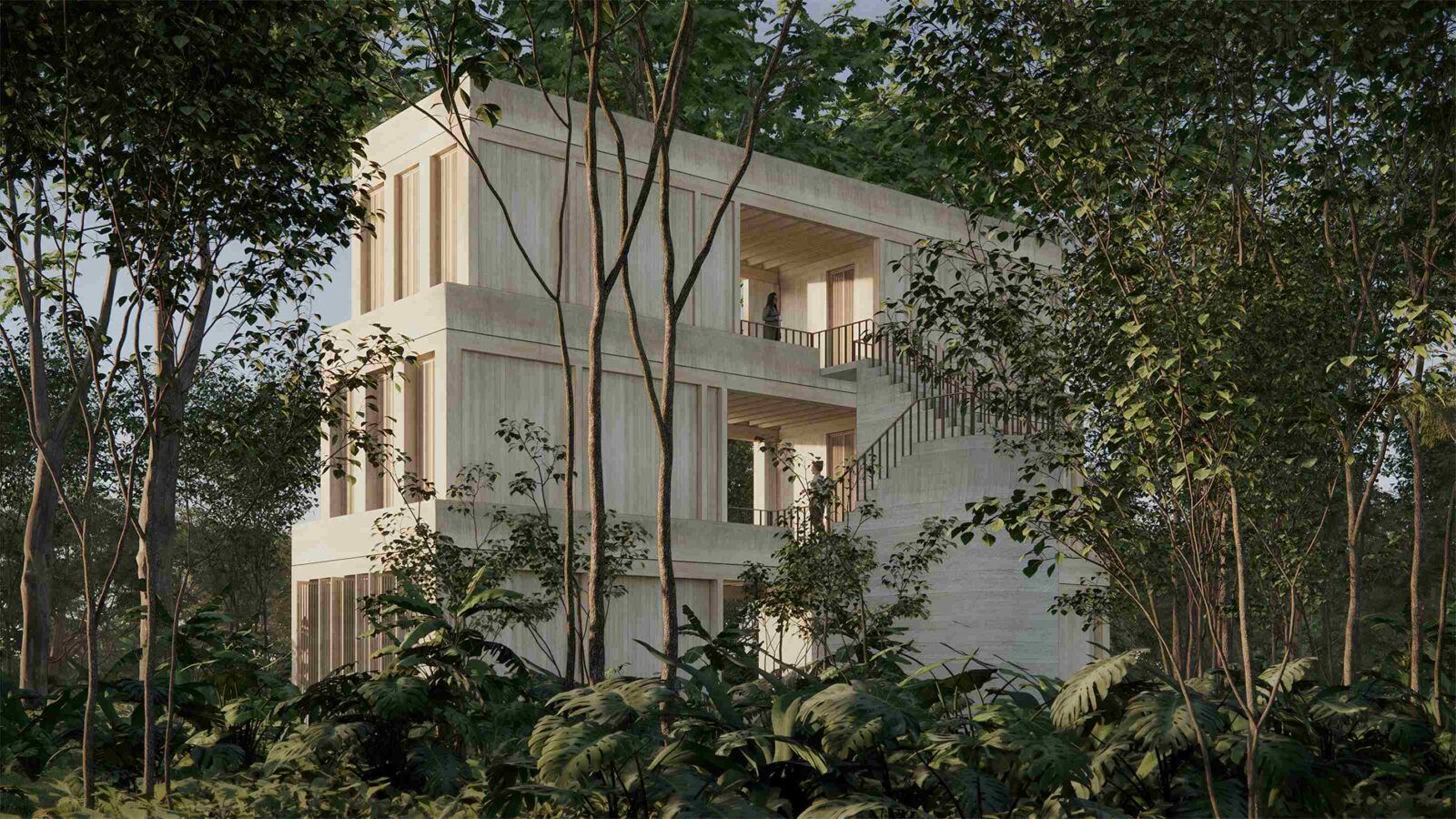
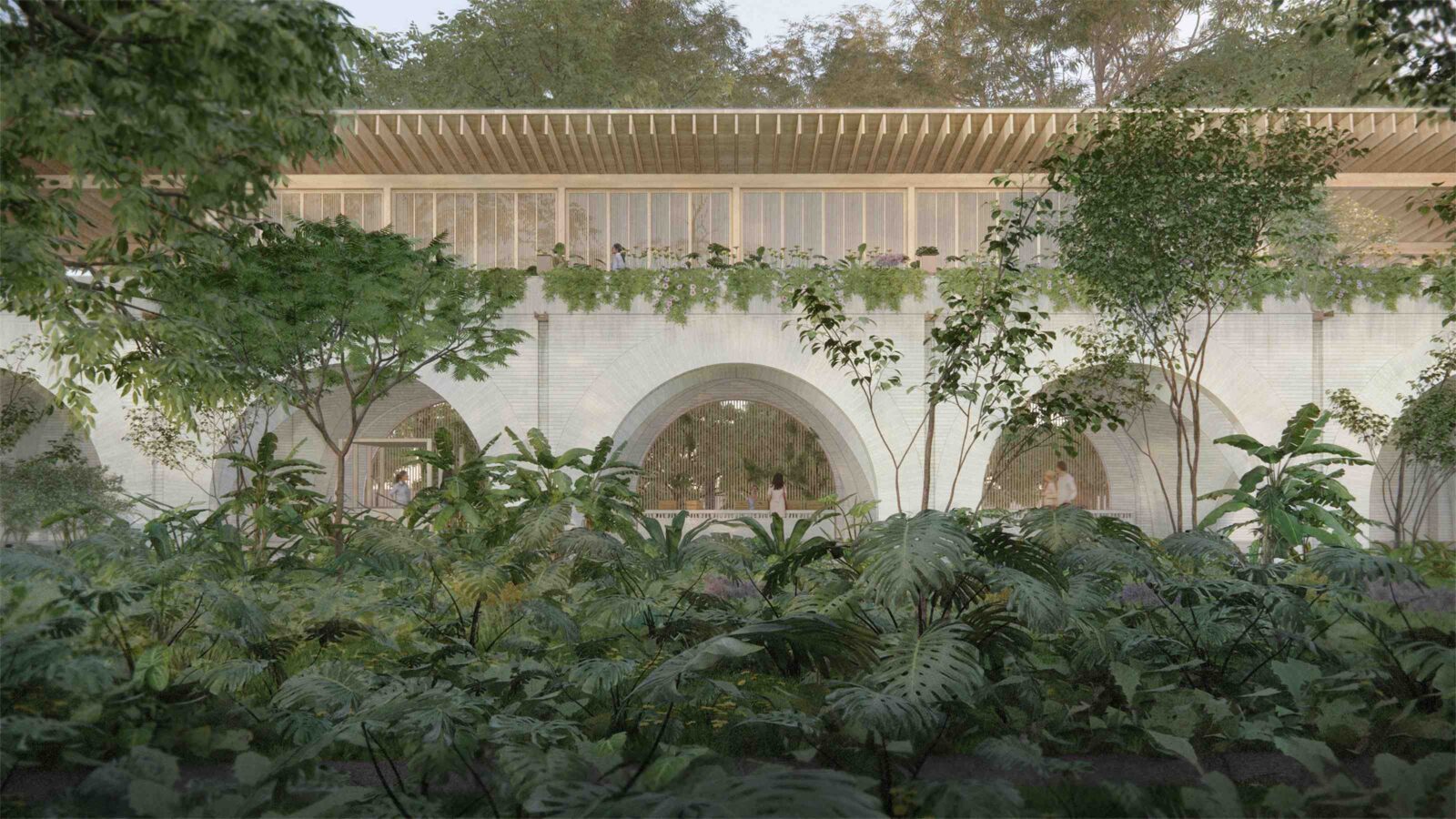
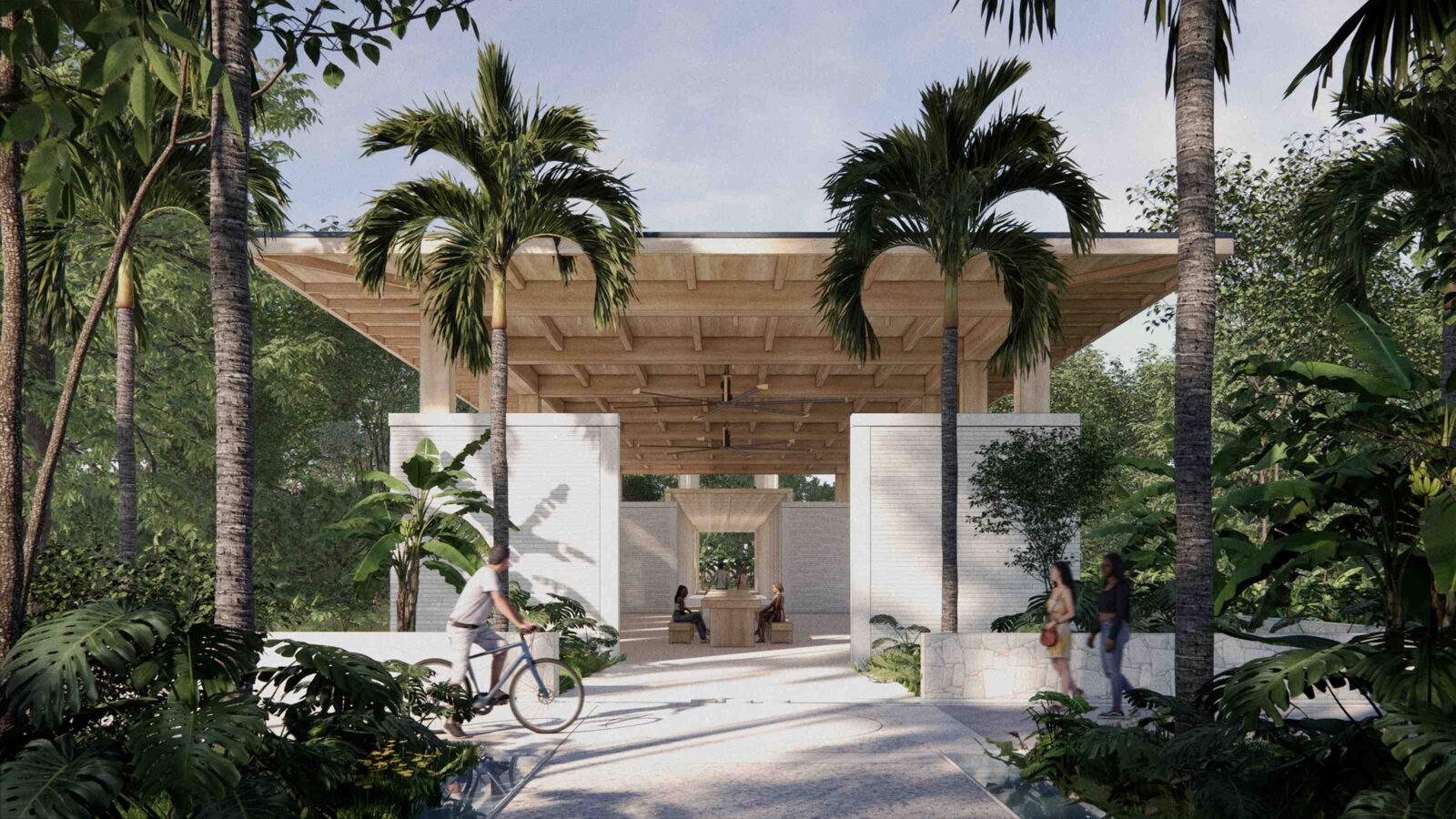
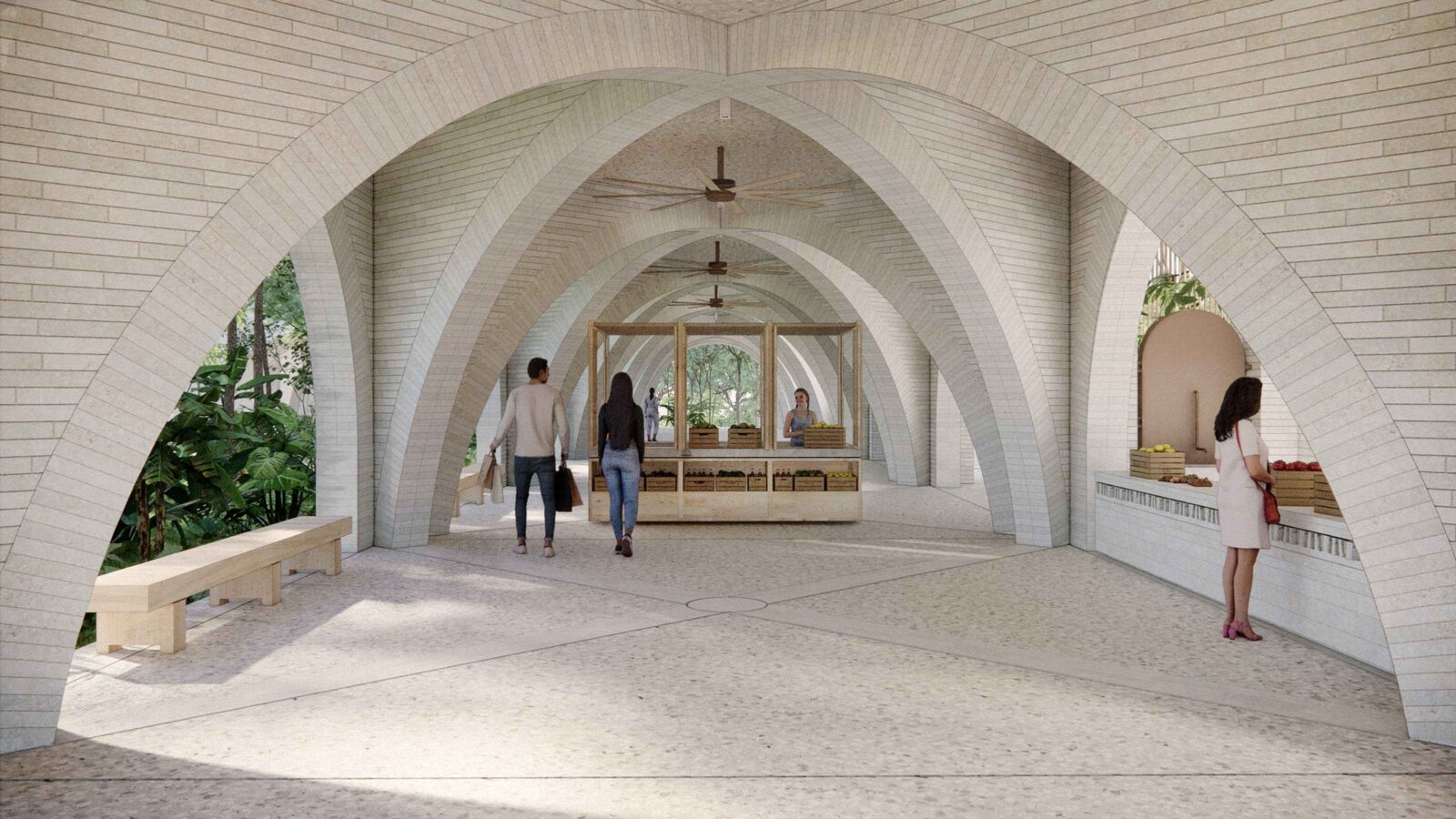
Within this village core, the guest rooms are placed on the second floor, where private balconies and gardens bring them closer to the surrounding tree canopy. Away from the historic buildings, the accommodation extends into the estate: semi-private villas and standalone villas, each positioned to connect the guests with the landscape, giving them valuable privacy. Amenities, including a marketplace and restaurant, are located around a central plaza and a cenote, which acts as both a natural feature and the project’s ecological centre.
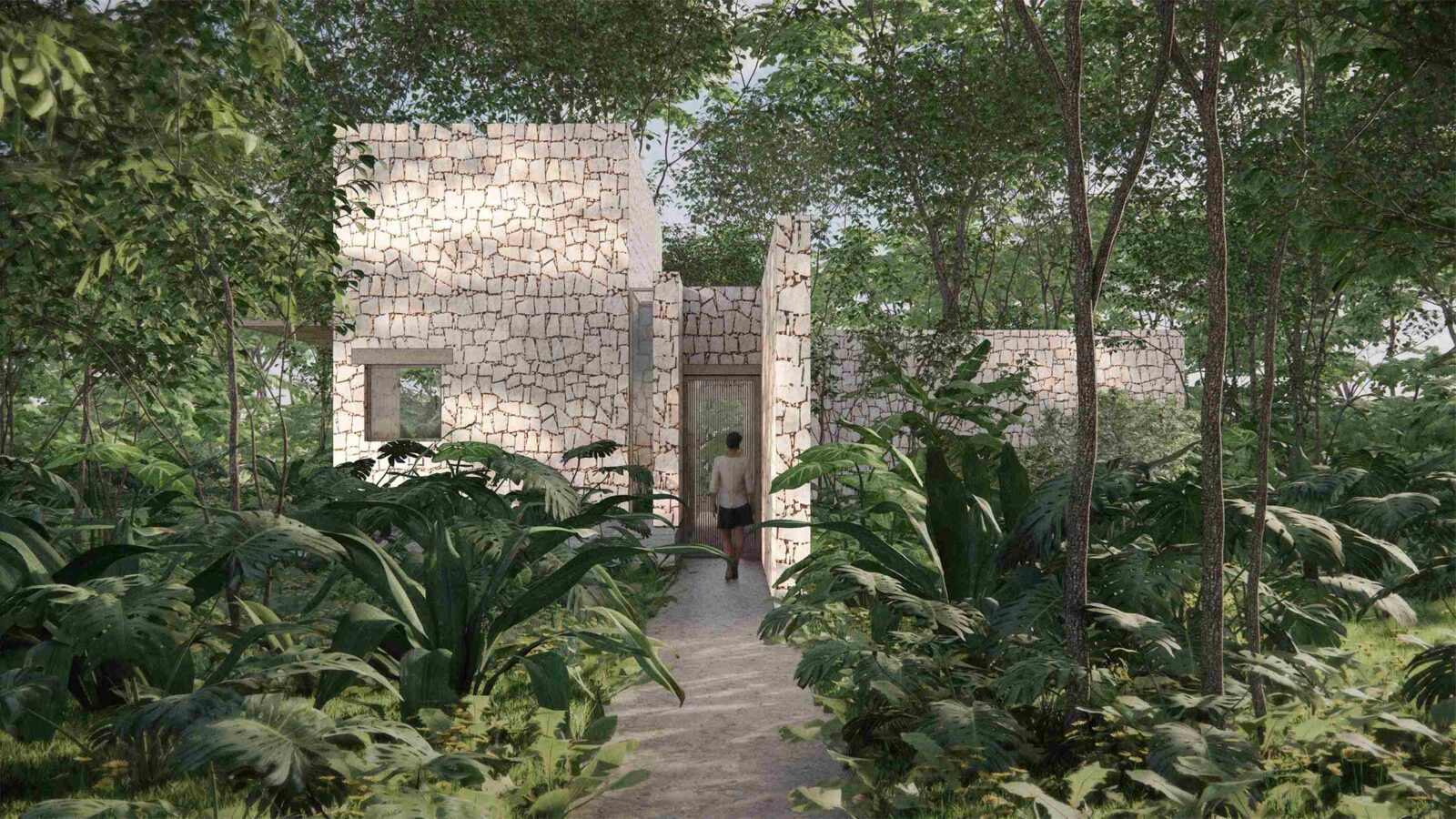
The architecture is based on local building methods and the vernacular styles of the region. High ceilings, modest window-to-wall ratios and cross-ventilation are used throughout both to respect the site’s heritage and the hot climate. Furthermore, by keeping the buildings open to air movement and shade, these decisions help reduce the project’s environmental load by a lot. This is a retreat planned as a self-sufficient, low-impact wellness spot, providing guests with a luxurious, all-Mexican relaxing time to recharge from the real world.
Fazenda Alteza
Fazenda Alteza was designed by Paulo Gonçalves from Unyt Arquitetura, alongside Kardec Borges and Andrey Machado, having won the LIV Awards’ “Architectural Design: Wellness (SPA, Yoga, Retreat)” category. Located in Bananeiras, Paraíba, Brazil, the project is positioned along the Borborema Ridge, a highland area in the country’s north-east, better known for its cooler climate than the coastal conditions more commonly linked to the region. Completely designed by the studio, the retreat was carefully tailored to the existing site, particularly its lakes, which determined the position of the main amenities and helped form a small village.
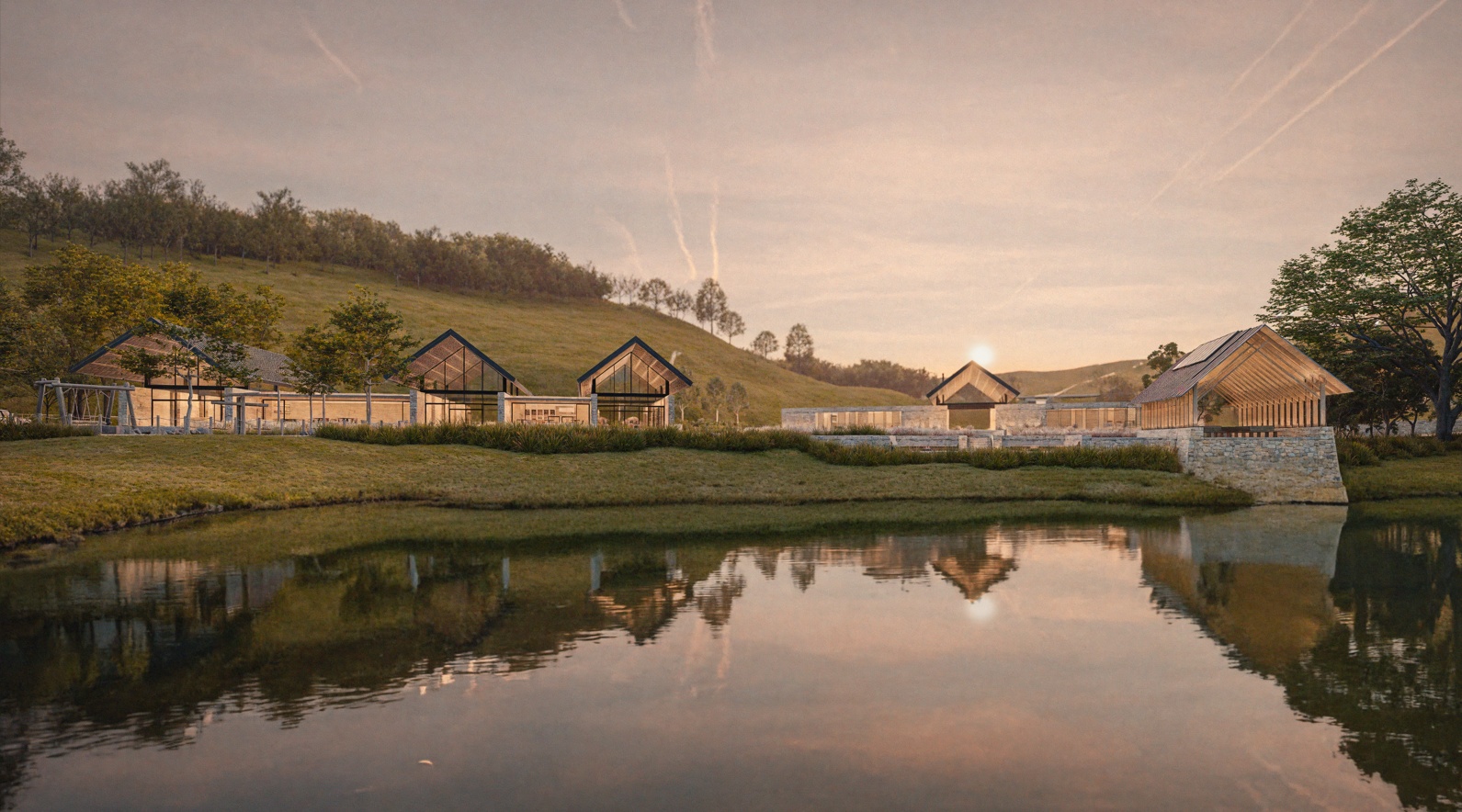
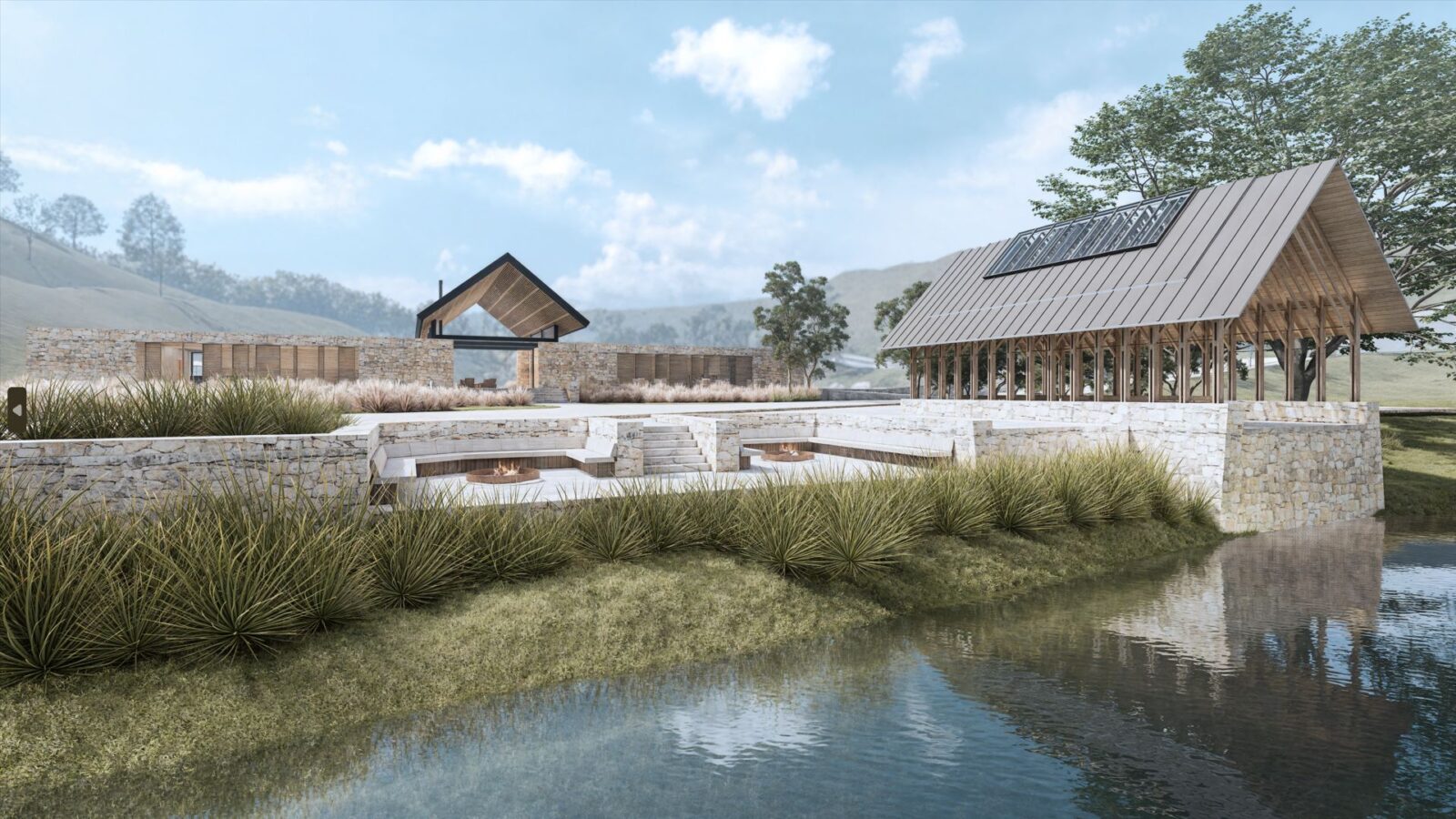
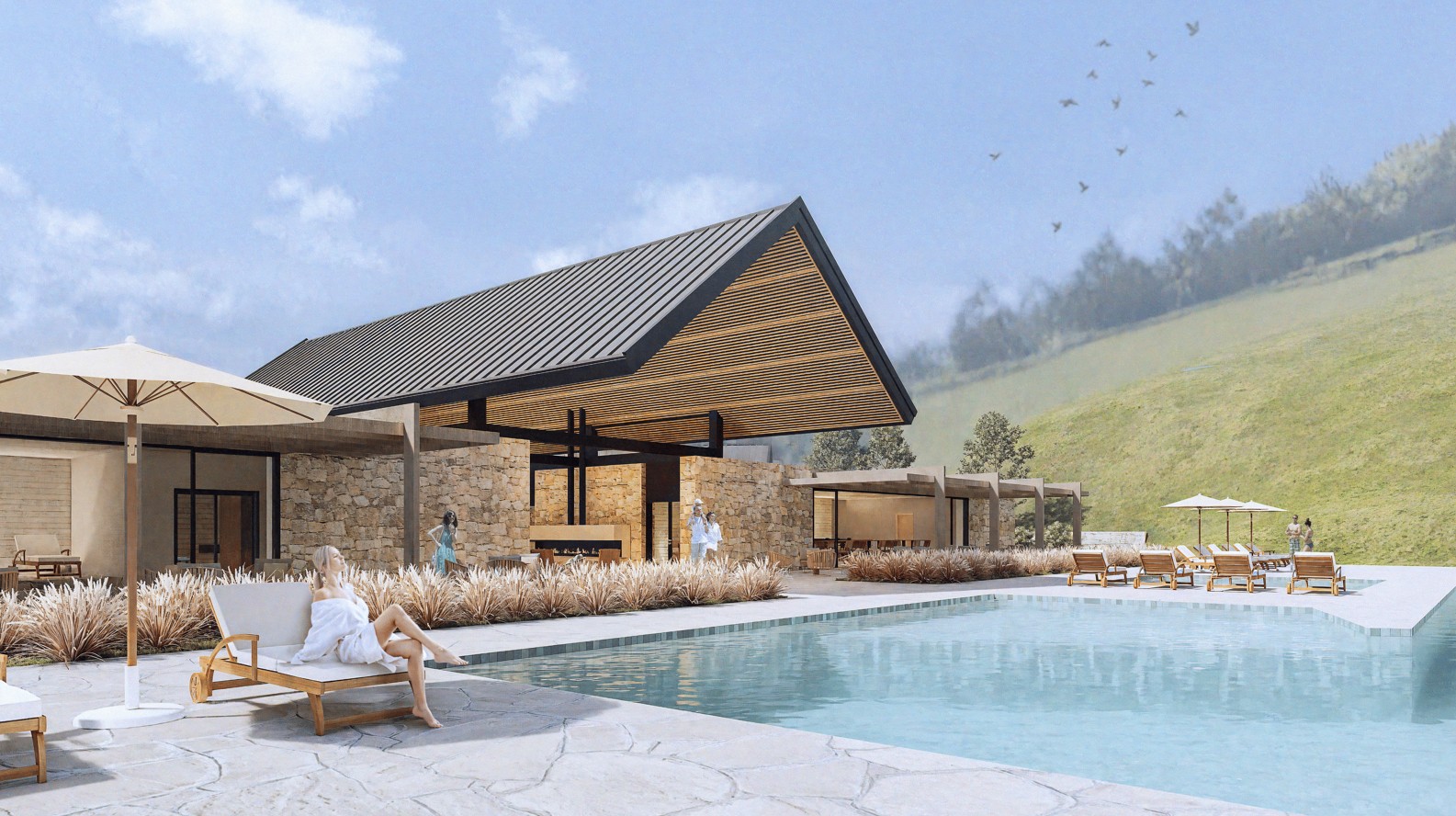
Three main buildings define the retreat. The Farm Pavilion houses the more social parts of Fazenda Alteza, including a bistro, café terrace, gourmet shop and market. The Wellness Club is located right by the water, containing the spa rooms, gym, thermal pools and quieter areas for rest. The Chapel completes the scene, facing the sunset (as any chapel does) and acting as an anchor of sorts for the retreat. Other parts include an equestrian centre and a petting farm.
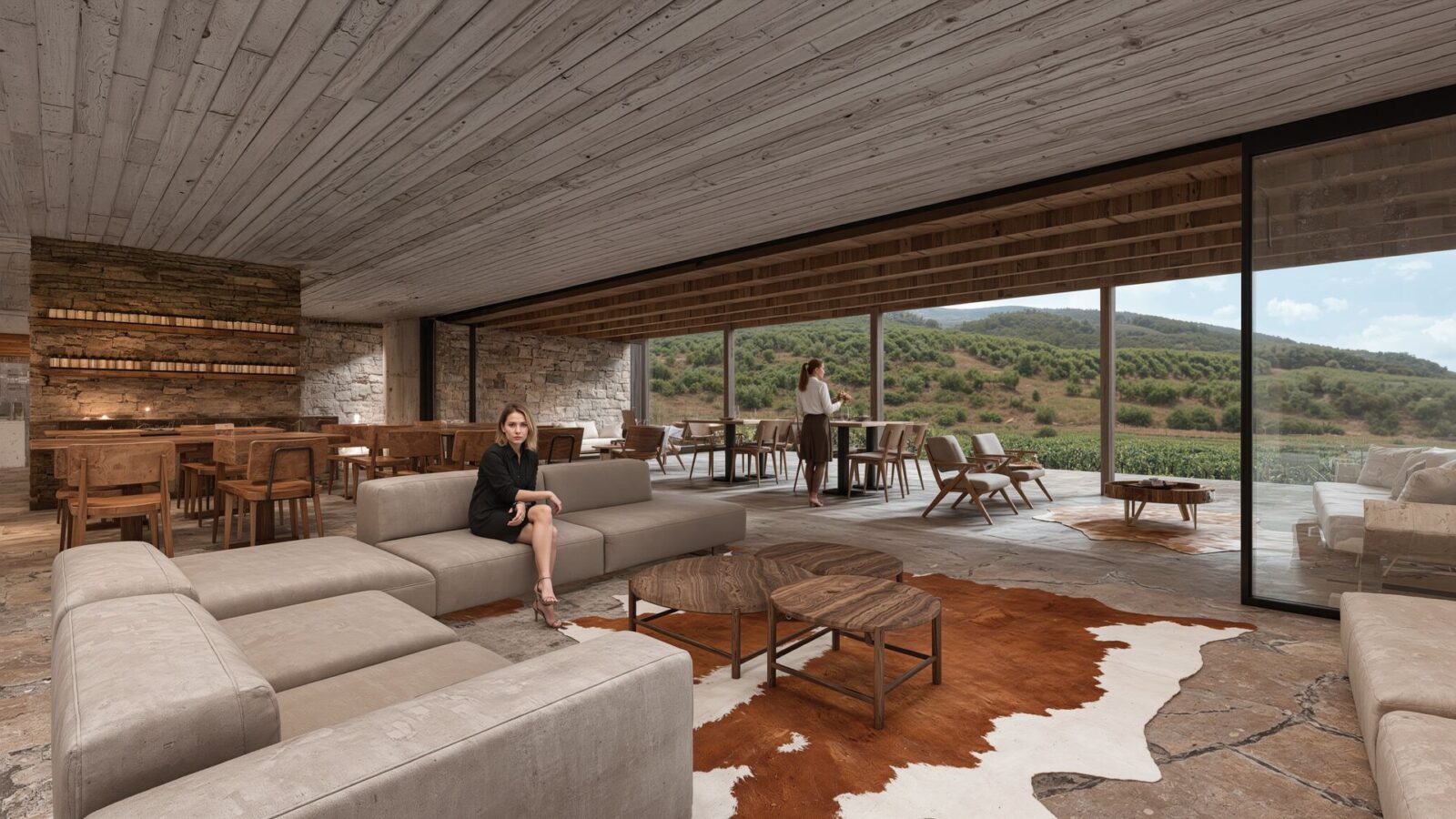
The architecture is deeply inspired by vernacular architectural techniques from the region, with the designers having embraced steep roofs, earthy colours, stone, timber and tile throughout the whole project. As a further mark of respect, the buildings were carefully placed and built to follow the existing topography, helping preserve vegetation, water movement and the site’s beautiful long views.
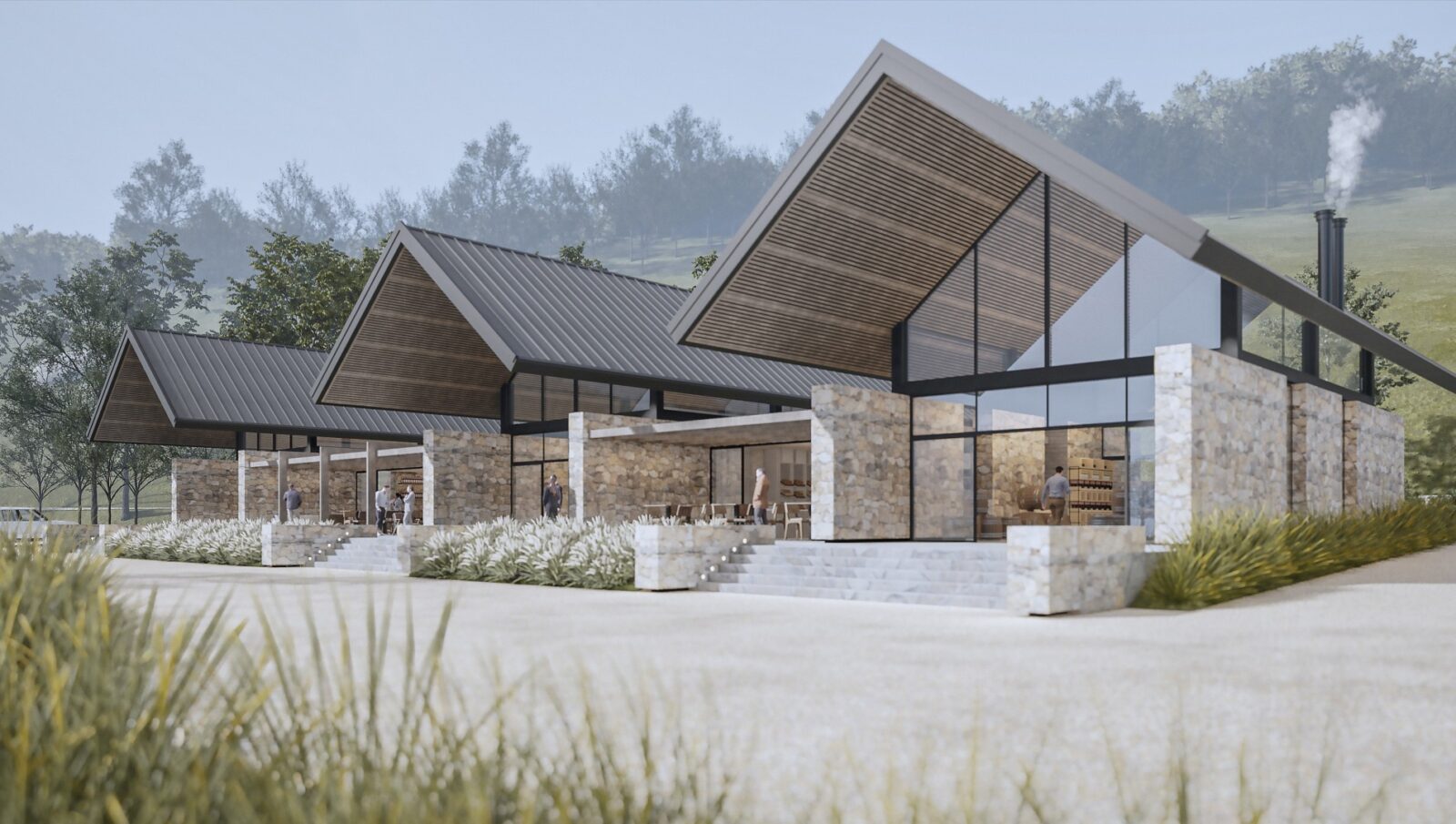
Skogur Home & Resort
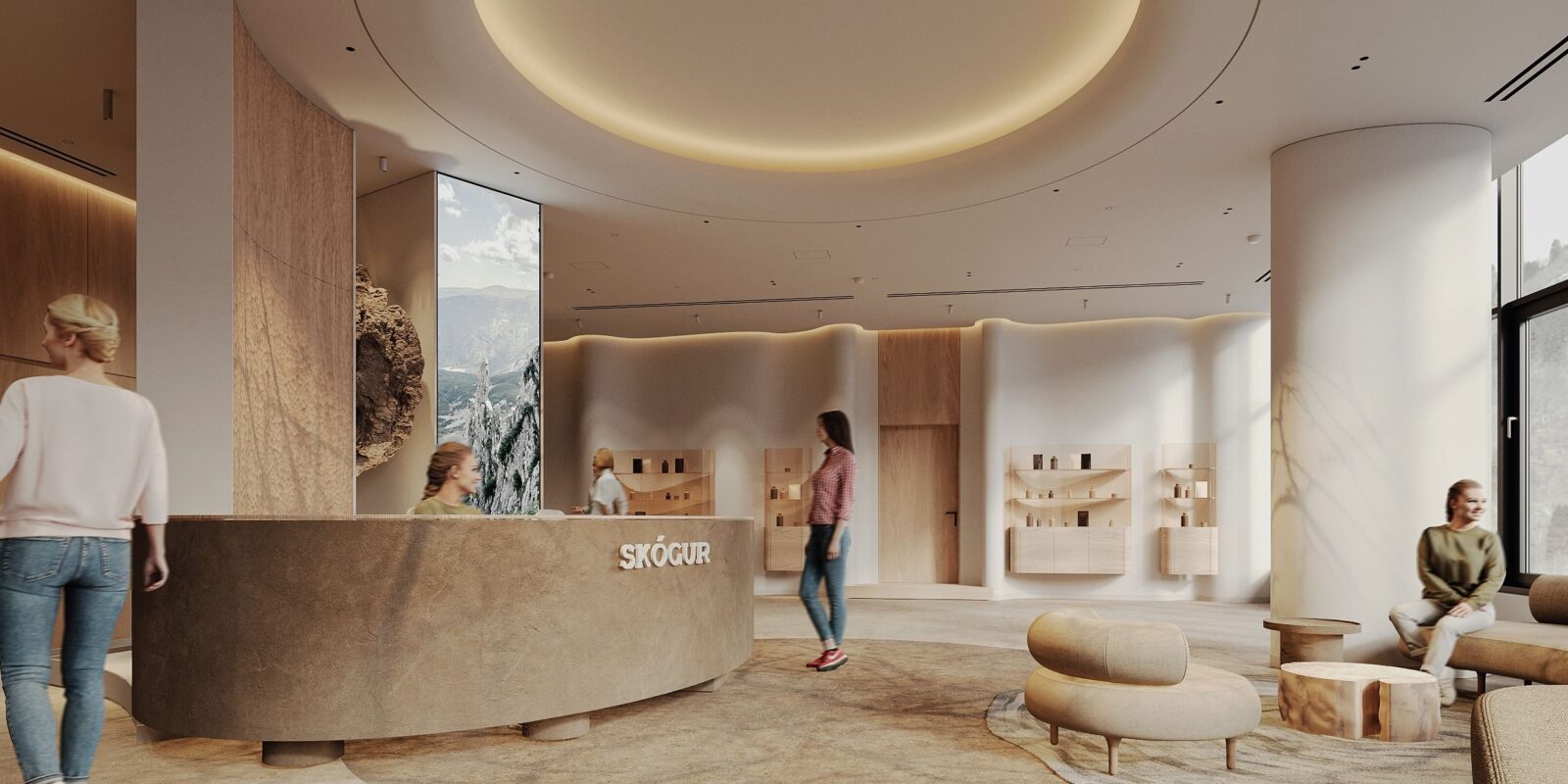
Skogur Home & Resort was designed by ZIKZAK Architects, with Ihor Yashyn as lead designer and Tetiana Zykh as architect, having won the “Interior Design: Wellness (SPA, Yoga, Retreat)” category at the LIV Awards. Located in Yablunytsia, in Ukraine’s Ivano-Frankivsk region, the project was designed with the notion “quiet use” in mind, with the interior tailored for maximum rehabilitation, rest and recovery.
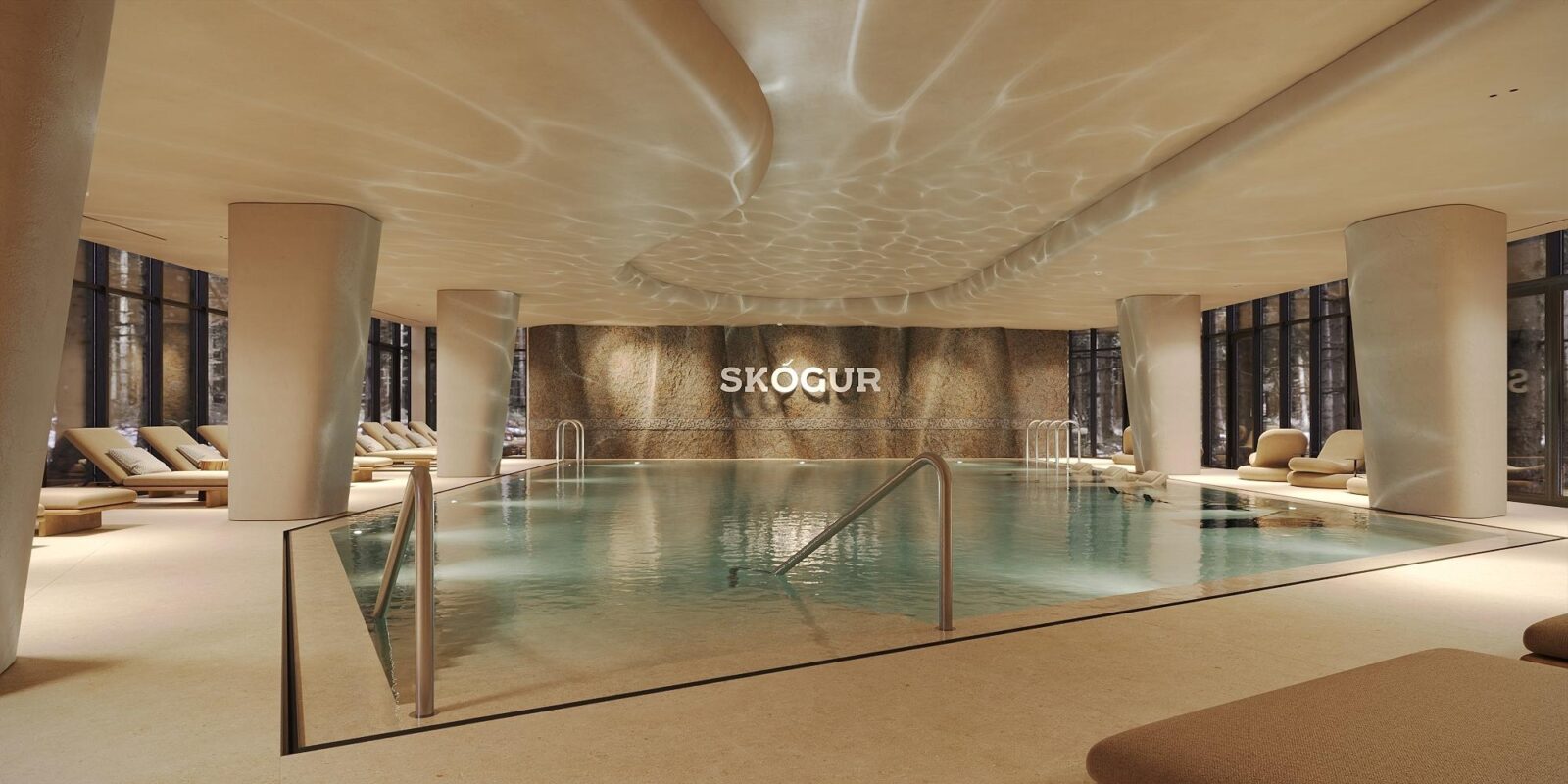
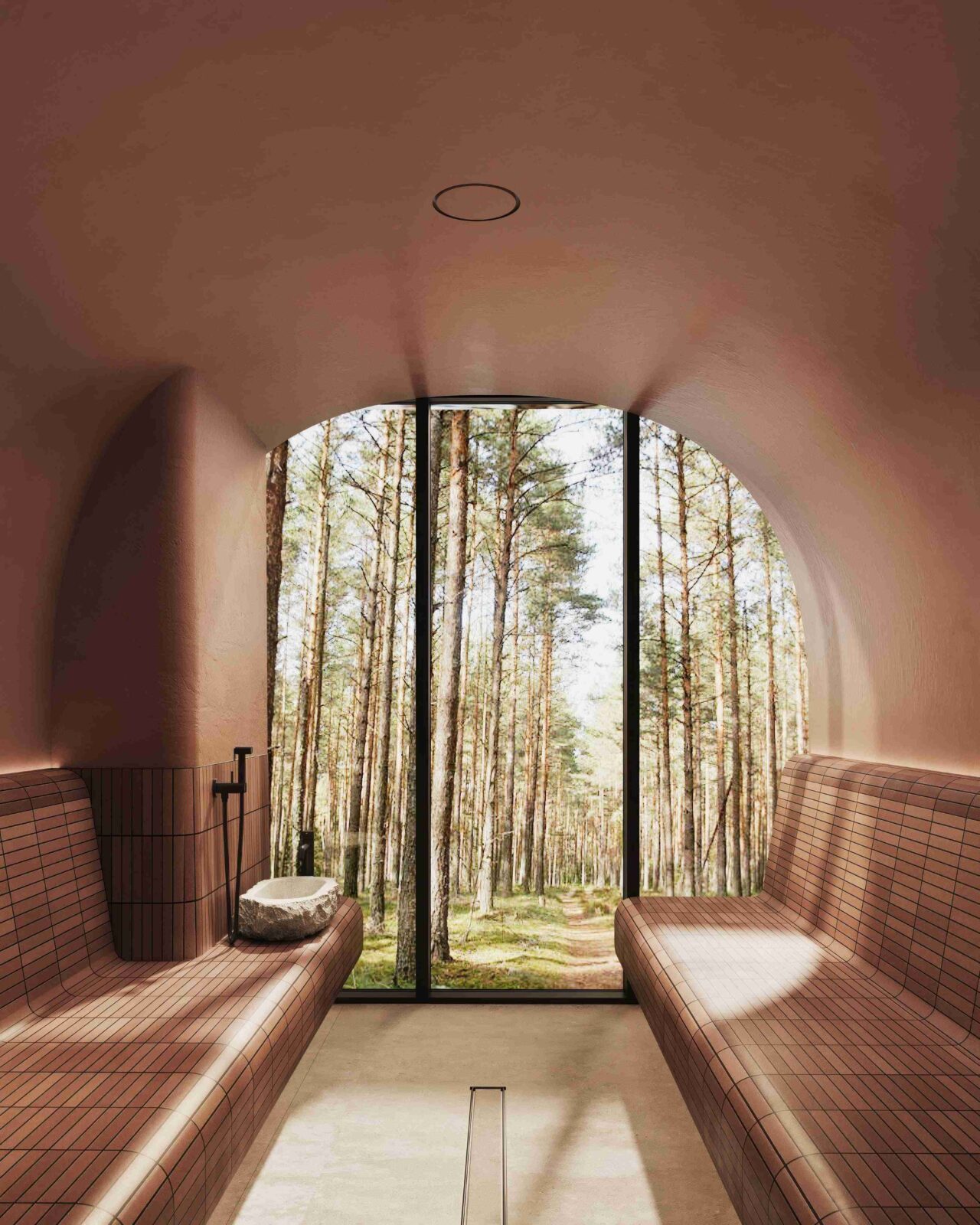
Soft lighting and tactile materials were used throughout the interior, with the designers having included references to the forest through both decoration and architecture. Even small elements, down to the shape of a handle, are considered part of the design, making this one of the most intentional and carefully designed projects in this list.
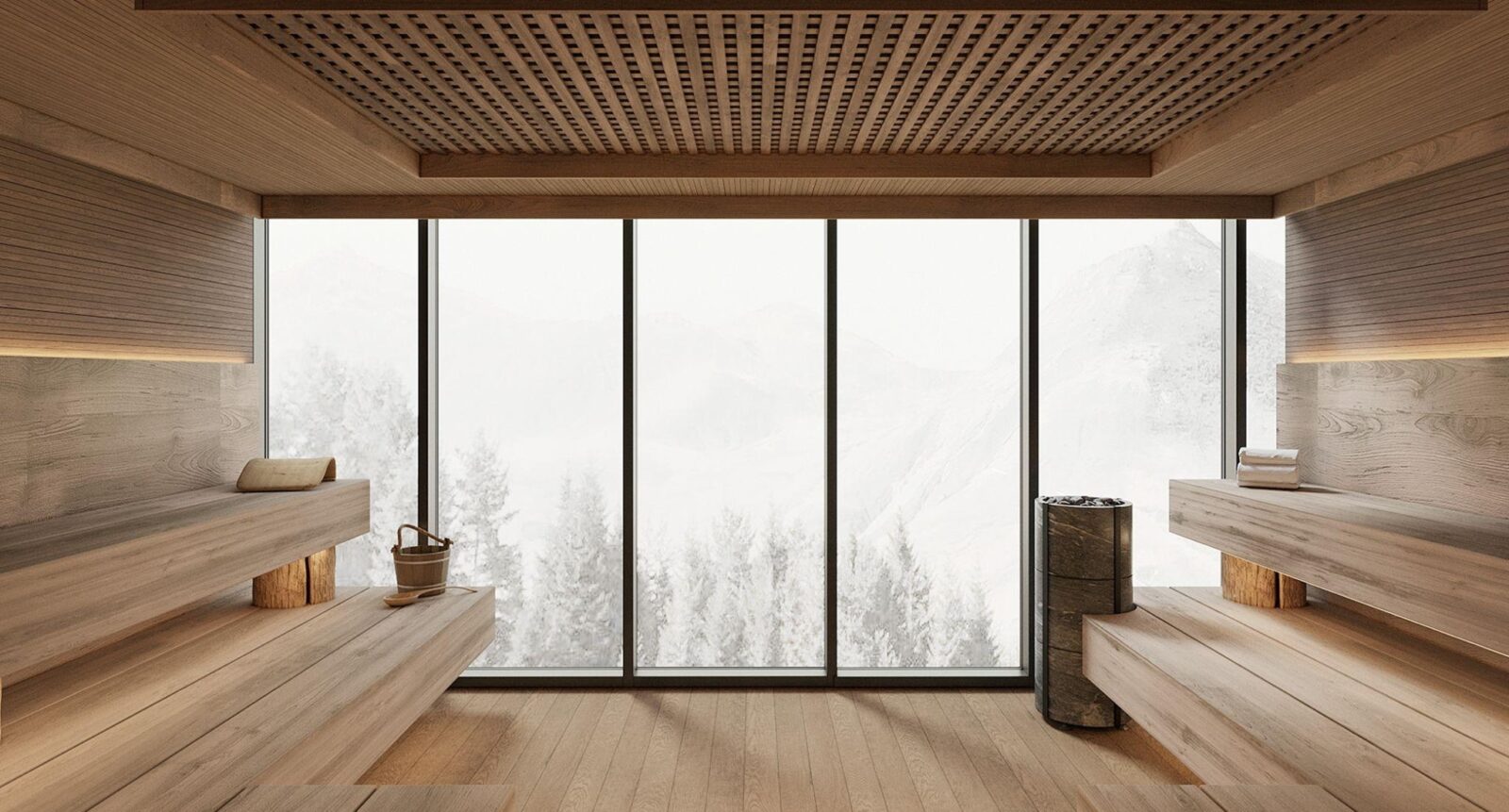
Hopefully, this selection has stirred some appetite for a proper spa break. From restored stone villages and mountain resorts to jungle estates and forest-inspired interiors, this year’s LIV Awards winners offer different ways to step away from daily life, no matter the taste or kind of escape desired.


