



Header: Césáreo Bejar
Some houses are better when they are far away from everything, since, in remote places, they do not need to compete with a street, a skyline or the noise of everyday life. They can be shaped around a very specific vision, a particular landscape and the private tastes of the people who will live in them. That is often where the most memorable houses come from: having the freedom to look like whatever the clients want them to, whether that means opening fully to the sea or stepping carefully through trees.
The latest LIV Hospitality Design Awards winners include a group of houses that perfectly fit this idea. In Greece, Mexico, Thailand and the Dominican Republic, five residences handle their settings differently, showing how architecture becomes more personal when it is designed for a particular site and a particular way of living.
Southwand House
Southwand House is located in Costa Navarino, in Messinia, Greece, a green and blue stretch of coast that houses the Navarino Dunes. Designed by K-Studio as a holiday house for a Northern European family, it is surrounded by olive groves and cypress trees, offering, as a cherry on top, open views of the Ionian Sea. Its name, Southwand, comes from the Northern European habit of resting against a south-facing wall to catch rare sunshine, an idea that was integrated into the design: the house was shaped around the sun, a need for shelter and a passion for outdoor living.
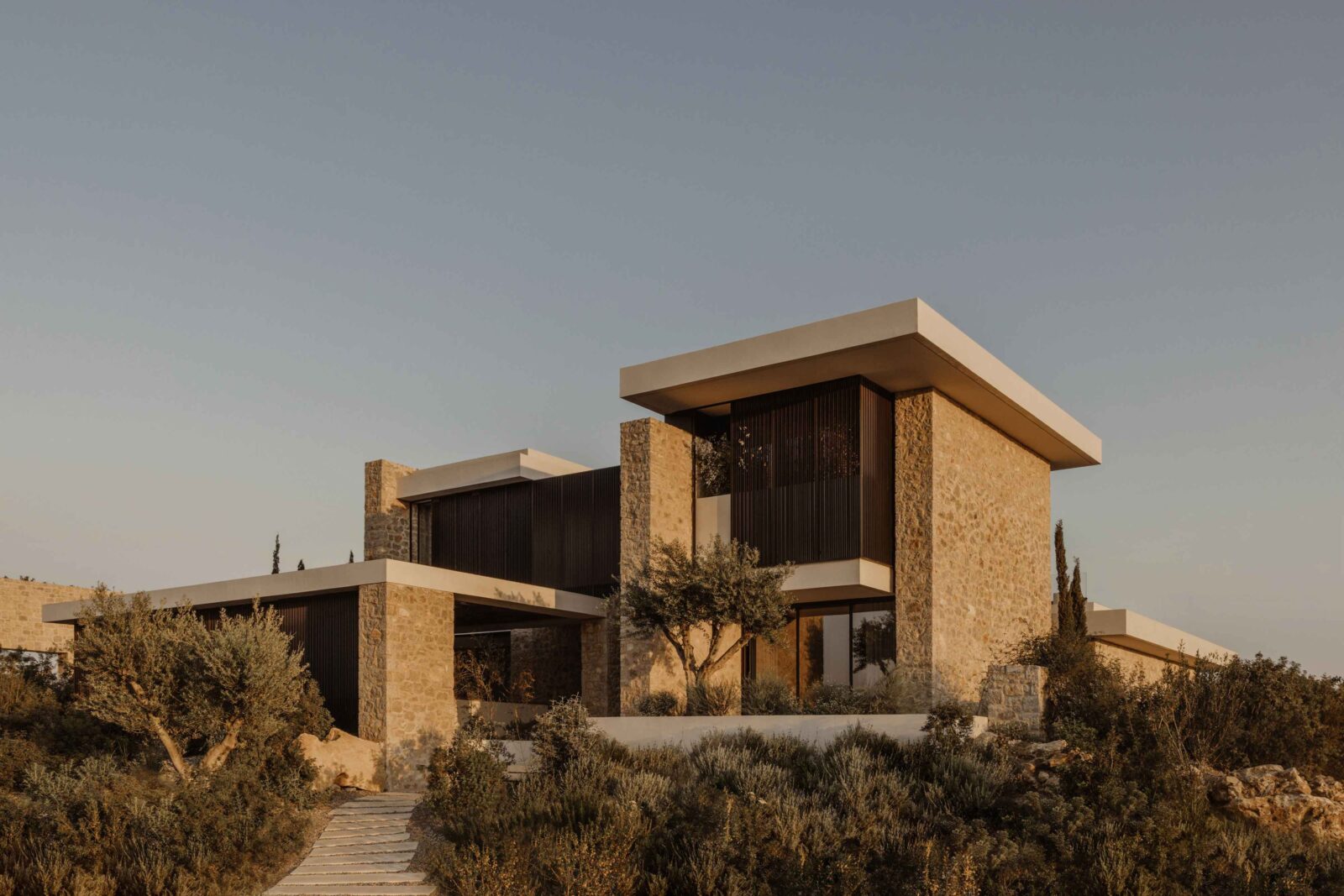
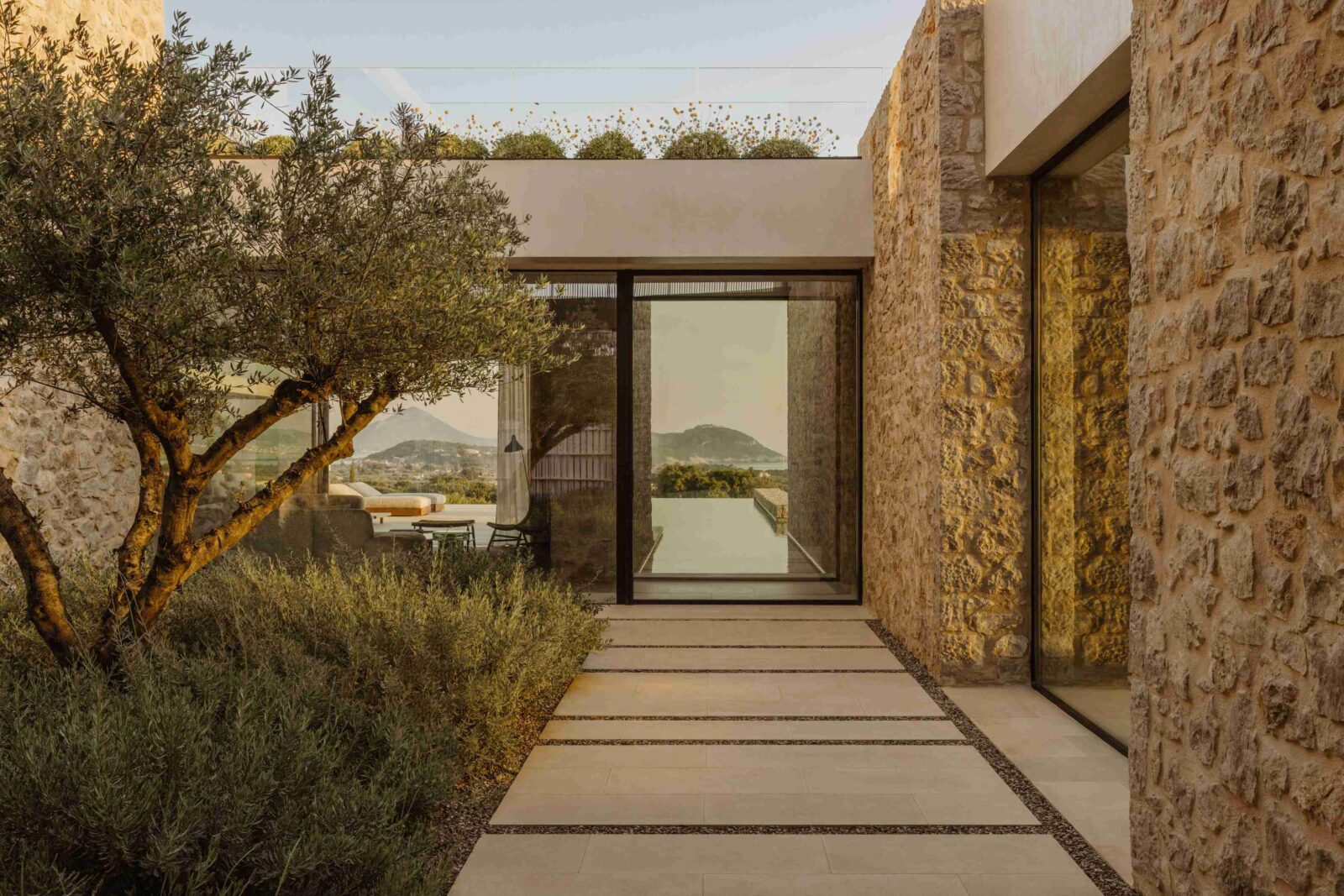
The architectural style was taken from the stone tower houses of Messinia and from the wider aesthetics of Costa Navarino, with K-Studio having used a series of volumes to form the different spaces of the two-storey house, a design reminiscent of the local stone courtyards and narrow passages. For stone, the designers collaborated with nearby quarries, complementing it with white concrete slabs and aluminium glazing to bring in a lighter finish.
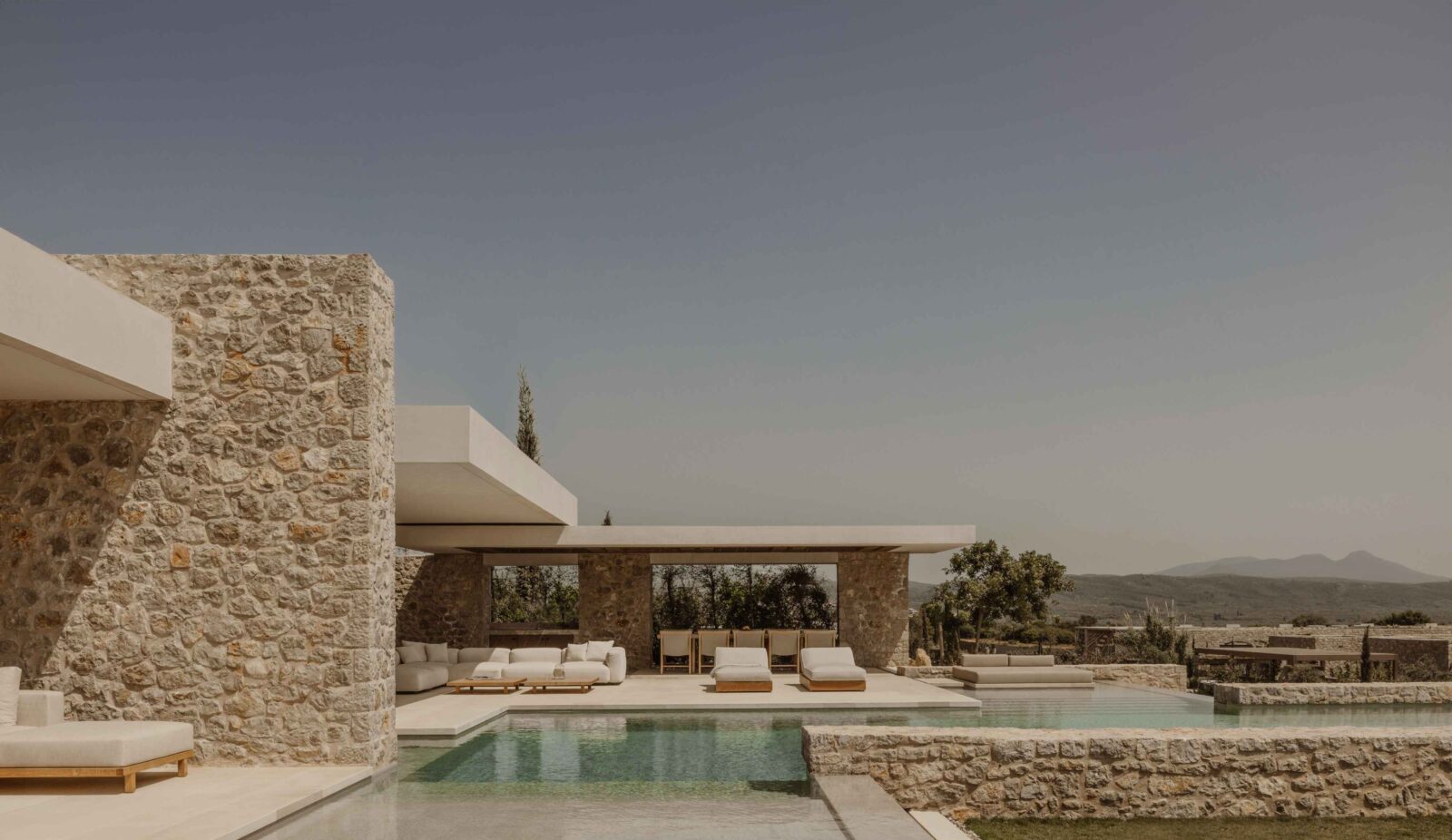
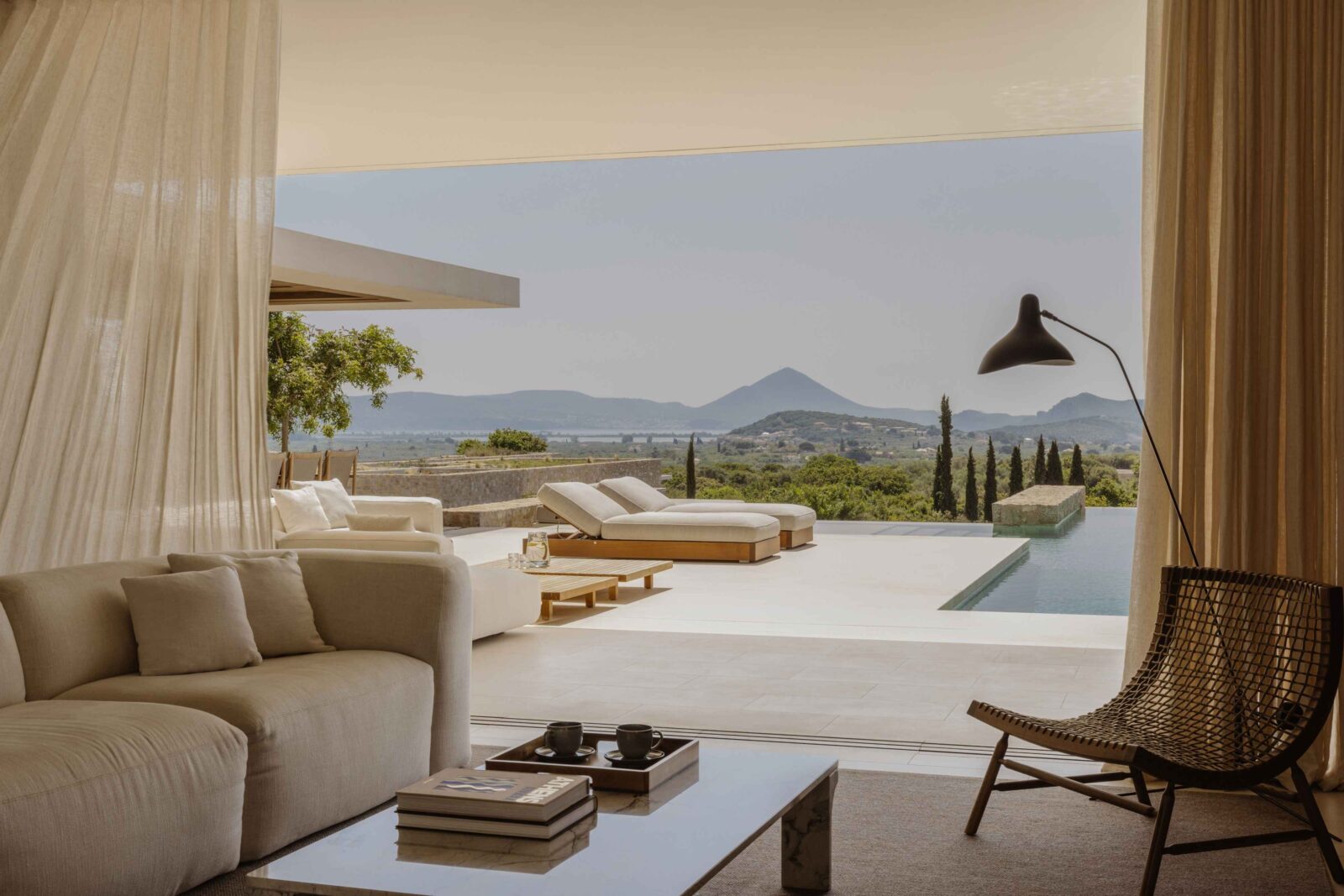
Inside, the layout is divided into social and intimate areas, all of which enjoy beautiful views. The interior design follows the same aesthetic as the one used outside, with each room having been paired with an outdoor counterpart so that daily life can feel more connected to nature. This arrangement suits the family’s active lifestyle and makes the house dynamic, offering a retreat for any activity, no matter the time of day, due to its various shaded rooms, open terraces and the panoramic views.
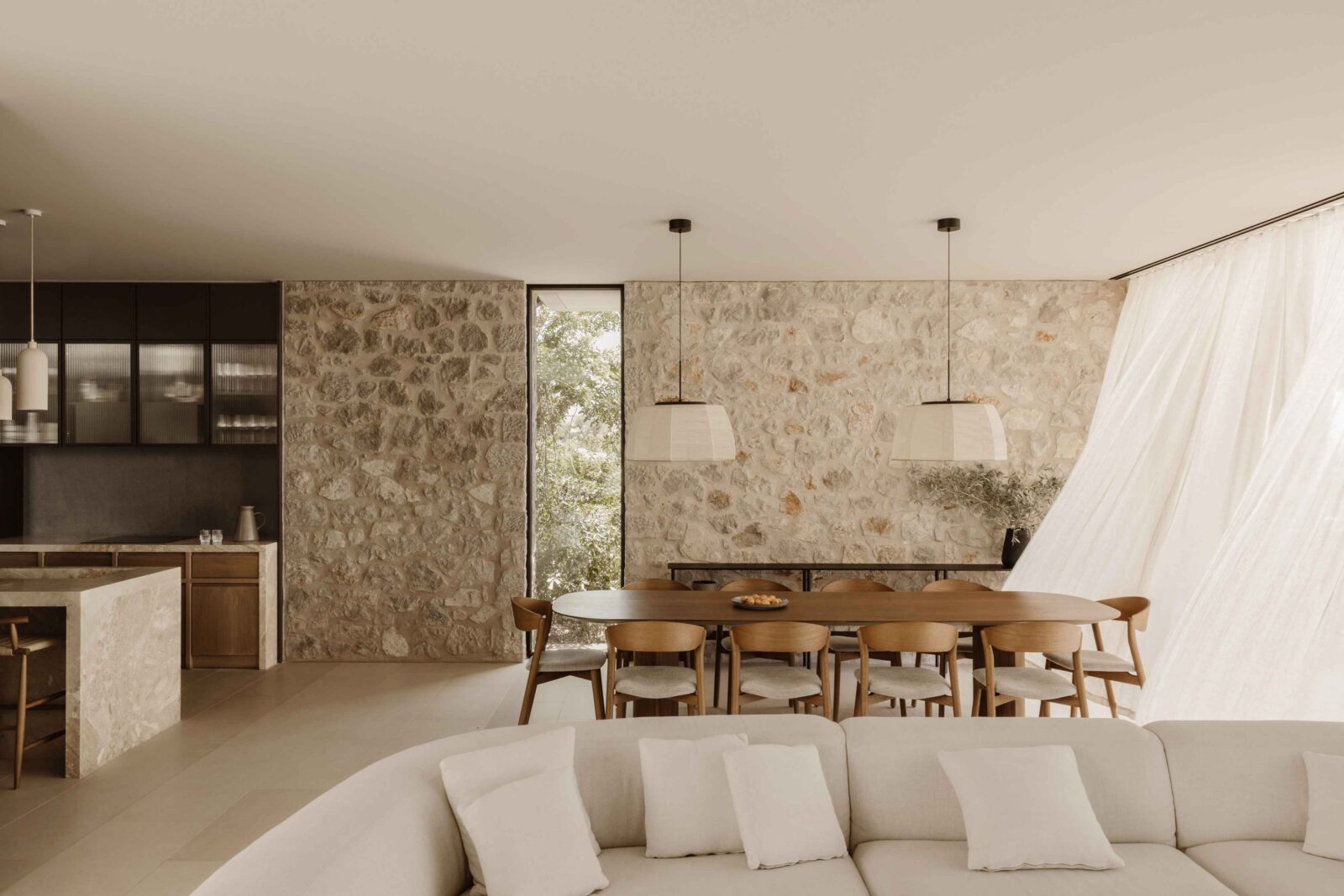
Casa de al Lado
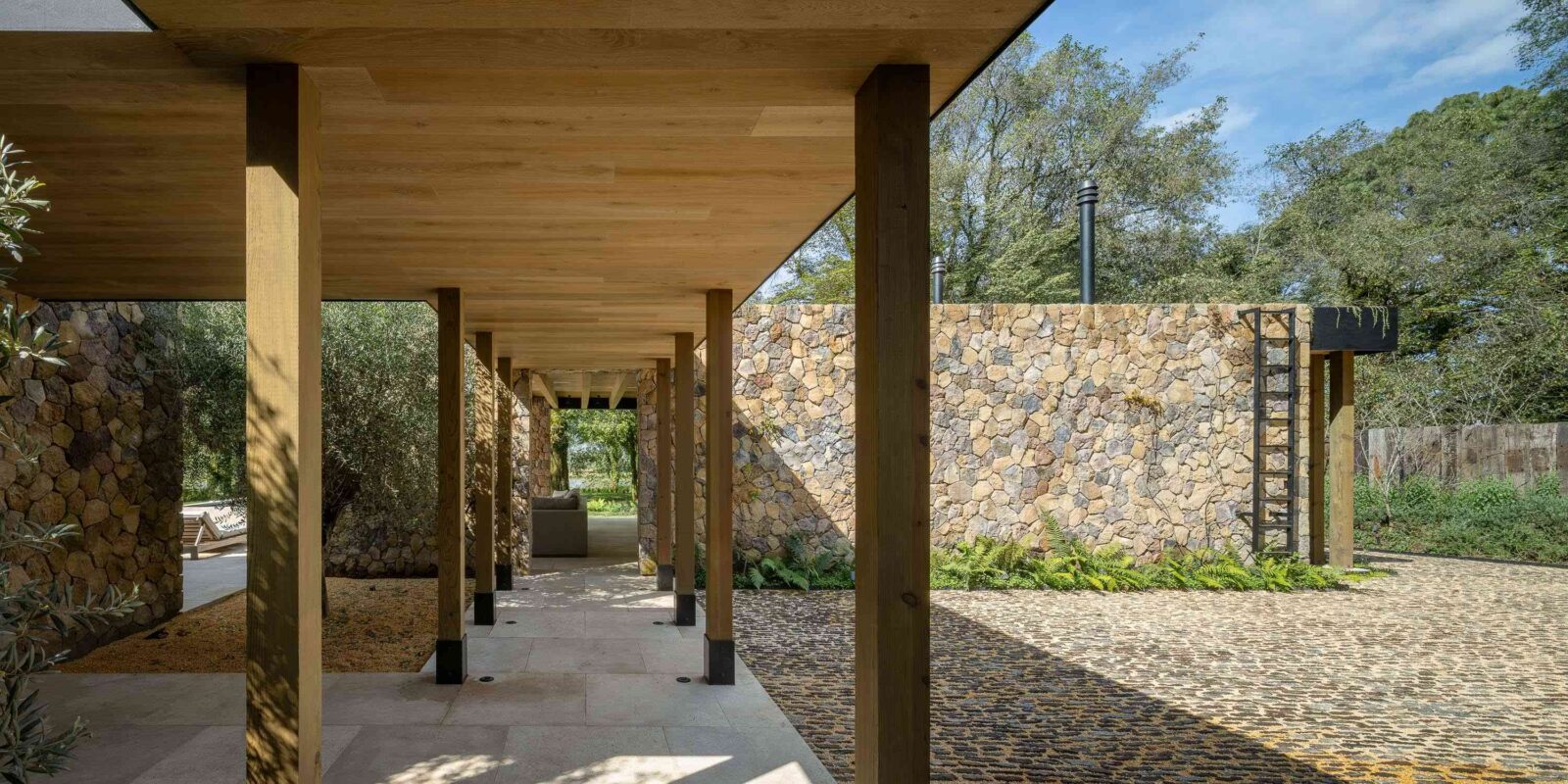
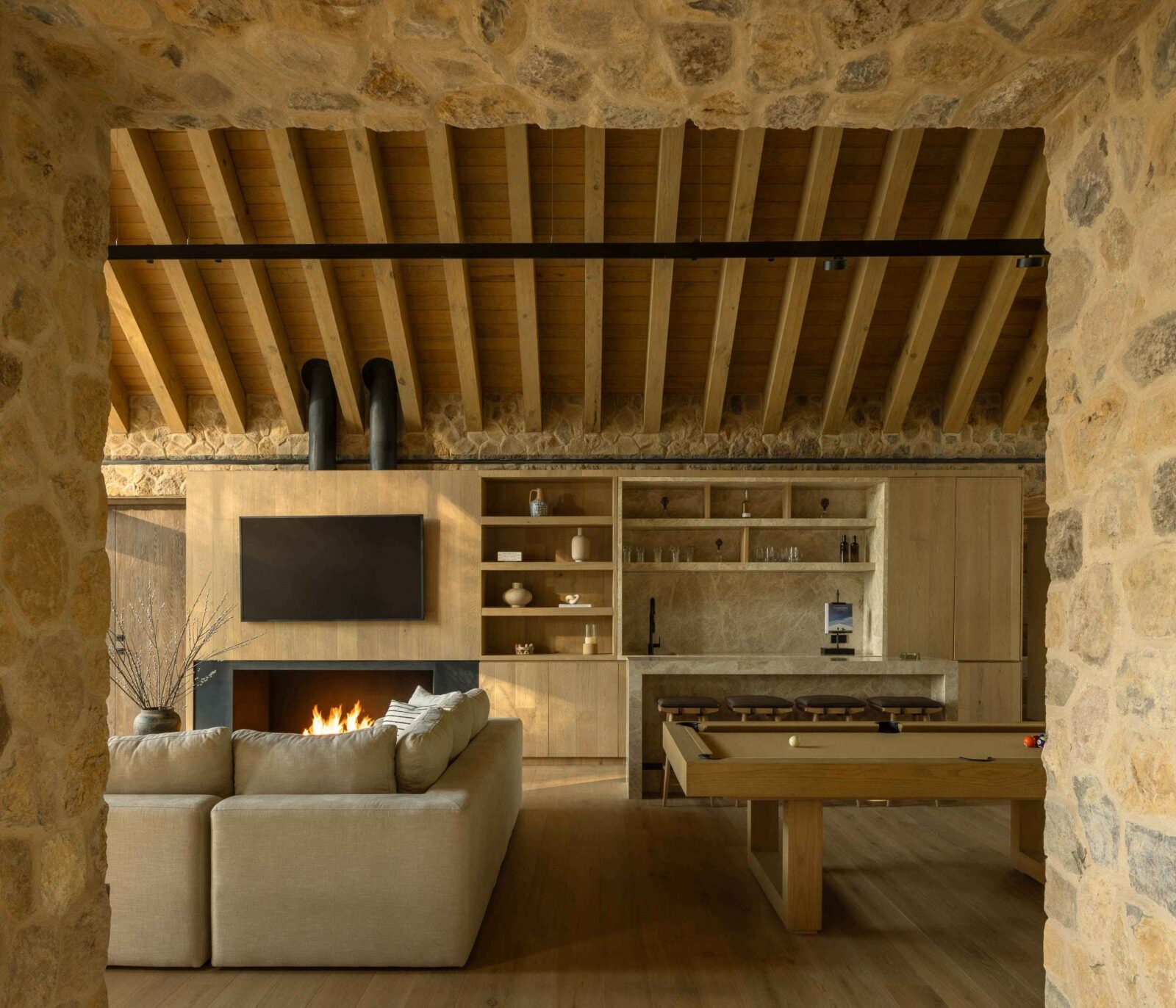
Casa de al Lado is a rustic home in Rancho Avándaro, Mexico, designed by studio Chain + Siman to open out to the landscape. Here, trees, natural light and long views shape much of the atmosphere, almost creating a soft film around the house, while an old open-air irrigation channel was saved in an effort to keep a layer of the site’s history.
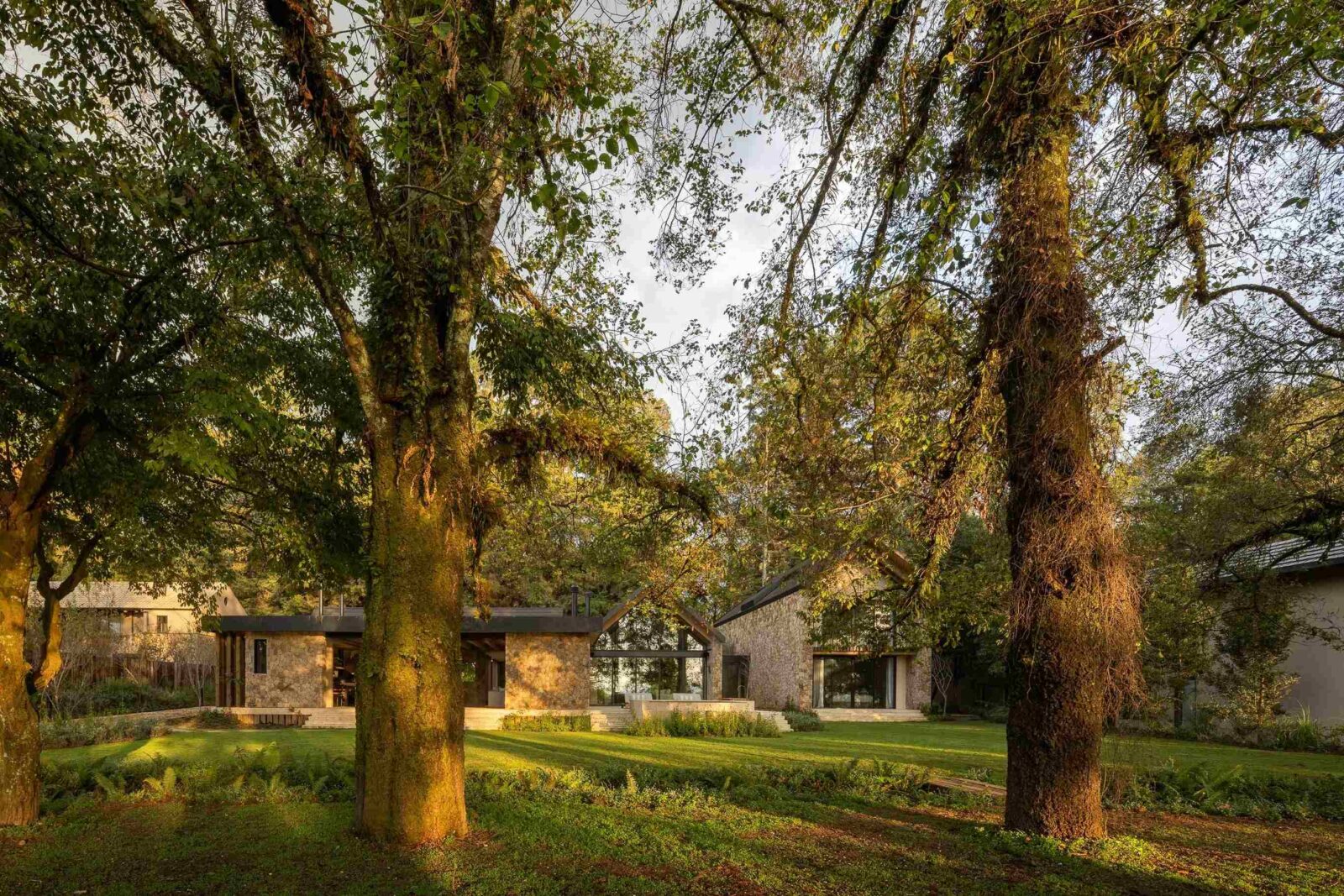
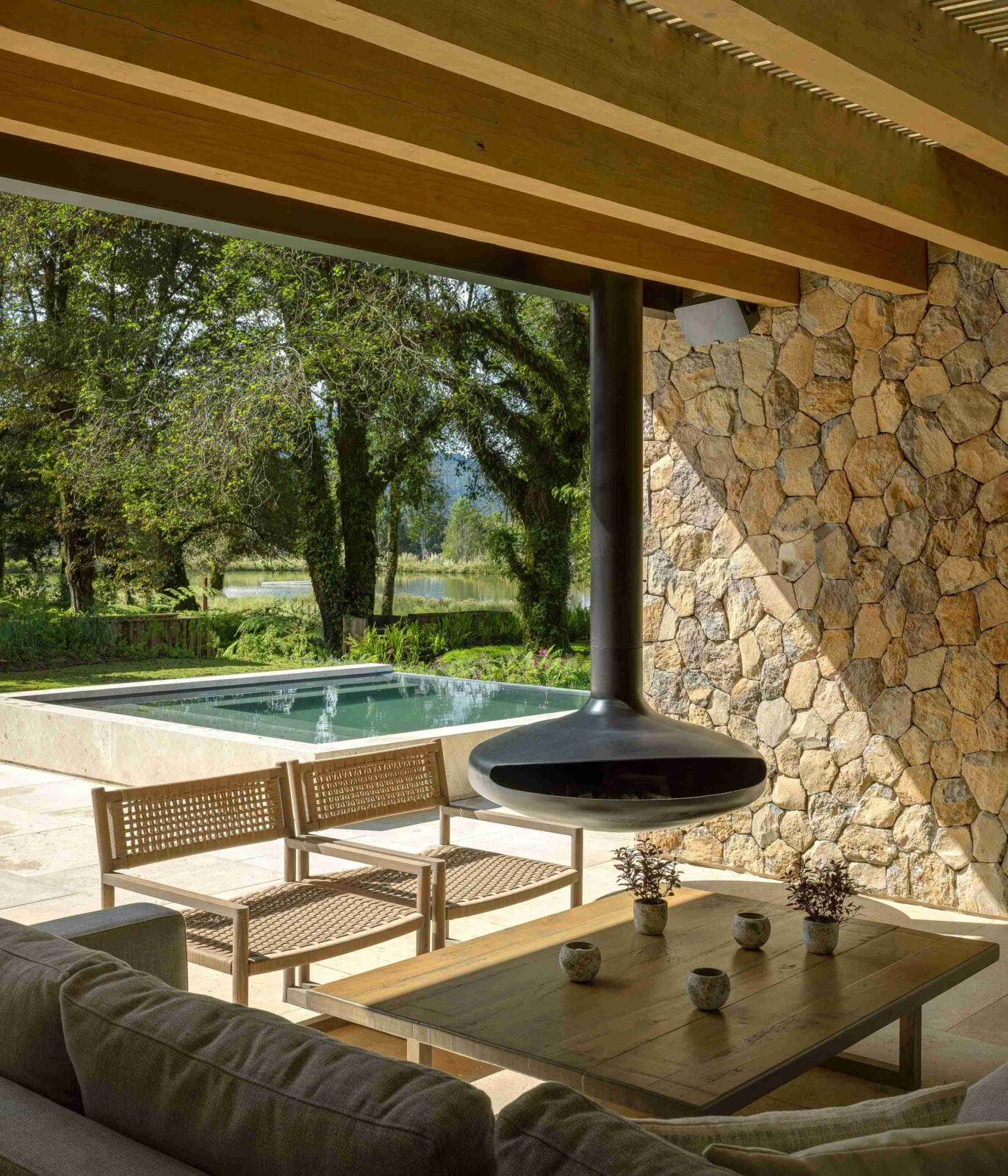
The house is split into three volumes. At the centre is the main shared living area, where a double-height ceiling makes the space feel open, a feeling complemented by the framing of views to both the east and west. From here, a glazed corridor leads to the bedroom wing, where four bedrooms can be found across two levels. Beyond it, a covered terrace opens the house further onto the garden.
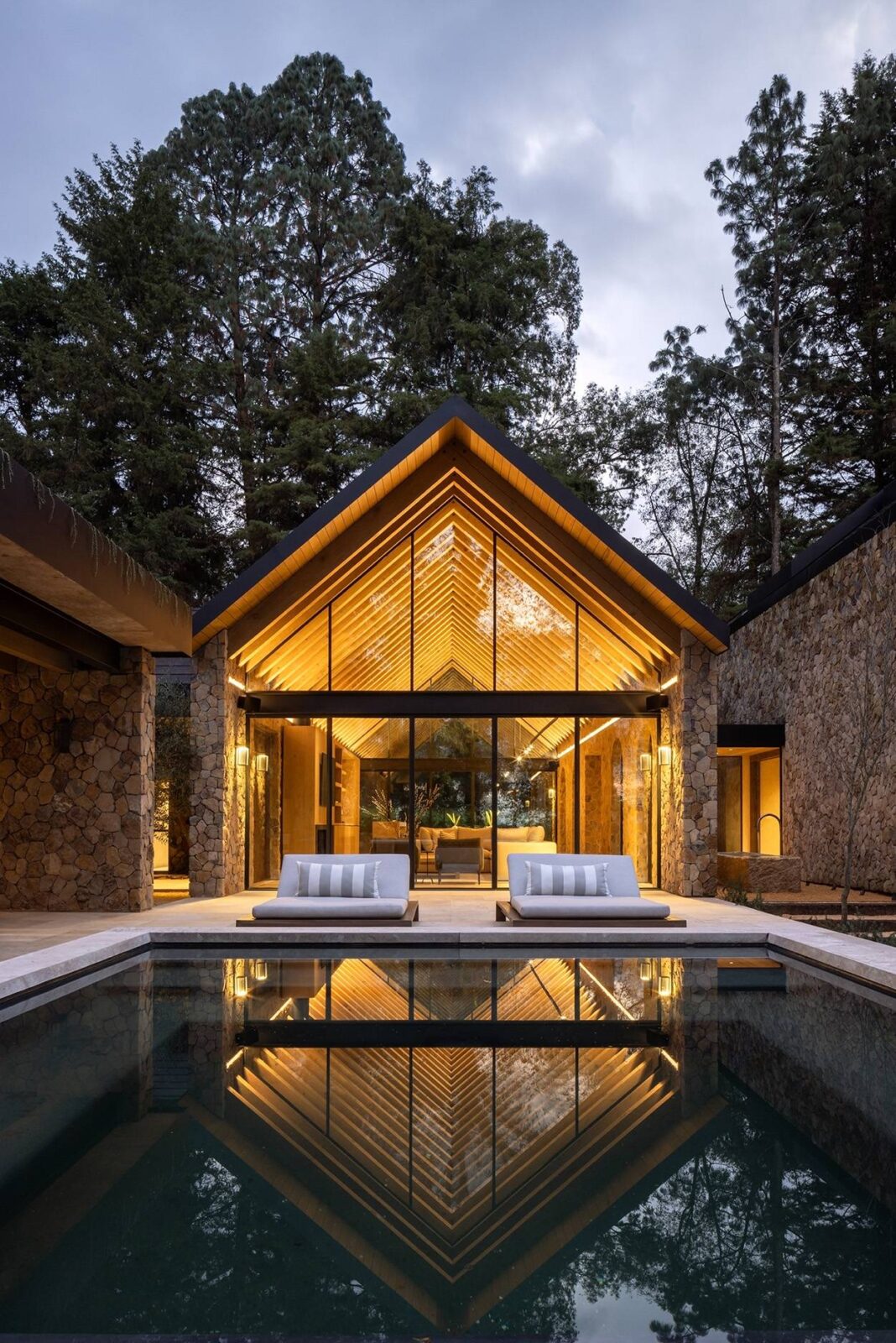
The materials chosen for the design, both indoors and outdoors, were carefully selected to fit with the colours and textures of the landscape. Carved stone is dry-set on the exterior and grouted indoors, exposed timber beams and timber planks line the ceilings, and the interior is covered in pale wood tones. Outside, olive trees and ferns were planted as a reference to the local flora, and passive design measures help regulate comfort across the house.
Sea Renity Samui
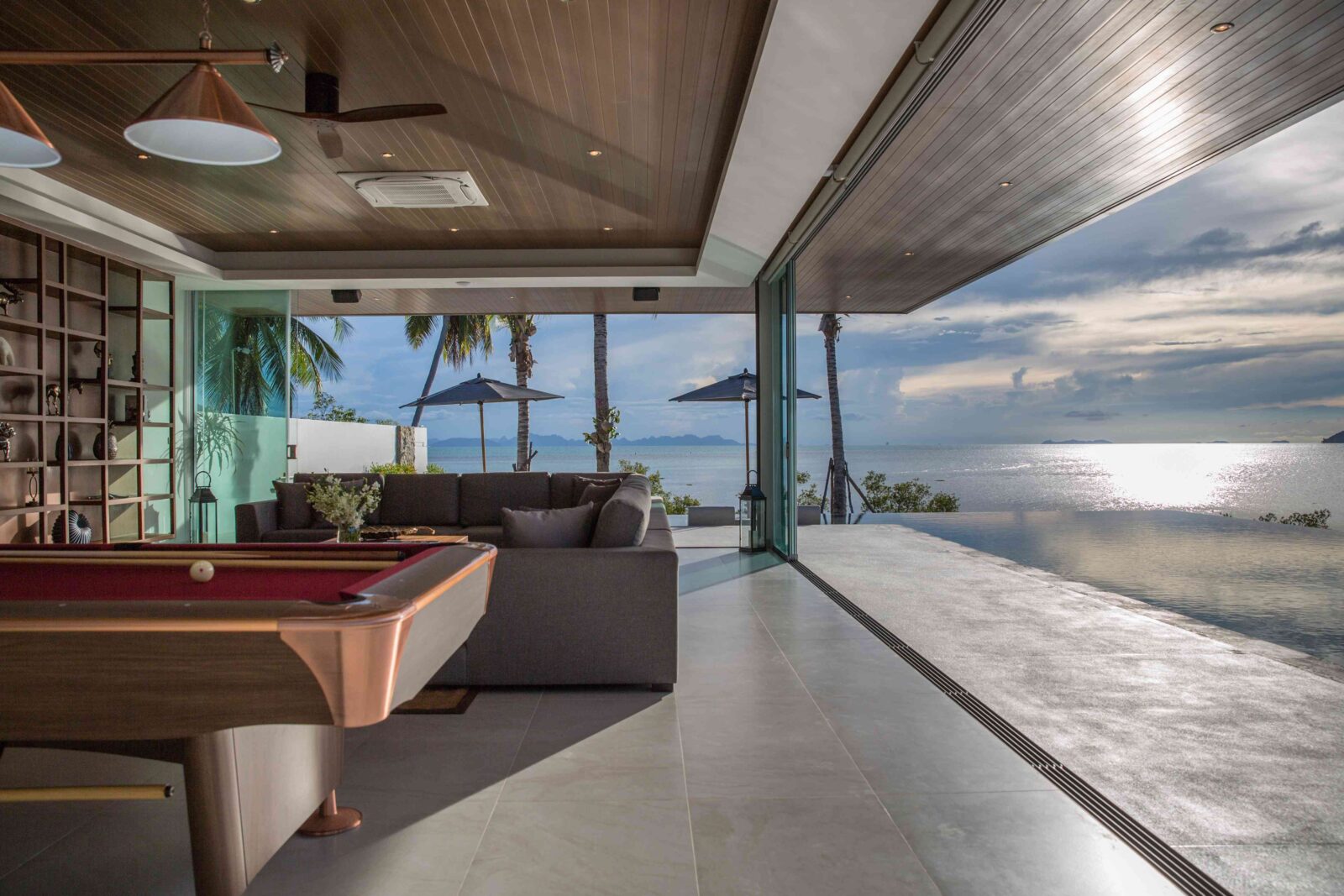
Sea Renity Samui is a beachfront property in Koh Samui, Thailand, that offers residents beautifully colourful sunset views towards the neighbouring islands. Designed by Fractal – Architecture & Design, with interiors by Orachat Watcharaopas, the villa is located on a 90-metre site that slopes towards the sea. The land is home to a series of natural coastal settings, from lagoon and reef to mangrove, beach, rocky shore and low tropical planting, all shaded by mature coconut trees.
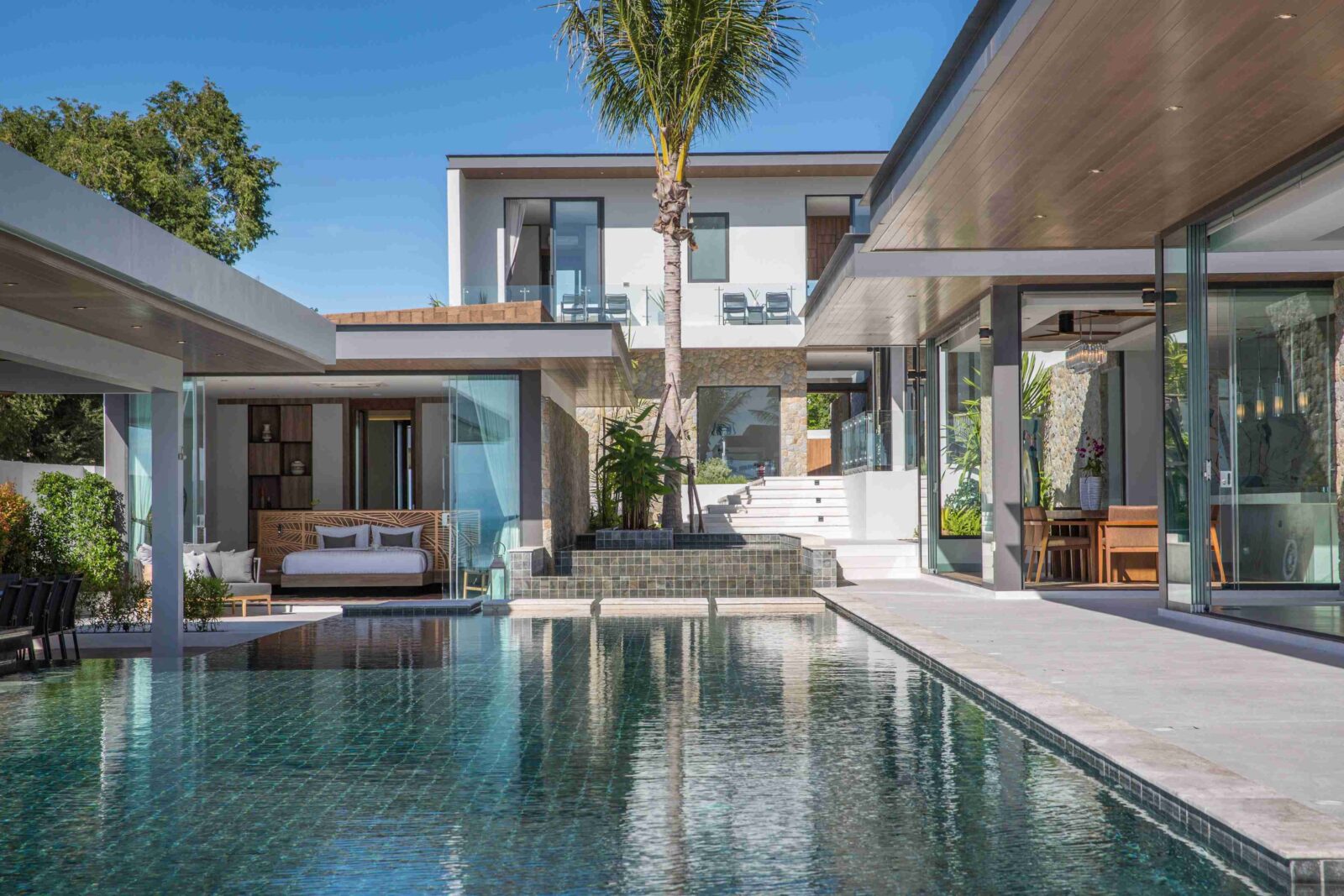
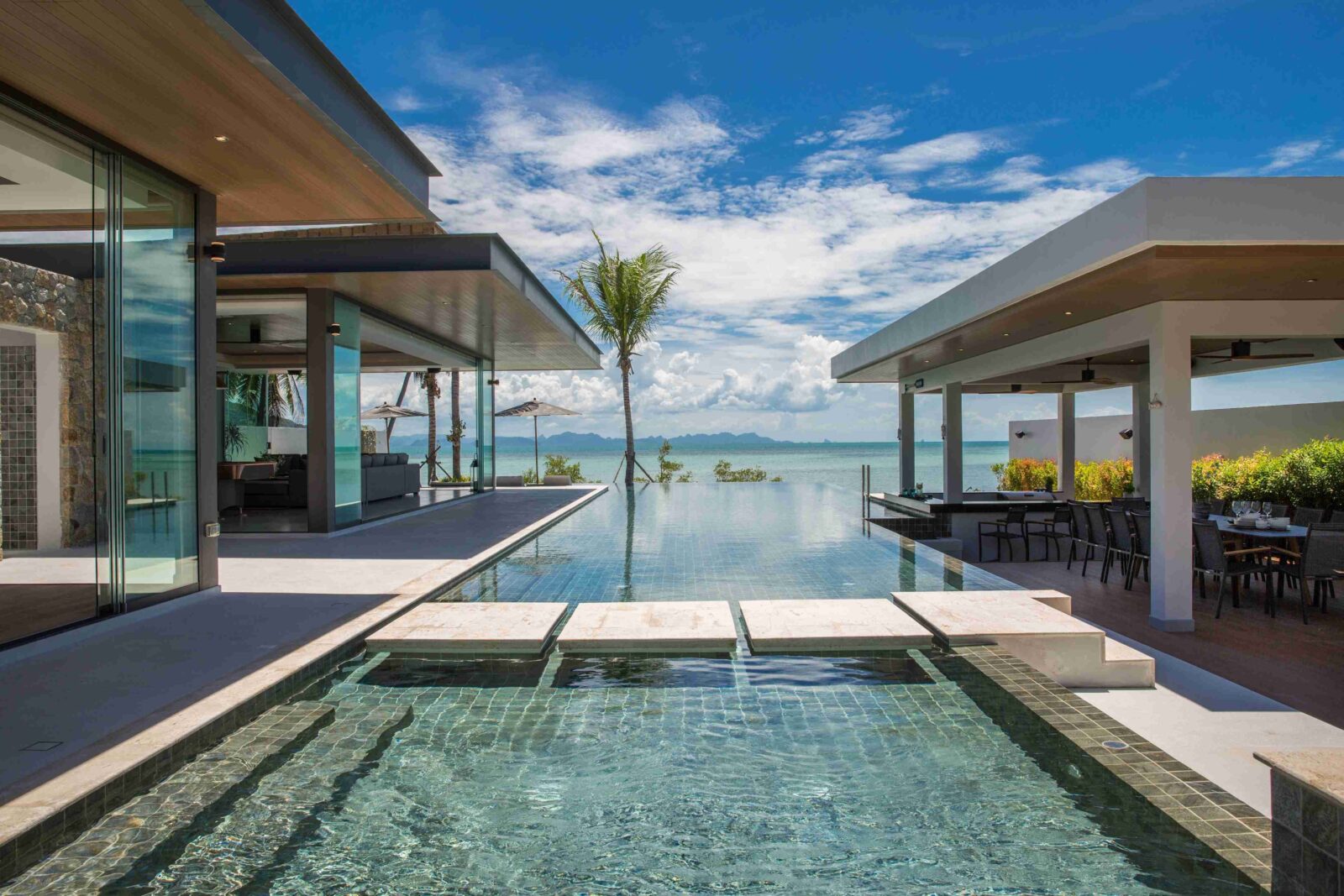
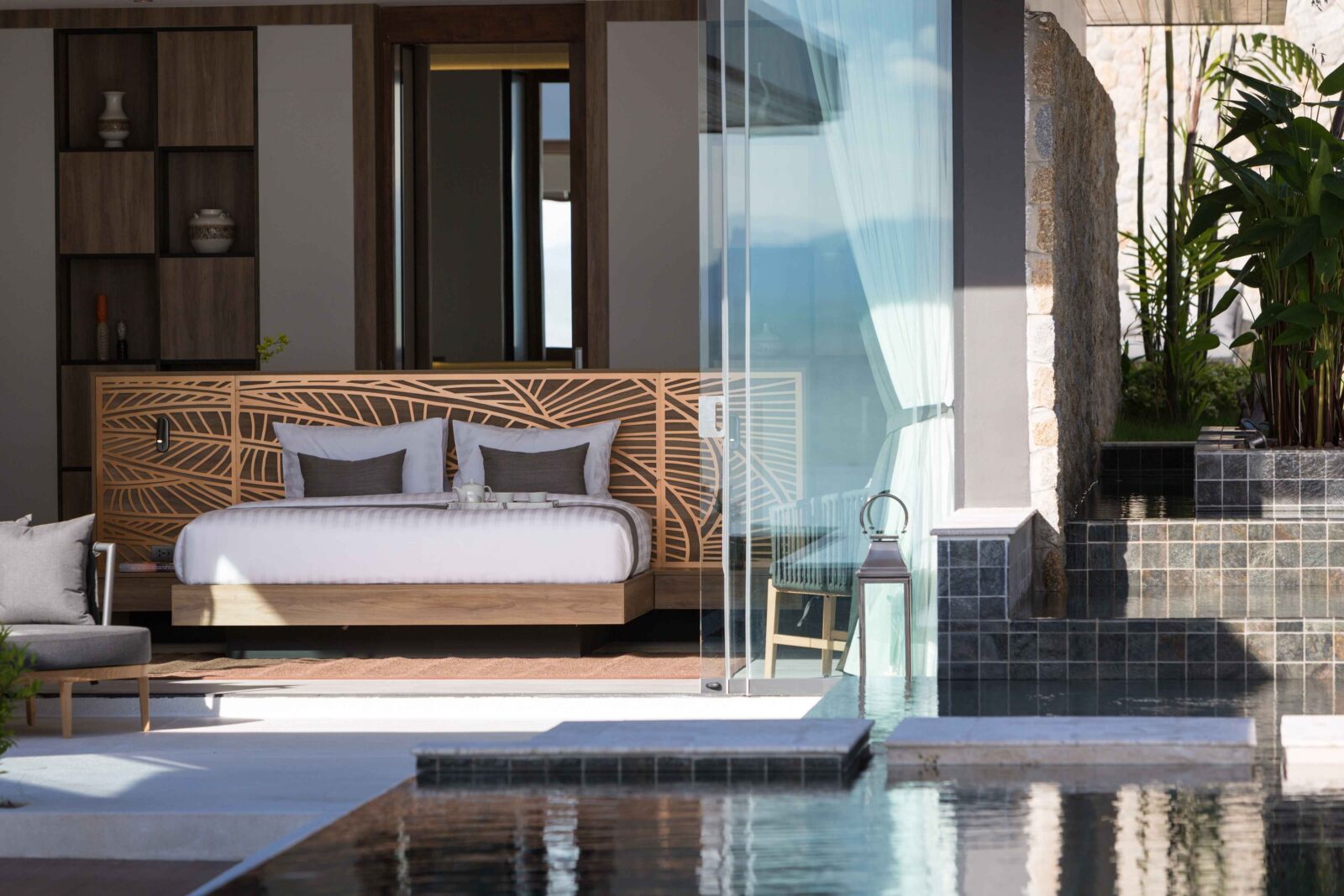
The villa follows the slope of the site, with its rooms stepping down gradually towards the sea. The pavilion roofs were designed to be light, appearing almost weightless, while beneath them, timber-lined soffits and large panes of frameless glass open the interiors to the sea and surrounding flora.
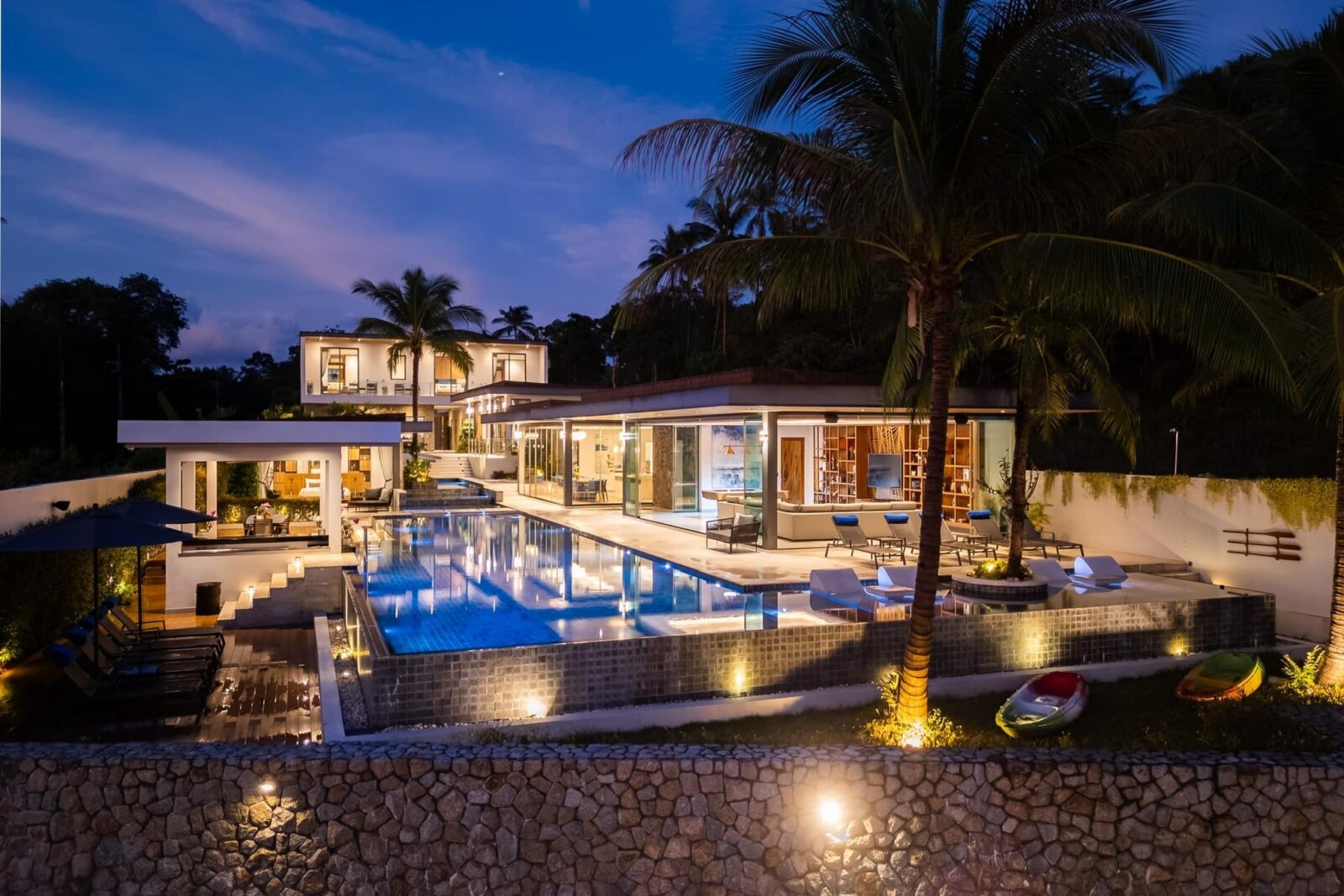
A long granite wall runs through the property, separating the more private areas from the shared spaces, and, from the entrance, draws you down towards the sea-facing pool. This wall also screens service areas and enclosed rooms, such as the massage sala, indoor cinema, sauna and pool shower.
Casa del Mar
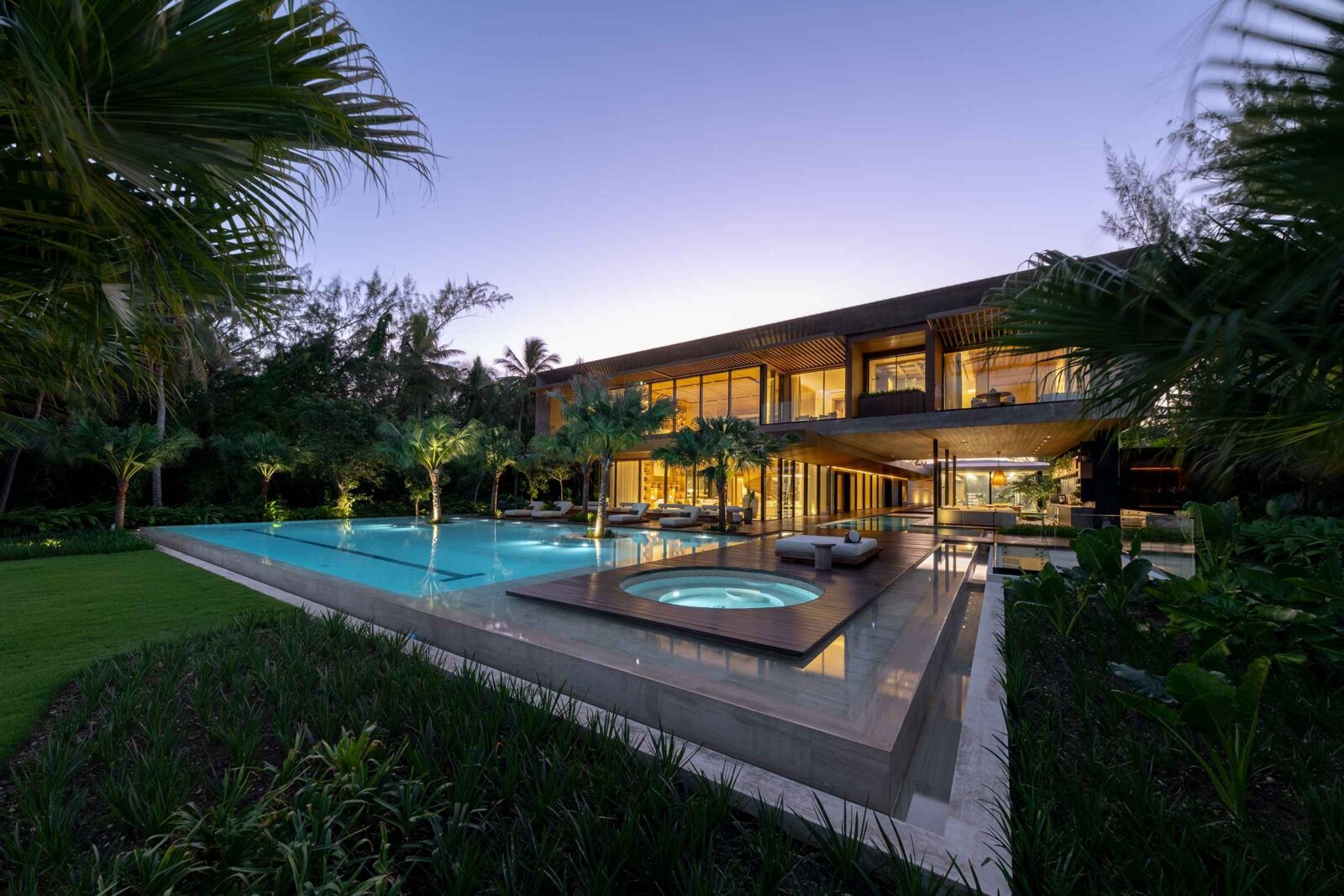
Casa del Mar is another beachfront, this time in Juanillo, Cap Cana, designed around the mix of house, garden and sea. Designed by Alejandro Acebal, with interiors by El Estudio Store and Restoration Hardware Toronto, the house is composed of simple overlapping volumes that make it feel open and, therefore, connected to the surrounding tropical setting.
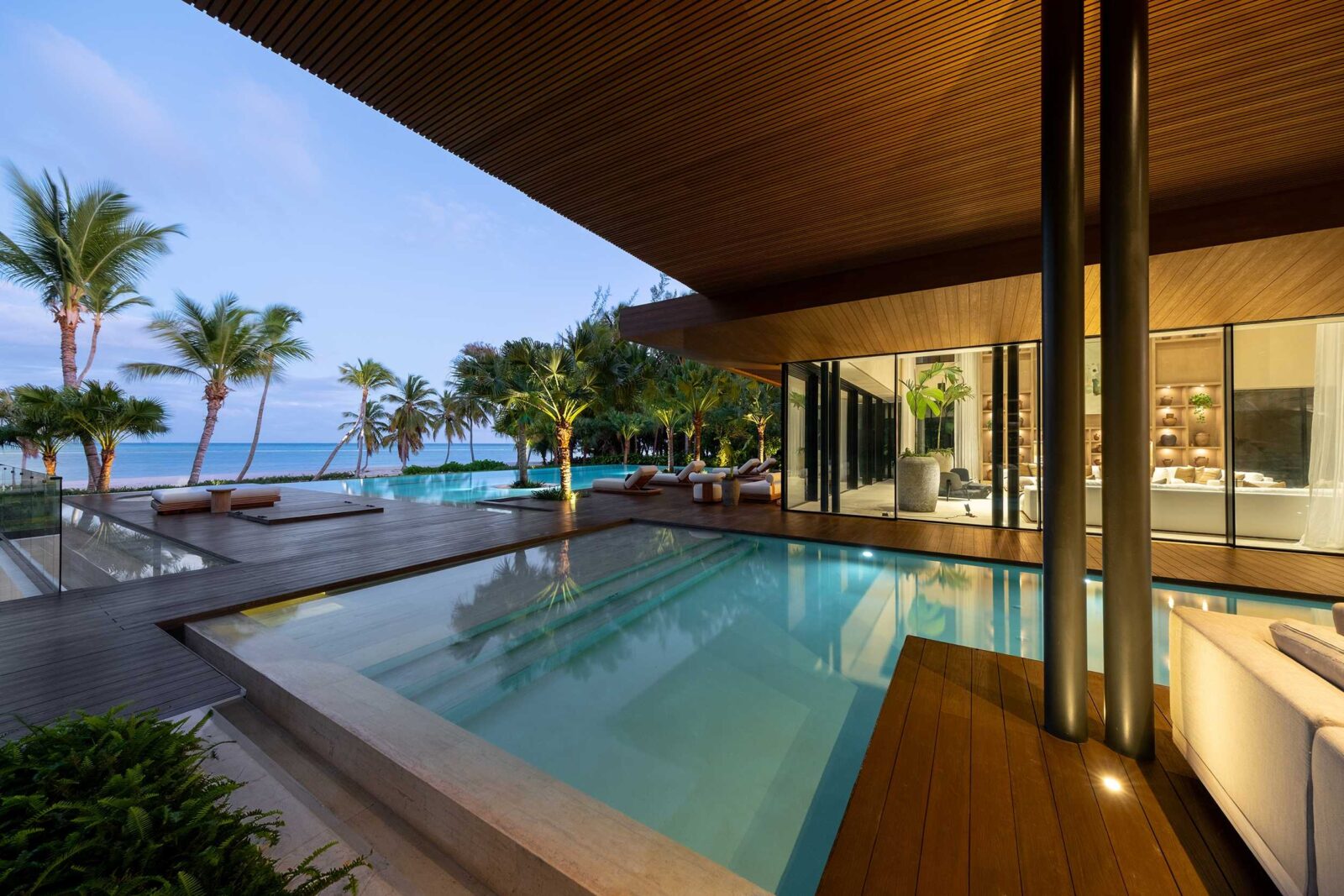
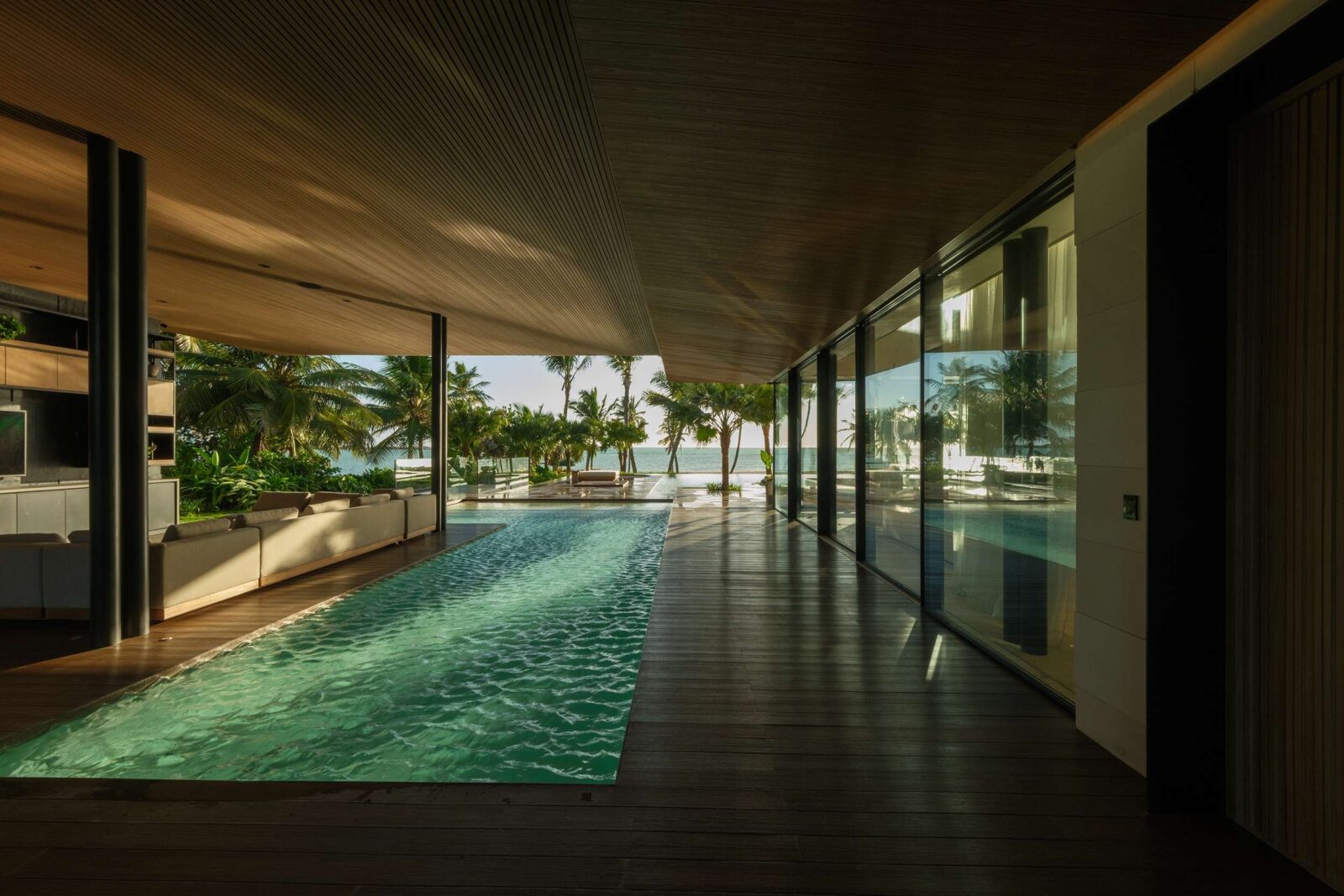
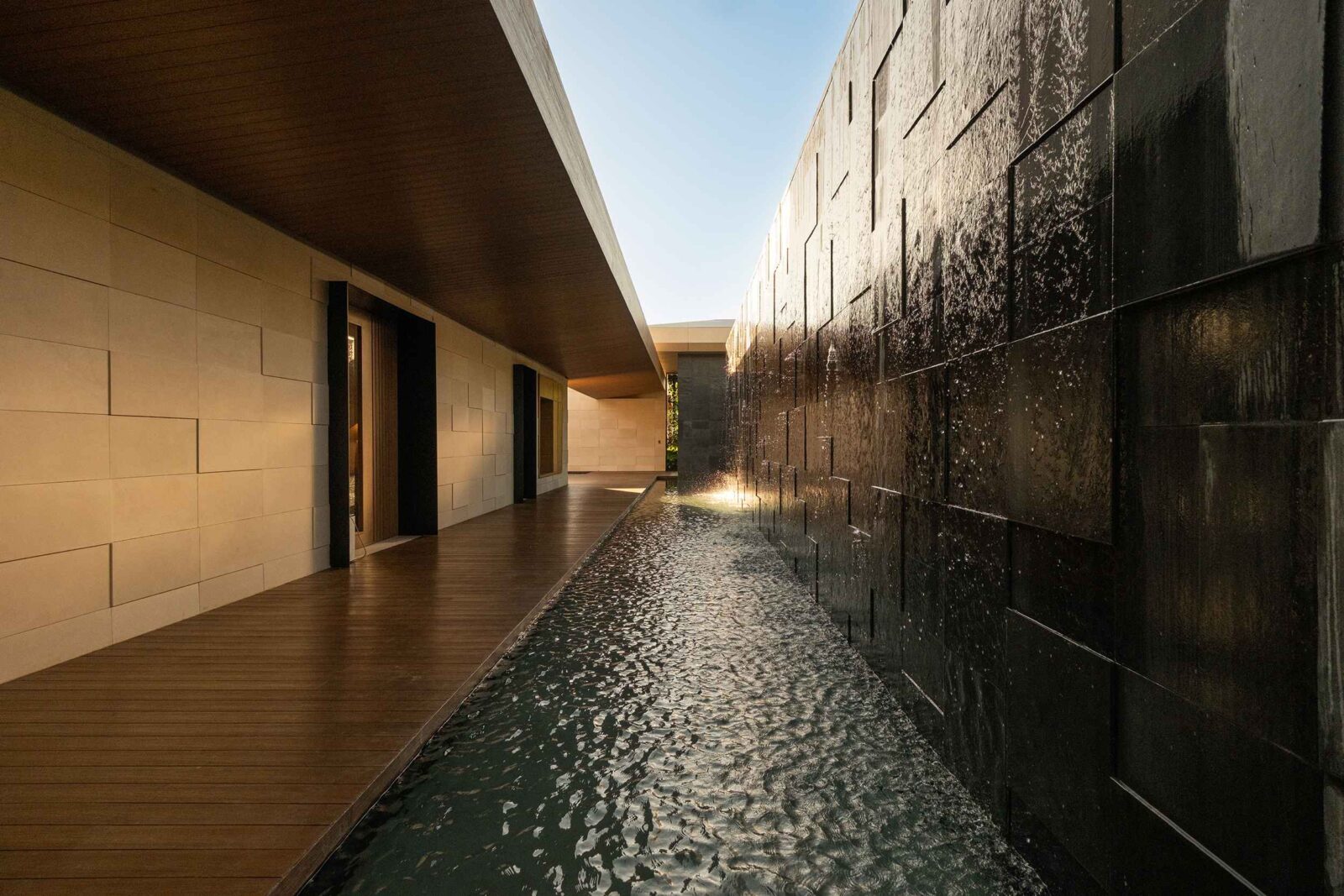
A timber entrance door made of movable panels welcomes visitors in, who, from there, must follow a path through water, tropical plants and a stone wall. After a bit, the visitors arrive on a large covered terrace facing the ocean with a beach-entry swimming pool finished in pale beige tones, where the main outdoor living area is.
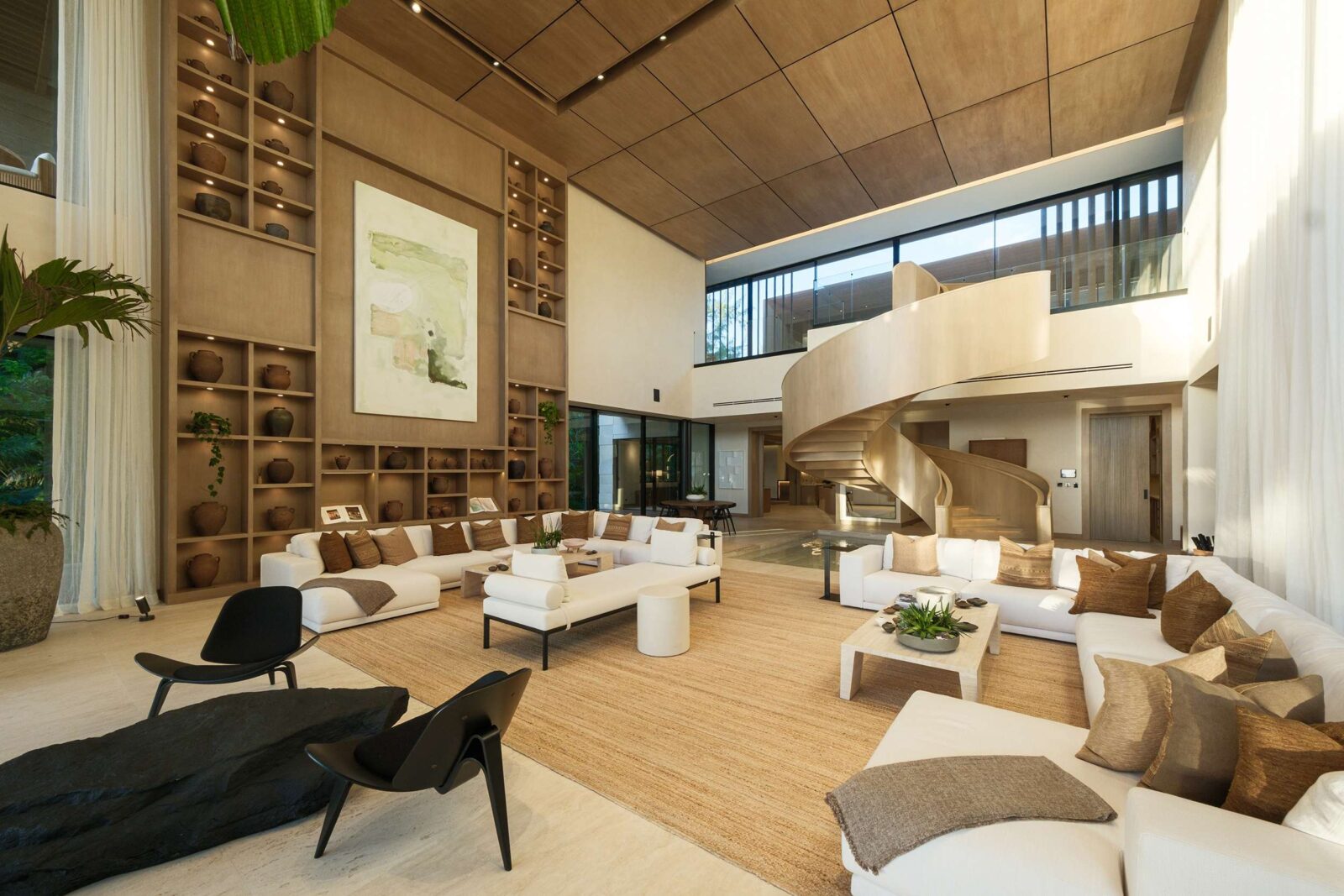
Inside, large windows and double-height ceilings allow for incredible views of the landscape, with natural light, and these panoramic framings are only made better by the terraces, gardens and pools that extend from the rooms.
Oaxaca Residence
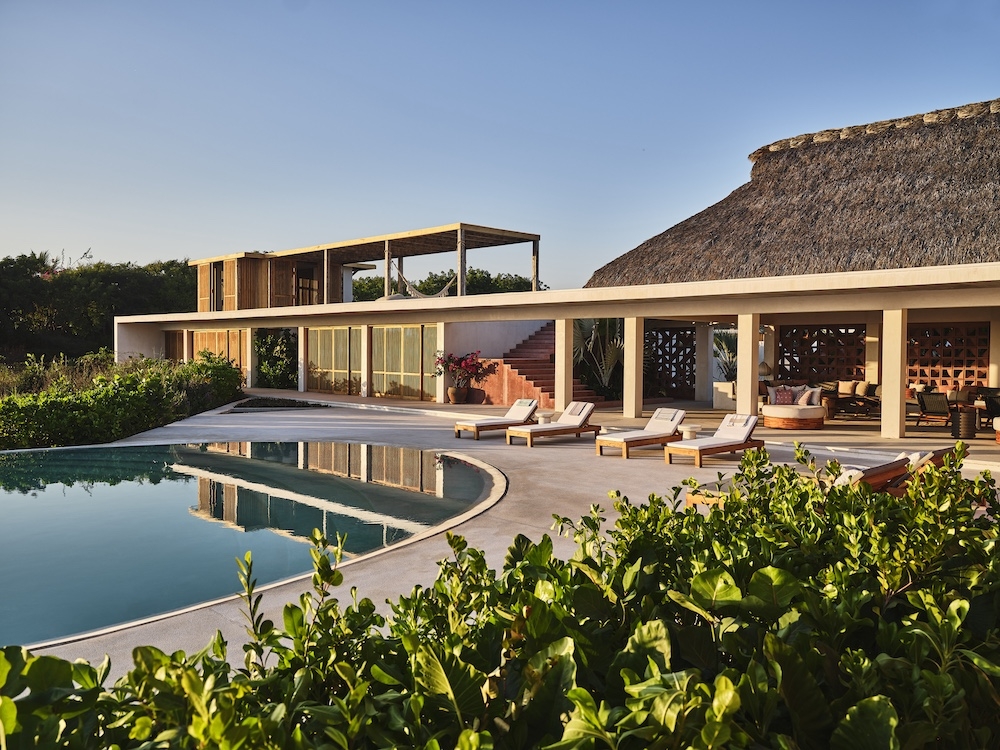
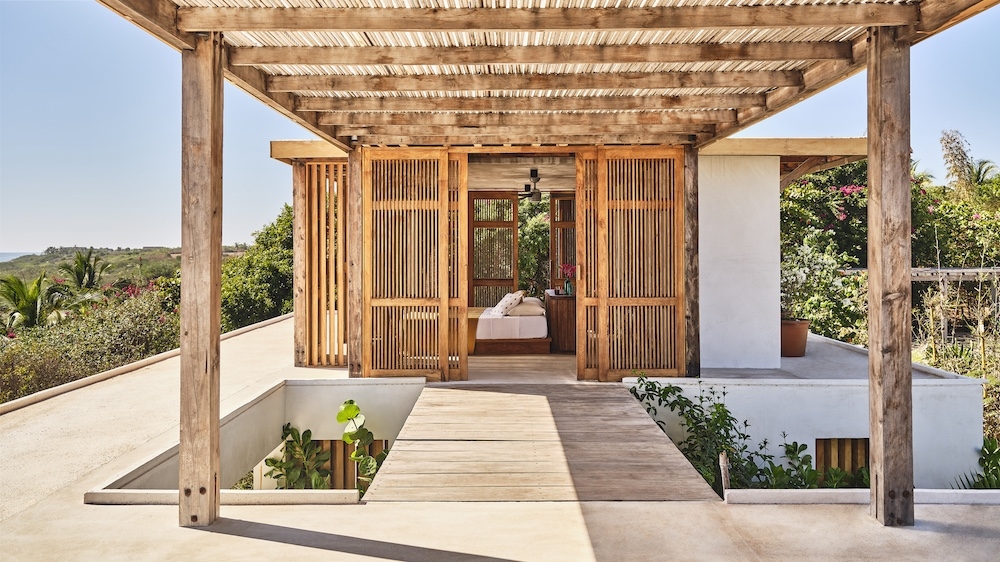
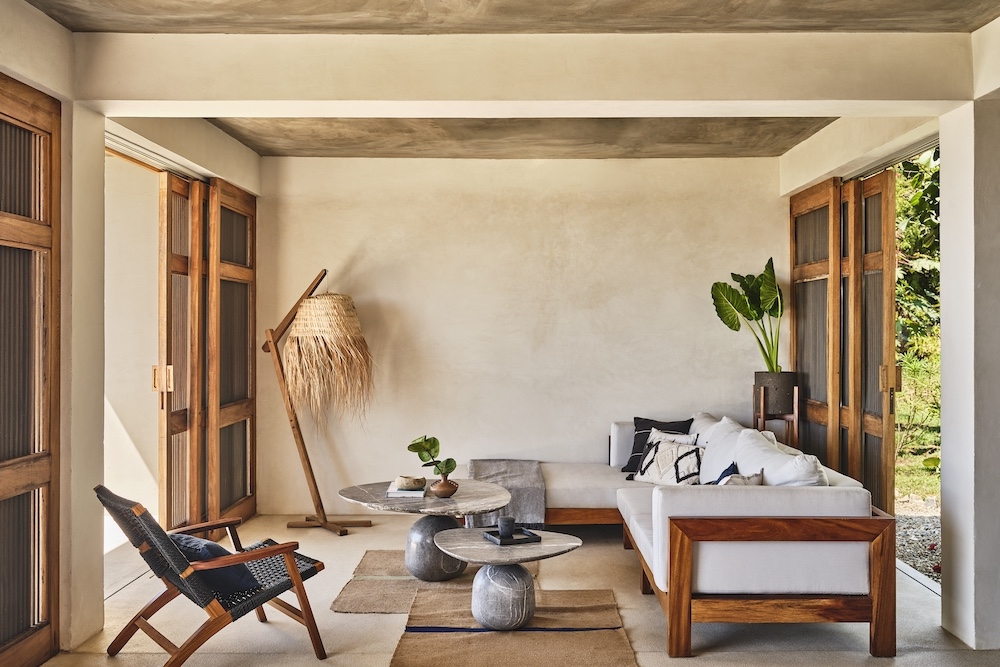
At Oaxaca Residence, designed by Meyer Davis, rather than filling the rooms, the team attempted to stick to only the bare minimum, relying on built-in elements, simple forms and a colour palette inspired by the surrounding landscape. White walls catch the light as it shifts through the day, while terracotta tones and sand pigments bring warmth to the pool, staircase and interiors.
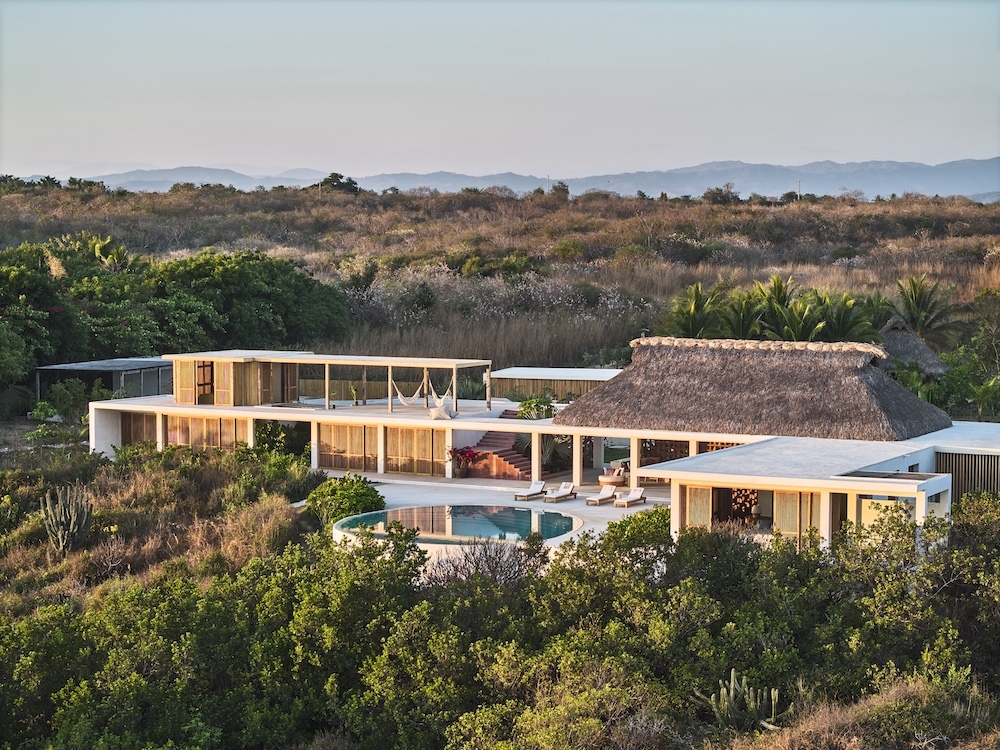
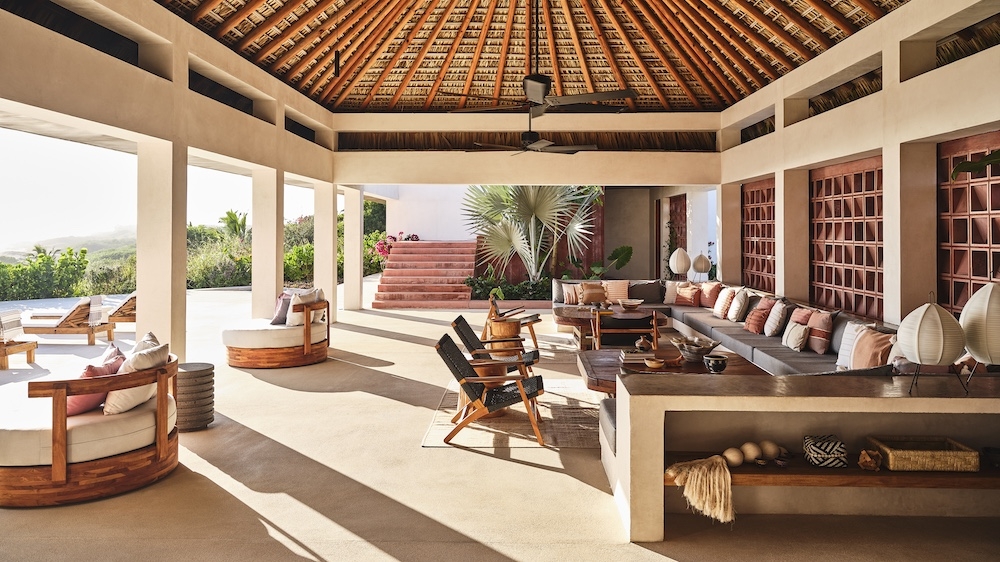
The house was deeply inspired by both the palapa (a traditional Mexican building type that uses dried palm leaves) and Mexican modernism. Breeze blocks were used to filter air and light, creating, at the same time, geometric shadows that change from morning to evening. Inside, Meyer Davis used pottery, textiles and rugs by Oaxacan makers, using them to bring some character to otherwise simple spaces.
Far from cities and built around very particular lives, these houses show how much character a remote setting can give to a home.


