
Header: Arman Farahmand
Furniture today is no longer just about function or decoration; it is a direct reflection of how we live. In 2026, as homes become smaller, lifestyles become more flexible, and environmental awareness stronger, furniture design has shifted toward adaptability, longevity, and emotional comfort. Homes now serve multiple roles, including workspace, retreat, and social hub, which is why furniture is expected to do more while taking up less space.
Modular furniture
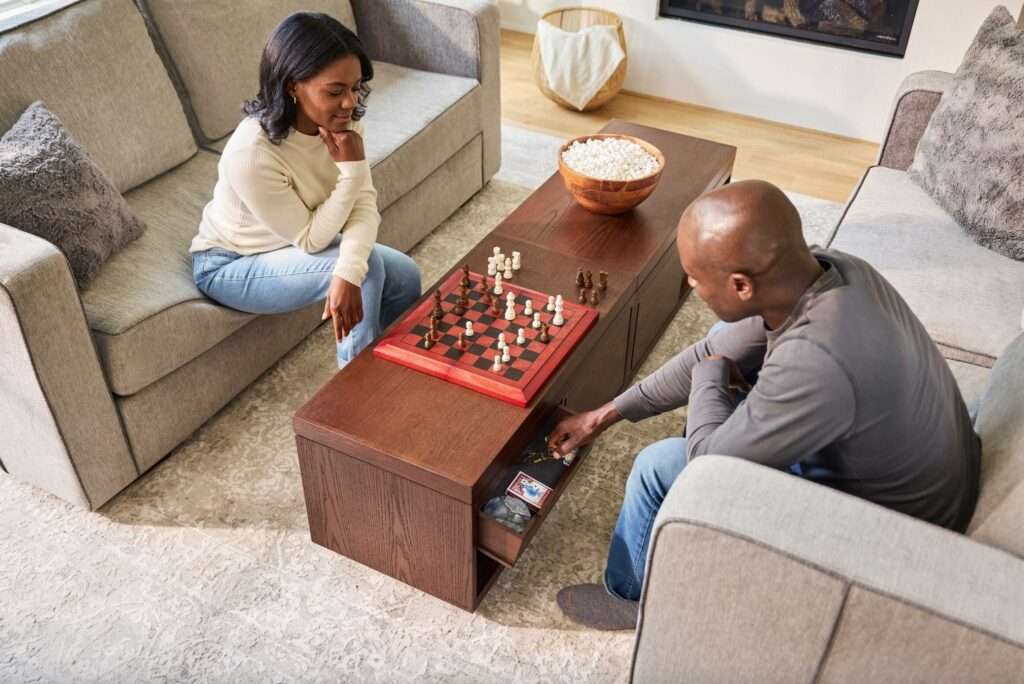
As more people move to large cities, the housing crisis is pushing residents toward smaller living spaces, increasing the demand for multifunctional and modular furniture. These adaptable pieces allow users to maximise limited space without compromising comfort or style. The Flow Sofa by Yoojin Lee is a strong example of this approach. Designed as a compact all-in-one solution, the Flow Sofa combines seating, a table, and storage into a single piece, allowing users to relax, read, or enjoy a coffee without the need for additional furniture.
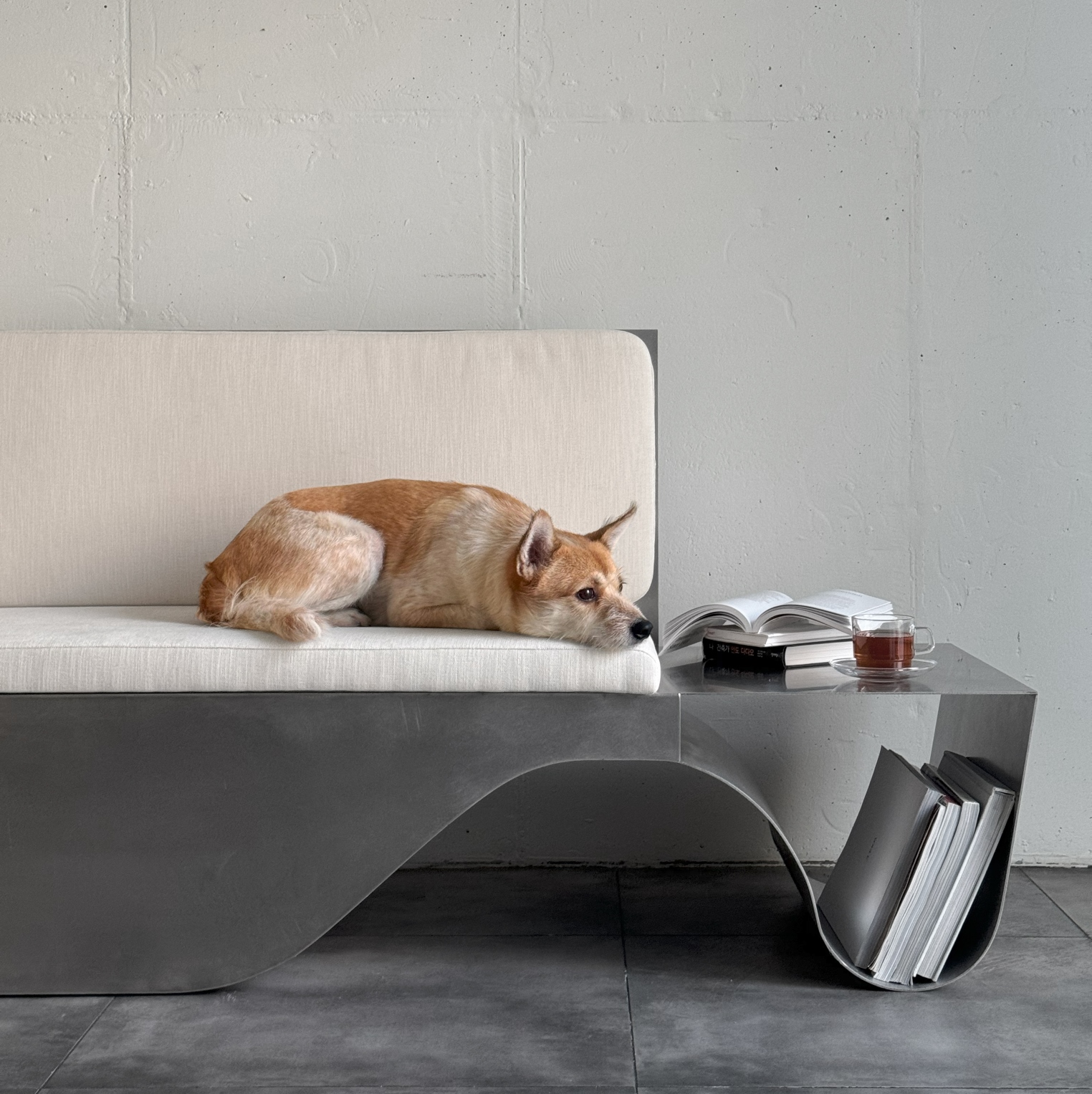
Similarly, Morfius modular furniture demonstrates how seating can transform to meet different needs. A single seat can be reconfigured into an L-shaped sofa, a linear arrangement, or even a full-size bed. This flexibility makes Morfius suitable for both adult and children’s rooms, while the ability to quickly convert it into a bed makes it especially practical for guest spaces.
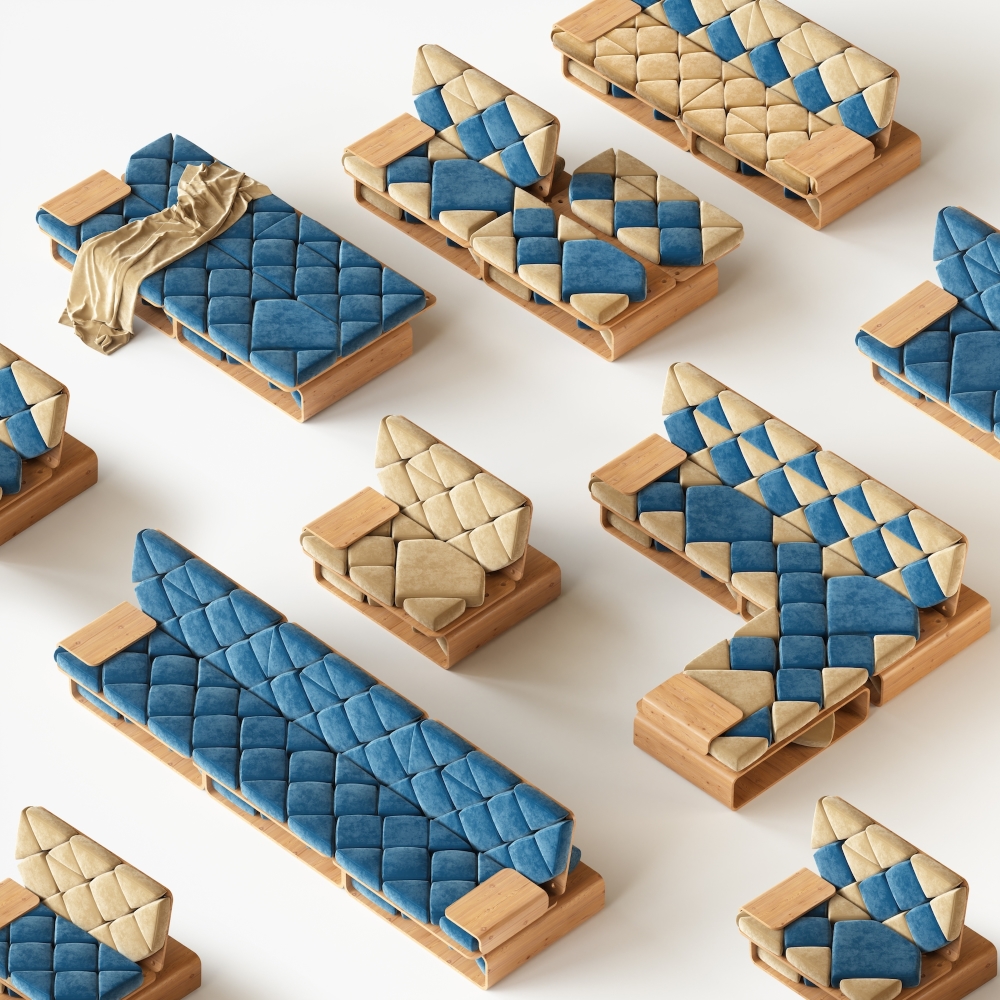
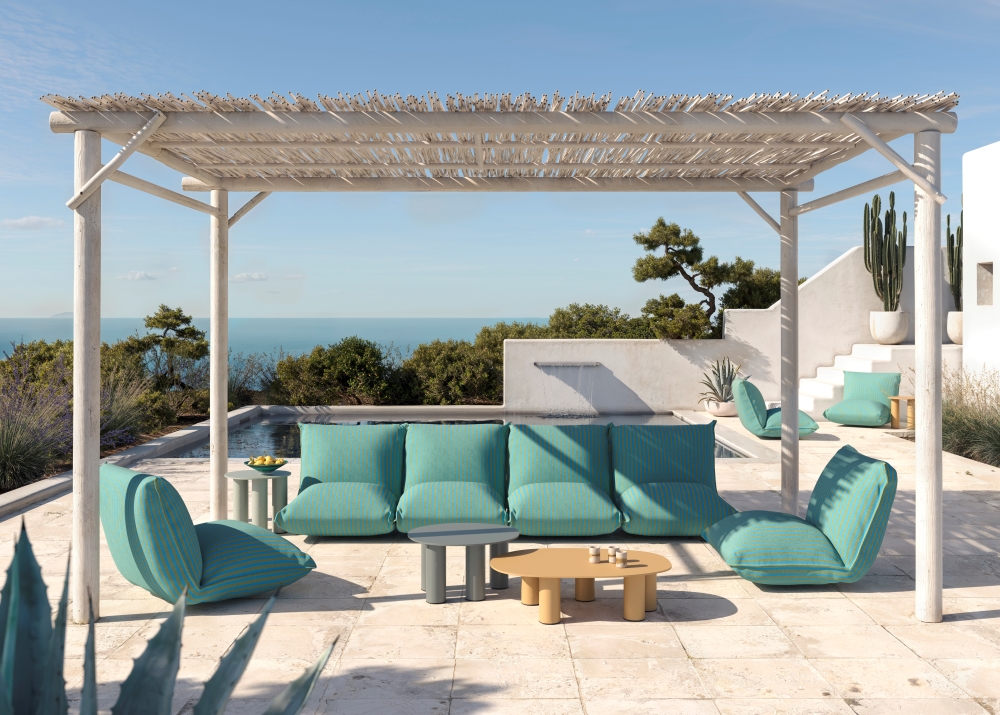
The preference for modularity extends beyond interiors into outdoor spaces. Designers from S-CAB highlight modularity as a key direction for 2026 outdoor furniture. The Brezza Relax chair by Alessandro Stabile is inspired by oversized cushions and allows users to place elements side by side and adapt seating arrangements to their own preferences. Modular seating will remain highly desirable in 2026, not only because it fits smaller apartments, but also because it encourages personalisation.
Sustainable furniture
Sustainability continues to be a central theme in furniture design. Pieces made from renewable, recyclable, locally sourced, and natural materials are increasingly in demand, reflecting a broader shift toward more responsible living. Wood and timber remain dominant, valued for their durability and timeless appeal.
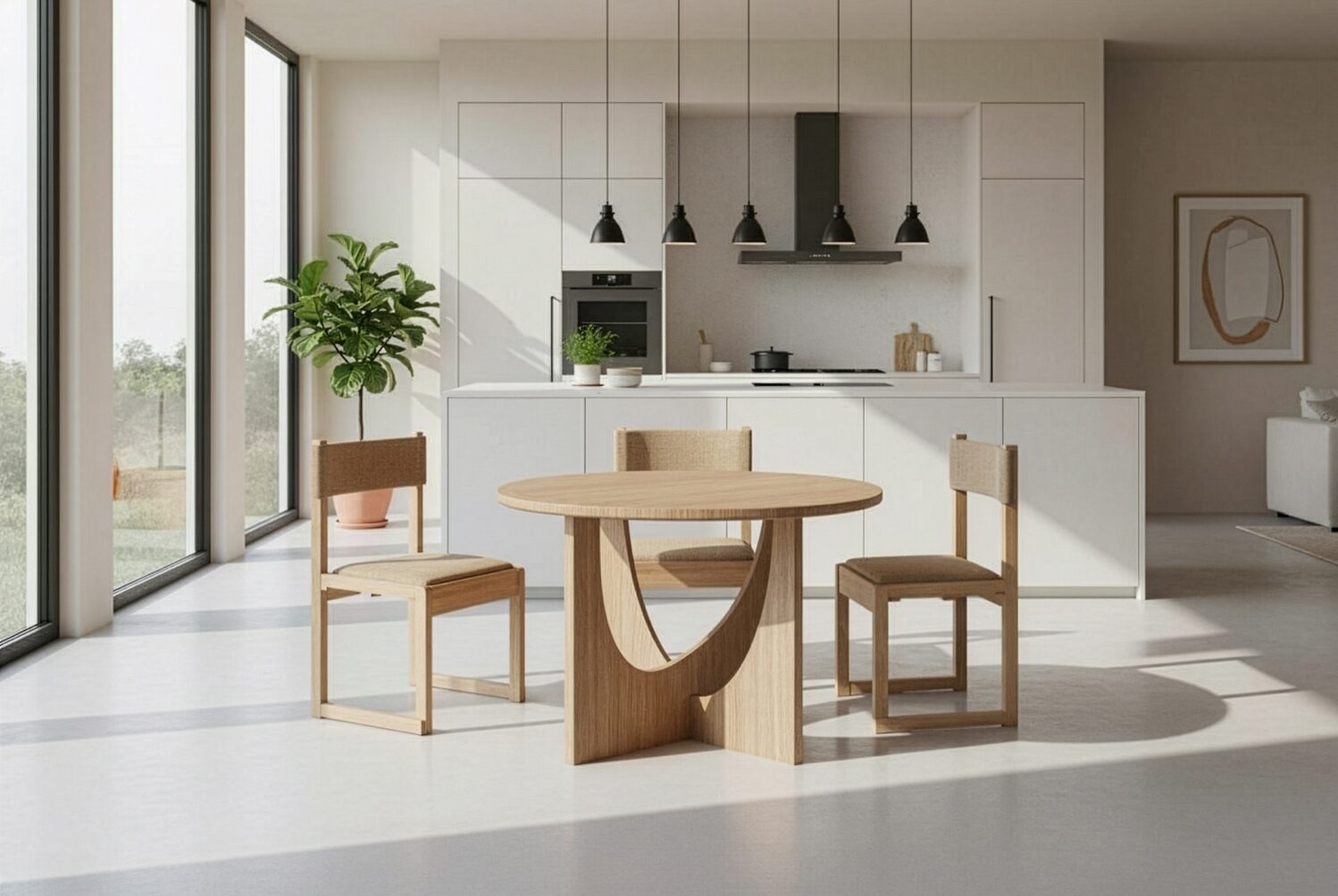
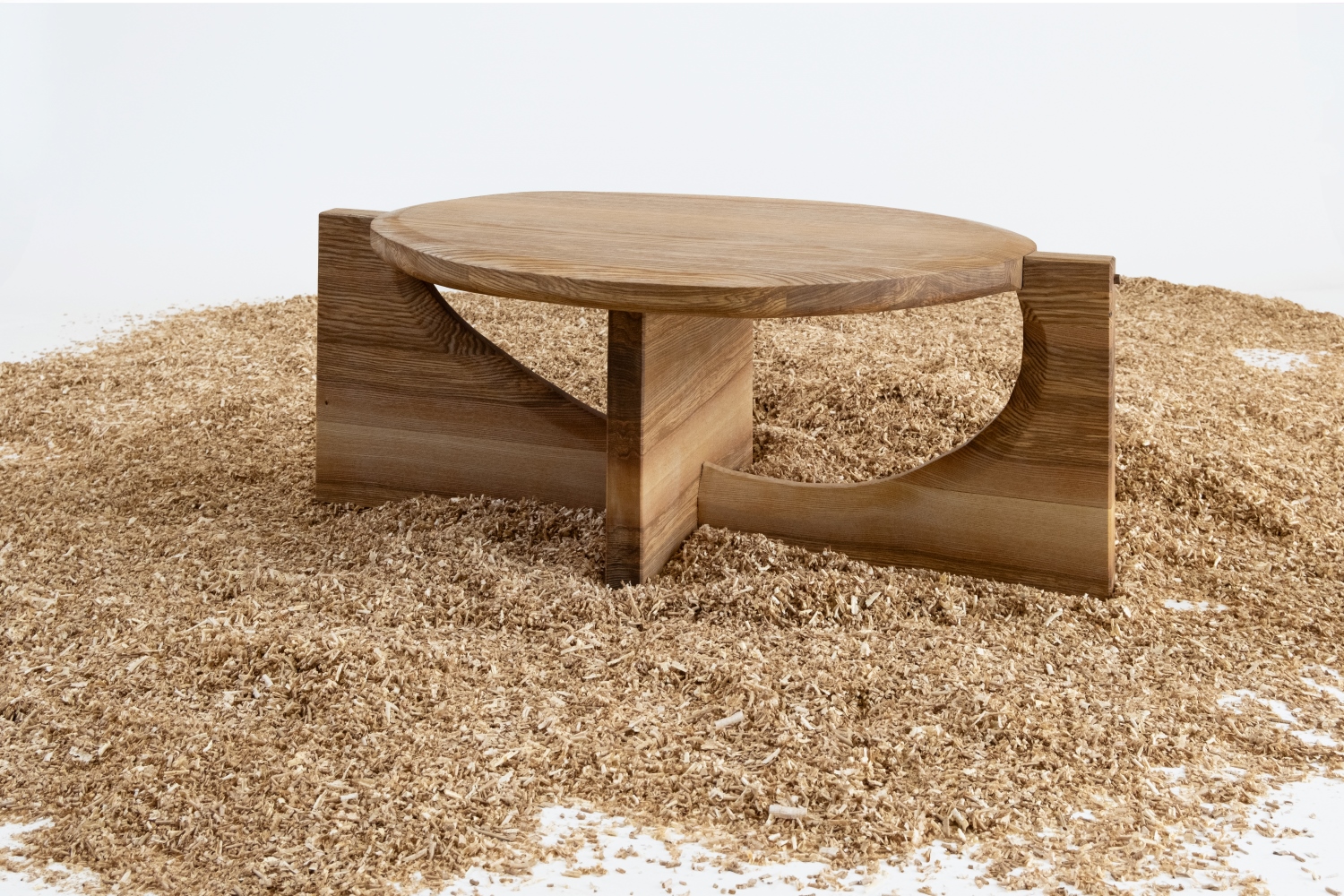
The choice of the material is just a part of the equation. The other part includes picking zero-waste manufacturing processes that significantly reduce waste. The ZERØ collection by studio sarakele and Moa Woodman, for instance, unites these two approaches. Created from discarded trees that have fallen due to disease or natural disasters, the collection uses every part of the wood to produce furniture of various sizes.
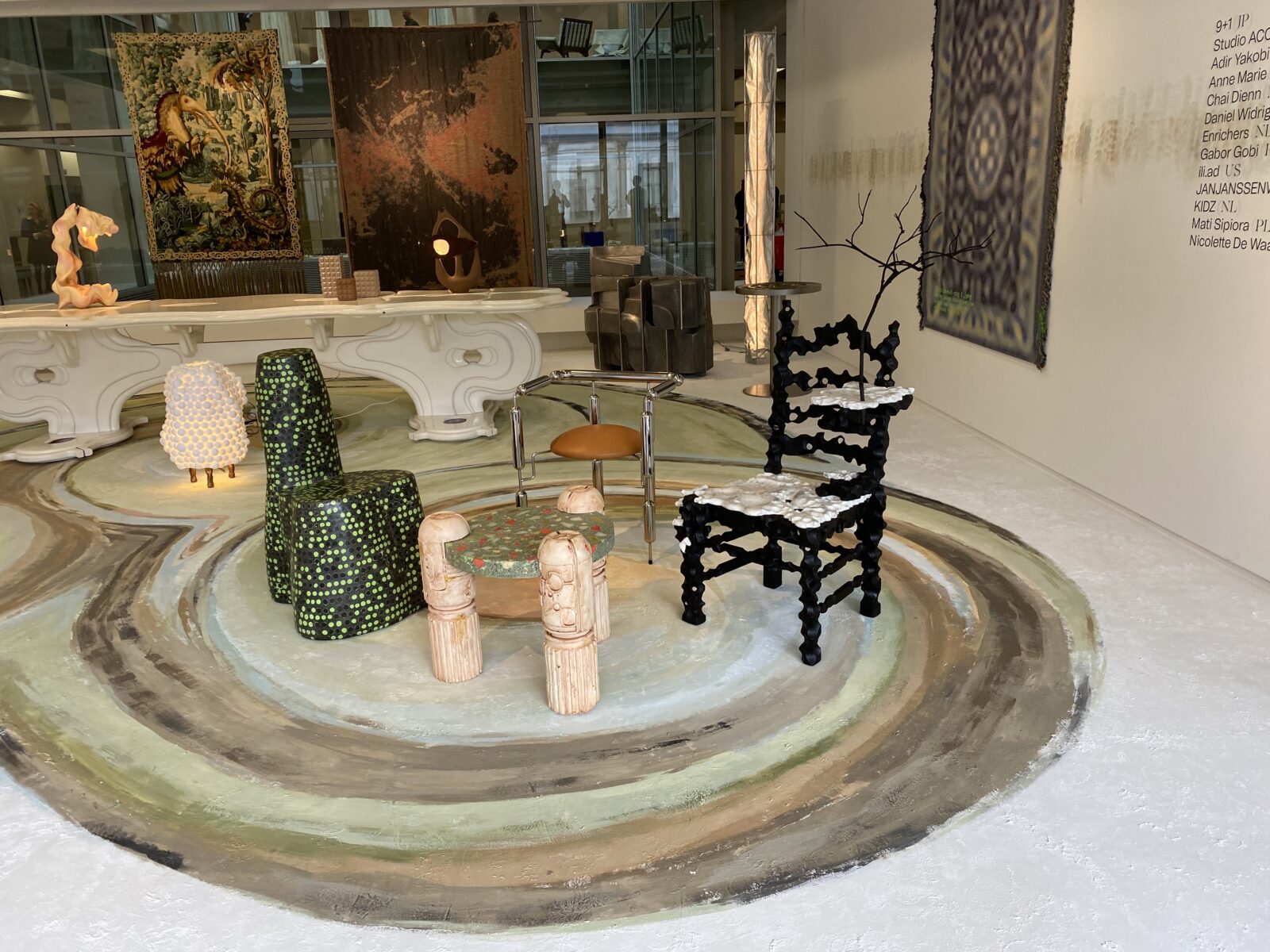
In a similar spirit, the Melting Collection by Gábor Góbi is made entirely from salvaged wood, stone, and metal. By working exclusively with recycled materials, the designer addresses climate anxiety while giving new life to discarded resources. At the same time, technological innovation is redefining industrial production. The Flow Chair, for instance, is 3D-printed using recycled plastic sourced from ocean waste and discarded bottles. This method not only reduces environmental impact but also demonstrates how advanced manufacturing can support sustainable design.
Handmade furniture
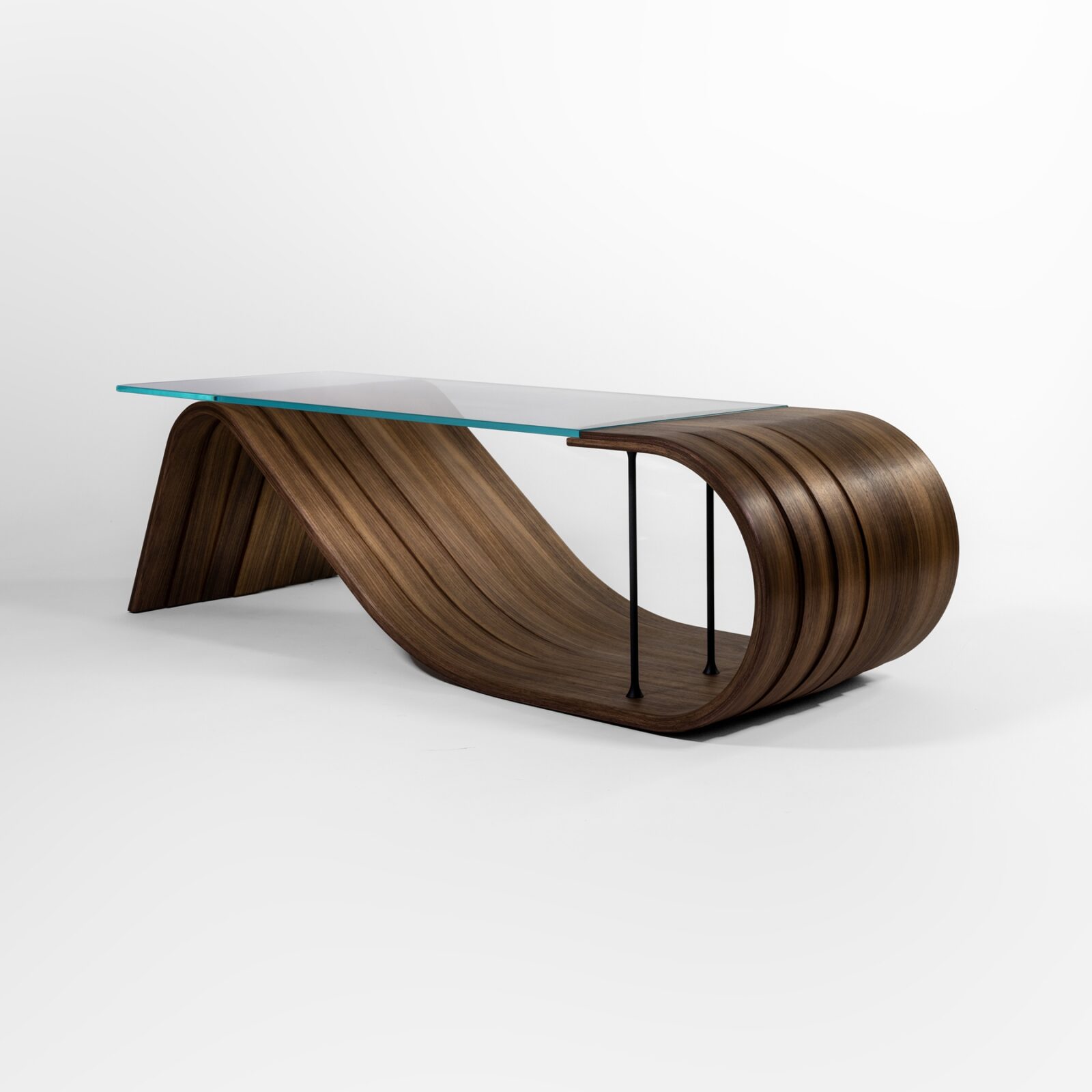
Alongside sustainability, there is a renewed appreciation for handcrafted furniture. Handmade pieces offer a sense of exclusivity and individuality, as they are often produced in limited quantities and reflect the skill of the maker. Limited edition items such as the Kromme Table are crafted by hand using locally sourced walnut veneers layered and shaped to create a sculptural form while minimising waste. This approach highlights how craftsmanship and sustainability can work together.
Technology and SMART furniture
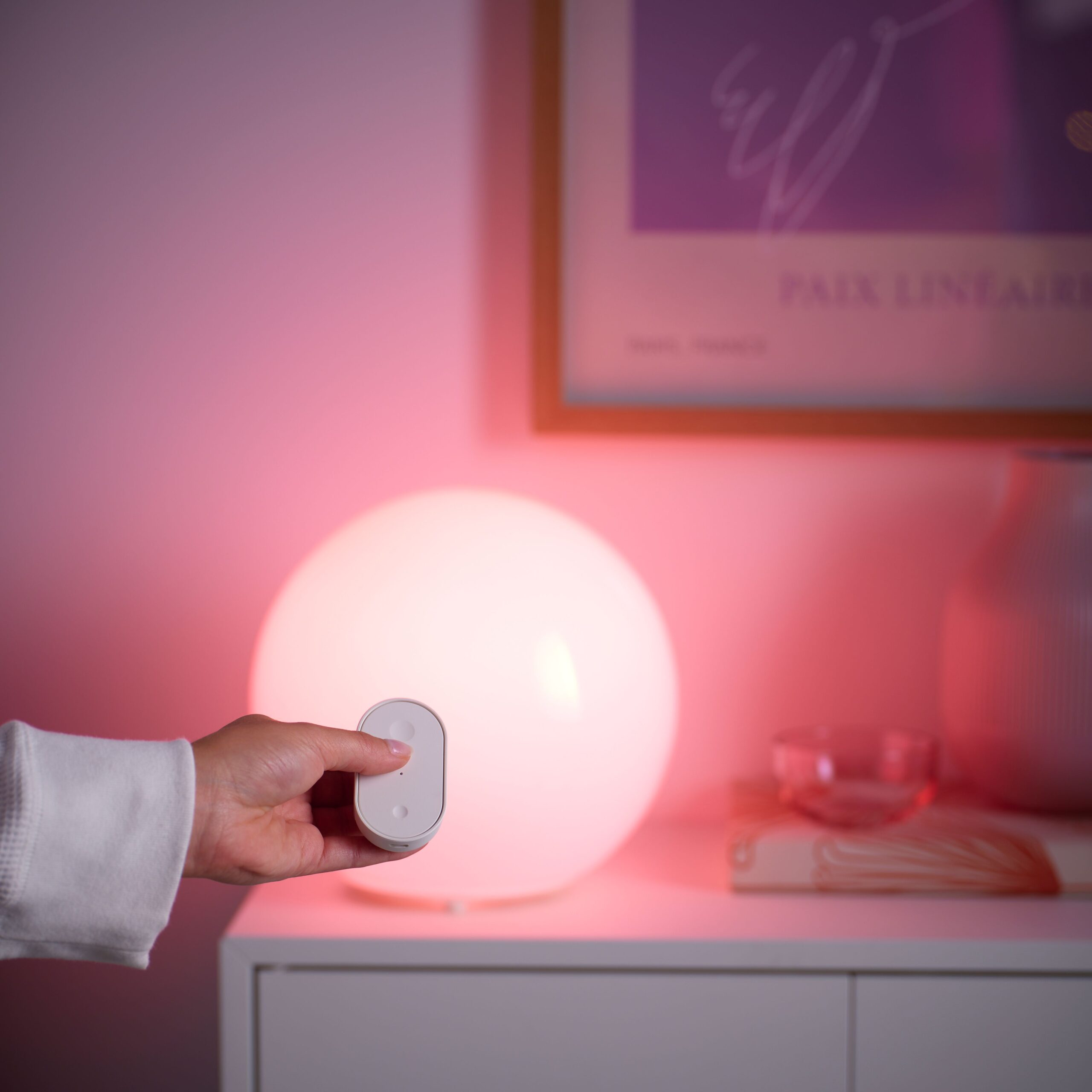
Technology has taken over every part of our lives, and furniture is no different. New furniture that thinks about technology integration, a nightlight that simultaneously charges your phone, and a chair that uses sensors to fix your sedentary lifestyle are just a few ways designers incorporate modern technologies into furniture pieces. Smart beds can analyse sleep patterns, regulate temperature, and even include anti-snoring functions.

Beyond sheer convenience, these innovations play a meaningful role in supporting overall well-being. Furniture that adapts to your daily routine can enhance focus, improve sleep quality, and promote a healthier lifestyle, all while contributing to a more refined aesthetic. Last year, IKEA launched over 20 new smart products, while this year the company issued a series of humidity, air quality, and smart sensors that are supported by Matter, the universal smart home standard. The trend is likely to continue in the future.
Furniture design in 2026 is less about statement pieces and more about supporting real life. Softer forms make spaces feel human, modular systems adapt to smaller homes, SMART furniture facilitates tasks, and natural or recycled materials reflect a growing environmental consciousness. The result is furniture that is not only aesthetically pleasing but also flexible, meaningful, and built to last.